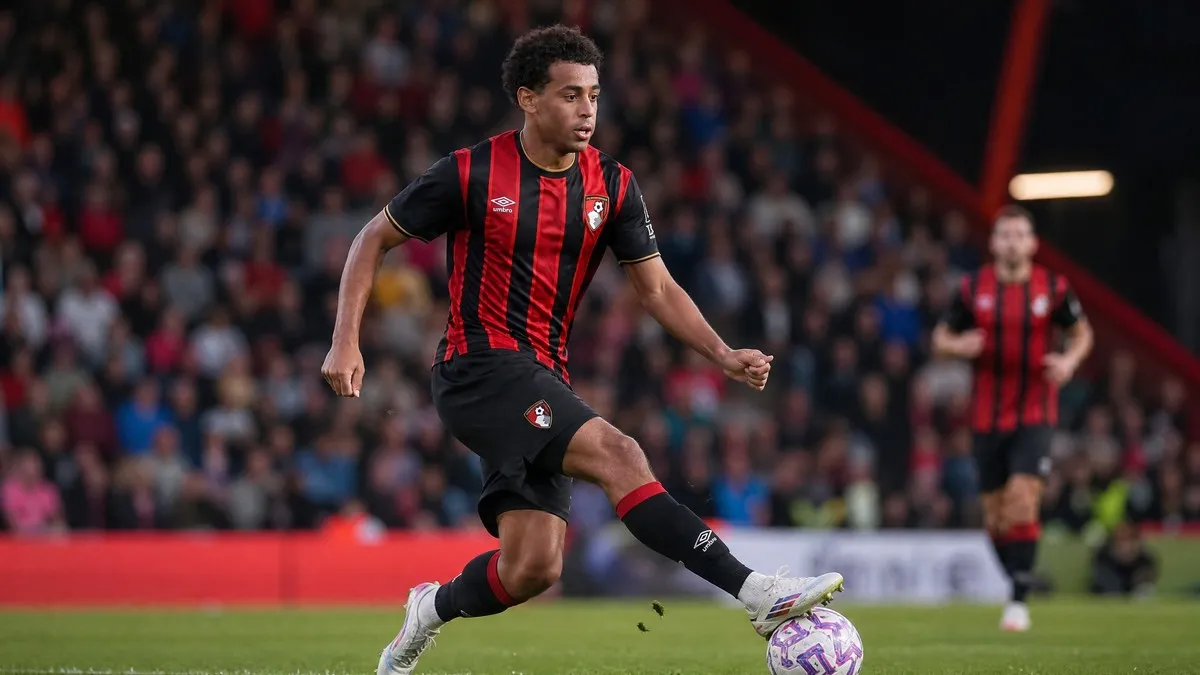
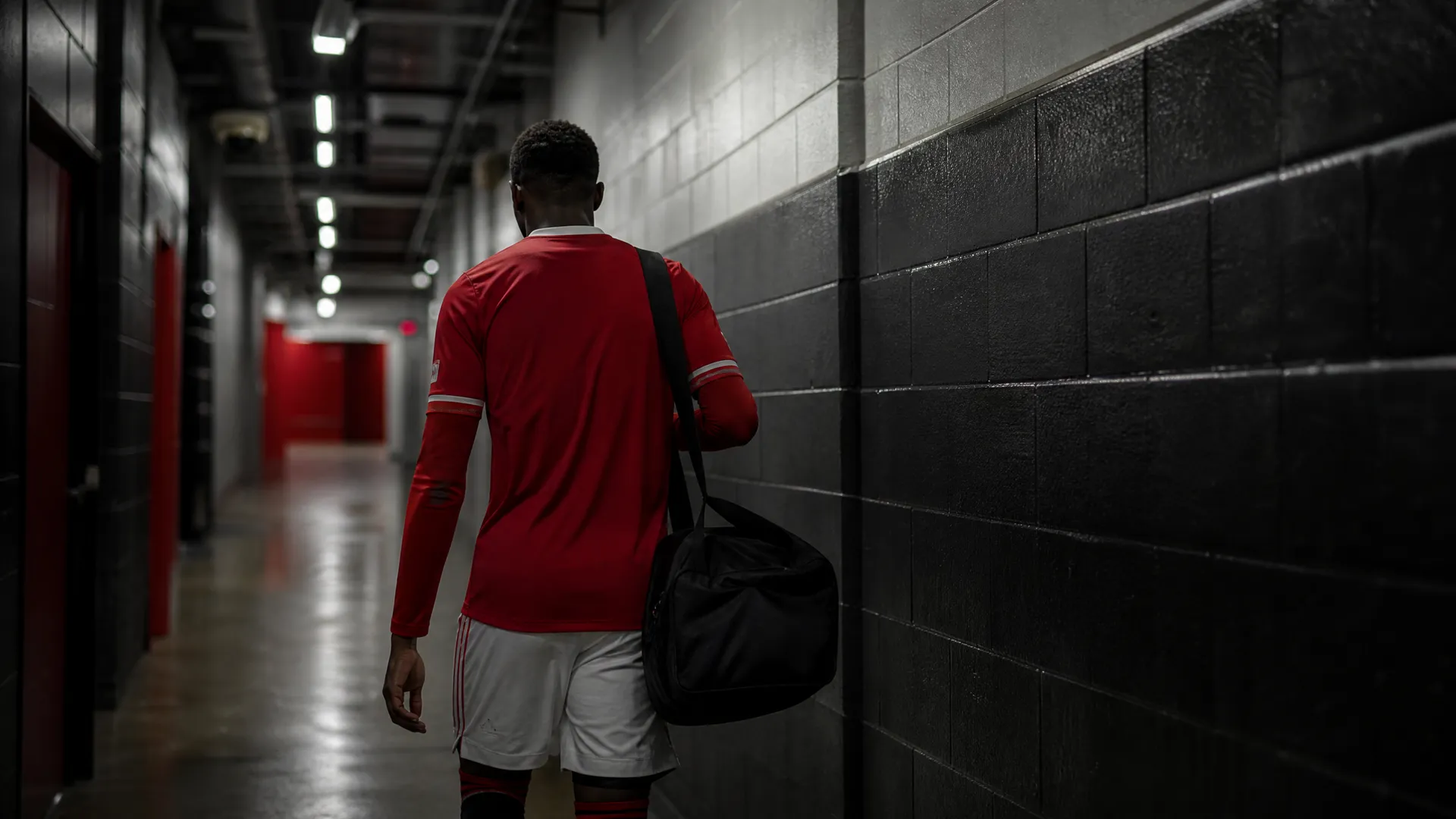
Brazil vs Morocco World Cup: Vini rescues 1-1 in NYC
Brazil vs Morocco World Cup opener ends 1-1 in New York New Jersey Stadium as Vinícius Junior equalizes after Saibari strikes, amid Knicks title buzz.
Brazil vs Morocco World Cup opener ends 1-1 in New York New Jersey Stadium as Vinícius Junior equalizes after Saibari strikes, amid Knicks title buzz.
New York woke up to a sports fever it rarely gets to stage all at once, with yellow Brazil shirts spilling through Manhattan while Moroccan flags snapped in the wind off the Hudson. By kickoff at New York New Jersey Stadium, the city felt like a tournament hub rather than a stopover, and the Brazil vs Morocco World Cup opener carried that edge. It finished 1-1, but the scoreline barely captured the nerves, the tactical chess, and the sudden bursts of quality. Vinícius Junior ultimately saved Brazil from an uncomfortable start, while Morocco left with proof they belong.
The Brazil vs Morocco World Cup opener landed in a venue built for spectacle, and it delivered the kind of noise that makes a neutral forget their phone exists. Brazil soccer fans arrived in waves, turning subway platforms into impromptu samba lines and transforming midtown bars into yellow-and-green mosaics. Morocco’s supporters countered with drums and a disciplined chorus, and the mix produced a rare, shared roar rather than competing silence. Even before the first pass, the match felt like a cultural parade with stakes.
Inside the stadium, the early minutes sharpened the mood because Brazil looked slightly unsure of their own rhythm. Casemiro, usually the metronome and the shield, was caught between stepping out to press and protecting the back line, and Morocco used that hesitation. The Brazil vs Morocco World Cup narrative of tradition versus ambition quickly became something more immediate: who could impose their tempo under pressure. Morocco’s compact block and quick outlets forced Brazil into sideways circulation, inviting murmurs from the stands.
Hours before the Brazil vs Morocco World Cup kickoff, Manhattan felt like it had been painted in layers, with Brazil soccer fans dominating the bright palette. They sang outside bodegas, posed for photos in Times Square, and treated every street corner like a pre-match concourse. Yet what stood out most was how the city absorbed it, with locals leaning into the moment and tourists joining chants they didn’t fully understand. That openness amplified the sense that this was a World Cup night, not just another fixture.
Morocco’s end of the stands carried a different energy, less carnival and more conviction, and it suited their Morocco soccer performance perfectly. Families waved flags, ultras drove the rhythm, and every defensive stop was celebrated like a goal. In the Brazil vs Morocco World Cup context, that pride mattered because it reinforced Morocco’s belief that they weren’t here to admire Brazil’s history. When their team pressed in synchronized bursts, you could feel the crowd pulling them forward, one duel at a time.
The first real shock of the Brazil vs Morocco World Cup opener arrived with Morocco’s willingness to attack the space behind Brazil’s midfield. A quick regain, a vertical pass, and suddenly Brazil’s defensive line was running toward its own goal, never a comfortable sight for a team that prefers to control territory. Ismael Saibari finished the move with the calm of a forward who had rehearsed the moment, guiding his effort beyond the reach of the goalkeeper. The celebration was loud, but the message was louder: Morocco had come to compete.
Brazil’s response was immediate in emotion but uneven in execution, and that contrast defined much of the first half. Casemiro’s struggles were visible in the timing of his challenges and the distance between Brazil’s lines, with Morocco happy to bait passes into crowded zones. The Brazil vs Morocco World Cup storyline of Brazilian dominance felt temporarily suspended, replaced by a more uncomfortable truth: Brazil were being asked to solve a problem rather than perform. Morocco’s midfield stayed tight, and Brazil’s wide play lacked the usual bite.
Saibari’s goal was not a fluke; it was the reward for a plan that targeted Brazil’s transitional uncertainty. Morocco waited for a loose touch, then accelerated with two passes that bypassed Brazil’s press before it could reset. In the Brazil vs Morocco World Cup spotlight, that kind of ruthlessness matters because it forces favorites to confront their own margins. Saibari’s composure at the end of the move showed a player comfortable with big moments, and it set a tone of fearless efficiency.
Casemiro is usually Brazil’s guarantee that chaos will be managed, yet here he looked caught in two minds, and Morocco exploited the indecision. When he stepped forward, Morocco slipped passes around him; when he held his ground, they found time to switch play and attack the channels. The Brazil vs Morocco World Cup draw will be remembered for Vinícius Junior’s rescue, but it also left a tactical question hovering over Brazil’s midfield balance. Brazil need Casemiro at his authoritative best to control tournaments.
Brazil’s equalizer felt like a reminder that individual brilliance can cut through even the most organized resistance, and Vinícius Junior delivered it with a flash of inevitability. After a spell of sterile possession, he received the ball in a pocket that Morocco had guarded well, then created separation with a sudden change of pace. The finish was crisp, the kind that turns anxiety into relief in a single breath, and the Brazil vs Morocco World Cup scoreline reset at 1-1. In that moment, Brazil looked like themselves again.
What made Vinícius Junior’s impact more striking was how it shifted Morocco’s defensive behavior immediately. Full-backs stopped stepping out so aggressively, midfielders tracked deeper, and the space for counters narrowed because Morocco had to respect the threat of one dribble. The Brazil vs Morocco World Cup contest became more stretched, which suited Brazil’s attackers but also created risk if transitions broke the wrong way. Vinícius Junior didn’t just score; he changed the geometry of the match, forcing Morocco to defend the fear.
The best players score goals that feel like solutions, and Vinícius Junior’s equalizer solved multiple issues at once. It punished Morocco for a rare lapse in compactness, it rewarded Brazil for persisting through a shaky half, and it calmed the stadium’s growing restlessness. In the Brazil vs Morocco World Cup opener, that kind of moment matters because it steadies a team that arrived with expectations heavier than luggage. His close control and decisive finishing were the clearest signs of Brazil’s attacking ceiling.
Morocco didn’t fold after conceding, and that resilience was central to their Morocco soccer performance on the night. Instead of dropping into a desperate low block, they kept their structure and continued to press in selective waves, trying to force Brazil into hurried decisions. The Brazil vs Morocco World Cup match stayed competitive because Morocco trusted their plan and their fitness, refusing to be overawed by the badge. Even as Brazil grew into the game, Morocco found moments to threaten, keeping the tension alive.
At the interval, the sense around the stadium was that Brazil needed more than emotion; they needed clarity, and Carlo Ancelotti tactics provided it. Brazil’s spacing improved, with the midfield offering cleaner angles and the full-backs choosing their overlaps with better timing. The Brazil vs Morocco World Cup second half felt less like a scramble and more like a controlled attempt to pin Morocco back, even if the final pass still occasionally went missing. Ancelotti’s adjustments didn’t create a flood of chances, but they stabilized the platform.
Brazil also looked more deliberate about where they pressed, avoiding the half-press that Morocco had exploited for the opener. Casemiro was given clearer reference points, with teammates closer to him in possession and more support when Morocco tried to break. The Brazil vs Morocco World Cup narrative shifted from Brazil being surprised to Brazil being patient, probing for the moment to strike again. Morocco, to their credit, adapted by protecting central zones and inviting wide deliveries they felt confident defending. It became a match of fine margins rather than chaos.
The most visible element of Carlo Ancelotti tactics was how Brazil’s midfield stopped drifting into the same spaces and started offering staggered options. That meant fewer risky passes into pressure and more opportunities to switch play quickly, stretching Morocco’s compact block. In the Brazil vs Morocco World Cup context, rhythm is everything, because once Brazil can circulate at speed, their wingers receive the ball in more dangerous positions. The improved pressing triggers also reduced Morocco’s counterattacking lanes, forcing them into longer clearances.
Even with better control, Brazil didn’t fully translate dominance into a decisive second goal, and that will worry them more than the draw itself. Morocco defended crosses with authority, and Brazil’s combinations around the box sometimes ended with one extra touch rather than an early shot. The Brazil vs Morocco World Cup match offered reminders that tournament football punishes waste, especially against opponents comfortable suffering without panicking. Vinícius Junior remained the most likely source of disruption, but Brazil needed more supporting runs and sharper timing from midfield.
Morocco’s greatest achievement in the Brazil vs Morocco World Cup opener was not simply scoring first, but sustaining their level after Brazil responded. They defended with a collective intelligence, keeping distances tight while still springing forward when the moment was right. Saibari’s goal gave them belief, yet it was the discipline afterward that made the point feel deserved. Against a side with Brazil’s talent, you cannot survive on adrenaline alone; Morocco survived on structure, communication, and calculated bravery.
There was also a maturity in how Morocco managed the emotional swings of the night, especially once the stadium noise tilted toward Brazil’s comeback narrative. They slowed the game when needed, took smart fouls in non-dangerous areas, and resisted the temptation to chase the ball in packs. The Brazil vs Morocco World Cup draw will be framed in Brazil as a missed opportunity, but for Morocco it can be framed as a statement of readiness. Their performance suggested a team that understands tournament moments and doesn’t waste them.
The blueprint behind Morocco’s Morocco soccer performance was compactness without passivity, a difficult balance that they executed with impressive consistency. Their midfield screen protected the central lanes, forcing Brazil wide, while the back line stayed organized enough to deal with runs in behind. In the Brazil vs Morocco World Cup match, their transitions were equally important, because they didn’t counter just to relieve pressure; they countered to threaten. That intent kept Brazil’s defenders cautious, limiting how aggressively they could commit forward.
Saibari’s early finish did more than put Morocco ahead; it validated the plan and gave every duel extra meaning. Players started stepping into challenges with the confidence of a side that had already landed a punch, and that belief carried them through Brazil’s stronger spells. The Brazil vs Morocco World Cup stage can shrink teams if they feel like guests, but Morocco played like equals, not visitors. Saibari became the symbol of that mindset, yet it was the collective that protected the result.
The city’s backdrop added a unique layer, because New York sports culture was already buzzing from the NBA Finals Knicks celebration, their first title in 53 years. You could feel basketball and football conversations colliding in the same bars, with fans flipping between highlight reels and pre-match coverage. The Brazil vs Morocco World Cup opener benefited from that electricity, as if the city had decided this week was reserved for sporting history. It created an atmosphere where every chant felt louder, every moment more shared.
Outside the stadium, the mix of accents and jerseys told its own story about modern tournaments and global fandom. Brazil soccer fans posed with Knicks hats, Moroccan supporters debated lineups beside lifelong New Yorkers, and the city acted as a giant concourse. The Brazil vs Morocco World Cup match became part of a broader urban celebration rather than an isolated event, and that matters because it changes how games are remembered. New York didn’t just host; it added texture, context, and a sense of occasion that lingered after the final whistle.
With the NBA Finals Knicks triumph still fresh, the city carried a natural swagger that spilled into matchday. Taxi drivers talked sports without needing prompts, and strangers compared trophy parades to World Cup scenes as if they were chapters of the same book. The Brazil vs Morocco World Cup opener fed off that confidence, because New York crowds know how to make an event feel bigger than the ticket. When the stadium noise rose after Vinícius Junior’s goal, it sounded like a city already trained in celebration.
The immediate consequence of the Brazil vs Morocco World Cup draw is that Brazil’s next match, against Haiti, becomes less about rotation and more about response. Brazil will expect to control that game, but they’ll also know that another slow start could turn into a tournament problem rather than a one-off wobble. Carlo Ancelotti tactics will likely emphasize cleaner midfield control, while Vinícius Junior remains the obvious spark to build around. Morocco, meanwhile, leave encouraged, carrying a point and a blueprint that travels well.
The Brazil vs Morocco World Cup opener ended with both teams feeling they had proved something, which is usually the sign of a good tournament match. Brazil proved they can absorb a punch and still find a way back through Vinícius Junior, but they also exposed issues around Casemiro’s rhythm and the team’s early cohesion. Morocco proved their Morocco soccer performance is built on more than spirit, with Saibari’s goal and their structure earning genuine respect. In a city still humming from the NBA Finals Knicks celebration, this 1-1 felt like another New York classic—loud, layered, and unfinished.

Julian Mercer is a lifelong student of the game whose passion for football was sparked at an early age, after stepping onto the grass of Camp Nou as a six-year-old — a moment that left a lasting impression and set him on a permanent path into the sport. Since then, football has been both his lens on the world and his favourite language. Blending traditional fandom with a deep interest in tactics, squad building, and long-term team development, Julian has spent decades analysing the game from every angle. His fascination with football strategy was further shaped through years of immersive play in Football Manager, a series he has followed since the mid-1990s, developing a sharp eye for patterns, player profiles, and the fine margins that define success. At My World Of Football, Julian focuses on the stories beneath the surface — from tactical evolutions and managerial philosophies to the narratives that connect clubs, players, and supporters across generations. His writing aims to balance insight with accessibility, always grounded in a genuine love for the game.
Continue reading more football news