AI-generated image
Football News Today: Dumfries to Madrid, Kane leads England
Dumfries joins Real Madrid, Kane preps for Mexico. Plus, big moves in the Premier League and World Cup buzz heating up.
Dumfries joins Real Madrid, Kane preps for Mexico. Plus, big moves in the Premier League and World Cup buzz heating up.
It's a big day in football. Denzel Dumfries makes his move to Real Madrid, stepping into Carvajal's shoes. Meanwhile, Harry Kane is gearing up to lead England against Mexico in the World Cup. There's plenty of chatter in the Premier League too, with transfer rumors swirling and players making headlines. It's a thrilling time as the beautiful game keeps us on our toes.
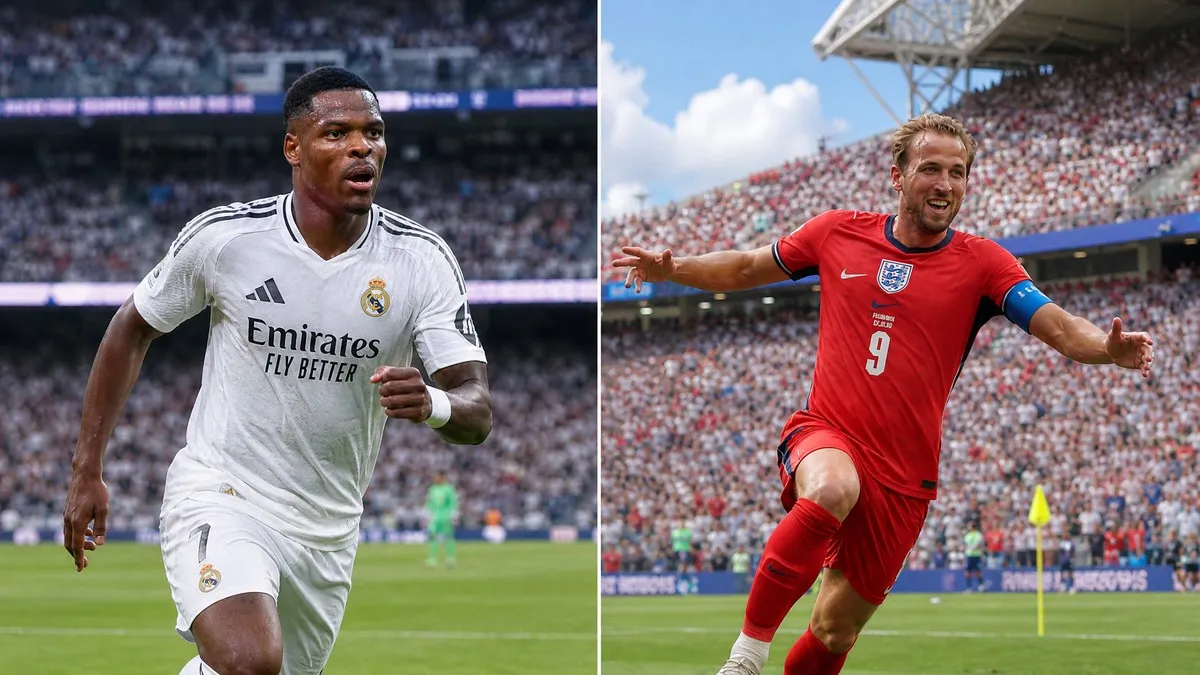
The Denzel Dumfries Real Madrid transfer has been rumbling for weeks, but seeing it made official still feels like a proper statement. Twenty million euros for a ready-made right-back in his prime is not wild money in this market, especially when you are replacing Dani Carvajal on a free. Madrid needed certainty after a flat season, and Dumfries is basically the opposite of a luxury gamble.
What Madrid are buying is a wing-back who plays like he has been dared to stop running. At Inter he was at his best when the game opened up, arriving at the back post, bullying full-backs, and making the far-side run nobody tracks. In a more possession-heavy La Liga context, the big question is his timing and positioning when teams sit deep. He will need to be patient, not just powerful.
Carvajal leaving changes the vibe on that side. You lose a local leader who understood the club’s rhythm and the ugly parts of big European nights. Dumfries is not a like-for-like Dani Carvajal replacement in style, but he can cover some of the same ground with sheer output. The Denzel Dumfries Real Madrid transfer also hints Madrid want more direct width, not just inverted full-backs drifting inside.
Zooming out, this fits the wider rebuild. Marc Cucurella on the left, Ibrahima Konaté at the back, and Mourinho returning tells you Madrid want intensity and structure, not vibes. Dumfries transfer news will focus on the fee, but the real value is reliability. He is 30, yes, yet four years is a bet on immediate impact. If Madrid’s wingers stay high, Dumfries can become the overlap that turns sterile possession into chances.
Maas Willemsen transfer news is starting to feel like the next big Eredivisie subplot. He came in from De Graafschap in summer 2025 and didn’t need long to look like he belonged. Thirty-five appearances last season tells you the trust is real, not just a nice story. Under Robin Veldman, Heerenveen have asked him to be a defender and a reference point.
What stands out is how Willemsen talks about his game. Not clips, not “modern centre-back” stuff. He goes straight to leadership and organisation. That matters at Heerenveen because they often live on fine margins. When the press gets bypassed, someone has to set the line, sort the matchups, and keep the full-backs connected. If he’s becoming that voice at 23, scouts will circle fast.
Ajax interest, Feyenoord rumors, PSV transfer news. It’s the classic top-three net being cast over a young defender who looks ready for a higher ceiling. The question is fit. Ajax will want comfort in build-up and defending big spaces. Feyenoord will test duels, aggression, and concentration in a high line. PSV will demand calm when games turn chaotic. Maas Willemsen transfer news makes sense, but the next step has to be the right one.
For Heerenveen, the timing is tricky because it is not just Willemsen. Vasilios Zagaritis, Oliver Braude, Jacob Trenskow, Sam Kersten, and Luuk Brouwers all getting looks tells you the squad is being picked apart in people’s minds. That can fund improvements, but it also risks ripping out the spine. If Willemsen goes, they need a replacement who can organise, not just tackle.
Willemsen saying he’s happy but open to the top three is honest, and it’s how this league works. The smart play for Heerenveen is to turn Maas Willemsen transfer news into leverage. Extend, set a clear price, and keep him for at least part of the season if possible. If he stays, he can polish the one thing top clubs punish: decision-making under pressure.
Dayot Upamecano coming out and saying Michael Olise is staying at Bayern feels like more than a throwaway quote. Players do not usually wade into Michael Olise transfer news unless the noise is getting loud in the dressing room. The Real Madrid transfer rumors sound wild at €223 million, but the point is the same: Madrid are sniffing around, and Bayern want to kill the story early.
Even if that number is fantasy, it tells you how Olise is being framed now. Not as a nice creator, but as a potential face-of-the-team attacker. Bayern Munich news has been full of “project” talk for years, yet Olise has cut through it with output and personality. He plays with that calm pause on the ball, then suddenly the tempo changes. That is exactly the kind of winger Madrid love.
Upamecano comments also hint at Bayern’s bigger issue: they cannot keep acting like a stepping stone for elite talent. If Olise becomes a key player this quickly, the club has to build a role that makes staying feel like the best option, not the safe one. That means a settled attacking structure, clear responsibilities, and teammates who consistently attack the spaces his passing creates.
Louis Saha’s interview angle lands because the rise is genuinely sharp. Crystal Palace to being linked with Madrid-level money is not normal, even in this market. But the best players get judged on ceiling, not just last season’s highlights. Olise performance-wise, the next step is doing it in big Champions League nights, not just dominating domestic stretches when Bayern are already on top.
International duty adds another layer. France’s 1-0 over Paraguay keeps momentum, and the Morocco quarter-final will be a proper test of nerve and decision-making. If Olise shines there, Michael Olise transfer news will spike again regardless of what Upamecano says. Bayern can talk tough, but keeping him is about making Munich feel like the main stage.
When people talk about the Gianluca Pagliuca World Cup story, it usually starts with that Norway game. First keeper ever sent off at a World Cup, and not for something dramatic like a punch-up. Just a split-second decision outside the box and bang, history made in the worst way. For a goalkeeper, that kind of moment can swallow your whole tournament and your whole reputation.
What makes 1994 so interesting is how Italy kept moving without him, which is brutal if you are the guy in gloves. Luca Marchegiani comes in, Arrigo Sacchi leans on structure, and suddenly the narrative becomes “Italy can cope.” Pagliuca had to earn his place back in a squad that already had recent giants like Walter Zenga in the background of Italian goalkeeping culture. That pressure is uniquely Italian.
Once Pagliuca returned, the Gianluca Pagliuca World Cup arc flipped into something more like redemption than recovery. Italy were not free-flowing, but they were hard to beat, and that suited a keeper who reads danger early and stays set. The iconic save people forget to frame properly is not just a highlight. It is a career hinge. One goal there and he is remembered as the red card guy forever.
The final against Brazil is where the story gets properly bittersweet. Pagliuca does his part, Italy get to penalties, and then it slips away anyway. That is why the 1994 World Cup still hangs over Italy football history. It is not about one mistake or one save. It is about margins and psychology. Joe Mewis’s perspective helps because he treats it like a human story, not a trivia question.
It also explains why Pagliuca’s later club life at Sampdoria and Inter Milan carried that edge. Keepers live on trust, and international tournaments either build it or crack it. The Gianluca Pagliuca World Cup tale is basically that in one summer: fall, wait, fight back, play well, still lose. You can hear why he’d never stop replaying it.
The Sandro Tonali transfer feels like it is already “done”, and that is exactly why the silence is making everyone twitchy. A £100 million move does not stay quiet for long, especially when he is being spotted at an airport heading for London. But delays happen when clubs are juggling announcements, and Newcastle United reportedly want their own incoming business tied up before they wave goodbye.
What makes this one interesting is the Roberto De Zerbi factor. Tonali crediting him is not just a nice quote for the cameras. It hints at a clear football reason, not just wages and a shiny project. De Zerbi wants midfielders who can play through pressure, hit early vertical passes, and cover ground when the press breaks. Tonali fits that profile, and Tottenham Hotspur badly need that control.
From Newcastle United’s side, the timing is awkward. Selling a marquee midfielder is easier to sell to your own fans when you can immediately point to a replacement. That is why the “announce ours first” line rings true. Newcastle also have to think about PSR and squad balance. If they bank £92.5 million up front with add-ons later, it gives them flexibility, but it also creates a hole in identity.
For Tottenham Hotspur, this is the statement of the summer. Spending past £230 million is not just ambition, it is expectation. The Sandro Tonali transfer would set a club record and raise the bar for De Zerbi straight away. That is why Spurs insider Paul O’Keefe telling fans to relax matters. It is not random reassurance, it is about managing the noise while paperwork, medicals, and timing all line up.
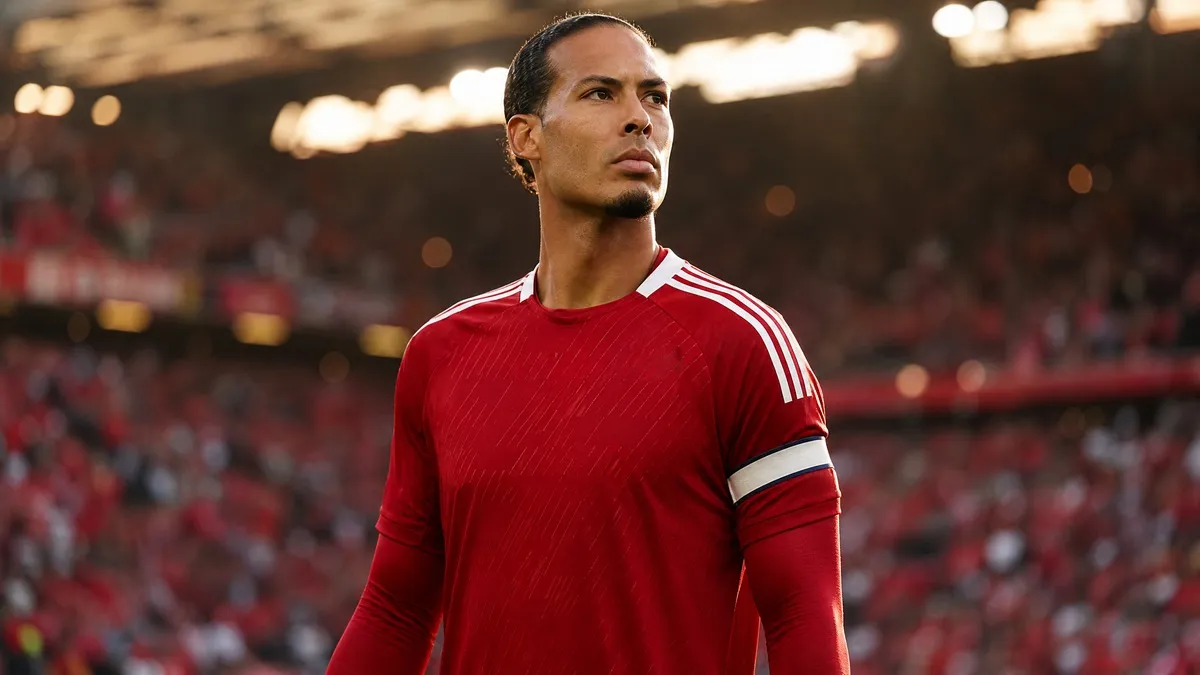
The latest Virgil van Dijk transfer news has fizzled out in the most Liverpool way possible: a lot of noise, then the captain turns up and gets on with it. Interest from Galatasaray and AC Milan always felt like agents testing the water rather than a deal with real legs. For Liverpool FC, keeping Van Dijk is less about nostalgia and more about stability in a squad that still leans on his authority.
Andoni Iraola saying he wants to keep him matters because it frames Van Dijk as a pillar, not a luxury. Liverpool’s build-up still starts with that first pass into midfield, and his positioning covers for full-backs when they fly on. Even if his recovery pace is not what it was in 2019, his reading of danger is elite. The alternative is a summer spent buying leadership, which is never simple.
From Van Dijk’s side, the personal angle is not fluff. He has hinted he needs to sort life stuff before making calls on the Dutch national team, and that lines up with a player who has carried a lot lately. When your year is messy, the last thing you want is a new league, a new language, and the pressure of being the big-name fix. Staying put can be the most professional decision.
It also changes the mood around Liverpool’s recruitment. With Van Dijk staying, the club can shop for a partner and a successor without acting like the house is on fire. That is how you avoid overpaying. This Virgil van Dijk transfer news ending is anticlimactic, sure, but it gives Iraola a clearer base to coach from. Liverpool FC can now focus on structure and depth, not headline-chasing.
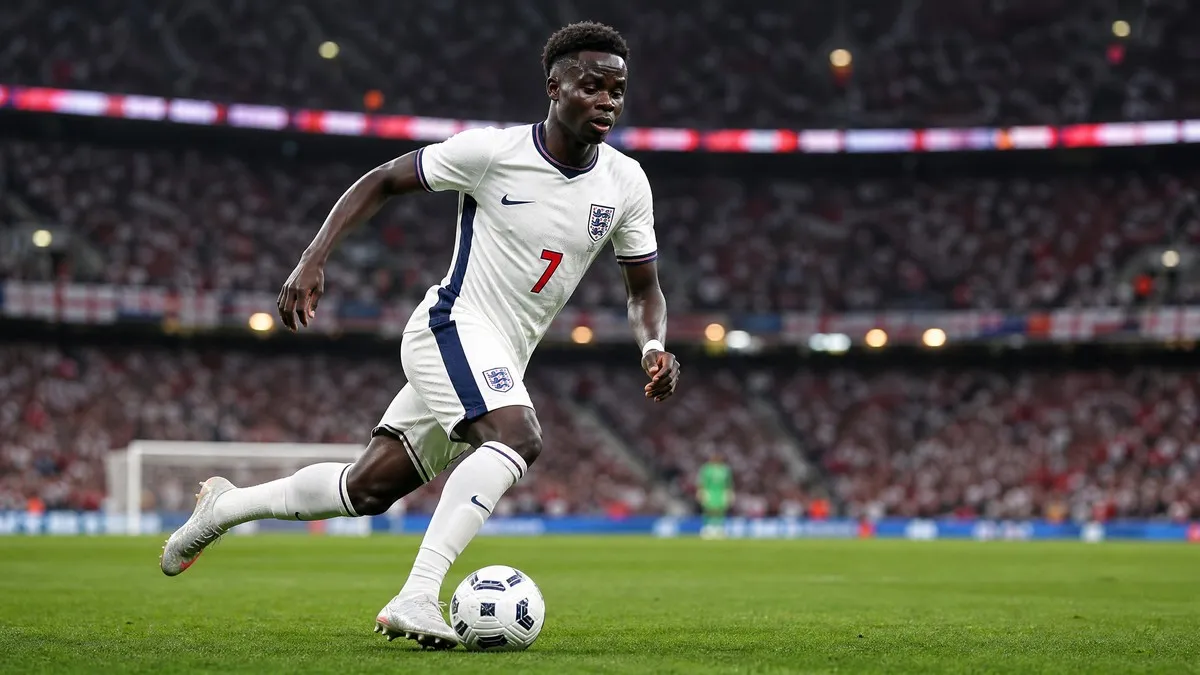
England World Cup 2026 has felt different so far, not because the group was easy, but because the games looked controlled. Croatia and Panama wins plus that Ghana draw showed a side that can manage tempo without panicking. Under Tuchel, England look happier to win ugly for spells, then turn the screw. That matters now, because knockout football punishes even one sloppy ten-minute wobble.
The big headline is still Harry Kane goals. Thirteen World Cup goals puts him past Lineker, and it is not just tap-ins either. He is dropping to link play, then arriving in the box like he owns the place. For England squad 2026, that gives everyone else clarity: run beyond him, trust the pass, and be ready for second balls. When Kane looks sharp, England’s whole attack breathes.
England vs Mexico at Estadio Azteca is the real test of whether this England World Cup 2026 run has legs. Altitude changes the rhythm, legs burn, and Mexico know how to ride the crowd when the game gets messy. England need to start fast, keep possession simple, and win set-piece moments. If they let it become a street fight, Azteca has swallowed bigger teams than this.
Off the pitch, FIFA World Cup tickets being online-only is worth clocking early. Prices from $60 up to $6,730 tell you exactly who FIFA thinks this tournament is for, and it shapes the atmosphere too. Still, England’s World Cup history is heavy, and that 60-year wait hangs over every knockout match. Beat Mexico and the World Cup schedule suddenly looks tempting, not terrifying.
Enzo Fernandez transfer rumors always had a bit of heat, but talking up Madrid while you’re away at the World Cup is basically lighting a match in the dressing room. Chelsea’s two-game suspension is not subtle. It’s a club saying, “We decide the timing, not your interviews.” And it lands after a season where everything felt loose, ending 10th and changing managers again.
From Chelsea’s side, the “not for sale” line is as much about control as it is about value. Fernandez is one of the few midfielders in that squad who can take the ball under pressure and play forward early. If you’re rebuilding, you don’t casually remove that. The suspension also sends a message to everyone else: keep transfer talk inside the building, especially when results are fragile.
Real Madrid publicly denying interest is classic Madrid risk management. If they genuinely wanted him, they’d rather keep it quiet than inflate the price or annoy Chelsea. If they don’t want him, they still protect their image and avoid looking like they tap up players. Either way, the denial doesn’t kill Enzo Fernandez transfer rumors. It just pushes them into the long-game category, where agents and timing matter more than headlines.
It’s also worth looking at Madrid’s context. Xabi Alonso coming in means midfield standards go up, and the recruitment logic tightens. He’ll want press-resistant passers, but also runners and structure. Fernandez fits parts of that, but Madrid already have plenty of ball players. So the “Real Madrid interest” question is really about priorities: do they need another controller, or do they chase different profiles first?
For now, Chelsea FC news is about authority. If Fernandez comes back, performs, and keeps his head down, this blows over. If he sulks, the noise grows. World Cup updates only add fuel because every good game becomes a sales pitch. That’s why these Enzo Fernandez transfer rumors feel sticky. They’re not just about a move, they’re about who’s steering Chelsea’s reset.
Rafael Leao transfer news is getting louder around Tottenham Hotspur, and you can see why. Spurs have already shown intent with Mateus Fernandes and Sandro Tonali, not just adding bodies but shifting the team’s level. Leao is the type of signing that changes how opponents set up against you. He pins full-backs, carries the ball 30 yards, and makes chaos feel normal.
At AC Milan, his numbers are the easy part: 80 goals and 65 assists across 291 games. The real point is how he gets them. He turns broken phases into chances, and he does it without needing constant touches. That matters in the Premier League where transitions are brutal. If Tottenham want to play quicker and higher, Leao fits the idea far better than a tidy winger who stays wide.
The World Cup factor is interesting too. Players always talk about “projects”, but tournaments are where they decide if they’re ready to jump. Rafael Leao transfer news linking him to England makes sense if he’s feeling that pull. Spurs can sell minutes, a starring role, and a clear tactical lane. Manchester United and Arsenal can sell history and budget, but Tottenham can sell being the main man.
Still, dealing with AC Milan is never simple. They will ask for a serious fee because Leao is a face-of-the-team player, not a spare part. Spurs will have to structure it smartly, maybe with bonuses, add-ons, and timing that suits Milan’s own rebuild. And you can bet Barcelona will sniff around if the numbers get creative. Rafael Leao transfer news feels real, but it will take proper negotiating.
If Spurs pull it off, it also changes the knock-on effects. Tonali gives them bite and control, Fernandes adds legs, and Leao would bring the match-winner edge they have lacked in too many tight games. The risk is obvious: big fee, big expectation, and a league that punishes passengers. But if he buys in, Tottenham suddenly look like a team you hate playing.
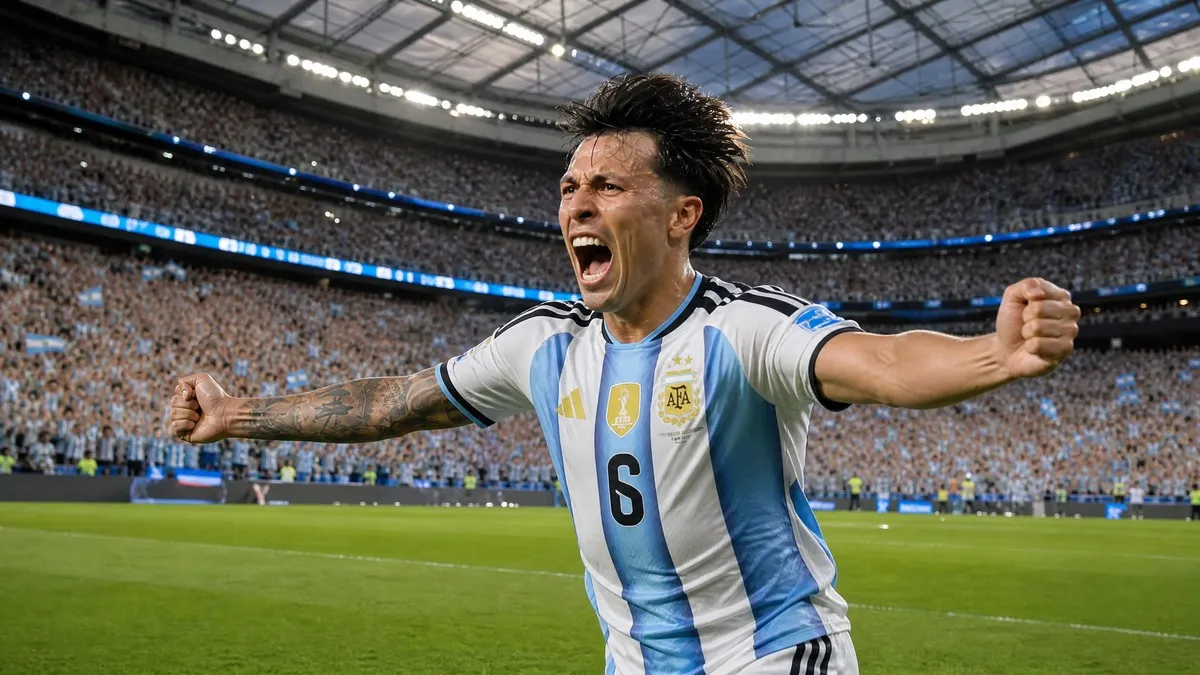
This Argentina vs Egypt tie has that proper knockout feel, even before you get to the football. Argentina are chasing back-to-back titles and they looked like champions again in that extra-time win over Cabo Verde, finding a way when it got messy. Egypt arrive with real momentum too after edging Australia on pens. No fluke. They stayed calm, defended their box, then held their nerve.
The reason this one bites is what it means for Egypt. They have not reached a World Cup quarter-final since 1934, which is basically ancient history in football terms. That drought adds weight to every decision, especially if they sit deep and try to nick it late. Hossam Hassan brings that old-school edge in leadership, while the current group have shown they can suffer for 120 minutes and still execute.
For Argentina, it still revolves around Lionel Messi, but not in the lazy way people talk about it. He is leading the Lionel Messi Golden Boot race because Argentina are building attacks that keep giving him touches in the danger zone. Egypt will likely crowd central lanes and tempt Argentina wide. The key is whether Argentina’s runners keep stretching the line so Messi can pick pockets between midfield and defence.
All of that is why Argentina vs Egypt World Cup tickets have become the story off the pitch. World Cup 2026 tickets are running on FIFA’s variable pricing, so fans see everything from around $60 group seats to eye-watering numbers up to $6,730 for the final. For this match, the bigger issue is supply. After the ticket lottery information cycles, what’s left is scraps, usually single seats or premium blocks.
If you are hunting Argentina match tickets now, be realistic about what “available” means. Expect constant refreshes, resale platforms with strict rules, and price jumps tied to demand spikes rather than face value. Egypt fans travelling in numbers will only tighten it further. Honestly, the best advice is decide your ceiling early, stick to official channels, and move fast when a legit block appears.
The Vozinha Messi World Cup exchange hit because it felt real. No cameras needed, no big speech. Just the best player of his generation taking a second to big up a keeper from a nation that rarely gets this stage. Cape Verde went out, sure, but they did it the hard way. They made Argentina work for it, and that changes how people remember a “round of 32” exit.
Vozinha’s numbers tell the story. Eighteen saves across the tournament is not a gimmick stat. It means he kept Cape Verde alive in games where the shot map probably looked like a heatwave in his box. His positioning looked calm, his hands were clean, and he didn’t chase moments. That is why the Vozinha Messi World Cup exchange landed. Messi knows when a keeper is actually seeing it well.
That draw with Spain was the turning point for how everyone viewed Cape Verde soccer. It wasn’t a lucky 0-0 where you cling on and pray. They showed structure, ran their transitions with purpose, and defended the middle like a team that had done its homework. When you do that against Spain, you earn respect. It also gave Vozinha a platform to look like a proper international keeper, not a one-game wonder.
The social media explosion is wild, but it also tells you something about modern football. A keeper can go from free agent to global name in a fortnight if the performances feel honest. Still, the real question is what comes next for him and for the Cape Verde football team. If Vozinha keeps this level at Chaves and Cape Verde keep building on this tournament, that World Cup 2023 run becomes a starting point, not a postcard.
World Cup 2026 ticket prices are already telling you what kind of summer this will be. A 48-team tournament means 104 matches, more host cities, and way more people thinking, “I can finally get to one.” The dates are locked, June 11 to July 19, and the demand has been wild. That’s why the early “cheap” seats start around $60, while the Final can hit $6,730.
The big shift now is access. The main lotteries have finished, so you are not really shopping in a normal on-sale window anymore. You are hunting. That changes how you should think about value. If you want cheapest World Cup tickets, you’re basically targeting group games in less glamorous slots, midweek, or at venues where local demand is softer. If you’re chasing knockouts, you’re paying for certainty and for the story.
FIFA ticket resale is the only sensible lane if you care about legitimacy. The official FIFA Resale/Exchange Marketplace is where tickets pop up as plans change, and that will happen a lot across a six-week tournament. Treat it like a queue at your favourite away end. Check often, move fast, and have your budget ceiling set before you click. A ticket purchasing guide for this phase is simple: be flexible on city and match, not on authenticity.
MetLife hosting key games is a big deal too, because it concentrates demand in the New York area, where every major event turns into a premium. It also feeds the dynamic pricing World Cup conversation, even if FIFA frames it through phases and categories. With 16 World Cup host cities across three countries, the smart play is building a trip around a city you actually want to be in, then letting the match ticket be the variable. That’s how you stay sane with World Cup 2026 ticket prices.
The 2026 World Cup drink breaks idea should be simple: if it’s roasting, you stop and you hydrate. The problem is FIFA making them mandatory for every match, then selling it as pure player welfare. FIFPRO pushing back matters because they’re usually the ones begging for common sense on heat, travel, and recovery. When the union says it didn’t ask for this blanket rule, it makes you look twice.
North America will bring real heat risk. Midday kick-offs in places like Texas or Mexico can be brutal, and we’ve seen tournaments where players look cooked by the hour mark. But heat management is meant to be targeted, not automatic. Most competitions already have thresholds, wet-bulb readings, and medical triggers. If every game gets the same breaks, you’re not responding to conditions, you’re building breaks into the product.
That’s where the Powerade sponsorship noise gets loud. Nobody’s against a drink sponsor. Football runs on sponsors. But the optics of compulsory stoppages with a branded hydration partner are rough, especially when the football knock-on effects are obvious. More interruptions shift momentum, help teams under pressure, and give coaches mini timeouts. Fans feel it too, because the rhythm goes and the game starts to look managed.
Then there’s the injury time argument. If drink breaks eat into stoppage time, you end up with less actual ball-in-play at the end, which is when matches often get messy and fun. FIFA saying refs haven’t been told to shorten things, and blaming stricter anti-time-wasting, feels like a dodge. If you add planned stoppages, you have to add planned compensation. Otherwise the 2026 World Cup drink breaks become a quiet trade-off: safety and sponsorship, paid for with minutes of football.
Morocco did everything you want in a World Cup knockout game against Canada, then the night turned the moment Ismael Saibari went down. Twenty minutes in, he was clutching his right thigh and you could tell straight away it was not one of those “walk it off” knocks. The Ismael Saibari injury sucked the air out of a 3-0 win that otherwise screamed control and maturity.
What makes it hit harder is how central he has become to Morocco’s rhythm. Saibari is the connector who turns a decent press into a proper trap, then carries the ball into the next phase without forcing it. With his Bayern Munich transfer reportedly around €50 million, the spotlight is brighter, but this is not about price tags. If the Ismael Saibari injury is a tear, Morocco lose their tempo-setter.
The good news is Morocco did not panic after he went off. They kept their spacing, protected the middle, and let Canada run into dead ends. Brahim Diaz had to do a bit more of the ball progression, and you could see Morocco simplify their choices in possession. Soufiane Rahimi’s late goal mattered because it showed depth and calm, not just reliance on one star to unlock games.
Now it turns into waiting for the Saibari update and adjusting for the quarter-finals. A minor strain and he might still play a part, even if managed. A serious hamstring issue and the whole midfield balance changes, especially against the winner of France-Paraguay where transitions punish you fast. Morocco’s World Cup story has been built on structure. The Ismael Saibari injury tests how flexible that structure really is.
Lionel Messi MLS World Cup is becoming its own little ecosystem now. You watch him rack up seven goals in a tournament and suddenly every casual in the States knows his face, his left foot, and his story. When that same guy is playing league matches on Saturday nights for Inter Miami, MLS gets a level of attention it never used to earn on merit alone.
The numbers matter, but the context matters more. Messi goals at the World Cup do not just live on highlight reels. They set expectations. Fans turning up to MLS for the first time want to see the tempo, the cleverness between the lines, the way he makes average attacks look sharp. That pressure can be healthy. It pushes opponents, coaches, and even referees to match the moment.
MLS growth also ties into timing. The league hitting 30 years while soccer in America is gearing up for a World Cup cycle is not a small thing. Garza’s point about representation lands because it is real. Kids do not just copy a player’s stepovers. They copy the idea that the sport is worth their time. Messi’s presence makes MLS feel like part of the global conversation, not a side quest.
And the diversity angle is not fluff. MLS is built on squads full of different football educations, from South America to Europe to Africa and homegrown academies. That mix can look messy, but it is also the league’s identity. Lionel Messi MLS World Cup attention acts like a spotlight on that identity. If MLS can turn new eyeballs into real habits, Inter Miami becomes the gateway, not the whole story.
Make sure to keep an eye on the World Cup action today. With ticket prices climbing and matchups heating up, there's no shortage of drama.

Julian Mercer is a lifelong student of the game whose passion for football was sparked at an early age, after stepping onto the grass of Camp Nou as a six-year-old — a moment that left a lasting impression and set him on a permanent path into the sport. Since then, football has been both his lens on the world and his favourite language. Blending traditional fandom with a deep interest in tactics, squad building, and long-term team development, Julian has spent decades analysing the game from every angle. His fascination with football strategy was further shaped through years of immersive play in Football Manager, a series he has followed since the mid-1990s, developing a sharp eye for patterns, player profiles, and the fine margins that define success. At My World Of Football, Julian focuses on the stories beneath the surface — from tactical evolutions and managerial philosophies to the narratives that connect clubs, players, and supporters across generations. His writing aims to balance insight with accessibility, always grounded in a genuine love for the game.
Continue reading more football news