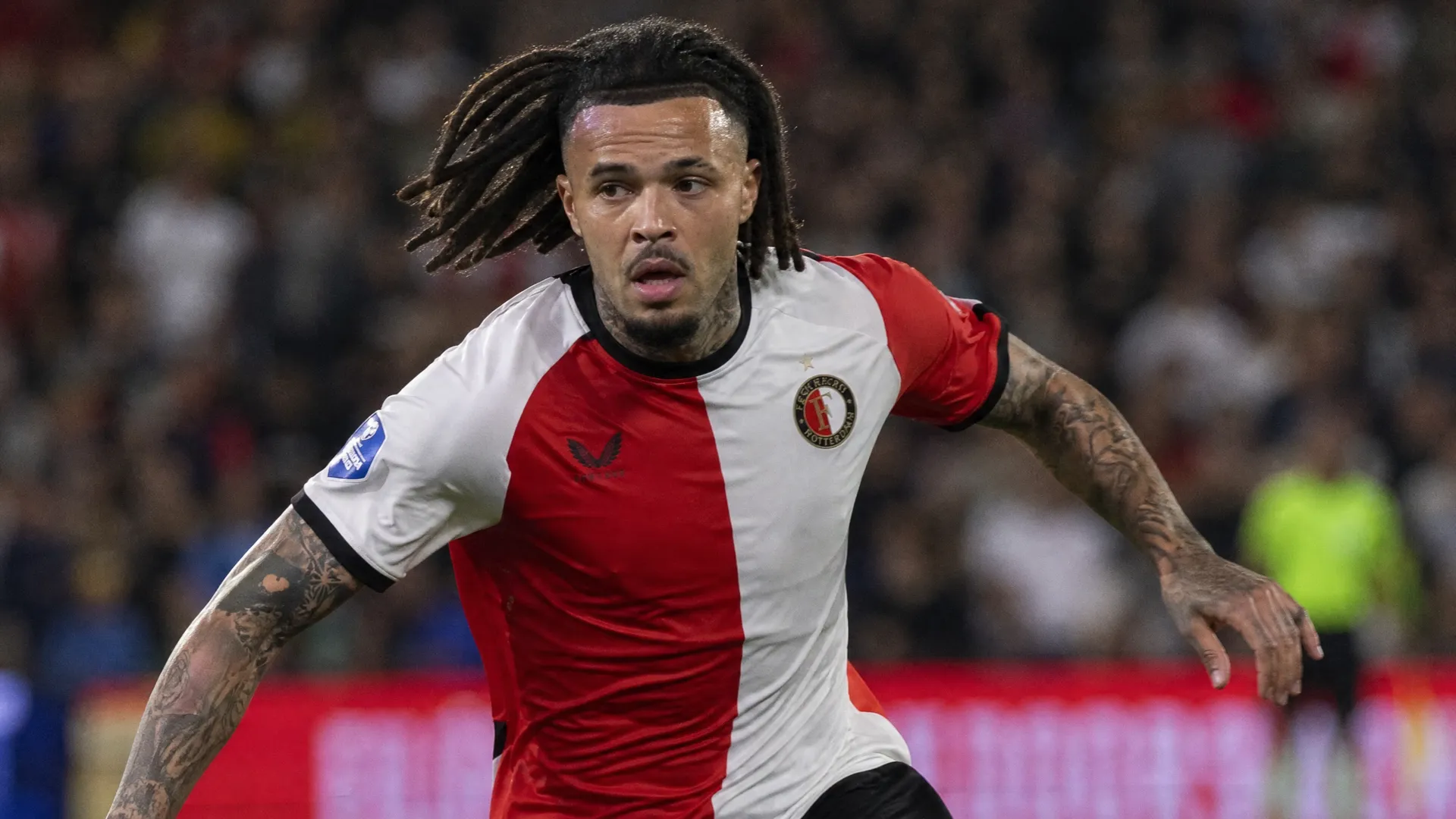
Davis Opoku transfer news: Feyenoord track Leuven gem
Davis Opoku transfer news as Feyenoord monitor OH Leuven’s 18-year-old right-back amid Porto interest, rejected bid, and Rotterdam squad plans.
Davis Opoku transfer news as Feyenoord monitor OH Leuven’s 18-year-old right-back amid Porto interest, rejected bid, and Rotterdam squad plans.
There’s a familiar hum around De Kuip whenever Feyenoord start scanning the market for the next high-upside defender, and this summer that hum has a name: Davis Opoku. The 18-year-old right-back at OH Leuven has gone from early-season debutant to weekly talking point in Belgium, and the latest Davis Opoku transfer news suggests Rotterdam are watching closely. With 23 official appearances already, he’s become a Jupiler Pro League prospect clubs can’t ignore.
Feyenoord’s recruitment department has built a reputation for moving early on emerging profiles, and the Davis Opoku transfer news fits that pattern perfectly. Opoku has logged 23 official matches since debuting in October, a workload that tells you Leuven trust him in real situations, not just cameos. For Feyenoord, that matters because they want players who’ve already handled pressure, tempo shifts, and tactical demands week after week.
What makes the Feyenoord interest in Opoku feel more than casual is the context at right-back in Rotterdam. Givairo Read and Jordan Lotomba are both mentioned in internal planning as potential departure or reshuffle candidates, and that creates urgency without panic. The Davis Opoku transfer news is therefore less about a shiny new toy and more about squad architecture: a young Belgian defender who can be developed into a long-term starter while competing immediately.
Technical director Dévy Rigaux is said to be particularly impressed with Opoku’s ceiling, and that detail is important because Feyenoord’s best signings often have a clear internal champion. The Feyenoord interest in Opoku aligns with their model: recruit a Jupiler Pro League prospect before the price inflates, then refine decision-making, positioning, and final-ball quality in a high-intensity system. In that sense, the Davis Opoku transfer news reads like a calculated investment rather than a gamble.
In scouting terms, 23 official matches at 18 is a meaningful sample, because it exposes a player to different game states: leading, chasing, defending deep, and managing transitions. OH Leuven have effectively fast-tracked Opoku’s education, and the Davis Opoku transfer news reflects how quickly the market reacts to that kind of responsibility. For Feyenoord, it reduces uncertainty, because they can evaluate consistency, recovery runs, and duel habits across varied opponents.
Calling Opoku an OH Leuven talent is accurate, but it undersells how modern his right-back profile looks when you watch him. He’s not just a touchline runner; he’s comfortable stepping into midfield zones, receiving under pressure, and keeping the ball moving with short combinations. The Jupiler Pro League prospects list is full of athletes, yet Opoku’s appeal in the Davis Opoku transfer news is that he blends athletic recovery with calm distribution.
Defensively, Opoku’s biggest selling point is how quickly he resets after the first action. When he gets drawn out, he doesn’t switch off; he sprints to recover shape and re-engage, which is crucial in teams that press and leave space behind. That’s partly why Feyenoord interest in Opoku makes sense, because Rotterdam’s system asks full-backs to be brave in stepping up while still protecting the channel in transition. The Davis Opoku transfer news is really about system fit.
In possession, Opoku can provide classic width, but he also shows the awareness to underlap when the winger stays wide, acting as a “third man” in build-up. That movement creates cutback angles and forces defenders to make uncomfortable decisions, and it’s exactly the kind of pattern Feyenoord coach staffs love to rehearse. The Davis Opoku transfer news is fueled by that tactical flexibility, because it suggests he can adapt to multiple right-sided partnerships.
He’s not the finished product, and that’s the point: the timing in duels and the choice of when to engage can still be refined, especially against elite wingers who bait contact. But scouts like seeing a player who already competes, corrects mistakes, and doesn’t hide after a bad moment. In the Davis Opoku transfer news cycle, those details matter, because they separate a highlight-reel full-back from a coachable long-term starter among young Belgian defenders.
The storyline took a sharper edge when FC Porto entered the picture with a structured proposal. The FC Porto transfer bid was reported as a loan with a purchase option in the region of five million euros, a common approach for a club that wants upside without full immediate commitment. OH Leuven rejected that initial offer, and the Davis Opoku transfer news instantly became less about scouting admiration and more about negotiation leverage and timing.
Leuven’s refusal doesn’t mean Opoku is untouchable; it means they believe the value is higher or the structure needs to protect them better. For a club developing Jupiler Pro League prospects, selling too early on a soft option can feel like giving away the next breakout at a discount. The Davis Opoku transfer news now sits at the crossroads of ambition and pragmatism: Leuven want to keep competing, but they also know a strong summer window can transform their budget.
Rejecting the FC Porto transfer bid is also about control. A loan with an option hands power to the buying club, because they can delay the final decision while benefiting from the player’s development and exposure. Leuven’s stance in the Davis Opoku transfer news suggests they prefer either a stronger guaranteed fee, a mandatory clause, or add-ons that reflect future potential. And on the sporting side, losing a starting right-back mid-project can destabilize a young squad.
For Feyenoord, Porto’s attempt sets a public reference point, even if Leuven didn’t accept it. It tells everyone that a Champions League-level club sees Opoku as a serious asset, and that tends to pull more suitors into the conversation. The Davis Opoku transfer news therefore becomes more competitive, and Feyenoord may need to act decisively with a clearer pathway and a more convincing package. In modern markets, hesitation often costs more than boldness.
Every transfer story is ultimately about squad math, and Feyenoord’s right-back situation has enough variables to keep analysts busy. Givairo Read is a name that can attract interest, while Jordan Lotomba’s future could hinge on tactical preferences, fitness considerations, or market opportunities. In that environment, the Davis Opoku transfer news reads as proactive planning: secure an OH Leuven talent early, then decide whether to sell, rotate, or restructure the current options.
Feyenoord also have to balance development with immediate performance, especially if they expect to fight on multiple fronts again. A young Belgian defender like Opoku can be integrated with managed minutes, but he also needs a pathway that feels real, not theoretical. That’s why the Feyenoord interest in Opoku is tied to clarity: if Read or Lotomba leaves, the door opens; if both stay, the club must sell the project as a gradual takeover. The Davis Opoku transfer news hinges on that message.
Opoku would offer Feyenoord a right-back who can play at speed without turning every action into a sprint, which is a subtle but valuable trait. He can hold width, rotate inside, and still recover in transition, allowing the right winger to take more risks knowing the lane is protected. In the Davis Opoku transfer news context, that versatility is gold, because it means he can fit different game plans: high press at home, more controlled away legs, and late-game management.
The hardest part of any move for an 18-year-old is not the fee, it’s the minutes. Feyenoord are good at selling a development story, but they still need to win now, and coaches default to reliability when the stakes rise. The Davis Opoku transfer news will therefore be shaped by assurances: cup starts, rotational league minutes, and a clear training plan tailored to his weaknesses. If Feyenoord can present that convincingly, they gain an edge over clubs offering only a bench role.
Opoku’s contract runs for two more years, a detail that gives OH Leuven leverage but not unlimited power. With two years left, Leuven can still demand a strong fee, yet they also know the window to maximize value is now or next summer, not at the end. That’s why the Davis Opoku transfer news feels active rather than speculative: the timeline pushes all parties toward decisions, even if they prefer patience.
From Feyenoord’s perspective, this is the sweet spot for recruitment. The player is established enough to justify investment, but not so locked down that the selling club can dictate an outrageous number without consequence. The Feyenoord interest in Opoku will likely revolve around structure: an upfront fee that respects Leuven’s stance, plus add-ons tied to appearances, European qualification, or a future sale percentage. In Davis Opoku transfer news terms, those mechanisms often decide who wins the race.
Leuven can point to the FC Porto transfer bid as a baseline and argue that a straight sale should exceed an option figure, especially for a starter with youth international status. They may also push for a sell-on clause, which is common when clubs move Jupiler Pro League prospects to bigger leagues. In the Davis Opoku transfer news, expect talk of performance add-ons and a guaranteed minimum, because Leuven will want protection if Opoku explodes in Europe.
Feyenoord’s pitch is powerful: a clear route to European nights, a fanbase that amplifies young players, and a track record of turning smart signings into major moves. For Leuven, that pathway matters because it increases the chance of a profitable future sale if a sell-on clause exists. The Davis Opoku transfer news will therefore include more than money; it will include sporting assurances, training infrastructure, and a plan to refine the exact details that top clubs still want from young Belgian defenders.
Transfers rarely move in straight lines, and this one has multiple plausible endings. Leuven could hold firm and keep Opoku for another season, betting that his value rises with more starts and stronger performances. Feyenoord could accelerate talks if they sense movement around Read or Lotomba, while Porto may return with a revised structure that Leuven can accept. The Davis Opoku transfer news is therefore best read as a developing saga rather than a single headline.
One factor that often decides these races is the player’s own preference, especially when the options are all credible. Opoku may prioritize a club where he can play quickly, or he may choose the biggest stage even if it means patience. Feyenoord interest in Opoku suggests they believe their environment can offer both: competitive minutes and a steep development curve. If Leuven open the door, the Davis Opoku transfer news could shift rapidly from monitoring to formal negotiations.
The first outcome is a direct sale to Feyenoord with a balanced package: upfront fee, add-ons, and a sell-on percentage that satisfies Leuven’s valuation. The second is Porto returning with a stronger proposal, perhaps turning the option into an obligation, which would change Leuven’s stance. The third is no move at all, with Leuven keeping their OH Leuven talent and inviting a bidding war later. In every scenario, Davis Opoku transfer news will keep bubbling because the fundamentals—age, minutes, profile—don’t change.
Right-backs with senior minutes at 18 don’t stay under the radar, and clubs know that waiting invites competition. Feyenoord’s squad planning, Porto’s early strike, and Leuven’s contract timeline combine into a classic market moment where decisions are forced by circumstance. That’s why the Davis Opoku transfer news has momentum: it’s rooted in real matches played, real bids made, and real positional needs. For fans, it’s the kind of story that can flip from whispers to a medical in days.
Whatever the final destination, Opoku’s rise has already become one of the season’s most intriguing Belgian development stories, and it’s easy to see why scouts keep turning up. Feyenoord will continue weighing the right-back dominoes around Givairo Read and Jordan Lotomba, while Leuven try to protect both their sporting level and their bargaining power. Expect Davis Opoku transfer news to keep evolving as summer decisions sharpen, because this is exactly how modern recruitment works: early identification, competitive pressure, and a race to secure tomorrow’s starter today.
Julian Mercer is a lifelong student of the game whose passion for football was sparked at an early age, after stepping onto the grass of Camp Nou as a six-year-old — a moment that left a lasting impression and set him on a permanent path into the sport. Since then, football has been both his lens on the world and his favourite language. Blending traditional fandom with a deep interest in tactics, squad building, and long-term team development, Julian has spent decades analysing the game from every angle. His fascination with football strategy was further shaped through years of immersive play in Football Manager, a series he has followed since the mid-1990s, developing a sharp eye for patterns, player profiles, and the fine margins that define success. At My World Of Football, Julian focuses on the stories beneath the surface — from tactical evolutions and managerial philosophies to the narratives that connect clubs, players, and supporters across generations. His writing aims to balance insight with accessibility, always grounded in a genuine love for the game.
Continue reading more football news