Myworldoffootball
Manchester United Glazer era flops: costly deals
A deep dive into Manchester United Glazer era flops, from Maguire to Mkhitaryan, and why INEOS and Sir Jim Ratcliffe could change the script.
A deep dive into Manchester United Glazer era flops, from Maguire to Mkhitaryan, and why INEOS and Sir Jim Ratcliffe could change the script.
For nearly two decades, Manchester United lived in the strange contradiction of being both rich and restless. The Glazer family arrived in 2005 via a £790m leveraged buyout, then watched the club become a global revenue machine while supporters protested, sighed, and kept showing up anyway. Now, with Sir Jim Ratcliffe and INEOS buying 25% in early 2024, the mood has shifted from anger to wary curiosity. To understand why, you have to revisit the Manchester United Glazer era flops that turned huge fees into hard lessons.
The Glazer family’s takeover didn’t just change Manchester United’s balance sheet; it changed the emotional contract between club and crowd. Debt payments and dividends became part of the conversation, and every transfer window felt like a referendum on ownership rather than a football plan. Even when money flowed, it often arrived without clarity, which is why Manchester United Glazer era flops still sting. Fans didn’t just want signings; they wanted a coherent sporting direction.
It’s important to acknowledge the paradox: United did win 13 major trophies under the Glazers, and the squad was regularly refreshed in the Ferguson years. Yet the post-2013 period exposed how spending can become reactive, even panicked, when identity fades. The club’s recruitment started to resemble a highlights reel rather than a blueprint, and “statement signing” became code for “please calm down.” That’s the ecosystem where Manchester United Glazer era flops multiplied.
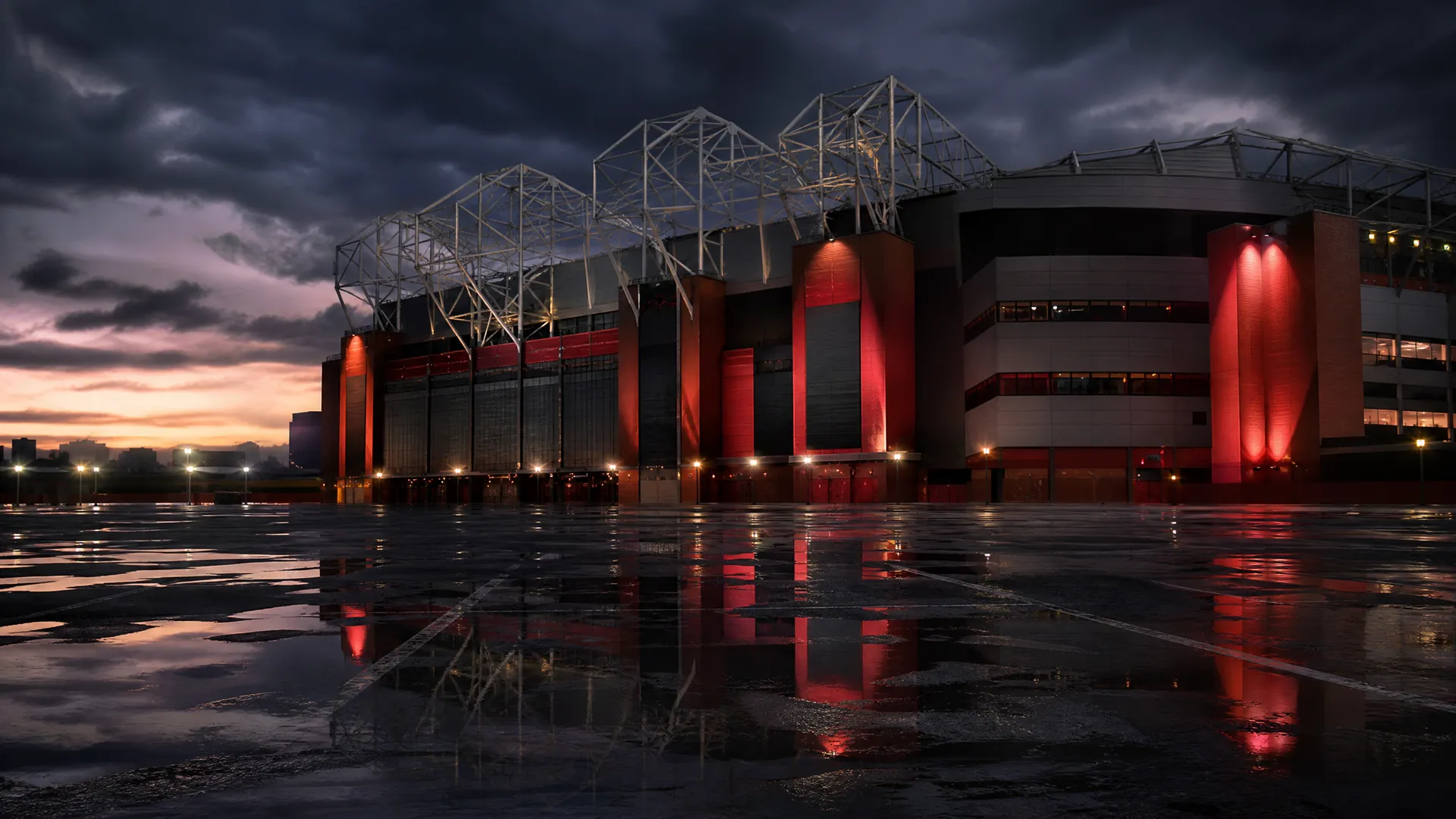
Supporters have long argued that Old Trafford expansion and modernisation should have been a priority, not a distant promise. Instead, leaks, outdated concourses, and training-ground comparisons with rivals became symbols of drift. When facilities lag, recruitment pressure rises: you try to buy solutions that should be grown. In that sense, Manchester United Glazer era flops aren’t only about players; they’re about the environment those players walked into.
Fan disillusionment doesn’t just live on banners and social media; it seeps into the club’s daily weather. Players arrive knowing the stadium can turn quickly, because frustration is pre-loaded from years of football controversies and boardroom noise. That tension becomes a tax on performance, especially for high-fee signings expected to “fix” everything. Many Manchester United Glazer era flops were talented footballers who landed in a storm, not a system.
When Sir Alex Ferguson retired in 2013, he didn’t just leave a vacancy; he left a protective layer that had masked structural weaknesses. The club’s decision-making became fragmented, with managers arriving with different styles and transfer preferences. Each reset demanded new players, and each new group struggled to fit the previous group’s leftovers. That churn is the breeding ground for Manchester United Glazer era flops, because the club kept buying for today and regretting it tomorrow.
Spending more than £2bn on transfers should, in theory, buy stability, but football doesn’t work like a supermarket. If the scouting, coaching, and long-term planning aren’t aligned, you end up collecting expensive parts that don’t form a working machine. United’s rivals built identities—pressing, possession, youth pipelines—while United often built narratives. The result was a familiar cycle: hype, pressure, dip, blame, and another round of Manchester United Glazer era flops.
David Moyes, Louis van Gaal, José Mourinho, Ole Gunnar Solskjær, and Erik ten Hag all wanted different things, and the recruitment reflected it. One summer brought technicians, the next brought transition runners, the next brought physical enforcers, often without a shared language. Players who looked perfect in one manager’s plan became awkward fits under the next. That’s how Manchester United Glazer era flops can be both predictable and painful: the context keeps changing.
United’s commercial power sometimes blurred the line between player investments and marketing moves. A big name could sell shirts, dominate headlines, and buy time for executives, even if the tactical need was questionable. That doesn’t mean every star signing was cynical, but the incentives were messy. In that climate, Manchester United Glazer era flops weren’t always about effort; they were often about a club trying to win the week instead of the season.
Harry Maguire’s arrival from Leicester for £80m made him the world’s most expensive defender, and that price tag became a spotlight he could never switch off. He wasn’t signed to be good; he was signed to be transformative, a defensive cornerstone who would restore authority. Early on, he played plenty of minutes and offered aerial strength, but the narrative hardened fast. Among Manchester United Glazer era flops, his story is the clearest example of fee-driven expectation crushing nuance.
Maguire’s struggles were magnified by tactical instability and constant defensive reshuffles. United often defended in ways that exposed his lack of recovery pace, while the midfield protection in front of him fluctuated wildly. Confidence became a public issue, and the captaincy added another layer of scrutiny. When fans list Manchester United Glazer era flops, they often forget the club also failed to build the platform that would have made his best qualities shine.
Old Trafford can be a sanctuary when the crowd believes, but it becomes unforgiving when it senses uncertainty. Maguire’s errors were clipped, looped, and weaponised online, turning football analysis into entertainment at his expense. That noise inevitably spills into the stadium, where every touch becomes a test. The Manchester United Glazer era flops conversation often turns cruel here, because supporters are really venting about years of drift through one player’s moments.
Maguire’s case raises the uncomfortable question: did United buy the right player for the wrong plan, or the wrong player for the right plan? He excelled in systems with a deeper line and clear structure, yet United frequently asked him to defend space like a sprinter. Better coaching alignment might have protected him, but United rarely offered that continuity. That’s why Manchester United Glazer era flops aren’t simply “bad buys”; they’re often mismatched bets.
Anderson arrived from Porto in 2007 with the glow of a future superstar, a midfielder who seemed to blend Brazilian flair with European steel. In the early years, he contributed to a trophy-laden side and had nights where his talent looked undeniable. Yet his development stalled, and fitness concerns became a recurring theme. In the wider list of Manchester United Glazer era flops, Anderson is a reminder that even in successful teams, potential can evaporate without the right habits.
It’s also true that Anderson’s United career happened across two eras: the disciplined machine under Ferguson and the uncertainty that followed. He never became the dominant central midfielder the club imagined, and his influence faded as the squad evolved. The disappointment isn’t that he was useless; it’s that he never became essential. That’s why Manchester United Glazer era flops include players who won medals but still feel like missed opportunities.
United identified Anderson’s ceiling, but the club struggled to build the pathway that would take him there consistently. Injuries, conditioning, and role clarity all played their part, and midfield partnerships shifted around him. Great clubs don’t just buy talent; they engineer environments that protect it from drift. When people debate Manchester United Glazer era flops, Anderson’s name surfaces because he represents a broken bridge between promise and peak performance.
For years, United were judged against the standards set by Roy Keane, Paul Scholes, and Michael Carrick, and Anderson was sometimes framed as the next great conductor. That comparison was unfair, but it was also inevitable at a club addicted to continuity. When he didn’t become that figure, the gap in midfield identity widened. Manchester United Glazer era flops often reflect that broader issue: replacing legends is hard, but replacing the plan is harder.
Henrikh Mkhitaryan arrived from Borussia Dortmund in 2016 with a résumé that screamed productivity: goals, assists, and clever movement between lines. Yet his United career never found a stable rhythm, swinging between brief bursts of brilliance and long stretches of uncertainty. He looked like a player thinking too much, trapped between roles and instructions. In the catalogue of Manchester United Glazer era flops, Mkhitaryan stands out because the talent was obvious, but the fit was not.
His time under José Mourinho was defined by tactical caution and selection volatility, which can be fatal for a confidence-based creator. When you’re a player who thrives on instinct, you need consistent cues: where to receive, who runs beyond, what risks are encouraged. United rarely offered that clarity, and the Premier League’s intensity punished hesitation. The Manchester United Glazer era flops discussion often forgets how many creative players arrived to a team built to survive, not to express itself.
Mkhitaryan’s exit to Arsenal in the swap deal for Alexis Sánchez became a neat headline, but it also underlined how quickly United moved on from expensive mistakes. Swaps can hide losses, yet they rarely solve the underlying recruitment logic. The deal felt like two clubs exchanging disappointments and hoping for a reset. For fans tracking Manchester United Glazer era flops, it was another moment where the club seemed to treat elite careers like tradeable assets rather than integrated pieces.
Not every star from abroad translates smoothly, but adaptation becomes easier when a team has a clear playing identity. Mkhitaryan needed patterns, automatisms, and teammates making complementary runs, yet United’s attack often relied on individual moments. That forced him into low-percentage decisions and exposed his physical limitations. If Manchester United Glazer era flops teach anything, it’s that “quality” isn’t universal; it’s contextual, and context is something United too often forgot to build.
Sir Jim Ratcliffe and INEOS arriving with a 25% stake in early 2024 doesn’t erase the past, but it does signal a potential shift in football control and accountability. Supporters have heard promises before, yet this move has been framed as a sporting reset rather than a purely financial manoeuvre. The challenge is simple to describe and hard to execute: stop wasting money. The Manchester United Glazer era flops won’t vanish from memory, but they can become reference points rather than recurring episodes.
The next phase will be judged on recruitment discipline, squad balance, and whether the club finally treats infrastructure as performance, not decoration. Old Trafford expansion and training-ground upgrades matter because they influence player attraction, recovery, and culture. If United modernise the environment, they reduce the need for panic buys that “prove ambition.” Ultimately, the antidote to Manchester United Glazer era flops is a club that knows exactly what it is, then recruits accordingly.
For years, United’s headlines were as much about ownership protests and boardroom drama as they were about tactics. That constant noise drains focus and makes every defeat feel like evidence of institutional failure. A competent sporting structure can’t stop criticism, but it can stop chaos from becoming routine. If INEOS can reduce the football controversies, the club may finally create the calm conditions that prevent future Manchester United Glazer era flops.
United’s biggest errors often came when they bought players to be saviours rather than specialists. The modern game rewards squads built with complementary profiles, where each signing solves a specific problem within a stable system. That requires patience, data, scouting, and the humility to walk away from a deal. If Ratcliffe’s era is to mean anything, it will be defined by breaking the cycle that produced Manchester United Glazer era flops, not by winning one glamorous transfer window.
The Glazer family era will always be argued in extremes: enormous revenue, undeniable trophies, and a fanbase that felt unheard while watching standards slip. Yet the most telling legacy might be the transfer record, where over £2bn of spending produced too many mismatched pieces and too few foundations. The Manchester United Glazer era flops—Maguire, Anderson, Mkhitaryan, and others—are less a list of villains than a mirror held up to a club without a steady plan. If INEOS can build that plan, United’s money might finally start behaving like wisdom.

Julian Mercer is a lifelong student of the game whose passion for football was sparked at an early age, after stepping onto the grass of Camp Nou as a six-year-old — a moment that left a lasting impression and set him on a permanent path into the sport. Since then, football has been both his lens on the world and his favourite language. Blending traditional fandom with a deep interest in tactics, squad building, and long-term team development, Julian has spent decades analysing the game from every angle. His fascination with football strategy was further shaped through years of immersive play in Football Manager, a series he has followed since the mid-1990s, developing a sharp eye for patterns, player profiles, and the fine margins that define success. At My World Of Football, Julian focuses on the stories beneath the surface — from tactical evolutions and managerial philosophies to the narratives that connect clubs, players, and supporters across generations. His writing aims to balance insight with accessibility, always grounded in a genuine love for the game.
Continue reading more football news