Myworldoffootball
Marcus Rashford transfer news: Barca out, Bayern in
Marcus Rashford transfer news: Barcelona won’t trigger the €30m option after a strong loan. Bayern Munich eye a €40m bid as United waits.
Marcus Rashford transfer news: Barcelona won’t trigger the €30m option after a strong loan. Bayern Munich eye a €40m bid as United waits.
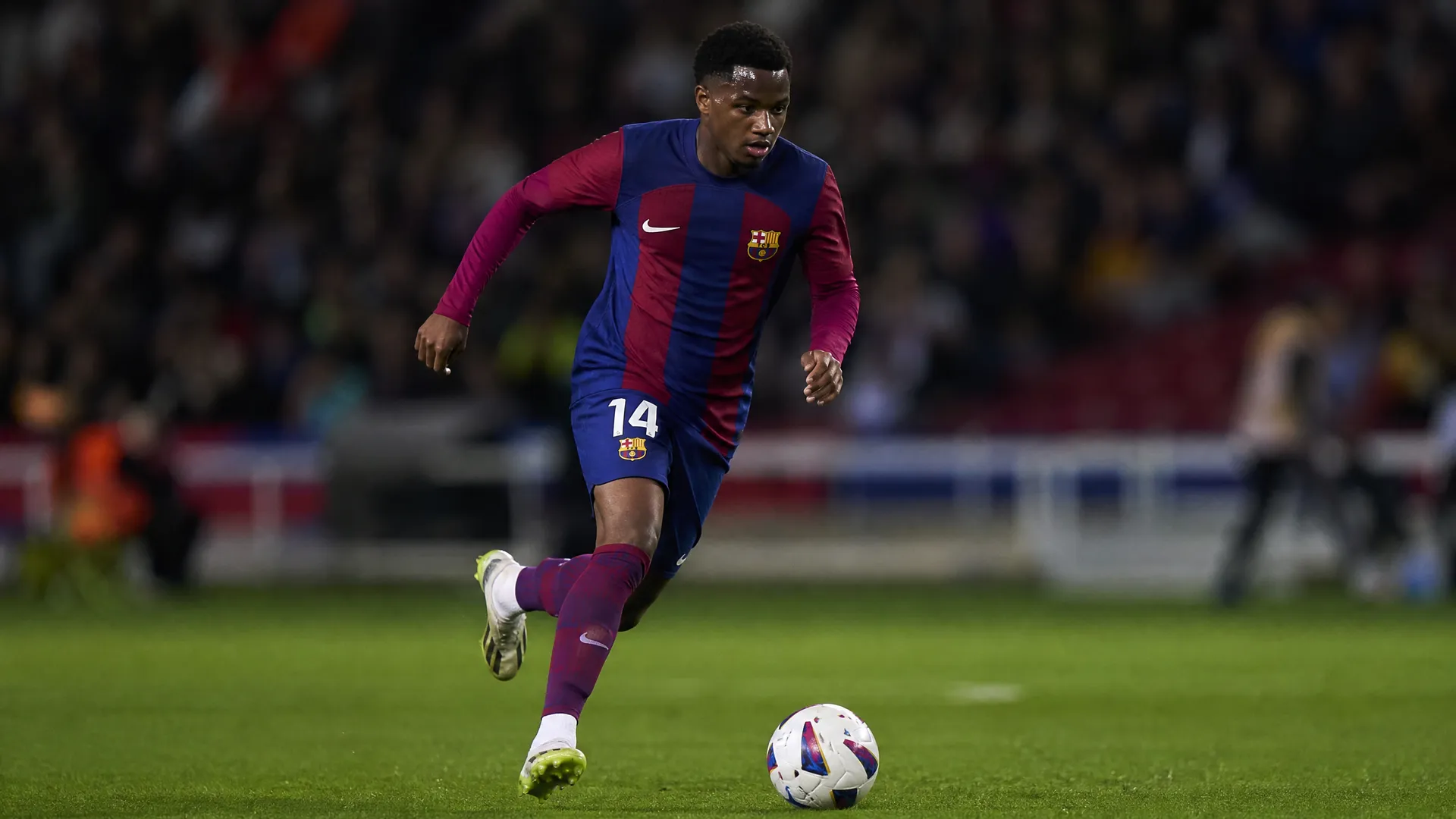
Marcus Rashford transfer news has taken another sharp turn, and it’s the kind that leaves fans scanning every update for clues. After a productive loan spell at Barcelona that delivered 28 goal contributions, the expectation was simple: trigger the €30m option and keep the forward in Catalunya. Instead, Barcelona have decided to walk away, pointing to squad balance, age profile, and finances. Now Rashford heads back to Manchester United, with Bayern Munich circling and a bigger fee suddenly on the table.
Barcelona’s decision not to activate the €30m purchase option is the headline that reshapes this summer’s Marcus Rashford transfer news. For a club that often leans on opportunism, the loan deal looked like a rare clean path to securing an elite attacker at a manageable price. Yet Barcelona’s internal assessment has reportedly concluded that the squad needs different profiles, even if Rashford’s output was strong. It’s a cold call, but it’s also very Barcelona in 2026.
What makes the decision feel jarring is how well the loan appeared to function on the pitch and in the dressing room. Rashford’s pace and directness gave Barcelona a transition threat they’ve lacked, and his combination play around the left half-space often unlocked compact La Liga blocks. Still, Marcus Rashford transfer news isn’t written by highlight reels alone, and Barcelona’s recruitment team is weighing long-term squad planning over short-term satisfaction. That’s the gamble they’re taking.
Loan deals can be deceptive, because they often arrive with low immediate risk and high short-term motivation. Rashford had a point to prove, Barcelona had a tactical need, and the environment was primed for a productive run of form. But once the season ends, the decision becomes less emotional and more structural, especially at a club managing wage ceilings and political pressure. In that context, Marcus Rashford transfer news becomes a spreadsheet story as much as a football one.
On paper, €30m for a forward who can win games alone sounds like a bargain in a market inflated by scarcity. Barcelona, however, have to evaluate total cost, not just the fee, and that includes salary, bonuses, and the opportunity cost of blocking younger assets. If the club believes the same budget can cover multiple needs, the “bargain” becomes less obvious. That’s why Marcus Rashford transfer news is suddenly about priorities rather than price tags.
Rashford’s numbers—28 goal contributions across competitions—tell a story of a player reconnected with his strengths. He wasn’t just finishing chances; he was creating them by forcing defenders to turn and run, stretching back lines that prefer to hold position. Barcelona’s best spells often came when Rashford pushed the tempo, giving midfielders a vertical outlet rather than another sideways reset. In Marcus Rashford transfer news terms, this was a loan deal that did its job.
Beyond raw output, Rashford’s value showed up in game state moments: late counters, quick switches, and the kind of direct carries that change the emotional temperature inside a stadium. Barcelona have long been a possession-first side, but modern elite football demands a second identity for chaotic phases. Rashford provided that alternative, especially when matches became ragged. It’s why Marcus Rashford transfer news feels confusing to fans who watched him tilt games with one sprint.
Rashford’s best Barcelona performances came when he started wide but attacked diagonally, dragging full-backs inward and opening lanes for overlapping runs. That movement created spacing for midfielders to arrive late, and it also gave Barcelona a more credible counterpunch when opponents committed numbers forward. In a league where many teams defend deep, the threat of a single burst behind the line can shift an entire defensive plan. Marcus Rashford transfer news reflects that he fit, but not perfectly.
Confidence is not a statistic, but it’s often the difference between a good forward and a game-breaker. Rashford looked freer at Barcelona, embracing responsibility in big moments rather than playing within himself. Teammates fed off that directness, because it offers clarity: give him the ball, run beyond him, and the move has purpose. That’s why Marcus Rashford transfer news is so loaded—Barcelona are rejecting not just output, but momentum.
One of the most revealing angles in this Marcus Rashford transfer news cycle is the emphasis on Anthony Gordon’s defensive work. Barcelona’s staff have become increasingly obsessed with pressing cohesion and rest-defense structure, especially against Champions League-level transitions. Gordon, for all his rough edges, has built a reputation as a relentless presser who tracks runners and protects his full-back. If Barcelona believe that work rate is non-negotiable, Gordon’s profile becomes a decisive comparison point.
This isn’t necessarily an indictment of Rashford’s effort, but it is a comment on what Barcelona want their wide players to be. They’ve been burned in Europe by teams that lure their wingers high and then attack the space behind them, forcing emergency defending. Gordon’s willingness to sprint back, close passing lanes, and accept ugly defensive tasks can be seen as “system insurance.” In Marcus Rashford transfer news terms, Barcelona are buying stability, even if it costs them flair.
Elite clubs now recruit with a clear view of how attackers defend, because the best teams spend long stretches without the ball in high-stakes matches. Barcelona’s analysts will look at counter-press recoveries, defensive duels in wide zones, and the frequency of tracking runs into the final third. Gordon scores well in those areas, and that can outweigh pure attacking output when the aim is structural control. Marcus Rashford transfer news is revealing how much defending defines modern stardom.
Even if Barcelona admired Rashford, Gordon’s presence changes the internal logic of minutes and money. If Gordon is expected to start or play heavy minutes, Rashford becomes either a costly rotation option or a player forced into unfamiliar roles. Barcelona cannot afford expensive redundancy, particularly when the club is trying to keep wage commitments aligned with financial regulations. That’s the practical reason Marcus Rashford transfer news has shifted from “keep him” to “thank you and goodbye.”
Age is a sensitive topic in football because it’s often weaponised, but it remains central to Barcelona’s decision-making. Rashford is no veteran, yet he sits outside the ideal “buy now, peak later, sell high” bracket that many clubs use to manage sustainability. Barcelona’s rebuild has leaned toward younger assets who can grow into the shirt and preserve resale value. In Marcus Rashford transfer news, that age profile becomes a silent veto, regardless of current form.
Barcelona’s broader squad planning also matters, because they are trying to balance academy pathways with targeted signings. If a club believes a younger winger can reach 80% of Rashford’s output within a year or two, the temptation is to invest in development rather than purchase. That doesn’t mean Rashford isn’t good enough; it means Barcelona are choosing a different kind of risk. Marcus Rashford transfer news is, in this sense, a story about timelines.
Clubs often talk about signing players entering their prime, but the definition changes depending on finances. A cash-rich club can pay for prime performance and accept limited resale, while a constrained club needs value retention. Barcelona, still operating under financial scrutiny, are more likely to justify fees through multi-year amortisation logic and future flexibility. That makes Rashford’s purchase harder to defend internally, which is why Marcus Rashford transfer news keeps pointing back to age and planning.
From Manchester United’s perspective, the key is avoiding a summer of uncertainty that erodes value and focus. Rashford returning from a successful loan could be a selling point, but only if United act decisively and set a clear price and timeline. If the club hesitates, the market senses vulnerability, and negotiations get messier. Marcus Rashford transfer news now becomes a test of United’s discipline: either integrate him with conviction or sell him with intent.
Barcelona stepping away is not just about tactics; it’s also about money in the most straightforward sense. Even at €30m, the full package of wages, agent fees, and performance bonuses can push a deal into uncomfortable territory. Barcelona have been here before, signing players they admire and then struggling to register them cleanly. In Marcus Rashford transfer news, the financial layer is the one that makes the sporting logic feel secondary, even when it isn’t.
Enter Bayern Munich, reportedly willing to pay €40m—an immediate escalation that changes the negotiating dynamics. Bayern can offer a different kind of stability: clear registration, predictable wages, and a squad built to compete deep into the Champions League. For Manchester United, that’s a tempting outcome because it exceeds what Barcelona would have paid. Marcus Rashford transfer news is now shaped by a simple contrast: Barcelona’s constraints versus Bayern’s capacity and intent.
Market logic isn’t universal; it depends on squad needs and league context. Bayern may see Rashford as a high-ceiling solution for pace in behind, especially in Bundesliga matches where opponents sit in mid-blocks and invite wide isolation. They also have a track record of maximising elite athletes in structured systems, turning direct runners into consistent producers. That’s why Marcus Rashford transfer news can feature two clubs valuing the same player so differently within weeks.
Harry Kane’s presence alters Bayern’s recruitment logic because it creates a win-now window that demands immediate supporting quality. A forward line with Kane as the reference point benefits from runners who can exploit the spaces his movement creates and punish teams that overcommit to stopping him. Rashford’s vertical threat could be a perfect complement, providing depth and speed around Kane’s linking play. In Marcus Rashford transfer news, that tactical synergy is a major reason Bayern’s interest feels credible.
The next stage of Marcus Rashford transfer news will be defined by leverage, and right now it’s split. Manchester United can point to Rashford’s revived production and Bayern’s reported €40m willingness, but buyers will also know United are managing squad turnover and may need sales to fund other moves. Rashford, meanwhile, holds personal leverage through contract terms and preferred destination. The situation is fluid, and that usually means a deal takes time.
If Bayern formalise interest, the conversation quickly becomes about structure: upfront fee versus add-ons, wage demands, and whether United include performance clauses to protect value. Bayern are typically disciplined negotiators, but they also move decisively when they identify a fit. Rashford will want clarity on role and status, not another season of uncertainty. That’s why Marcus Rashford transfer news is entering its most delicate phase, where one briefing can shift the entire tone.
United have three realistic paths, and each carries risk. Reintegration requires a clear tactical plan and a manager willing to build around Rashford’s strengths rather than forcing him into generic pressing roles. A sale brings funds and closure, but only if the fee matches United’s valuation and the replacement strategy is ready. A second loan deal is the least clean option, often signalling indecision. Marcus Rashford transfer news will accelerate once United choose one lane and commit.
Players at Rashford’s level don’t just pick clubs; they pick stories, systems, and stages. He will want a role that maximises his direct running and lets him attack the box, not one that reduces him to touchline recycling. Champions League football matters, but so does the sense of being wanted rather than tolerated. After a loan that restored his edge, he’ll be wary of another unstable environment. Marcus Rashford transfer news now hinges on whether Bayern can offer certainty that United and Barcelona could not.
Marcus Rashford transfer news rarely stays quiet for long, and this episode has all the ingredients for a fast-moving finale. Barcelona walking away from a €30m option despite 28 goal contributions tells you how ruthless modern squad-building has become, especially when Anthony Gordon’s defensive profile and the club’s finances tilt the scales. Manchester United now face a pivotal choice: cash in, recommit, or drift into limbo. With Bayern Munich reportedly ready to go to €40m, the next conversations could decide Rashford’s career direction for years.

Julian Mercer is a lifelong student of the game whose passion for football was sparked at an early age, after stepping onto the grass of Camp Nou as a six-year-old — a moment that left a lasting impression and set him on a permanent path into the sport. Since then, football has been both his lens on the world and his favourite language. Blending traditional fandom with a deep interest in tactics, squad building, and long-term team development, Julian has spent decades analysing the game from every angle. His fascination with football strategy was further shaped through years of immersive play in Football Manager, a series he has followed since the mid-1990s, developing a sharp eye for patterns, player profiles, and the fine margins that define success. At My World Of Football, Julian focuses on the stories beneath the surface — from tactical evolutions and managerial philosophies to the narratives that connect clubs, players, and supporters across generations. His writing aims to balance insight with accessibility, always grounded in a genuine love for the game.
Continue reading more football news