Sparta Rotterdam Ajax collaboration end: Nijkamp speaks
Sparta Rotterdam Ajax collaboration end after six years. Gerard Nijkamp explains independence, talent retention, and what it means for player development.
Sparta Rotterdam Ajax collaboration end after six years. Gerard Nijkamp explains independence, talent retention, and what it means for player development.
In Rotterdam, breakups rarely happen quietly, and the Sparta Rotterdam Ajax collaboration end has landed with a thud across Dutch football. After six years of shared plans, shared pathways, and shared scouting conversations, Sparta have chosen to step out of Ajax’s shadow. Director Gerard Nijkamp told Voetbal International the timing felt right because Sparta have grown into a club that can protect its own interests. For fans, it’s a familiar modern dilemma: partnerships promise opportunity, but they can also drain a club’s identity and its best prospects.
The Sparta Rotterdam Ajax collaboration end is not just an administrative tweak; it’s a declaration about what Sparta believe they are now. Nijkamp’s message was that Sparta want to operate independently, make decisions without needing to align with Amsterdam’s priorities, and build a pathway that ends at Het Kasteel rather than merely passing through it. In an Eredivisie where budgets often dictate ambition, independence becomes a competitive strategy.
From 2018 to 2024, the partnership offered Sparta access to ideas, contacts, and a certain prestige, while Ajax gained a smoother runway into Rotterdam’s talent pool. Yet the Sparta Rotterdam Ajax collaboration end reflects a feeling that the balance tilted too far one way. Sparta’s staff saw players develop, then watched the best options get pulled upward before Sparta could fully benefit on the pitch. That cycle can quietly undermine a dressing room.
Gerard Nijkamp framed the decision in human terms: a club wants to feel in control of its own story. The Sparta Rotterdam Ajax collaboration end, in his view, is about choosing a model where Sparta’s academy and recruitment serve Sparta first, not as an overflow lane for Ajax. Rotterdam supporters tend to respect straight talk, and the director’s tone suggested a club that no longer wants to be treated as a convenient stepping stone.
There’s also a financial and sporting maturity behind the Sparta Rotterdam Ajax collaboration end. Sparta believe their status has improved enough that they can keep better players longer, sell on their own terms, and reinvest with clarity. That’s a subtle but crucial shift: instead of celebrating the idea that a youngster got noticed by Ajax, Sparta want to celebrate winning points with that youngster first. It’s a more demanding, more grown-up ambition.
To understand the Sparta Rotterdam Ajax collaboration end, you have to revisit what the relationship actually was in practice. Partnerships in the Netherlands often revolve around knowledge exchange, training methodologies, and talent identification, with a promise that both sides will progress. Sparta did gain exposure to Ajax’s processes and the broader ecosystem that comes with a European heavyweight. But the main currency in these arrangements is always players.
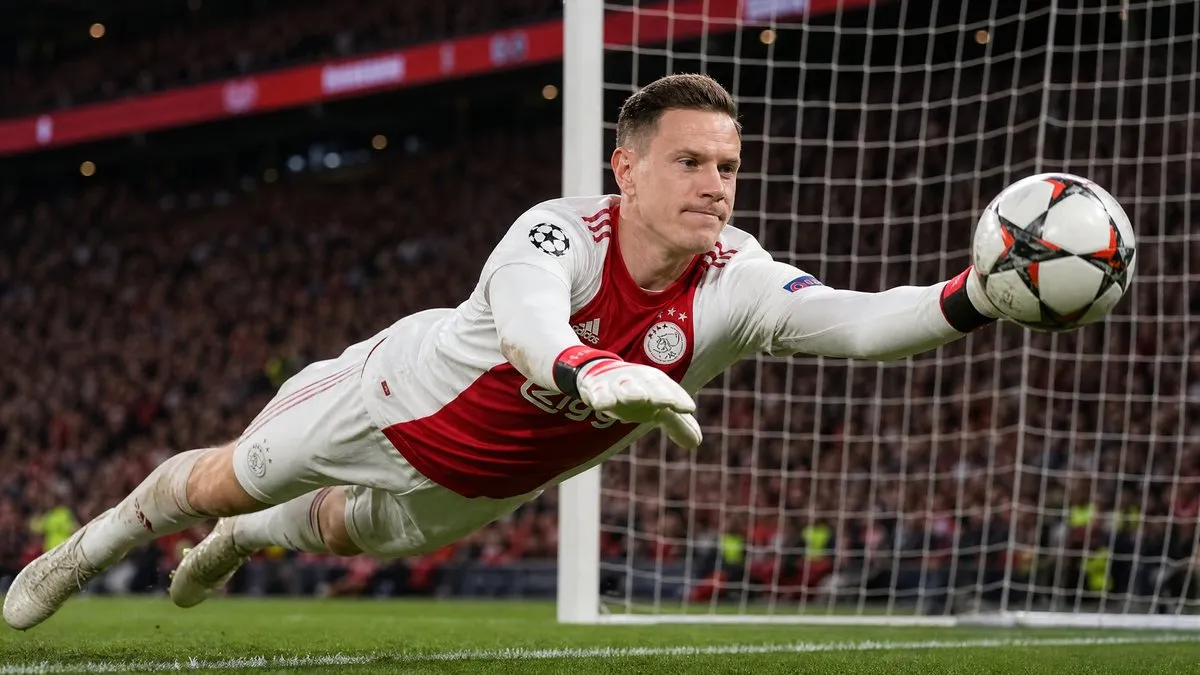
Ajax’s transfer policy is famously aggressive when it comes to elite youth, and the partnership made that pipeline feel even more direct. The Sparta Rotterdam Ajax collaboration end acknowledges an uncomfortable truth: when Ajax decide they want a player, the gravitational pull is hard to resist. Sparta could develop, showcase, and polish talent, only to see the next step happen in Amsterdam. Over time, that can make a club feel like it’s renting its own future.
Jorrel Hato is the name that inevitably comes up because his rise symbolizes what Ajax do best: identify elite potential early and accelerate it. Even if individual moves have their own nuances, the broader lesson from the Sparta Rotterdam Ajax collaboration end is that Ajax benefited from proximity to Sparta’s talent environment. Hato’s story reminds every smaller Eredivisie club that development is valuable, but ownership of the end product is even more valuable.
Nijkamp hinted at something fans often sense before executives say it out loud: players can become frustrated when they feel their route is being managed by forces outside the club. The Sparta Rotterdam Ajax collaboration end is partly about calming that tension. When ambitious youngsters believe the “real” destination is elsewhere, training standards can stay high, but loyalty drops. Sparta want a pathway that convinces players their best step is to star in Rotterdam first.
The Sparta Rotterdam Ajax collaboration end opens a new chapter where Sparta must prove they can keep talent without losing momentum. That means clearer contract strategy, earlier renewals, and a firmer stance when bigger clubs come calling. Sparta are not pretending they can ignore the market, but they want to manage it. The goal is to avoid becoming a club that develops players mainly for someone else’s trophy cabinet.
Crucially, Sparta also want to prioritize financial gains from player transfers on their own terms, rather than watching value leak away through an informal hierarchy. The Sparta Rotterdam Ajax collaboration end suggests Sparta believe they can sell better, sell later, and sell smarter. Keeping a player through a strong Eredivisie season can double a fee, and it can also deliver the points that keep the club stable. Stability is the platform for everything else.
Sparta’s pitch to prospects now has to be sharper: come here, play, improve, and become a centerpiece, not a temporary exhibit. The Sparta Rotterdam Ajax collaboration end forces the club to invest in coaching continuity and individualized development plans that stand up to scrutiny. If Sparta can show a young player a clear route to minutes and responsibility, they can compete with the allure of bigger academies. Development is not only about drills; it’s about trust.
In the post-split era, the Sparta Rotterdam Ajax collaboration end will be judged by how Sparta handle the first wave of interest in their next breakout. Saying “not yet” requires leverage, and leverage comes from contracts, performance, and a club’s willingness to bench short-term cash for long-term value. Sparta may also rethink loans, preferring deals that guarantee playing time and protect resale value. The modern mid-table club survives by mastering these details.
The Sparta Rotterdam Ajax collaboration end also shines a light on Ajax’s position in Dutch football’s internal economy. Ajax are expected to hoover up the best domestic talent, then sell at a premium to Europe, and that model can feel ruthless to clubs trying to climb. Partnerships can soften the optics, but they rarely change the underlying power dynamic. When Ajax move, the rest of the league often reacts rather than initiates.
From Ajax’s perspective, the relationship likely made sense because it reduced friction in scouting and created a friendly channel for conversations. Yet the Sparta Rotterdam Ajax collaboration end suggests Sparta felt the channel was too friendly for Ajax and not protective enough for Rotterdam. This doesn’t make Ajax villains; it makes them Ajax, a club designed to win the talent race. Still, the episode is a reminder that cooperation has limits when incentives diverge.
Ajax’s recruitment machine is built to spot potential before it becomes expensive, and that naturally pressures neighboring clubs. The Sparta Rotterdam Ajax collaboration end implies Sparta no longer want to be part of a system where their best development work becomes a scouting showcase. In a small football country, everyone watches everyone, but formal collaboration can accelerate the process. Sparta are choosing to slow it down and regain control of the narrative around their players.
Ajax will still scout Sparta, of course, but the Sparta Rotterdam Ajax collaboration end removes an element of closeness and routine cooperation. Losing that bridge can mean fewer informal insights, less access to the day-to-day context around a player, and potentially more competition from other clubs who now see Sparta as fully independent. Ajax thrive on information advantages, and anything that reduces those margins matters. In elite recruitment, tiny delays can change outcomes.
Every major structural decision eventually becomes personal for supporters, and the Sparta Rotterdam Ajax collaboration end will be debated in cafés and stands as much as in boardrooms. Some fans will feel pride that Sparta are asserting themselves and rejecting a feeder-club label. Others will worry about losing access to Ajax’s expertise or about whether Sparta can keep pace in player development alone. Both emotions are valid, because independence is exhilarating and risky at the same time.
Sparta Rotterdam news cycles tend to spike when transfer stories hit, and this decision guarantees more scrutiny of every outgoing deal. The Sparta Rotterdam Ajax collaboration end raises expectations: if you leave the partnership, you must show the benefits quickly. That might mean keeping a key player one extra season, or reinvesting a transfer fee into visible squad upgrades. Supporters don’t demand miracles, but they do demand a coherent plan they can recognize on matchday.
Sparta fans have always cherished the idea of building something with their own hands, even when the league’s giants dominate headlines. The Sparta Rotterdam Ajax collaboration end taps directly into that instinct, because it is fundamentally about youth talent retention and identity. If a teenager breaks through, supporters want to dream about what he can do for Sparta, not immediately picture him in another kit. Keeping “our” players a bit longer is emotional capital as well as sporting value.
With the Sparta Rotterdam Ajax collaboration end, the club’s internal departments inherit a new kind of pressure. Coaches and academy staff can no longer lean on the comfort that a partner might absorb a player or offer a pathway solution. They have to deliver development outcomes that stand alone, and they have to sell those outcomes to families and agents. That’s not a complaint; it’s the cost of ambition. Independence means your successes and failures are unmistakably yours.
The Sparta Rotterdam Ajax collaboration end will be watched by other clubs considering similar agreements, because it offers a rare public look at the trade-offs. Football partnerships can bring shared learning and smoother movement for players, but they can also create a perceived hierarchy that is hard to escape. Sparta’s choice suggests that once a club reaches a certain level of stability, the downside of losing talent too easily outweighs the upside of cooperation.
There is also a broader lesson about timing. The Sparta Rotterdam Ajax collaboration end happened when Sparta felt their status had improved, which implies they see themselves as a club capable of building value internally. If that confidence is justified, other mid-tier Eredivisie sides may follow, preferring bilateral deals, data-sharing without formal ties, or simply a more guarded stance. In a league where margins are thin, control over talent is the closest thing to power.
Youth talent retention does not mean pretending Sparta can outbid Ajax, PSV, or Feyenoord for long. It means creating conditions where staying an extra year is attractive and logical for the player’s career. The Sparta Rotterdam Ajax collaboration end is a bet that Sparta can offer minutes, responsibility, and a stable environment that improves a player’s next move. In a selling league, retention is often about sequencing, not permanent possession.
The end of one partnership does not mean Sparta will never collaborate again; it means they want collaborations that don’t compromise their leverage. The Sparta Rotterdam Ajax collaboration end could lead to smarter, more targeted alliances, perhaps around analytics, coaching education, or international scouting, without creating a direct talent drain. Modern clubs can share knowledge while protecting assets, but only if the terms are explicit and the incentives are aligned. Sparta are signaling they want that clarity.
The Sparta Rotterdam Ajax collaboration end ultimately reads as a club choosing adulthood over convenience, with Gerard Nijkamp putting his name to the risk. Ajax will continue to be Ajax, hunting the best prospects and turning them into elite assets, but Sparta are saying they won’t make that hunt easier. If the next few windows show Sparta keeping key players longer and selling at better moments, the decision will look visionary. If not, it will still be brave, because it prioritizes identity and control in a market built to take both away.
Continue reading more football news