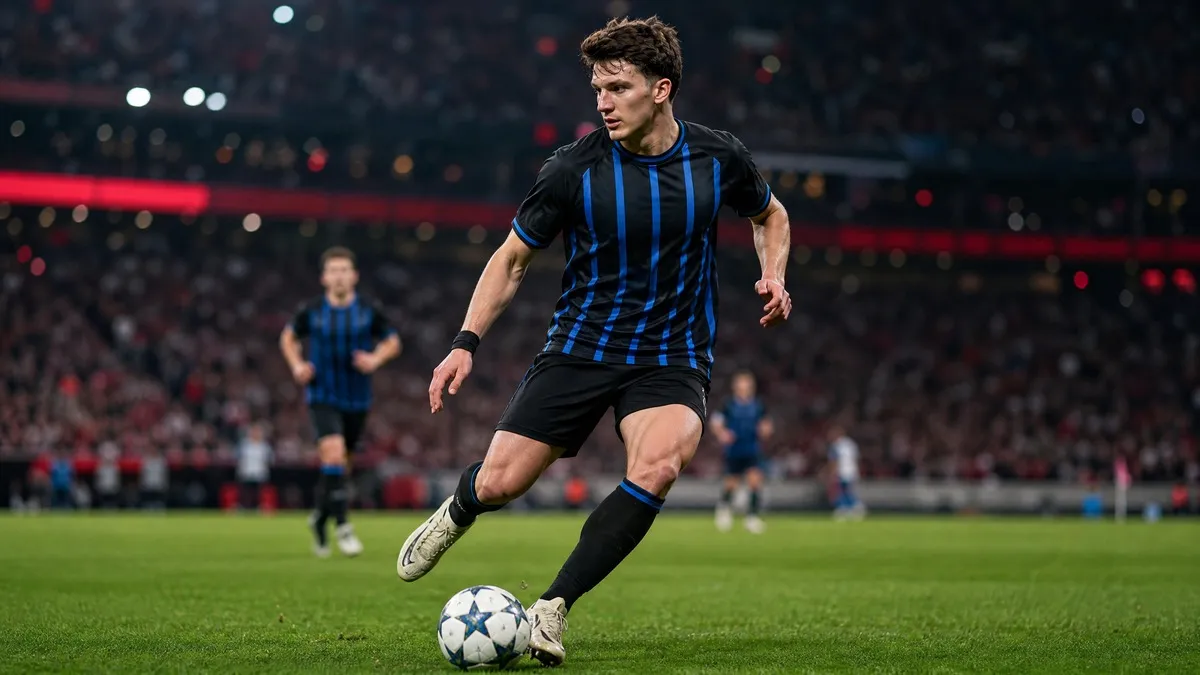
AC Milan transfers: Castro, Gila, Miranda on radar
AC Milan transfers focus on a double-digit striker and versatile defender. Castro, Gila and Miranda are scouted as Milan plan a Champions League return.
AC Milan transfers focus on a double-digit striker and versatile defender. Castro, Gila and Miranda are scouted as Milan plan a Champions League return.
AC Milan transfers are already taking shape long before the first official bid lands on a desk, because the Rossoneri know this summer transfer window could define their next two seasons. With a likely Champions League return on the horizon, Milan want upgrades that translate immediately into points, goals, and flexibility across the back line. The brief is clear: add a striker capable of double figures and a defender who can slide between centre-back and wing-back duties. Recent Rossoneri scouting trips to Bologna have sharpened the shortlist.
The current planning behind AC Milan transfers is less about glamour names and more about solving repeat problems that show up in tight Serie A matches. Milan have too often needed the first goal to be perfect, because the second one never felt guaranteed, and that is exactly why a reliable finisher is top of the agenda. The second priority is structural: a defender who can cover multiple roles without forcing a system change.
That versatility matters because modern Milan have lived between shapes, sometimes using a back four, sometimes asking full-backs to play like wingers, and sometimes protecting leads with an extra centre-back. In that context, AC Milan transfers are being framed as “two signings that unlock many solutions,” rather than a scattergun rebuild. It is also a financial logic, as one multi-role defender can reduce the need for two separate recruits. Milan want efficiency, not just depth.
A Champions League return changes everything about how AC Milan transfers must be judged, because rotation becomes a necessity rather than a luxury. The difference between finishing a group stage and surviving February knockouts often comes down to whether the bench can maintain intensity. Milan’s recruitment team are therefore prioritising players who can handle tactical instruction and physical demands quickly. Serie A signings with proven adaptation skills are attractive, but so are profiles who have already played under pressure elsewhere.
Milan’s striker hunt is not simply “buy a scorer,” because the forward must fit the way the team creates chances. The Rossoneri need someone who can attack the box early, run channels when the press is triggered, and still hold the ball when the tempo drops. AC Milan transfers in attack will be judged by whether the new striker can contribute without dominating touches, letting Milan’s wide players and attacking midfielders keep their rhythm. Double figures is the minimum, not the entire job description.
Rossoneri scouting operations in Bologna have been interpreted as a signal flare for AC Milan transfers, because the club rarely sends decision-makers without a specific purpose. Bologna’s rise has produced players comfortable in high-tempo phases, and Milan’s staff know that translating within Serie A reduces risk. The trip has also fed the narrative that Milan are shopping smart: instead of chasing inflated Premier League valuations, they are looking at talent that has already proved it can survive Italian tactical detail.
Those Bologna observations have put two names into louder conversation: Santiago Castro and Juan Miranda, each representing a different part of the squad puzzle. Castro is the striker profile Milan have been missing when matches become messy and physical, while Miranda offers a modern full-back skillset with the composure to play higher up. AC Milan transfers often hinge on timing, and scouting early gives Milan leverage to move before the market becomes crowded. It also allows technical staff to map how a player fits multiple game states.
Santiago Castro has emerged as a key target because he offers a blend of aggression and movement that can translate into consistent scoring runs. He is not just a finisher waiting for cutbacks; he wants to contest centre-backs, pin a defensive line, and create space for runners around him. For AC Milan transfers, that matters because the Rossoneri sometimes become too predictable when the striker stays central and static. Castro’s willingness to drift, press, and fight for second balls adds variety.
Juan Miranda is being discussed because he can give Milan a different rhythm on the left, especially in games where the opponent sits deep and forces patient circulation. He is comfortable receiving under pressure, and he can deliver early balls that invite a striker to attack the six-yard box. In the context of AC Milan transfers, Miranda also fits the idea of role coverage, because he can play as a traditional full-back or push up like a wing-back when Milan want to overload wide areas. That tactical elasticity is valuable across a long season.
Mario Gila’s situation at Lazio is the kind of contract storyline that can accelerate AC Milan transfers, because it creates a clear negotiating window. When a player signals he does not want to renew, the selling club faces a choice between cashing in or risking a depreciating asset. Milan are alert to those moments, particularly with defenders who can step into a high line and still defend the box. Gila’s profile fits the modern Serie A demand for athleticism and clean passing under pressure.
From Milan’s perspective, Gila is interesting not only because of ability, but because he represents a market opportunity. Lazio are a tough club to negotiate with, yet contract leverage can shift the balance, especially if Milan move early and present a clear sporting plan. AC Milan transfers often become complicated when multiple clubs circle, but clarity of role can be persuasive. If Milan can sell Gila on minutes across centre-back and wide defensive roles, they can pitch him as a starter, not a squad piece.
The phrase “centre-back who can also function as a wing-back” sounds like a luxury until you watch how many matches are decided by transitions and substitutions. Milan want a defender who can start in a back four, then slide wider when a full-back pushes on, without compromising recovery speed. That is why AC Milan transfers in defence are leaning toward hybrid athletes rather than specialists. In tight Champions League nights, that flexibility allows Milan to protect a lead without burning two substitutions.
Gila’s appeal is rooted in the basics that travel well: he is quick enough to cover space, brave enough to step out, and composed enough to play through a press. Milan have sometimes struggled when opponents target the first pass out from the back, forcing hurried clearances that surrender control. AC Milan transfers that add a defender comfortable breaking lines can change the whole feel of a match. If Gila can also provide cover wide, he becomes a tactical tool rather than just another body.
No summer transfer window exists in isolation, and AC Milan transfers are being shaped by the uncomfortable reality that other ambitious clubs are shopping in the same aisle. Aston Villa have become a serious competitor for top-tier recruitment, armed with Premier League money and a project that appeals to players who want European nights. Inter, meanwhile, understand the domestic landscape and can move quickly when they sense value. Milan’s challenge is to be decisive without overpaying, especially when the same agents are fielding multiple calls.
This is where Milan’s internal alignment matters, because hesitation can be punished by rival clubs that are willing to close a deal in days. If a player like Santiago Castro becomes a bidding story rather than a targeted acquisition, fees rise and negotiations become political. AC Milan transfers work best when Milan identify the profile, establish the ceiling, and move with conviction. The club’s recent history shows that early groundwork, medical planning, and contract structure can be the difference between landing a target and watching him sign elsewhere.
Milan still have a powerful argument in the market: a clear football identity and the prestige of wearing the shirt in the Champions League. Players want to know what their role will be, and Milan can offer a pathway that is not blocked by endless superstar depth. AC Milan transfers can be won on sporting logic, not just wages, if the club communicates how a striker will be fed chances and how a defender will be trusted in big fixtures. That clarity can beat richer offers that feel uncertain.
The risk for Milan is falling into the trap of patience when the market is moving fast, especially for players with rising stock. Waiting for a “late-window bargain” can work, but it can also leave the squad short for pre-season integration, which is when tactical habits are built. AC Milan transfers need to land early enough for the coach to test combinations, particularly if the new striker is expected to hit double figures immediately. In defence, chemistry and communication cannot be rushed in September.
Castro’s potential role in Milan is fascinating because he could change the way the Rossoneri attack in both open play and set patterns. Milan often rely on wide progressions and cutbacks, and a striker who attacks the near post with conviction can convert half-chances into goals. That is why AC Milan transfers keep circling back to the striker position as the most direct route to adding points. If Castro can be a consistent penalty-box presence, Milan’s chance creation becomes more valuable overnight.
There is also the question of pressing, which is where Milan can look most “European” when everything clicks. A forward who triggers pressure at the right moments allows the midfield to step higher and win second balls, turning defence into immediate attack. AC Milan transfers that improve the first line of pressure can make the entire team more aggressive without sacrificing structure. Castro’s intensity suggests he could be more than a finisher; he could be the first defender who sets the tone for the rest.
The demand for double figures is not an arbitrary target, because Milan’s title-level seasons have typically featured a forward who can carry cold spells elsewhere in the team. When wingers are rotated or midfielders are managing fatigue, the striker must still produce. AC Milan transfers at centre-forward therefore come with an expectation of reliability, not just potential. If Castro can reach that threshold while also contributing to build-up and pressing, Milan’s attack becomes less dependent on one creator.
Milan’s best attacking moments often come when the striker’s movement creates a corridor for a winger to drive inside or for a midfielder to arrive late. Castro’s willingness to drift and occupy defenders can manufacture those corridors, especially against teams that defend narrow. AC Milan transfers should be evaluated by how they enhance existing strengths, not replace them, and a striker who improves the output of teammates is worth more than his own goals. If Castro can pin centre-backs, Milan’s wide players get cleaner isolation.
Miranda is not being linked as a headline grabber, but AC Milan transfers are often at their best when they add a piece that quietly solves recurring tactical issues. Milan’s left side has sometimes swung between safety and adventure, depending on the opponent, and a full-back who can offer both is gold. Miranda’s comfort on the ball could help Milan control matches where the tempo becomes chaotic, allowing the team to recycle possession and choose when to accelerate. That kind of control is a weapon in Europe.
There is also a squad-management angle, because a season with Champions League football can punish teams that rely on the same full-backs every three days. Miranda would offer rotation without a dramatic drop in technical quality, and he could even be used higher up when Milan need an extra crosser late in games. AC Milan transfers that strengthen the “middle class” of the squad often decide whether a team finishes second or fifth. Miranda fits that practical, points-saving logic.
Milan create many of their best chances from wide areas, but the quality of the final ball can vary, especially when opponents force rushed crosses. Miranda’s value is in his ability to pick passes with his head up, rather than simply hitting the first defender. AC Milan transfers that add consistent delivery can turn possession into a higher expected-goal profile across the season. If Milan sign a new striker, improving service from full-back zones becomes even more important.
One reason the Miranda conversation matters is that it connects to the wider defensive plan, including the pursuit of a hybrid defender like Gila. If Milan can trust a centre-back to slide wide in certain phases, it frees the full-back to attack without leaving a giant hole behind. AC Milan transfers are being designed as complementary moves, not isolated purchases, and that is how top clubs build coherence. A Miranda-Gila style balance could let Milan switch shapes mid-match without panic.
All of this is why AC Milan transfers feel unusually urgent and unusually deliberate at the same time, with the club trying to strike before rivals turn targets into auctions. Santiago Castro represents the hope of a forward who can hit double figures while improving Milan’s pressing and movement, while Mario Gila and Juan Miranda speak to a defence built for flexibility and European demands. If Milan get these calls right in the summer transfer window, the Champions League return becomes more than a reward; it becomes a platform. The Rossoneri have scouted, measured, and now must act.

Julian Mercer is a lifelong student of the game whose passion for football was sparked at an early age, after stepping onto the grass of Camp Nou as a six-year-old — a moment that left a lasting impression and set him on a permanent path into the sport. Since then, football has been both his lens on the world and his favourite language. Blending traditional fandom with a deep interest in tactics, squad building, and long-term team development, Julian has spent decades analysing the game from every angle. His fascination with football strategy was further shaped through years of immersive play in Football Manager, a series he has followed since the mid-1990s, developing a sharp eye for patterns, player profiles, and the fine margins that define success. At My World Of Football, Julian focuses on the stories beneath the surface — from tactical evolutions and managerial philosophies to the narratives that connect clubs, players, and supporters across generations. His writing aims to balance insight with accessibility, always grounded in a genuine love for the game.
Continue reading more football news