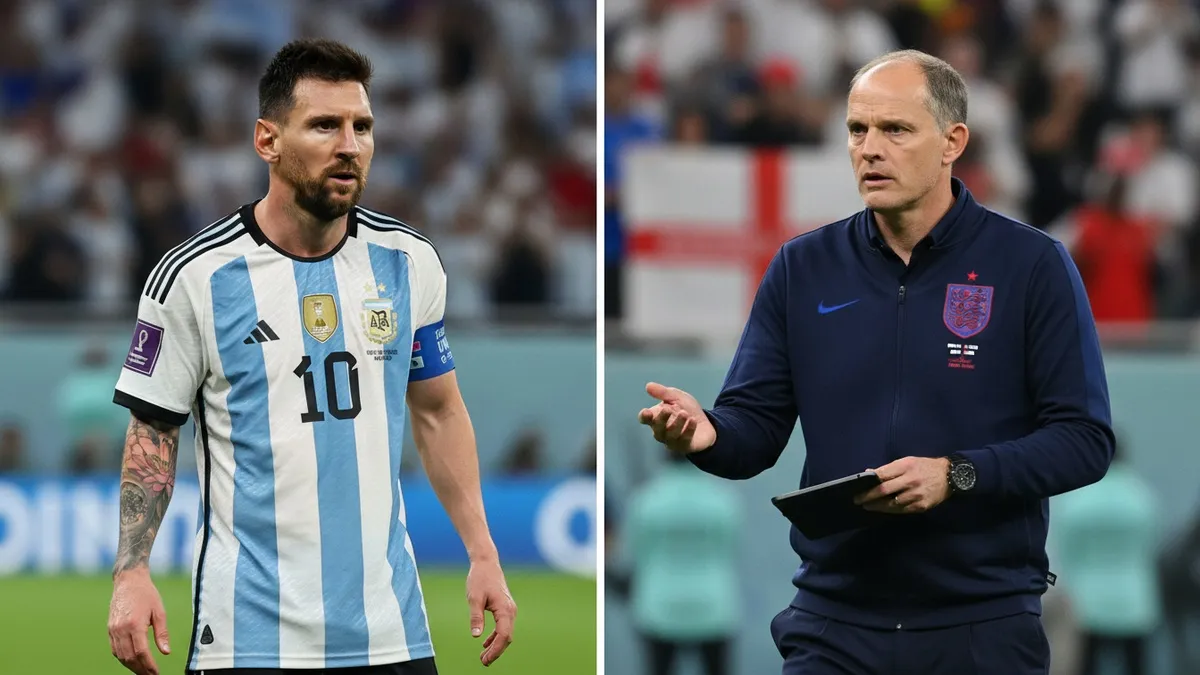
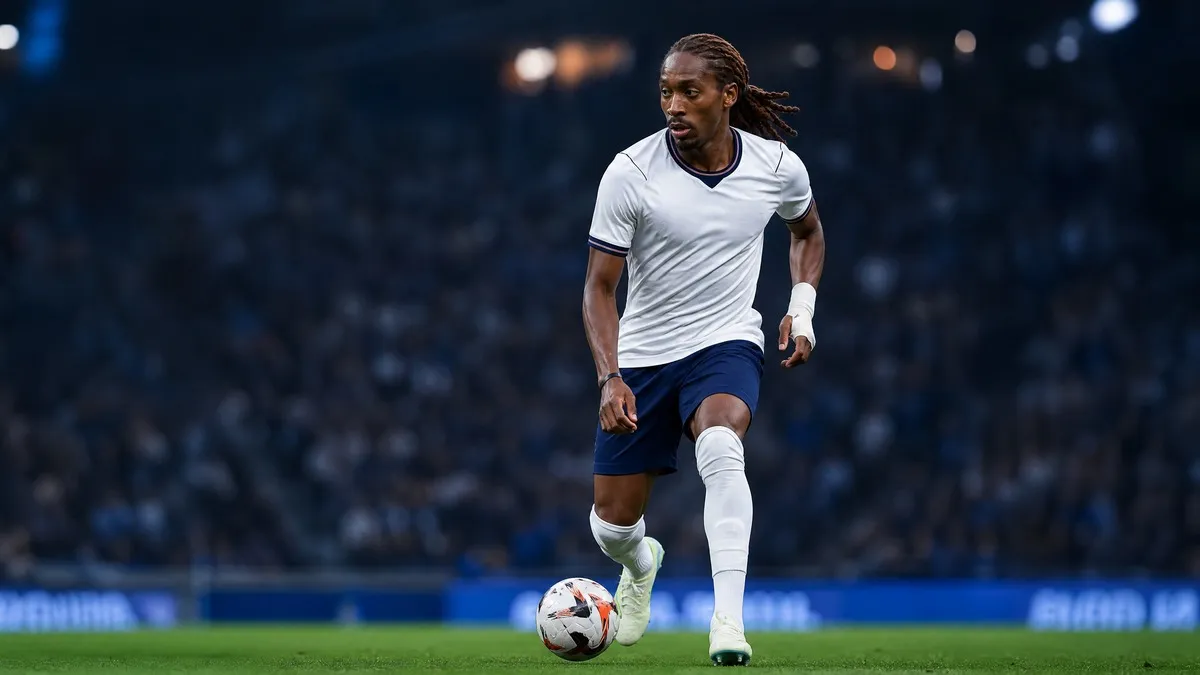
Andoni Iraola Crystal Palace deal edges closer
Andoni Iraola Crystal Palace talks intensify as Bournemouth exit nears, with Chelsea and Manchester United monitoring the sought-after Premier League coach.
Andoni Iraola Crystal Palace talks intensify as Bournemouth exit nears, with Chelsea and Manchester United monitoring the sought-after Premier League coach.
The Premier League’s managerial carousel is spinning again, and this time the spotlight is firmly on Andoni Iraola Crystal Palace negotiations that are said to be nearing the finish line. With his exit from Bournemouth now widely described as confirmed, the 43-year-old has become the most intriguing name on the market for clubs craving modern, flexible football. Crystal Palace have moved fastest and boldest, yet Chelsea and Manchester United remain attentive. For Bournemouth, the immediate challenge is squeezing every last point from a season still worth polishing.
Crystal Palace’s push has been decisive because they are treating the role as a project, not a patch. The Andoni Iraola Crystal Palace storyline has gathered momentum precisely because Palace believe their squad is ready for a coach who can raise the ceiling without ripping up the foundations. A lucrative offer has reportedly been put on the table, reflecting both ambition and urgency. In a league where hesitation is punished, Palace are trying to win the race early.
It also helps that the club can offer a clearer runway than many rivals, with expectations calibrated to steady growth rather than instant silverware. The appeal of Andoni Iraola Crystal Palace is rooted in the idea that his methods translate quickly when players buy into the intensity and structure. Palace’s recruitment model, anchored in athletic profiles and resale value, aligns neatly with a coach who prizes pressing triggers and vertical progression. Stability, in this case, is a competitive advantage.
Palace’s coaching search is complicated by the need to replace Oliver Glasner while keeping the best parts of the current identity intact. The Andoni Iraola Crystal Palace fit works because Iraola can preserve compactness and counterpunching while adding more coordinated pressure and braver build-up patterns. He is not wedded to one aesthetic, which matters when a squad is built with specific strengths. Palace want evolution, not a hard reset that risks months of confusion.
Reports of a lucrative offer matter, but so does the way it is framed: Palace can sell a coherent plan rather than a headline-grabbing promise. The Andoni Iraola Crystal Palace conversation is, at heart, about control—control over training standards, recruitment priorities, and the tempo of change. Compared with roles that come with noisy politics, Palace can offer a cleaner decision-making chain. For a coach who values process, that kind of environment can be more seductive than pure salary.
For Bournemouth, the news lands with mixed feelings because Iraola has raised the club’s tactical sophistication and profile. The Bournemouth manager has been credited with making the team harder to play against, more proactive without the ball, and more purposeful in transition. The Andoni Iraola Crystal Palace link inevitably reframes his tenure as a stepping stone, yet it also underlines how well he has performed. Smaller clubs rarely keep a coach once the league’s bigger ecosystems start circling.
Even with departure talk, Iraola has kept his public messaging professional and focused on results. That matters in a dressing room where players can easily drift when they sense change coming. The Andoni Iraola Crystal Palace rumours have not, at least outwardly, turned Bournemouth’s run-in into a soap opera. If anything, the manager’s insistence on finishing strongly has helped preserve standards, which is often the first casualty when futures become uncertain.
Bournemouth’s next decision needs to protect the gains made in intensity and organisation, rather than chasing a fashionable name. The Bournemouth manager role now comes with a higher baseline expectation: clearer pressing schemes, smarter rest-defence, and a willingness to compete for territory. Watching Andoni Iraola Crystal Palace develop elsewhere will sting if Bournemouth slide back into reactive habits. The club’s recruitment has been geared toward athleticism and adaptability, so the successor must keep that logic intact.
Managerial transitions often turn the final weeks into an audition, and Bournemouth’s squad will feel that pressure. Some players will want to impress a new coach, while others will wonder whether Andoni Iraola Crystal Palace developments might reopen their own pathways through staff changes. The best teams keep training intensity high even when uncertainty grows, and Iraola’s reputation suggests he will demand that. Bournemouth’s league position may be safe, but performances still shape summer decisions.
The most compelling part of Iraola’s profile is that he is not a one-system coach, even if his teams share recognisable principles. Andoni Iraola Crystal Palace speculation has surged because Palace see a manager who can press high, defend in a mid-block, or set traps depending on opponent and personnel. That flexibility is gold in the Premier League, where fixture congestion forces constant recalibration. Clubs want a coach whose ideas travel across different match states.
His teams typically look to win the ball with collective triggers and then attack quickly into space, but the details can shift. Andoni Iraola Crystal Palace would likely mean a side that becomes more aggressive in forcing turnovers while staying balanced in defensive transitions. Palace’s athletic wide players and energetic midfield options suit this approach, as does a back line that can defend large spaces when the press is beaten. The key is coaching clarity, not constant tactical reinvention.
Modern pressing is as much about what happens after the first line is broken as it is about winning the ball. The Andoni Iraola Crystal Palace fit is attractive because Iraola tends to build strong rest-defence structures—those behind-the-ball positions that stop counters before they start. It is a sophisticated way of taking risks without becoming reckless. For Palace, who have sometimes oscillated between caution and chaos, that balance could be transformative.
If Andoni Iraola Crystal Palace becomes reality, expect recruitment to lean even harder into pace, duel strength, and decision-making under pressure. Iraola’s football asks forwards to sprint repeatedly, midfielders to cover diagonals, and full-backs to choose moments to jump without losing the back post. That doesn’t mean wholesale turnover, but it does mean sharper profiling. Palace’s best performers could thrive, while fringe players who struggle with intensity may find minutes harder to come by.
Chelsea’s interest, even if only monitoring for now, is easy to understand because they are perpetually scanning for coaches who can impose structure quickly. In the wider Premier League news cycle, Andoni Iraola Crystal Palace is the lead, but Chelsea manager candidates lists rarely stay stable for long. Chelsea’s squad is expensive, young, and volatile, which makes tactical clarity essential. Iraola’s training-ground reputation would appeal to decision-makers craving repeatable patterns.
Yet the same factors that make Chelsea tempting also make it risky for a coach who values stability. Andoni Iraola Crystal Palace feels more plausible because Palace can offer patience and a calmer environment, while Chelsea’s timeline is always accelerated by scrutiny. At Stamford Bridge, a poor month can become a crisis, and even good stretches are dissected for signs of long-term viability. Iraola may prefer a club where progress is measured in steps, not headlines.
On paper, Chelsea’s athleticism and technical depth could suit Iraola’s pressing and transition game, which is why the links won’t disappear. But the Andoni Iraola Crystal Palace path looks cleaner because Palace’s hierarchy can align recruitment and coaching without constant ideological shifts. Chelsea’s squad-building has been noisy, and a manager can become the lightning rod for structural issues. Iraola’s next move is likely to be calculated, and that calculation may favour coherence over glamour.
The job description at Chelsea is unforgiving: qualify for Europe, develop assets, and entertain, all at once. That is why Andoni Iraola Crystal Palace feels like the more natural landing spot, even if Chelsea keep tabs. Iraola’s methods can deliver quick improvements, but Chelsea’s environment magnifies every tactical experiment into a referendum. If he wants to build a multi-year identity, the safer bet is a club prepared to ride out the messy middle.
Manchester United’s interest reflects a broader truth: elite clubs are increasingly hunting for coaches who can modernise structures rather than simply motivate stars. In Premier League news, Andoni Iraola Crystal Palace has advanced because Palace are acting, while United are still weighing Manchester United coaching options amid bigger strategic questions. United’s squad needs clearer automatisms in possession and a more coordinated press, which are areas Iraola is associated with improving. The intrigue is obvious, even if the timing is tricky.
However, United’s job comes with complications that can swallow even talented coaches. Andoni Iraola Crystal Palace feels more immediate because Palace can offer a defined role, whereas United’s context includes boardroom dynamics, transfer-market pressure, and a fanbase desperate for quick restoration. A coach’s authority at Old Trafford can be diluted by competing voices and legacy expectations. Iraola may see Palace as a step that protects his trajectory rather than exposing it to turbulence.
United’s best moments in recent seasons have often been based on individual brilliance rather than systemic superiority. That is why Andoni Iraola Crystal Palace being close to completion will frustrate any United observers who admire his structure-first approach. Iraola’s coaching language—pressing triggers, compact distances, rehearsed patterns—fits the direction top clubs claim to want. But admiration is not the same as commitment, and United’s decision-making has often been slower than their rivals’.
For Iraola, the choice is partly about sequencing. Andoni Iraola Crystal Palace offers a platform to demonstrate his ideas in the Premier League without the weekly existential drama that can accompany United. If he succeeds at Palace, bigger doors will open again, perhaps under calmer circumstances. Jumping straight into the Old Trafford spotlight can be career-defining, but it can also be career-warping if the structural support isn’t there.
The next weeks will likely be a mix of quiet negotiations and loud speculation, because that is how modern managerial moves work. Andoni Iraola Crystal Palace is described as close, but the situation remains fluid with Chelsea and Manchester United monitoring, and other clubs always ready to pivot. Palace will want clarity early to shape pre-season planning, staff appointments, and recruitment targets. Iraola, meanwhile, will keep insisting his attention is on Bournemouth’s final stretch.
That professionalism is not just public relations; it is part of his value. Andoni Iraola Crystal Palace would be a statement that Palace are serious about coaching as a competitive edge, not merely a finishing touch. If the deal is finalised, the narrative will quickly move from “Will he join?” to “How fast can he implement?” If it stalls, the same qualities that attracted Palace will keep him on every shortlist in the league.
Managerial timing influences everything from friendly schedules to the type of players targeted in June. If Andoni Iraola Crystal Palace is wrapped up early, Palace can align their scouting with his demands for intensity and positional discipline. If it drags, recruitment risks becoming generic, with signings made before the coach’s preferences are fully understood. Palace have learned that the Premier League punishes half-plans, so they will push to avoid ambiguity.
Even if his departure is confirmed, Iraola’s final weeks at Bournemouth will shape how his season is remembered. Strong performances can reinforce the sense that Andoni Iraola Crystal Palace is a smart appointment, driven by evidence rather than hype. Players also notice how a manager behaves on the way out, and reputations travel quickly in football. If Bournemouth finish with intensity and clarity, it becomes the cleanest possible handover—and the best possible advert.
Whatever the final paperwork says, the league is already reacting as if Andoni Iraola Crystal Palace is the next significant managerial shift. Palace see a coach whose tactical flexibility can raise their baseline, while Bournemouth brace for the difficult task of replacing a Bournemouth manager who improved standards. Chelsea manager candidates and Manchester United coaching options lists will keep circulating, because that is the nature of Premier League news. Yet Iraola’s own preference appears to lean toward stability, and that may be the decisive factor when the season curtain falls.

Julian Mercer is a lifelong student of the game whose passion for football was sparked at an early age, after stepping onto the grass of Camp Nou as a six-year-old — a moment that left a lasting impression and set him on a permanent path into the sport. Since then, football has been both his lens on the world and his favourite language. Blending traditional fandom with a deep interest in tactics, squad building, and long-term team development, Julian has spent decades analysing the game from every angle. His fascination with football strategy was further shaped through years of immersive play in Football Manager, a series he has followed since the mid-1990s, developing a sharp eye for patterns, player profiles, and the fine margins that define success. At My World Of Football, Julian focuses on the stories beneath the surface — from tactical evolutions and managerial philosophies to the narratives that connect clubs, players, and supporters across generations. His writing aims to balance insight with accessibility, always grounded in a genuine love for the game.
Continue reading more football news