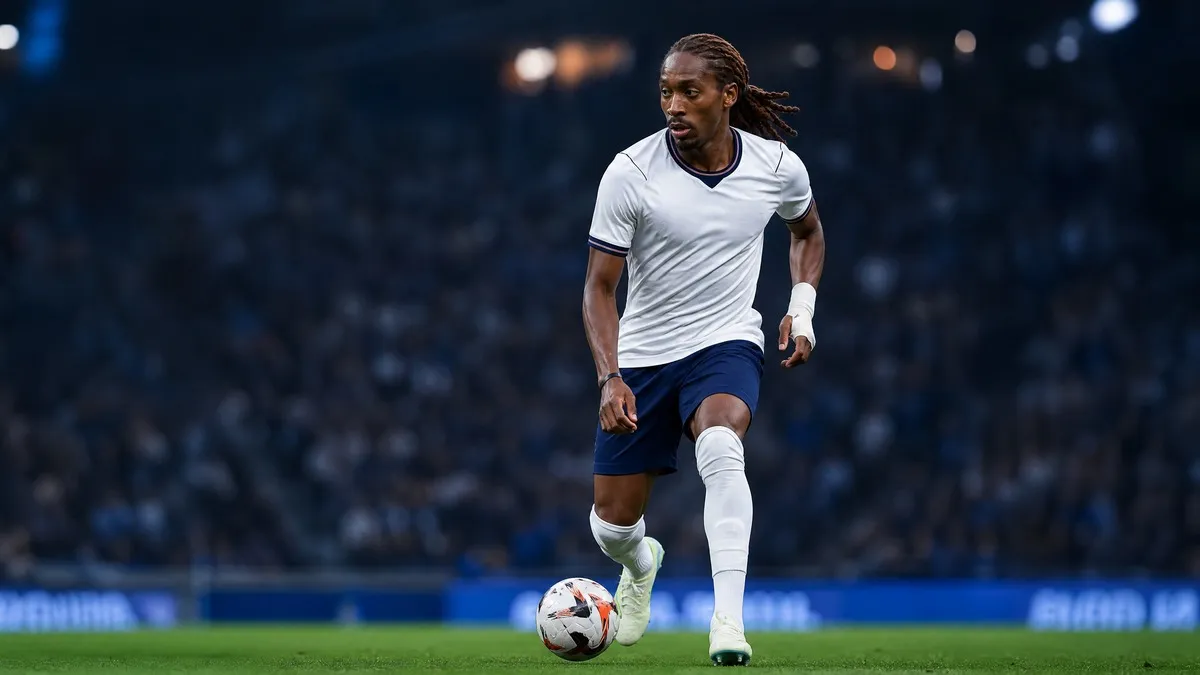
Barcelona attacking reshuffle: Lewandowski stays, Torres out?
Barcelona attacking reshuffle plans keep Robert Lewandowski, weigh Ferran Torres transfer, and eye Julian Alvarez plus Marcus Rashford in summer talks.
Barcelona attacking reshuffle plans keep Robert Lewandowski, weigh Ferran Torres transfer, and eye Julian Alvarez plus Marcus Rashford in summer talks.
Barcelona are heading into a defining summer with a clear message from the sporting offices: the forward line is being rebuilt, not merely tweaked. The Barcelona attacking reshuffle is designed to keep proven goals while freeing budget for a new era, and that means difficult calls on familiar names. Robert Lewandowski remains the pillar they want to lean on, while Ferran Torres’ market value is being tested. Deco’s shortlist, meanwhile, reads like a statement of intent.
In the current plan, the Barcelona attacking reshuffle starts with a simple principle: don’t rip out the only reliable source of goals without a guaranteed replacement. Lewandowski’s experience, penalty-box craft, and weekly professionalism still matter in a squad trying to balance youth with expectation. The club also knows that selling the wrong striker first can create panic-buying later. So the order of operations is retention, then recruitment, then sales.
Financial constraints make the Barcelona attacking reshuffle as much an accounting exercise as a tactical one, and that reality shapes every conversation. Barcelona need flexibility to register signings, extend young talents, and avoid another summer of improvisation. That’s why a sale like Ferran Torres is framed internally as a lever, not a punishment. The club wants to convert inconsistent output into clean budget lines that can carry a bigger impact.
Deco has become the public face of this Barcelona attacking reshuffle, and his job is to marry the coach’s demands with La Liga’s financial guardrails. He is looking for forwards who can press, run channels, and still deliver end product under pressure. That profile naturally pushes Barcelona toward younger, high-ceiling attackers, but it also raises the price tag. Every target, from Julian Alvarez to Marcus Rashford, requires creative structuring and timing.
What separates this Barcelona attacking reshuffle from recent windows is the desire to reduce volatility in the front line. Barcelona have rotated between systems and roles, often asking wingers to become strikers or midfielders to become chance creators. The next build aims for clearer job descriptions: a central finisher, wide threats who stretch the pitch, and a bench that changes matches rather than merely fills minutes. That clarity influences who stays and who is cashed in.
Barcelona’s priority to retain Robert Lewandowski is not sentimental; it’s a calculation about scarcity. Elite No. 9s who can score, occupy centre-backs, and teach younger players are rare, and they are rarely available at a manageable cost. In the Barcelona attacking reshuffle, Lewandowski is the stabiliser who prevents the entire project from becoming a gamble. Even when his mobility dips, his positioning still creates chances for others.
The wage conversation is central, and Lewandowski’s willingness to consider a reduction changes the tone of the Barcelona attacking reshuffle. Barcelona can’t afford a top-heavy salary structure if they want to add another premium attacker. A voluntary adjustment from a star also signals unity to the dressing room and gives the club political cover when negotiating with other veterans. It’s a pragmatic move that keeps the goals while easing the registration headache.
Interest from MLS and Saudi clubs has hovered around Lewandowski, but the striker’s inclination to stay keeps the Barcelona attacking reshuffle on Barcelona’s terms. Those leagues can offer massive contracts, yet Lewandowski’s competitive instinct still points toward elite European nights. For Barcelona, the external interest functions as leverage in discussions, not a trigger for departure. The club can plan with him rather than plan around his sudden absence.
Even in a transitional team, Lewandowski provides repeatable patterns, and that reliability matters in the Barcelona attacking reshuffle. He pins defenders to open half-spaces for runners, he attacks crosses with timing, and he turns low-quality possession into shots with minimal touches. Barcelona’s young wide players benefit from having a reference point in the box. Keep him, and you keep a structure that makes other forwards look better.
The Ferran Torres transfer discussion is the most revealing part of the Barcelona attacking reshuffle because it shows how ruthlessly the club is prioritising efficiency. Torres’ season has had useful moments, but consistency has been elusive, and Barcelona need every attacking slot to feel decisive. With 16 goals in 40 appearances, his numbers are not disastrous, yet they don’t always match the eye test or the financial investment. That gap invites offers.
Barcelona also have to consider squad balance in the Barcelona attacking reshuffle, because selling a versatile forward can create hidden costs. Torres can cover multiple roles, and managers value that during injury spells and fixture congestion. But versatility only becomes priceless when it changes big matches, and Barcelona are searching for more match-winners. If a strong bid arrives, the club can argue that replacing “depth” with “difference” is the correct evolution.
From a business standpoint, Torres is the kind of player the Barcelona attacking reshuffle can monetise without collapsing the team’s identity. He is in a good age bracket, carries a recognisable profile, and still has room for a buyer to believe they can unlock another level. Barcelona also know that a sale can be framed as a fresh start rather than a failure. That narrative matters when you’re trying to keep the dressing room calm.
The danger in the Barcelona attacking reshuffle is selling Torres and then discovering the replacements are harder to integrate than expected. Barcelona have seen how new attackers can struggle with the club’s positional demands and the pressure of constant scrutiny. If Torres leaves, the recruitment must be aligned with the coach’s system, not just the highlight reel. Otherwise, the club risks replacing “inconsistent production” with “no production,” which is far worse.
Julian Alvarez is the kind of target that makes the Barcelona attacking reshuffle feel ambitious rather than merely corrective. He is young, relentless in the press, and comfortable both as a striker and as a second forward drifting into pockets. Barcelona admire players who can interpret space quickly, and Alvarez does that at speed. The issue is obvious: Atletico Madrid do not sell easily, and they rarely sell cheaply.
This is where the Barcelona attacking reshuffle collides with reality, because prising a key attacker from a direct rival requires more than money. It requires a sporting pitch, a guaranteed role, and a structure that satisfies all parties without breaking Barcelona’s financial limits. Barcelona would likely need to package payments, include performance variables, or explore player exchanges. Even then, Atletico can simply refuse and force Barcelona to move down the list.
Alvarez fits the Barcelona attacking reshuffle because he offers two things Barcelona crave: intensity without the ball and decisiveness with it. He can lead a press, drop into midfield to connect play, and still arrive in the box with striker’s instincts. That versatility is different from Torres’ because it’s tied to game control, not just positional cover. He also suits a future in which Barcelona want to play faster transitions as well as patient possession.
Atletico Madrid hold leverage, so the Barcelona attacking reshuffle would need an imaginative route to make Alvarez even remotely plausible. Barcelona can sell the idea of a starring role and a style that inflates attacking numbers, but Atletico can counter with stability and their own ambitions. If Barcelona are serious, they must time the move around Atletico’s needs, not their own. That could mean waiting, or it could mean pivoting quickly if the door stays shut.
Marcus Rashford is a different kind of proposition within the Barcelona attacking reshuffle: a superstar profile with fluctuating form and a complicated context at Manchester United. Barcelona like his ability to attack the space behind defences, something that can stretch tight La Liga blocks. He also brings brand power, which matters when a club is trying to grow revenue while rebuilding. But the deal would require careful financial engineering and clear tactical expectations.
Barcelona’s interest also underlines the urgency of the Barcelona attacking reshuffle, because Rashford would not be a “depth” signing. He would arrive expecting starts, touches, and a defined role, and that can reshape the hierarchy quickly. The club must decide whether they want a left-sided runner who can score in bursts, or whether they prefer a more consistent wide creator. The answer affects not only Rashford, but also how Barcelona develop their younger wide options.
The biggest football question in the Barcelona attacking reshuffle is whether Rashford’s strengths align with Barcelona’s demanding positional structure. He is at his best when play breaks open and he can accelerate into space, while Barcelona often face deep blocks that require combination play and patience. That doesn’t make it impossible, but it does require coaching and role clarity. If Barcelona can build transitions more often, Rashford’s value rises sharply.
Given the financial context, the Barcelona attacking reshuffle likely pushes Barcelona toward a loan or a creatively structured deal for Rashford rather than a clean, massive fee. Manchester United’s stance would depend on their own squad planning and whether they view him as central or expendable. Barcelona would try to protect themselves with options, incentives, and salary-sharing. The shape of the deal could decide whether this is a smart opportunity or an expensive distraction.
Behind the headline names, the Barcelona attacking reshuffle is also about protecting the club’s next core. Barcelona want to secure young talents with renewals and clear pathways, because the academy and smart youth recruitment remain the most sustainable competitive advantage. That long-term thinking influences every forward decision, including whether to keep veterans, sell mid-tier assets, or chase one marquee attacker. Barcelona are trying to avoid blocking development while still winning now.
That balancing act is why the Barcelona attacking reshuffle can’t be judged only by who arrives in July. It will also be measured by minutes distribution, role definition, and whether young attackers are placed in positions to succeed rather than survive. Barcelona have learned that talent alone doesn’t guarantee growth; context does. If the club recruits two big forwards, they must ensure youngsters still have meaningful opportunities, not just late-game cameos.
Financial flexibility is the engine of the Barcelona attacking reshuffle, because without it, even agreed deals can collapse at registration time. Barcelona need to manage the wage bill, structure payments, and potentially generate sales to create the space required by La Liga rules. That’s why a Ferran Torres transfer is discussed so prominently: it’s a domino that can unlock others. Every contract detail, from bonuses to amortisation, shapes the final squad more than fans like to admit.
For supporters, success in the Barcelona attacking reshuffle will feel obvious if two things happen: Barcelona score more consistently, and the forward roles look natural rather than forced. That means a dependable central striker rotation around Lewandowski, plus wide players who contribute goals without sacrificing structure. It also means fewer matches where Barcelona dominate possession but lack punch. If Deco lands even one elite attacker and the squad stays balanced, the project gains momentum quickly.
Ultimately, the Barcelona attacking reshuffle is a test of whether the club can be both ruthless and smart at the same time. Keeping Robert Lewandowski while exploring a Ferran Torres transfer is the kind of dual-track planning modern giants must master, especially under financial restrictions. Deco’s pursuit of Julian Alvarez and Marcus Rashford shows Barcelona still think like Barcelona, aiming high even when the numbers bite. If the sales, wages, and registrations align, this summer could set the attacking direction for years.

Julian Mercer is a lifelong student of the game whose passion for football was sparked at an early age, after stepping onto the grass of Camp Nou as a six-year-old — a moment that left a lasting impression and set him on a permanent path into the sport. Since then, football has been both his lens on the world and his favourite language. Blending traditional fandom with a deep interest in tactics, squad building, and long-term team development, Julian has spent decades analysing the game from every angle. His fascination with football strategy was further shaped through years of immersive play in Football Manager, a series he has followed since the mid-1990s, developing a sharp eye for patterns, player profiles, and the fine margins that define success. At My World Of Football, Julian focuses on the stories beneath the surface — from tactical evolutions and managerial philosophies to the narratives that connect clubs, players, and supporters across generations. His writing aims to balance insight with accessibility, always grounded in a genuine love for the game.
Continue reading more football news