AI-generated image
Football News Today: Trossard move, World Cup semis set
Leandro Trossard eyes Besiktas, while World Cup semis feature Spain vs France and England vs Argentina. Plus, injury woes for Barca and more.
Leandro Trossard eyes Besiktas, while World Cup semis feature Spain vs France and England vs Argentina. Plus, injury woes for Barca and more.
Hey football fans, it's a big day! Trossard is on the move to Besiktas as Arsenal shifts focus to Tzolis. Meanwhile, the World Cup semifinals are lined up with Spain taking on France and England facing Argentina. Barca's midfield is in trouble with de Jong's knee injury. And let’s not forget the intense transfer battle for Lille's Bouaddi between United and City. Plenty to unpack today!
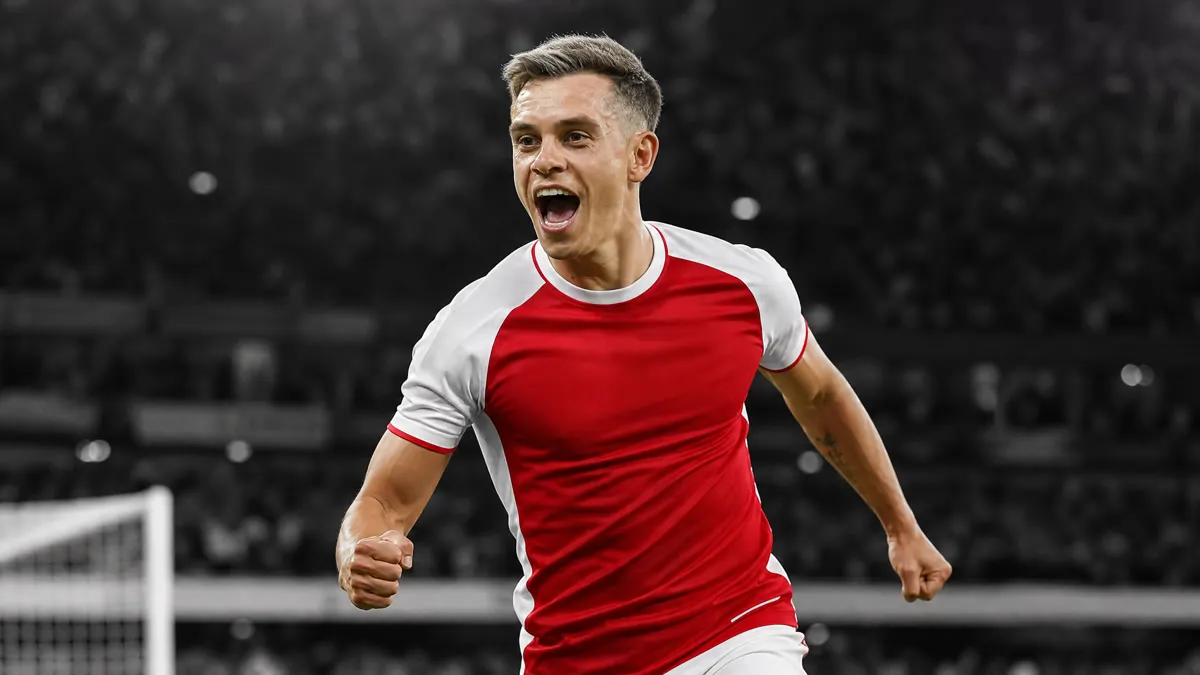
The Leandro Trossard transfer news feels like one of those moves that makes sense for everyone, even if it stings a bit. €20 million to Besiktas is tidy business for a player who gave Arsenal real moments, but never fully nailed down the left side. With Romano saying he’s doing medicals in Istanbul, this one looks done. Now it’s about what Arteta is trying to build next.
Trossard was useful because he could play three roles and didn’t need rhythm to impact games. But Arsenal’s left wing has been a bit of a rotating door, especially when the attack gets stuck against deep blocks. You can see why Arteta wants a cleaner profile there. The Leandro Trossard transfer news is really a sign Arsenal want more repeatable threat, not just clever cameos and late-box arrivals.
Christos Tzolis is an interesting name because the numbers are wild, but the context matters. 22 goals and 29 assists in 52 games at Club Brugge screams end product, yet the Premier League asks different questions. Can he receive under pressure, pin a full-back, and still make good decisions at speed? If Arsenal’s initial contact is serious, they’ll be looking at his off-ball work as much as the highlights.
The bigger tell is the Martinelli angle. If Arsenal are genuinely open to selling Gabriel Martinelli, this is not a simple replacement job. It’s a reshaping of the left side of their attack, maybe even how they press and how they create width. The Leandro Trossard transfer news, plus extra winger scouting, suggests Arteta wants one or two new wide options who can start big games, not just fill in.
Besiktas also fits Trossard. He’ll get minutes, freedom, and a fanbase that loves a forward who plays with edge. For Arsenal, the risk is obvious: you can’t downgrade the squad depth while chasing a title. If Tzolis is the pick, the fee and adaptation plan have to be right, because this is one position where small margins decide seasons.
Frenkie de Jong injury news is the kind that makes you sigh before you even read the details. He comes back from a heavy World Cup, straight into checks at Barcelona, and the early word is a serious knee problem. Four months is the rough estimate floating around, with more tests still to come. That timing hurts because it lands right on the run-in to the new season.
De Jong is not just another midfielder you can swap out and keep the same plan. Since 2019 he has been the connector, the guy who takes the ball off the centre-backs, turns pressure into space, and sets the tempo. When he is missing, Barca’s build-up can get predictable fast. Frenkie de Jong injury news matters because it changes how the whole team gets up the pitch.
The World Cup impact angle is hard to ignore. Tournament minutes stack up, training loads spike, and players come back with bodies that are not fully reset. It does not mean blame, it just explains why clubs hate mid-season international blocks. Barca will now sweat the knee injury prognosis and the De Jong recovery timeline because rushing him back is how you turn four months into a season-long headache.
So what are the Barcelona midfield options? They can lean on different profiles, but none replicate his ball-carrying from deep. If they push a more defensive midfielder to play the first pass, they may need a centre-back like Ronald Araujo stepping into midfield more often to help progression. Expect more direct wide play and quicker vertical passes, at least until Barcelona injury updates bring clarity.
The World Cup semifinals 2023 have landed in that sweet spot where it feels inevitable and still totally chaotic. Top four in the FIFA rankings, two very different matchups, and not much margin for error. Spain vs France looks like structure against firepower. England vs Argentina is history, baggage, and nerves. These games are less about who is better, more about who stays calm when the stadium tilts.
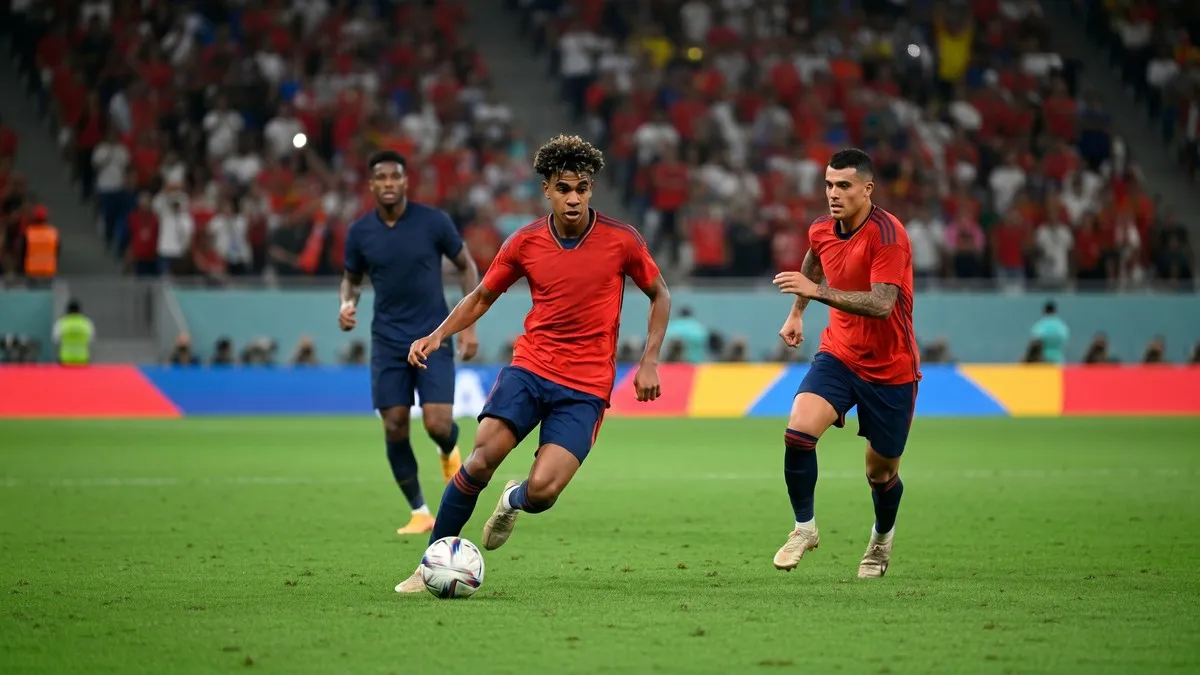
Spain vs France is the cleaner tactical story. Spain have looked hard to break down, and that matters because France do not need many chances. Mbappe changes the geometry of the pitch, even when he is not scoring, and France are happy to play through moments instead of control. Spain’s risk is overplaying in midfield and getting clipped on the transition. France 2-1 feels plausible if Spain’s full-backs get caught high.
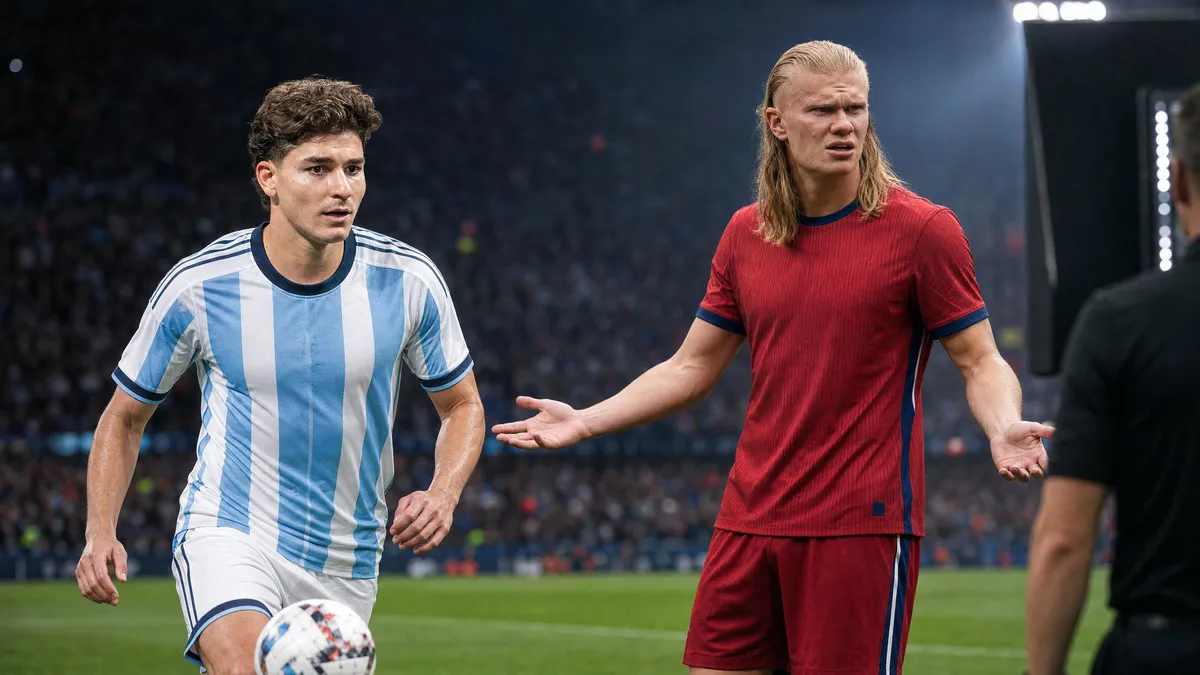
England vs Argentina is messier, and that is why it will be gripping. The rivalry is real, but the football right now is about form that comes and goes. Messi can still decide a knockout match with one pass or one set-piece, but Argentina have not always dominated territory. England have the better legs, yet they can drift into safe possession. If Bellingham drives through the middle, England look brave. If he gets boxed in, it becomes a coin flip.
Tuchel and Bellingham is the little subplot I cannot stop watching. Tuchel likes control and clear roles, Bellingham plays like the game is a street fight you win by taking space. If that relationship clicks, England’s press and counter-press can pin Argentina back. If it turns into touchline tension, it spreads. Add the refereeing noise from earlier rounds and you get a semi where one soft penalty or missed second yellow could rewrite the tournament highlights.
The most attractive soccer clubs 2026 list is basically a mirror held up to recruitment reality. Eight Premier League sides landing in the top 20 tells you players still trust the league’s week-to-week intensity, wages, and visibility. But the interesting bit is who is not there. Newcastle’s absence screams uncertainty. Money helps, but players chase a plan, a coach they believe in, and a squad that looks like it knows where it’s going.
Newcastle have the stadium and the fanbase, and the project once felt inevitable. Right now it feels noisy. If you are weighing Premier League transfer targets, you are asking simple questions: who starts, who coaches, what’s the style, and what happens if it goes wrong? Without clear answers, even big salaries get treated like hazard pay. That is why club recruitment strategies and stability matter more than ever.
Look at Roma and it makes sense. They might not outspend everyone, but their match nights are a selling point on their own, and they have been competitive enough to feel like a serious step. If Gian Piero Gasperini is in the conversation around Italian benches, that kind of tactical identity is exactly what players buy into. It boosts Serie A clubs appeal because it promises structure, not just vibes.
Juventus are the opposite case. They still have financial muscle, but a transitional phase is kryptonite for player transfer attractiveness. If Max Allegri is there or not, the bigger issue is clarity: are they rebuilding, contending, or doing both badly? Napoli can sell lifestyle and a coherent football idea when it clicks, while Dortmund’s recent inconsistencies make them feel like a gamble. Bournemouth being seen as a stepping-stone is not an insult either. It is a defined role, and players like Scott McTominay types want defined roles. That is how the most attractive soccer clubs 2026 rankings get shaped.
Ayyoub Bouaddi transfer news has turned into a proper Manchester derby, just played out in boardrooms instead of on the pitch. United have moved early in midfield by landing Andrey Santos and triggering Youri Tielemans’s release clause, which screams overhaul rather than tweak. Bouaddi is the glam pick, though. At 18, he already plays like the game slows down for him.
What makes Bouaddi different is he is not just a tidy Ligue 1 passer with a nice highlight reel. He has handled big nights, and his World Cup showing pushed him from “top prospect” to “build a midfield around him” territory. He carries, he swivels away from pressure, and he finds the third-man run quickly. Lille know exactly what they have, hence that €100 million stance.
City being willing to simply pay the number changes the whole dynamic. United can sell a project, minutes, and the romance of being the guy who fixes the middle. City can sell trophies and structure, plus a manager in Enzo Maresca who wants midfielders brave enough to take the ball under heat. The interesting bit is City leaning toward immediate integration, not a safe loan back.
For United, that matters because their pitch is clearer pathways. Santos and Tielemans give instant competence, but they also raise the bar. Bouaddi would not arrive to learn, he would arrive to start dictating. If City really do want him in the first-team squad straight away, United have to counter with role clarity, not vibes, and show how he becomes the heartbeat, not another name.
The loan-back idea is telling too. Lille benefit, the player avoids a shock, and the buying club protects value. City shifting away from that suggests they think he is ready now, which is both confidence and risk. Ayyoub Bouaddi transfer news will keep circling until someone blinks. If it hits €100 million, it is not just a signing, it is a statement of intent.
Feyenoord transfer news has a different feel with Dévy Rigaux walking in as technical director. Last season’s messy finish left the club looking reactive, with Robin van Persie leaning on Dick Advocaat just to steady the ship. Rigaux’s first big call was blunt: change the coach. That tells you he wants a clear chain of command again, not a compromise.
Giovanni van Bronckhorst coming back is the safe pair of hands, but it is not just nostalgia. He knows the club’s pressure points at De Kuip and what title-level standards look like week to week. He also tends to demand structure, especially without the ball, which matters if Feyenoord are about to lose game-winners. Still, it is a big ask to reset the mood quickly.
The early business looks like a technical director trying to widen the squad’s options. Nacho Ferri adds a different profile up front, Mika Mármol gives balance and build-up from the back, and Charles Vanhoutte brings legs and passing in midfield. None of them screams instant superstar, but Feyenoord transfer news rarely starts with fireworks. It starts with smart fits and resale logic.
Now the hard bit: holding the line on Hwang In-beom and Anis Hadj Moussa when the market comes calling. Martijn Krabbendam’s point about operating from strength is key. Feyenoord cannot look like a club that must sell by default. If Nottingham Forest or anyone else wants a starter, they should pay like they are buying certainty, not potential.
The tension is obvious. Rigaux can talk strength, but Champions League ambitions collide with Eredivisie reality. Sell one key man and you can fund two upgrades. Sell two and you risk ripping out the team’s rhythm, especially with Ayase Ueda needing service and confidence. This Feyenoord strategy will be judged fast: by August cohesion, and by May silverware.
Jadon Sancho transfer news has gone properly loud again, and it is not the usual Italy or Spain chatter. It is PSV Eindhoven, and that alone tells you how the Eredivisie has shifted since Feyenoord rolled the dice on Raheem Sterling in 2025. Dutch clubs are not just selling platforms now. They are starting to see themselves as reset stations for names that still move the needle.
The football fit is the interesting bit. PSV want more one v one threat and more final-third craft, especially if wide options get picked off late in the window. Sancho still has that pause-and-slip quality that can break low blocks, which is a weekly problem in the Netherlands. If Couhaib Driouech is used more as a runner, Sancho becomes the connector who makes those runs mean something.
But the whole thing hinges on what “free agent” actually means in practice. Sancho might be free of Manchester United, yet his wage expectations are the real transfer fee. His estimated value sits around 18 million euros, but PSV do not play in that financial lane unless the salary is sensible and the deal is clever. Jadon Sancho transfer news will stay hot until someone shows what he is willing to give up.
There is also the question of what version of Sancho you are buying. Borussia Dortmund got the fearless winger who hunted full-backs and lived in the half-spaces. Manchester United never really got him settled, and the loans, including Aston Villa, have felt like short-term patches rather than a rebuild. PSV would need to give him structure and trust, plus a clear role, not another audition.
Fans are right to be curious, because this could be either a game-changer or a very expensive shrug. If Sancho accepts a salary reset, PSV Eindhoven can offer minutes, a title race, and European nights that actually suit his rhythm. If he wants Premier League money, it is a non-starter. Either way, Jadon Sancho transfer news has made the Eredivisie feel a bit bigger again.
FIFA has quietly pulled off a FIFA branding rules exception ahead of England vs Argentina at Atlanta Stadium, and it says a lot about how modern World Cup venues are built. The Mercedes-Benz logo on the roof is not some banner you can whip down overnight. It is part of the structure and it sits in clear broadcast sightlines. Normally FIFA’s clean stadium policy is ruthless. This time, physics wins.
The key detail is the retractable roof. Covering a fixed logo on a fixed facade is one thing. Trying to mask branding on a moving roof is a different engineering job, with weight, wind load, and safety approvals all in play. FIFA can demand “clean” all it likes, but if the solution risks damaging the roof mechanism or delaying operations, the tournament branding takes a back seat. Hence the official exemption.
This FIFA branding rules exception also exposes the tension between FIFA’s event-first identity and stadiums designed as year-round commercial assets. Atlanta Stadium is not a temporary World Cup shell. It is a permanent home with naming rights baked into the architecture, and it was never designed to be visually neutral. FIFA usually solves that with wraps and covers, but there are limits when the branding is literally bolted into the roofline.
With the logo drama settled, the match takes over, and England vs Argentina hardly needs extra spice. Harry Kane’s role will be about patience and timing against a side that can slow games down. Lionel Messi will look for those little pockets that turn a semi-final into a street fight of decisions. Raheem Sterling’s running could be huge if England can force Argentina to defend facing their own goal.
Ayyoub Bouaddi transfer news has gone from scout-chat to full-on chase because City see a ready-made solution, not a project. His World Cup performances for Morocco screamed composure: receiving under pressure, turning away from markers, and playing forward early. That is the stuff Pep loves. With Bernardo Silva out the door, City need someone who can keep the ball moving without slowing the whole team down.
The key is what “replacing Bernardo” actually means. Silva gave City control in tight spaces, plus the graft to press and cover wide. Bouaddi is younger and different, but he offers that same calm on the half-turn and a willingness to take responsibility. If City want him straight into the first team, they are basically betting he can handle the rhythm of Premier League transfer life from day one.
Lille’s €100 million stance feels like a classic “make us say yes” price, but it also reflects the market for top midfielders under long contracts. They do not need to sell, and they know City pay for certainty. Still, City’s recent business has been sharper and more selective, so the Ayyoub Bouaddi transfer news hinges on whether they see him as a starter now or a luxury for later.
Arsenal interest and Manchester United interest add noise, but also leverage for Lille. Arsenal can offer a clear role in a well-drilled midfield, while United can promise minutes if they rebuild properly. City’s pitch is trophies and structure, but minutes are harder. Bouaddi has to decide if the best development is starting weekly in Ligue 1, or learning inside the most demanding system in England.
One wrinkle is how City manage the rest of the midfield. If they bring Bouaddi in, where does that leave someone like Elliot Anderson as a squad option, or the broader rotation behind Rodri? That is why the timing matters. Ayyoub Bouaddi transfer news is urgent because City want clarity early, and Bouaddi will not want to spend August wondering if he is a starter, a rotation piece, or a loan plan.
Barcelona have that familiar sinking feeling again with the Frenkie de Jong knee injury story coming out of MARCA. It is not just that he could miss months. It is the timing. A problem flagged in routine tests this week suggests something has been brewing, not a freak moment. If the four-month line holds, November becomes the target and the season starts without their most reliable tempo-setter.
The context matters. De Jong just logged 110 minutes in the World Cup round-of-16 against Morocco, then came off with “something” that was never properly explained. That is usually the red flag with World Cup player injuries. Players push through, national teams manage information, and clubs only learn the full picture once scans happen back home. Now the Frenkie de Jong recovery time could wipe out his whole pre-season rhythm.
From a football point of view, the knee injury prognosis changes how Barca can play. When De Jong is fit, he is the clean exit from pressure. He carries the ball, he turns, he makes the first pass that breaks a press. Without him, Barca either lean harder on a pivot who stays put, or ask others to do a job they do not naturally love. That affects build-up, rest defence, and how quickly they can attack.
It also feeds into the bigger worry: availability. He has had a prior knee issue and a hamstring problem last season, and the stop-start pattern is becoming part of the conversation. FC Barcelona injury news is never just medical, it becomes squad planning. If the Frenkie de Jong knee injury keeps him out until November, Barca may have to treat him as a bonus rather than a foundation early on.
Claude Makelele calling Kylian Mbappe the modern heir to Ronaldo Nazario is not just nostalgia talk. It is a clue about what he values. Not the trophy list, but the way a forward bends a match to his will. Mbappe’s season can look oddly modest on paper, even with Real Madrid. Yet Makelele is pointing at the bigger stage where reputations stick.
That is where the Kylian Mbappe Ballon d'Or 2026 idea starts to make sense. The Ballon d’Or conversation usually gets hijacked by club silverware, but international runs still swing it when the moments are loud enough. Mbappe has built a habit of turning France games into his own highlight reel. Even when the team is messy, he gives them an out, which is basically the R9 comparison in plain terms.
Ronaldo was never just speed or tricks. He was inevitability. You could defend him well for 80 minutes and still lose. Mbappe has that same menace, especially when he starts central and attacks the space behind you. At Madrid, he is still fitting into a new ecosystem, and that can dull the numbers. With France, the structure is familiar, and he looks more like the full version.
France chasing a third straight World Cup final adds real weight to the Kylian Mbappe Ballon d'Or 2026 narrative. A semi-final against Spain is the kind of night that decides awards and legacies. Makelele’s other point matters too: stop forcing every young star into a museum comparison. Jude Bellingham and Michael Olise do not need to be “the next” anyone. Let them grow into their own shape, the same way Mbappe did before the labels caught up.
Didier Deschamps giving a calm Kylian Mbappe fitness update matters because France’s whole attacking plan bends around him. The ankle scare against Morocco looked worse in real time, then he comes off and everyone panics. Training separately sounds dramatic, but it is often just load management. Deschamps saying there’s been no setback is the key line.
France can survive without Mbappe for spells, but Spain are the wrong opponent to do it against. If you cannot threaten in behind, Spain’s possession becomes suffocating because they can keep their back line high and recycle forever. Even when Mbappe is not scoring, his presence pins a full-back and a centre-back, which buys space for Griezmann and Giroud to actually breathe.
This France vs Spain semi-final is basically a tug-of-war between control and chaos. Spain want long, patient sequences and to drag you side to side until one gap appears. France are happy to sit, win it, and go straight to the point. That is why the Kylian Mbappe fitness update is more than medical gossip. It decides whether France’s transitions scare Spain into caution.
Aurelien Tchouameni’s return is the other quiet boost. Against a possession side, you need midfield legs and discipline, not just ball-winners flying out of shape. Tchouameni can screen the centre-backs, cover the half-spaces, and still play forward quickly when the turnover happens. If he is sharp, it lets Rabiot or Griezmann press higher without leaving France exposed.
Mbappe leading the Golden Boot race with eight goals adds pressure, but it also shows his tournament rhythm is real. Spain will try to funnel him wide and delay, not dive in. France will look for early switches and quick combinations to isolate him. If Deschamps’ Mbappe injury news is right, France get their best cheat code back at the perfect time.
Luis de la Fuente leaving Pedri out for the Belgium quarter-final felt like a proper statement, not a minor tweak. You do not bench Barcelona’s metronome at a World Cup unless you think something is off. The Pedri World Cup performance chat has been bubbling for a while, but this was the first time Spain acted on it in a knockout.
It is not that Pedri has been bad. It is that he has looked a half-step short of his best self. His touch and scanning are still elite, but he has not been pinning teams back with those little accelerations into the half-spaces. Against sides who sit and then break, Spain need midfielders who can win duels and arrive in the box, not just keep the ball ticking.
That is where Jude Bellingham has made the comparison unavoidable. Real Madrid’s lad has been playing like the game belongs to him, carrying transitions and finishing moves. When you watch that and then watch Pedri’s quieter tournament, the Pedri World Cup performance question lands harder. It is unfair in one sense because they play different roles, but tournaments reward impact.
De la Fuente’s defence was simple: depth. Mikel Merino gives Spain a different profile, more height, more bite, and a real knack for late runs. In a Spain vs Belgium type match, where second balls and set pieces can swing it, Merino’s presence makes tactical sense. It also signals that the coach wants variety, not a fixed midfield hierarchy.
Now France is the real test of what this means. If Spain expect to control territory but also survive counters, Pedri might be the best tool for calming chaos, especially if the game gets stretched. But he may have to accept a new reality: he starts if he can add punch, not just polish. Another muted Pedri World Cup performance and the bench stops being a shock.
With the 2026 World Cup down to four teams, the 2026 World Cup Golden Ball chat gets properly serious. At this stage it is less about who has the prettiest highlights and more about who keeps deciding big moments. Lionel Messi is chasing a third Golden Ball, which would be wild, but it is not a nostalgia vote. If Argentina are still alive, it is because he keeps making the game feel calmer for everyone around him.
Kylian Mbappe sits right on his shoulder. He was runner-up in 2022 and he looks built for this part of a tournament, when legs go and space appears. The case for Mbappe is simple: he scares teams into changing their plan, and that changes matches before he even touches the ball. If France reach the final, the 2026 World Cup Golden Ball could tilt his way on sheer gravity and end product.
Ousmane Dembele has been the surprise serious name, because the finishing has finally turned up for country the way it rarely did week-to-week. When he is direct, defenders cannot set their feet, and that chaos is gold in knockouts. Spain’s Mikel Oyarzabal has a cleaner argument than people admit too. Four goals from a player who lives off timing and movement is not luck, it is a forward reading pressure better than defenders.
Lamine Yamal is the romantic pick, even with the early struggles and the injury noise. He has still produced those little sequences where a whole stadium leans forward, and that matters in Golden Ball voting, fairly or not. Morocco’s Ismael Saibari has been the proper breakout, carrying transitions and pressing like it is club football. Erling Haaland’s headline debut is fun, but the 2026 World Cup Golden Ball usually rewards weeks of control, not one thunderbolt. Semi-finals will decide it.
Rogerio Micale going public about Neymar World Cup treatment is not just nostalgia talking. He coached a Brazil group that was built around one star and still had a plan for everyone else. His point is simple: if you take Neymar to a World Cup, you cannot treat him like a normal rotation option. You either trust him enough to start, or you leave him out and build differently.
That is where Carlo Ancelotti gets dragged in. Micale is basically saying Ancelotti tried to have it both ways: keep Neymar close for the aura, then limit his minutes because of fitness fear. We have seen coaches do the opposite with Messi and Ronaldo, even when they are not flying. They get rhythm, responsibility, and the team shapes around their limitations instead of pretending they are a late-game cheat code.
Neymar retiring right after the Norway exit felt like a guy who did not feel central anymore. Injuries are the obvious part, but the bigger issue is role clarity. If Neymar’s body is fragile, then his usage has to be smarter, not smaller. Give him defined starts, manage training, and build a press and midfield that protect him. Neymar World Cup treatment cannot be 20-minute cameos and a prayer.
Micale pushing 2030 is bold, but it is also a challenge to Brazil soccer’s next cycle. Brazil will rebuild anyway, and that can either squeeze Neymar out or create a final chapter that actually makes sense. For that to happen, Neymar has to win his club minutes back, stay available, and accept a slightly different job. Elite players need special handling, sure, but they also need a team that commits to the idea.
Keep an eye on the semifinals today. It's going to be a thrilling ride as the best teams battle it out for a spot in the final!

Julian Mercer is a lifelong student of the game whose passion for football was sparked at an early age, after stepping onto the grass of Camp Nou as a six-year-old — a moment that left a lasting impression and set him on a permanent path into the sport. Since then, football has been both his lens on the world and his favourite language. Blending traditional fandom with a deep interest in tactics, squad building, and long-term team development, Julian has spent decades analysing the game from every angle. His fascination with football strategy was further shaped through years of immersive play in Football Manager, a series he has followed since the mid-1990s, developing a sharp eye for patterns, player profiles, and the fine margins that define success. At My World Of Football, Julian focuses on the stories beneath the surface — from tactical evolutions and managerial philosophies to the narratives that connect clubs, players, and supporters across generations. His writing aims to balance insight with accessibility, always grounded in a genuine love for the game.
Continue reading more football news