Barcelona defense targets: Bastoni, Vuskovic plan
Barcelona defense targets for 2026-27 focus on Alessandro Bastoni and Luka Vuskovic as Deco navigates La Liga spending rules and renewals.
Barcelona defense targets for 2026-27 focus on Alessandro Bastoni and Luka Vuskovic as Deco navigates La Liga spending rules and renewals.
Barcelona are already mapping out a 2026-27 rebuild with one clear priority: stability at the back. After a season in which defensive injuries forced constant reshuffles, the club’s recruitment brain trust is treating planning as a necessity rather than a luxury. Sporting director Deco has narrowed the conversation to two names who fit different parts of the puzzle, and the phrase Barcelona defense targets is starting to follow every internal discussion. One is a finished product with elite pedigree, the other a teenage bet with huge upside.
Deco’s approach is less about chasing the next headline and more about building a timeline that matches Barcelona’s economic reality. The club can’t simply decide to spend big in one summer, because La Liga spending rules tie recruitment to salary margin and sustainable accounting. That is why Barcelona defense targets are being identified now, with the idea of preparing exits, renewals, and wage adjustments well in advance. It is strategic scouting with a calculator in hand.
The injuries and rotations of last season didn’t just hurt results; they exposed how thin the margin is when one or two center-backs are unavailable. Barcelona want a defensive unit that can play a high line, defend transitions, and still progress the ball under pressure. That combination narrows the market quickly, which is another reason Barcelona defense targets have become so specific. Deco is essentially shopping for profiles, not just names, and he’s trying to avoid panic buys.
When a back line is constantly changing, automatisms disappear and even simple defensive tasks become complicated. Barcelona’s staff have seen how one small timing error can turn into a goal conceded, especially against teams that counter quickly. That is why Barcelona defense targets include players who can plug into a possession-heavy system but also win duels when the game breaks open. Consistency is the product Barcelona are trying to buy, not just talent.
Planning for 2026-27 gives Barcelona a different kind of leverage, because they can wait for contract situations to ripen and for selling clubs to soften. It also allows Deco to present players with a clearer sporting project rather than a rushed pitch. In that sense, Barcelona defense targets are partly about timing the market, not just identifying who is good. If the club can create patience, it can create discounts.
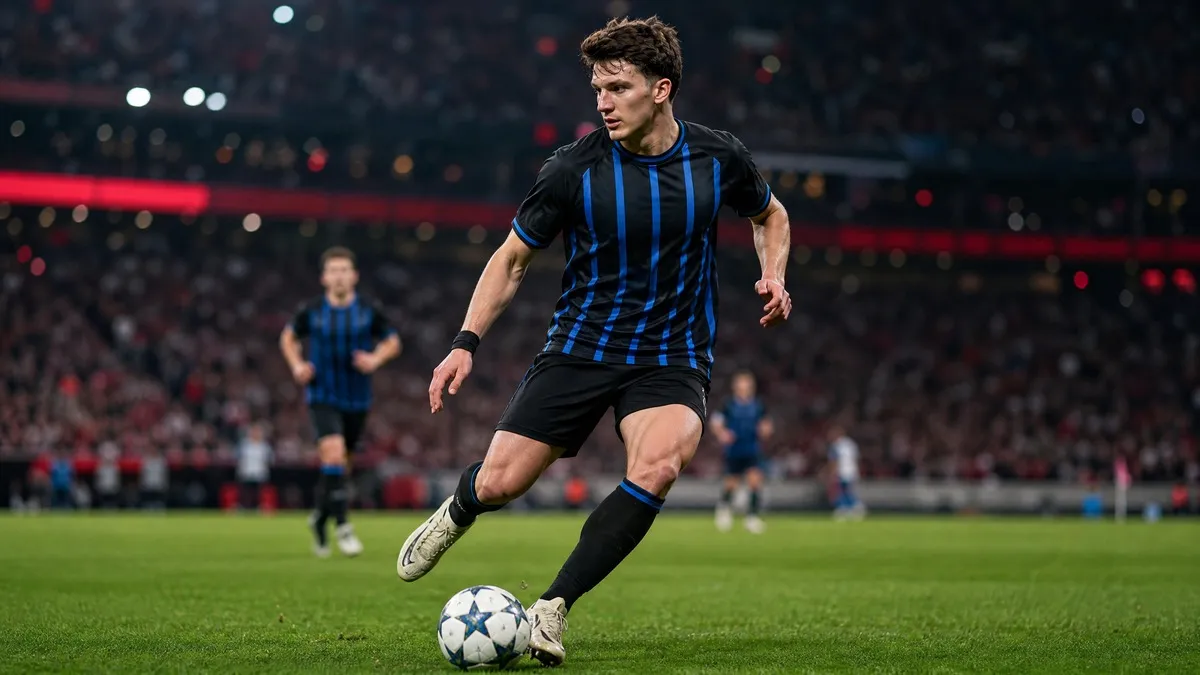
If you sketch the ideal modern left-sided center-back for Barcelona, Alessandro Bastoni looks like the answer. He is 26, left-footed, calm in possession, and experienced in the highest-pressure matches with Inter Milan. Nearly 300 appearances at club level and 41 caps for Italy speak to his durability and status, which is why Barcelona defense targets have a clear “premium” tier. Bastoni is the kind of signing that changes the tone of a defense immediately.
The complication is obvious: Bastoni’s contract runs until 2028, and Inter Milan have no incentive to sell cheaply. For Barcelona, that means any pursuit would require either a major fee, creative structures, or a moment when Inter need to balance their own books. Barcelona transfer news around Bastoni will always sound dramatic, but Deco’s interest is logical rather than romantic. He wants a leader who can play in a back four or a three, depending on the coach’s evolution.
Bastoni’s value isn’t only in defending; it’s in how he helps a team keep the ball and control territory. His passing range breaks lines without forcing risky central passes, and his composure invites midfielders to take higher positions. For Barcelona, that matters because their best football depends on clean first phases. Barcelona defense targets are being judged on whether they can defend space behind them, and Bastoni has shown he can manage that risk in Serie A and Europe.
Inter Milan can point to the 2028 deal and set a price that reflects both performance and scarcity. Barcelona, meanwhile, must respect La Liga spending rules and the optics of spending big while still managing wage commitments. That tension is why Bastoni is a “plan” rather than a quick move, even if Barcelona defense targets lists him near the top. Deco’s challenge is to find the moment when sporting desire meets financial feasibility, and that moment may not arrive quickly.
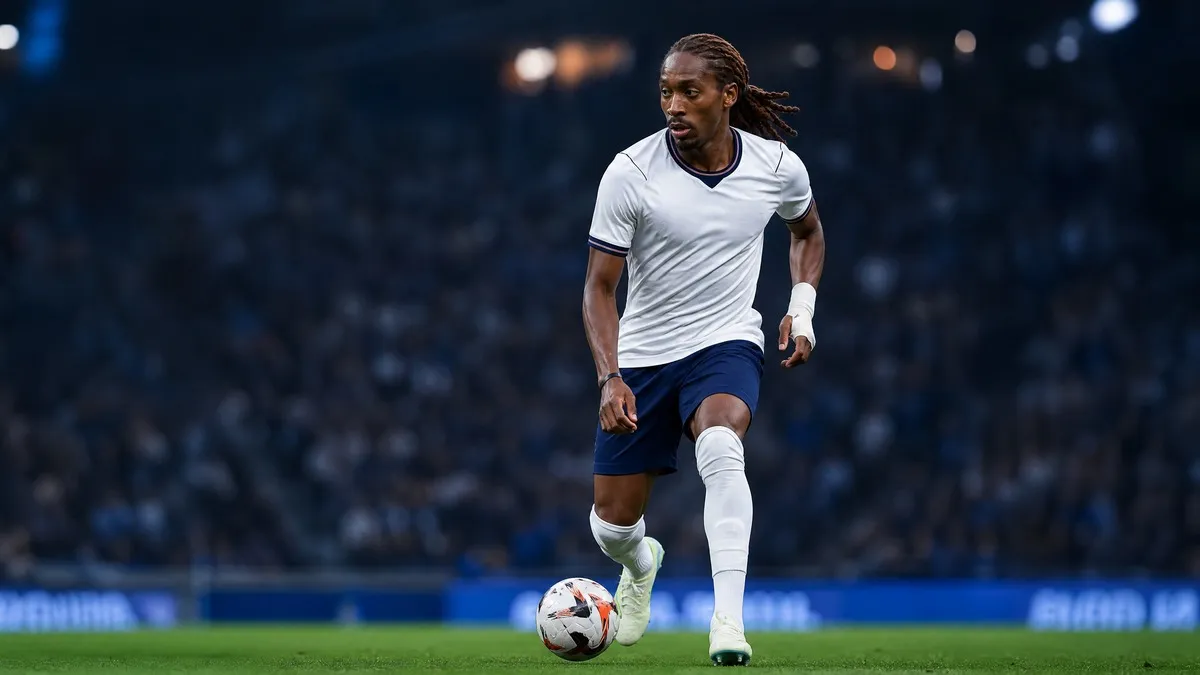
On the other end of the spectrum sits Luka Vuskovic, a 19-year-old currently on loan at Hamburg from Tottenham Hotspur. His rise has been fueled by versatility, physical maturity, and a willingness to take responsibility in tough matches. Barcelona see him as a player whose value could jump quickly, which is why he has entered the Barcelona defense targets conversation early. For a club managing finances, a younger profile can sometimes be the smarter bet.
Vuskovic’s appeal is also about timing, because he’s at a stage where he wants a clear route to elite European football. The pitch to him is simple: join a contender, learn within a possession-dominant environment, and compete for trophies. Barcelona transfer news often focuses on stars, but the club’s best squads have historically blended icons with carefully chosen prospects. Barcelona defense targets therefore include Vuskovic as a potential medium-term starter rather than an immediate savior.
A loan in the Bundesliga can be a sharp test, especially for a teenager learning the speed of transitions and the physicality of duels. Vuskovic has been asked to adapt, and that adaptability is exactly what Barcelona’s analysts like. They want defenders who can cover wide spaces, defend set pieces, and still keep their nerve when pressed. Barcelona defense targets aren’t just about technique; they’re about whether a player’s mentality survives chaos.
Because Vuskovic is tied to Tottenham Hotspur, any move would involve a club that doesn’t need to sell at a discount unless it suits them. Tottenham may view him as part of their own future, which complicates Barcelona’s hopes of a straightforward deal. Still, players often influence outcomes when they want a specific sporting project, and Vuskovic is reportedly eager to join a European contender. That makes him one of the more intriguing Barcelona defense targets, even if the route is messy.
Barcelona’s recruitment is never just scouting; it is also accounting, and La Liga spending rules make that reality unavoidable. Every potential arrival must fit into a salary limit shaped by revenue, amortization, and existing wage commitments. That is why Barcelona defense targets are being discussed alongside internal decisions about renewals, sales, and contract structures. Deco can admire Bastoni’s profile all day, but if the wage bill can’t breathe, admiration won’t become a transfer.
The club’s leadership has learned that “cheap” signings can become expensive if wages are inflated to compensate for lower fees. That is particularly relevant for established stars who expect top salaries, and it’s another reason the Bastoni idea is complicated. Barcelona also have to consider squad balance, because spending heavily at center-back might limit upgrades elsewhere. Barcelona defense targets are therefore being prioritized not only by ability, but by the total cost of ownership across multiple seasons.
Transfer fees are spread across the length of a contract, and that amortization figure becomes part of the annual cost under league controls. For Barcelona, a large fee for a player on a long deal can squeeze flexibility for years, even if the headline number feels manageable. That is why Barcelona defense targets include younger options who can be signed on longer contracts with lower annual charges. Deco’s job is to make the numbers behave like football decisions, not the other way around.
One major signing can trigger a chain reaction, because it may require a sale, a loan, or a renegotiation elsewhere in the squad. Barcelona have been living that reality for several windows, and the next ones won’t be different. Barcelona defense targets are being evaluated with a clear question: who can arrive without forcing a damaging exit? If the answer is “nobody,” then the club will delay, and delay is sometimes the most responsible move.
Amid the external scouting, Barcelona are also looking inward, and Andreas Christensen’s contract situation has become a key variable. Renewing him could protect value, stabilize the rotation, and give Deco more control over future planning. It also helps the club avoid being cornered into a purchase because of uncertainty. In a market where elite defenders are scarce, keeping a reliable option is often a form of recruitment, even if it doesn’t trend in Barcelona transfer news.
Christensen’s profile fits Barcelona’s needs in several ways: he reads the game well, is comfortable defending space, and can play through pressure. The question is less about quality and more about how his deal fits into long-term wage planning. If Barcelona can renew on terms that make sense, it changes the urgency around Barcelona defense targets like Bastoni. It can also create flexibility to pursue a younger project like Vuskovic without overloading the squad.
Center-back partnerships thrive on repetition, and Barcelona’s defensive injuries last season made repetition rare. Renewing Christensen is a way to preserve at least one constant while the club reshapes other parts of the back line. That continuity is valuable for coaches trying to implement pressing triggers and offside-line discipline. Barcelona defense targets are easier to integrate when the dressing room already has a stable communicator in defense, and Christensen can be that presence.
Barcelona have been burned before by letting contracts run down and losing leverage, so renewals are now treated as part of squad building. The tricky part is agreeing terms that respect La Liga spending rules while still rewarding the player. If Christensen’s renewal is done smartly, it can either set up a future sale at the right time or keep him as a cost-effective starter. Either way, it impacts how aggressively Deco can chase Barcelona defense targets in the market.
The most interesting possibility is that Barcelona aren’t choosing between Bastoni and Vuskovic as mutually exclusive options. In an ideal scenario, they would land one elite, ready-made leader and one younger defender who can grow into the role. That would mirror how top clubs build: a spine of proven winners with a pipeline of emerging talent. Barcelona defense targets are therefore not a shortlist of two, but a blueprint for layering ages, skills, and contract cycles.
There is also a tactical argument for variety, because modern seasons demand different solutions for different opponents. A Bastoni-type defender helps against teams that press and force build-up decisions, while a Vuskovic-type project can be developed for specific matchups and rotational needs. Barcelona’s injuries last season showed that the squad needs multiple “starting-level” options, not just backups. Barcelona defense targets are trying to ensure the club never again enters spring with patched-together pairings.
If Inter Milan refuse to negotiate or set a fee that Barcelona cannot justify, Deco will need alternative routes to the same profile. That could mean waiting for a later window, monitoring other left-footed center-backs, or prioritizing internal development. In that context, Vuskovic becomes even more important, because he represents a pathway that might be financially smoother. Barcelona defense targets are ultimately about options, and Deco is building a menu rather than a single meal.
If Tottenham Hotspur decide Vuskovic is untouchable, Barcelona can still treat his monitoring as valuable intelligence for future windows. Players’ situations change quickly, especially if a pathway to minutes becomes blocked or if the player pushes for a move. Barcelona’s advantage is that they can sell a clear identity and a high-profile stage, but that doesn’t guarantee availability. Barcelona defense targets must therefore include contingency profiles, because elite clubs rarely get every “yes” they want.
For now, the story is less about imminent signatures and more about how Barcelona are trying to behave like a club with a plan. Barcelona defense targets have been set with a premium headliner in Alessandro Bastoni and a high-upside bet in Luka Vuskovic, while Andreas Christensen’s renewal sits quietly in the middle as a crucial lever. Deco’s challenge is to turn scouting conviction into deals that fit La Liga spending rules, without repeating the short-term fixes that caused instability. If Barcelona get the balance right, 2026-27 could start with a defense built to last.

Julian Mercer is a lifelong student of the game whose passion for football was sparked at an early age, after stepping onto the grass of Camp Nou as a six-year-old — a moment that left a lasting impression and set him on a permanent path into the sport. Since then, football has been both his lens on the world and his favourite language. Blending traditional fandom with a deep interest in tactics, squad building, and long-term team development, Julian has spent decades analysing the game from every angle. His fascination with football strategy was further shaped through years of immersive play in Football Manager, a series he has followed since the mid-1990s, developing a sharp eye for patterns, player profiles, and the fine margins that define success. At My World Of Football, Julian focuses on the stories beneath the surface — from tactical evolutions and managerial philosophies to the narratives that connect clubs, players, and supporters across generations. His writing aims to balance insight with accessibility, always grounded in a genuine love for the game.
Continue reading more football news