Bryan Linssen: NEC hero lighting up the Eredivisie
Bryan Linssen’s PSV brace, NEC impact, and praise from Wim Kieft and Ronald Waterreus fuel the debate: best Dutch footballer without a cap?
Bryan Linssen’s PSV brace, NEC impact, and praise from Wim Kieft and Ronald Waterreus fuel the debate: best Dutch footballer without a cap?
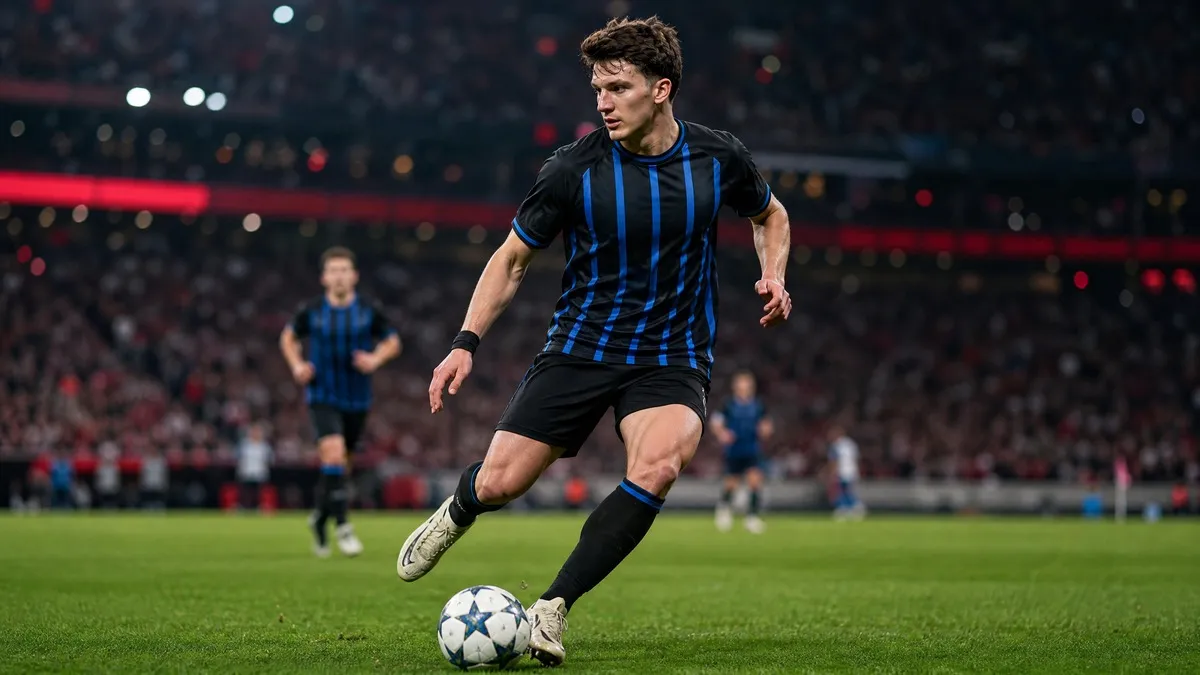
Bryan Linssen is 35, plays his football with NEC, and somehow keeps rewriting the script that usually belongs to younger, faster forwards. His two goals in a wild 2-3 win away at PSV didn’t just swing a match; they reignited a conversation about value, craft, and sheer stubbornness in the Eredivisie. Wim Kieft and Ronald Waterreus both saw something more than a brace: a player fans instantly understand. In Dutch football, that relatability can be as powerful as any highlight reel.
The 2-3 scoreline at PSV read like a classic Eredivisie rollercoaster, but the headline belonged to Bryan Linssen. He didn’t drift through the game waiting for service; he chased, pressed, and arrived in the box like a man who refuses to let the evening pass him by. NEC’s plan needed a finisher who could also be a first defender, and Linssen provided both roles. Against PSV’s pace and possession, his timing became the equaliser.
What made Bryan Linssen’s double so striking wasn’t just the finishing, but the way the goals felt earned through constant movement. PSV defenders were forced into decisions they didn’t want to make, because Linssen kept resetting the duel with every sprint and every nudge. NEC benefited from that chaos, turning second balls into moments of clarity. In a league where patterns can become predictable, Linssen’s unpredictability came from effort rather than tricks.
Watch the game back and you notice how often Bryan Linssen is involved before the shot even exists. He presses the first pass, blocks the simple outlet, and then spins into a channel that drags a centre-back away from comfort. That’s not glamorous, but it’s the kind of detail that makes a 2-3 away win possible for NEC. PSV can handle talent; they hate being harassed into rushed choices.
PSV’s back line likes clear reference points: a striker to mark, a winger to track, a space to protect. Bryan Linssen keeps blurring those references by arriving late, peeling off shoulders, and turning duels into footraces that start from awkward body positions. In the Eredivisie, those micro-advantages matter because teams want to defend with the ball, not without it. Linssen forced PSV into defending moments rather than phases, and that’s when mistakes appear.
Wim Kieft’s praise landed because it sounded like the kind of compliment only a former striker truly values. He didn’t dress Bryan Linssen up as a superstar; he described him as likable, relentless, and infuriating for defenders to play against. In Dutch football culture, that label carries weight, because it hints at a player who wins respect in dressing rooms and on terraces. For NEC, that personality becomes a tactical asset as well as a moral one.
Kieft’s point also touches a nerve in the Eredivisie: the league loves technical elegance, but it survives on players who make matches uncomfortable. Bryan Linssen has never been the poster boy for pure flair, yet he keeps producing decisive moments because he treats every minute as negotiable. He is always bargaining for one more run, one more duel, one more rebound. That attitude can tilt games that look settled on paper, especially away at PSV.
When Wim Kieft calls Bryan Linssen likable, he’s really describing a type of leader that doesn’t need an armband. Linssen plays with a kind of honesty that teammates recognise: if he loses a duel, he sprints to win the next one, and nobody has to guess his mood. NEC’s supporters connect to that because it mirrors how they want their club to compete in the Eredivisie. Likeability becomes credibility, and credibility sustains belief in tight matches.
There’s a temptation to treat goals as isolated events, but Bryan Linssen’s finishing is usually the final note in a longer sequence of pressure. He forces defenders to turn, to retreat, to clear hurriedly, and then he’s in the right zone when the ball breaks. That’s a craft, even if it doesn’t look like a training-ground pattern. In the Eredivisie, strikers who live off these moments can define seasons for clubs like NEC.
Ronald Waterreus offered the kind of observation that sticks because it feels instantly true: Bryan Linssen looks like someone you could picture in a regular job. It’s not an insult; it’s a compliment to his normality in a sport obsessed with celebrity. Waterreus highlighted his relentless energy, the way he keeps going as if the match is a shift that must be completed properly. In Dutch football, that image resonates with fans who value effort as a currency.
Waterreus’s framing also reveals why Bryan Linssen is so hard to categorise. He isn’t a classic target man, nor a pure poacher, nor a silky false nine; he is a worker-forward who never stops interfering with the opponent’s rhythm. NEC can build around that because it gives structure to pressing and transition, especially in the Eredivisie where games swing quickly. Against PSV, his running didn’t just support attacks; it drained the home side’s patience.
In the Eredivisie, where teams often want to play out from the back, a forward like Bryan Linssen becomes a tactical irritant. He triggers presses, forces long clearances, and turns clean build-up into a scrap for territory. That suits NEC because it shortens the pitch and creates the kind of messy moments where underdogs can strike. PSV are at their best when they dictate tempo; Linssen’s running repeatedly stole that control for small stretches.
The “everyday person” angle works because Bryan Linssen has built his career on repeatable habits rather than rare gifts. He looks like someone who has to earn every advantage, which is exactly what he does with movement and timing. For supporters, that makes his goals feel accessible, like proof that commitment can still beat reputation in Dutch football. It also explains why pundits keep returning to him: he embodies the Eredivisie’s romantic belief in merit.
Ronald Waterreus went further than praise and offered a bold label: Bryan Linssen as the best Dutch player without an international cap. That claim instantly invites arguments, because Dutch football has always been rich with talent and crowded positions. Yet it’s hard to dismiss the logic when you consider Linssen’s longevity, his production across clubs, and his ability to influence matches beyond goals. In the Eredivisie, he has been a consistent problem for opponents for years.
The national-team question also exposes how selection often rewards profile and timing as much as form. Bryan Linssen’s peak years coincided with waves of attacking options, and his skill set doesn’t fit the classic Oranje archetype of elegant attackers. But international football also values intensity, off-ball work, and game management, especially late in matches. Linssen has lived in those moments for NEC and beyond, making Waterreus’s verdict feel less like provocation and more like overdue recognition.
Waterreus acknowledged that the same label could apply to Sven Botman, and that comparison is revealing. Botman represents the modern Dutch centre-back: tall, composed, and built for elite systems, yet international opportunities can be blocked by depth and timing. Bryan Linssen, by contrast, is a forward whose value is often measured too narrowly by aesthetics. The debate isn’t just about who is better; it’s about which roles get celebrated in Dutch football conversations.
Calling Bryan Linssen the best uncapped Dutch player isn’t merely a trivia point; it’s a comment on the brutal competition for places. The Netherlands have produced waves of attackers, and coaches tend to prefer profiles that fit a possession-dominant identity. Linssen’s strengths—pressing, chaos creation, second-ball instincts—can look ordinary until you face them. In the Eredivisie, those traits win points, and points are the currency that should matter most when judging a career.
NEC’s rise in competitiveness has been built on organisation, belief, and players who embrace uncomfortable work, and Bryan Linssen fits that blueprint perfectly. He gives the team an outlet when they’re under pressure, not because he wins every aerial duel, but because he keeps the ball alive with clever touches and relentless chasing. In the Eredivisie, that matters when opponents like PSV try to pin you back. Linssen turns clearances into attacks by refusing to let phases end cleanly.
There’s also a psychological lift that comes with a forward who never hides. Bryan Linssen demands that defenders stay switched on, and that constant demand can open spaces for teammates who thrive when the spotlight shifts. NEC can press higher because Linssen sets the tone, and they can counter faster because he runs the first lane without hesitation. Against PSV, those patterns were visible: even when NEC were stretched, his movement offered a route back into the game.
Coaches love players who make the same high-quality run again and again, because it creates reliability in chaos. Bryan Linssen is that kind of forward for NEC, setting pressing triggers with his body shape and sprint angles. He doesn’t just chase; he chases to force the pass into a predetermined zone, where NEC can pounce. In the Eredivisie, where transitions decide matches, those repeatable runs can be as valuable as a playmaker’s pass.
At 35, Bryan Linssen brings a veteran edge that isn’t loud, but it’s constant. He understands when to slow a phase, when to draw a foul, and when to gamble on a run that looks pointless until it isn’t. That maturity helps NEC in away games, where momentum can flip after a single mistake. Against PSV, his calm in decisive moments contrasted with the frantic energy around him, and that contrast often decides which team survives the chaos.
It’s tempting to treat a brace at PSV as a late-career flourish, but Bryan Linssen’s form suggests something more sustainable: a player whose game ages well because it’s built on instincts and effort. Pace fades, but anticipation and stubbornness can remain elite, and Linssen has always leaned on those foundations. In the Eredivisie, where young defenders learn on the job, a savvy forward can keep exploiting small errors. NEC are benefiting from that experience right now.
Beyond statistics, Bryan Linssen offers a story Dutch football rarely celebrates enough: the professional who keeps improving his usefulness. He adapts to systems, accepts different roles, and still finds ways to matter in big matches like the one at PSV. That’s why pundits like Wim Kieft and Ronald Waterreus sound almost protective when they praise him; they recognise a type of player every league needs. In the Eredivisie, he represents the idea that impact isn’t reserved for the chosen few.
Forwards who rely on explosive pace often hit a wall, but Bryan Linssen’s best moments come from reading the game early. He starts runs before defenders have set their feet, and he arrives where the ball will land rather than where it is. That kind of intelligence can last, especially in the Eredivisie where spacing is generous and transitions are frequent. If NEC manage his minutes well, Linssen can remain decisive even as the physical demands shift.
Supporters don’t need Bryan Linssen to become a national-team regret story to value him; they want more nights like PSV, when a familiar worker becomes the headline. If he continues to score in high-leverage matches, the “best uncapped” label will stick as a badge of honour rather than a complaint. For NEC, that’s priceless marketing and priceless points. In Dutch football, legacies are often written in giant clubs, but Linssen is proving they can be written anywhere.
Bryan Linssen’s brace at PSV was the kind of performance that cuts through noise, because it combined goals with a message about how football games are truly won. Wim Kieft admired the likeability and graft, Ronald Waterreus saw the relentless engine and the everyman quality, and NEC saw the points that keep a season alive. Whether you agree he’s the best Dutch player without a cap, it’s hard to argue with his influence. In the Eredivisie, Bryan Linssen remains proof that effort, intelligence, and nerve can still beat reputation.

Julian Mercer is a lifelong student of the game whose passion for football was sparked at an early age, after stepping onto the grass of Camp Nou as a six-year-old — a moment that left a lasting impression and set him on a permanent path into the sport. Since then, football has been both his lens on the world and his favourite language. Blending traditional fandom with a deep interest in tactics, squad building, and long-term team development, Julian has spent decades analysing the game from every angle. His fascination with football strategy was further shaped through years of immersive play in Football Manager, a series he has followed since the mid-1990s, developing a sharp eye for patterns, player profiles, and the fine margins that define success. At My World Of Football, Julian focuses on the stories beneath the surface — from tactical evolutions and managerial philosophies to the narratives that connect clubs, players, and supporters across generations. His writing aims to balance insight with accessibility, always grounded in a genuine love for the game.
Continue reading more football news