Dejan Kulusevski injury update: Sweden playoff call
Dejan Kulusevski injury update as the Tottenham winger joins Sweden national team camp for World Cup playoffs, boosting morale ahead of Ukraine match.
Dejan Kulusevski injury update as the Tottenham winger joins Sweden national team camp for World Cup playoffs, boosting morale ahead of Ukraine match.
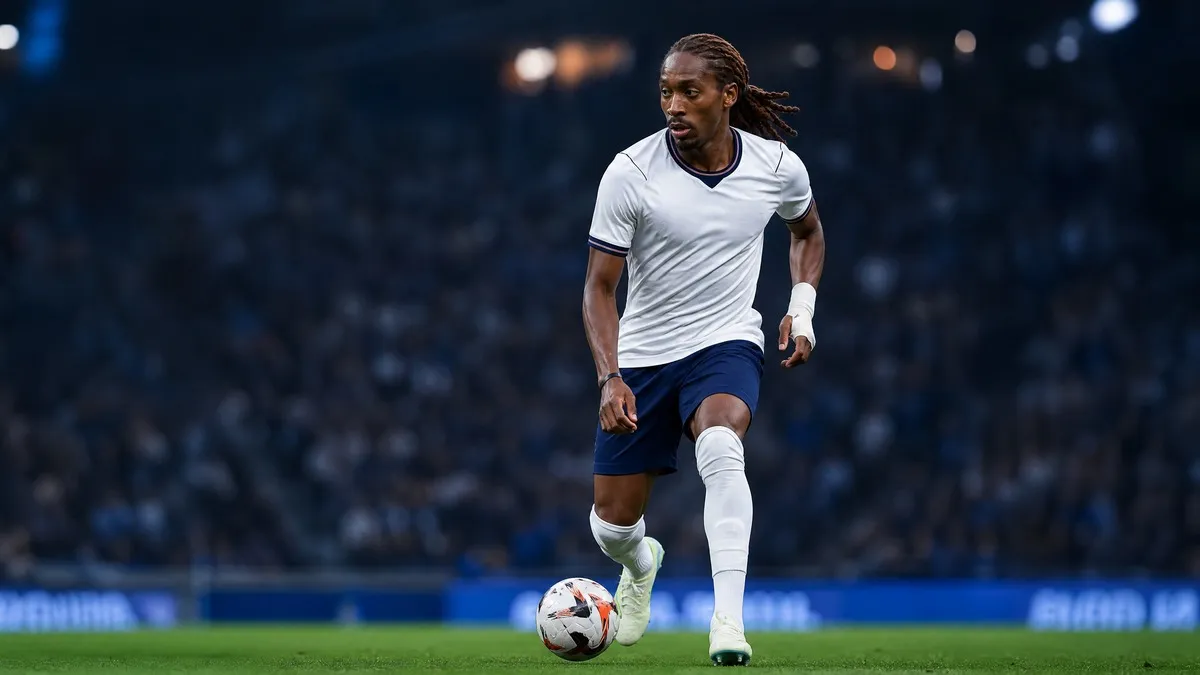
Tottenham Hotspur supporters have been living on scraps of optimism for months, and the latest Dejan Kulusevski injury update lands somewhere between hope and hard reality. After nearly a year sidelined by a serious knee problem and major surgery, Kulusevski still hasn’t returned to match action, yet he’s heading to the Sweden national team camp for the 2026 World Cup playoffs. Sweden boss Graham Potter isn’t pretending the winger is ready to play, but he believes his presence can lift a squad facing a tense Ukraine match.
The headline Dejan Kulusevski injury update is unusual because it’s less about minutes and more about meaning. Kulusevski has not played since May of last year, and his rehabilitation has been slow enough to make any competitive return feel distant. Still, Sweden have invited him to join the group as they prepare for the World Cup playoffs, effectively treating him as a non-playing leader. In a tight international window, that is a deliberate, symbolic selection.
For Tottenham Hotspur, the Dejan Kulusevski injury update also carries a familiar sting: the club can’t accelerate biology, and neither can the player. Spurs have missed his ball-carrying, pressing and end-product, particularly in a season where margins have been brutal. Sweden’s camp invitation doesn’t change his medical timeline, but it does show how highly his character is rated. Potter is betting that a recovering star can still influence a room.
Graham Potter has framed this call-up as a culture move rather than a tactical one, and that matters in any Dejan Kulusevski injury update. Sweden’s coach wants standards, calm and belief before a high-pressure playoff, and he views Kulusevski as a carrier of those traits. Even when injured, players of his status shape training intensity and dressing-room tone. In a short camp, emotional control can be as valuable as any set-piece routine.
Every Dejan Kulusevski injury update has to acknowledge the mental load of being out for nearly a year. Knee injuries that require major surgery often come with setbacks, swelling cycles, and the constant negotiation between pushing and protecting. The player’s identity is tied to rhythm, and rhythm disappears when matchdays turn into rehab days. Joining Sweden may offer a different kind of therapy: belonging, purpose, and the feeling of contributing again.
From a Tottenham Hotspur perspective, the Dejan Kulusevski injury update is also a reminder of how much of their attacking structure once flowed through him. He’s the type of winger who doesn’t just hug the touchline; he drifts inside, links play, and creates angles that make others better. When he’s absent, Spurs can look predictable, relying on hopeful transitions rather than layered possession. Over a long season, that absence compounds into points dropped.
Spurs’ league position adds extra tension to every Dejan Kulusevski injury update, because the club are sitting just above the relegation zone. That context makes his recovery feel like a potential turning point, even if it’s not imminent. The next Premier League match after the international break is Sunderland, and it already feels like a fixture loaded with consequence. Tottenham need solutions now, but Kulusevski remains a future boost rather than a present fix.
Supporters will read any Dejan Kulusevski injury update through the lens of survival pressure, and the Sunderland match is the next checkpoint. Spurs can’t afford to wait for perfect conditions; they need immediate clarity in selection, shape, and mentality. A recovering Kulusevski being with Sweden doesn’t change Tottenham’s weekend options, but it does amplify the sense of a club stretched thin. When you’re near the bottom, every unavailable starter feels like a missing lifeline.
The deeper footballing angle in this Dejan Kulusevski injury update is how his profile fits modern Premier League demands. He’s strong in duels, protects the ball under pressure, and can turn a scrappy possession into a controlled attack. He also helps set pressing triggers, closing passing lanes and forcing opponents into mistakes. Without that blend of work rate and craft, Tottenham can look either too passive or too chaotic, with little in between.
Sweden’s immediate concern is the Ukraine match, and the Dejan Kulusevski injury update becomes a subplot in a week defined by nerve. World Cup playoffs are unforgiving, often decided by one moment, one lapse, or one inspired substitution. Sweden have talent, but they also carry the weight of expectation, especially when a nation sees qualification as a baseline rather than a bonus. In that environment, leadership and composure become tactical weapons.
Potter’s decision to bring Kulusevski into camp reflects an understanding that playoff football is as much about mood as it is about match plans. This Dejan Kulusevski injury update isn’t promising a miraculous return, but it is promising a familiar face in a squad that needs anchors. Ukraine are typically organised, resilient and dangerous in transition, and Sweden will need their best emotional discipline. Sometimes the calmest influence comes from someone who isn’t competing for a starting spot.
There are subtle ways to leverage a Dejan Kulusevski injury update without risking the player on the pitch. Potter can involve him in tactical meetings, opposition analysis, and even in mentoring younger wide players during training. A recovering senior can reinforce key messages because he’s not distracted by his own selection anxieties. In playoff weeks, clarity is oxygen, and a trusted voice repeating the plan can prevent the squad from spiralling into overthinking.
The Ukraine match is likely to test Sweden’s patience, and that’s where the Dejan Kulusevski injury update ties into mentality. Ukraine can sit compact, absorb pressure, and then break with speed, forcing opponents to chase the game emotionally. Sweden must avoid rushing attacks, conceding cheap transitions, or letting frustration dictate decisions. Kulusevski’s presence, even as a non-playing figure, can reinforce the idea of staying calm through long, tense phases.
Former Spurs manager Thomas Frank has offered one of the more sobering perspectives within this Dejan Kulusevski injury update, stressing the complexity of the injury and the need for pain-free rehabilitation. That phrase—pain-free—matters because it hints at the real battle: not simply rebuilding strength, but ensuring the knee tolerates load without inflammation. Major surgery is not a straight line back to form, and any shortcut can cost months. Frank’s message is essentially patience with purpose.
In modern football, players are pushed by schedules, expectations and the fear of being forgotten, which makes this Dejan Kulusevski injury update particularly delicate. Knee rehab often involves alternating weeks of progress and caution, with the body reacting differently to each new intensity jump. Clubs and countries can want timelines, but the knee doesn’t negotiate. Frank’s emphasis suggests that Kulusevski’s camp trip is safe only if it respects the boundaries of his recovery plan.
When a Dejan Kulusevski injury update includes “major surgery,” it changes how you interpret every next step. Returning isn’t just about being able to run; it’s about deceleration, twisting, contact tolerance, and confidence in the joint under unpredictable stress. Match play is the harshest assessment because it forces reactive movement, not scripted drills. That is why even a confident training video can mislead fans into thinking the comeback is closer than it really is.
The most dangerous part of any Dejan Kulusevski injury update is the temptation to chase the final 10% too aggressively. Players can feel “nearly there” in controlled sessions, then discover that the joint reacts badly after higher-intensity work. That last phase is where re-injury risk and chronic pain risk can both rise. Frank’s point about pain-free rehab is a reminder that the goal isn’t just returning, but returning sustainably.
It’s important to decode what a “support role” means in this Dejan Kulusevski injury update, because fans often assume camp equals selection. Sweden are not announcing him as an option for the Ukraine match; they are inviting him to be around the group, to share routines, and to feel part of the mission. That can be valuable for a player whose last competitive minutes came almost a year ago. It also keeps his international identity alive during a long absence.
From a Tottenham Hotspur standpoint, the Dejan Kulusevski injury update raises practical questions about workload and travel. Even if he isn’t training fully, being in camp involves flights, schedules, media obligations, and the general fatigue of being “on.” Sweden and Spurs will need alignment so that the trip doesn’t create swelling or discomfort. The best-case scenario is that camp provides emotional lift without physical cost, a balance that elite rehab demands.
Football dressing rooms are ecosystems, and this Dejan Kulusevski injury update highlights how influence isn’t limited to the pitch. Injured stars can set standards by how they handle adversity, how they speak in meetings, and how they support teammates who are carrying pressure. When a squad sees a key player still committed despite setbacks, it can sharpen collective focus. In playoffs, where anxiety spreads quickly, a steady presence can be a quiet competitive edge.
If you’re tracking the Dejan Kulusevski injury update closely, the key isn’t whether he’s photographed in training bibs. The real clues are language and consistency: do Sweden describe him as “integrated,” “progressing,” or strictly “supporting”? Are there mentions of individual work, gym sessions, or controlled pitch drills? Those details indicate the stage of rehab without revealing medical specifics. Silence can be meaningful too, often signalling a cautious, protected plan.
Tottenham’s season has created a harsh backdrop for every Dejan Kulusevski injury update, because the club’s margin for error has evaporated. Sitting just above the relegation zone turns each fixture into a referendum on the project, and it magnifies the absence of players who can change games. Kulusevski is one of those difference-makers, but he can’t be treated as a rescue fantasy. Spurs need points through structure and grit while his recovery continues quietly in the background.
Yet hope is still part of the Dejan Kulusevski injury update, because long-term recoveries often end with a sudden-looking return that was actually built over months. If he can reach pain-free consistency, Tottenham gain a player who fits multiple roles across the front line and gives them a platform to climb. Sweden’s invitation hints that his standing remains high, even during inactivity. For fans, that’s a reminder that absence hasn’t erased his value, only delayed its impact.
The healthiest way to read a Dejan Kulusevski injury update is to separate “back in training” from “back to being Kulusevski.” Players returning from major knee issues often need a run of games before their sharpness, timing and explosiveness fully reappear. Tottenham will have to manage minutes, accept some rust, and judge progress over months rather than weeks. The goal should be a stable, upward curve, not an instant return to peak output.
Confidence is fragile after a long layoff, and this Dejan Kulusevski injury update suggests Sweden are trying to rebuild it in a controlled way. Being valued enough to join a playoff camp can restore a player’s sense of status and belonging, which matters when rehab feels isolating. If he can contribute socially and tactically without physical strain, it may help him re-enter competitive environments with less anxiety. Sometimes the first step back is simply being present again.
As the Ukraine match approaches, the Dejan Kulusevski injury update remains a story of patience rather than miracles. Potter is using the winger’s personality to strengthen the Sweden national team during the World Cup playoffs, while Tottenham Hotspur continue to fight for stability with Sunderland next after the break. Thomas Frank’s caution about pain-free rehabilitation should temper any rush to declare a comeback date. For now, Kulusevski’s most important contribution is symbolic: proof that the mission continues, even when the body says wait.

Julian Mercer is a lifelong student of the game whose passion for football was sparked at an early age, after stepping onto the grass of Camp Nou as a six-year-old — a moment that left a lasting impression and set him on a permanent path into the sport. Since then, football has been both his lens on the world and his favourite language. Blending traditional fandom with a deep interest in tactics, squad building, and long-term team development, Julian has spent decades analysing the game from every angle. His fascination with football strategy was further shaped through years of immersive play in Football Manager, a series he has followed since the mid-1990s, developing a sharp eye for patterns, player profiles, and the fine margins that define success. At My World Of Football, Julian focuses on the stories beneath the surface — from tactical evolutions and managerial philosophies to the narratives that connect clubs, players, and supporters across generations. His writing aims to balance insight with accessibility, always grounded in a genuine love for the game.
Continue reading more football news