Jan Paul van Hecke transfer news: €60m Brighton plan
Jan Paul van Hecke transfer news as Brighton seek €60m, manage media noise, chase Europe, and weigh World Cup impact—while NAC Breda eyes a windfall.
Jan Paul van Hecke transfer news as Brighton seek €60m, manage media noise, chase Europe, and weigh World Cup impact—while NAC Breda eyes a windfall.
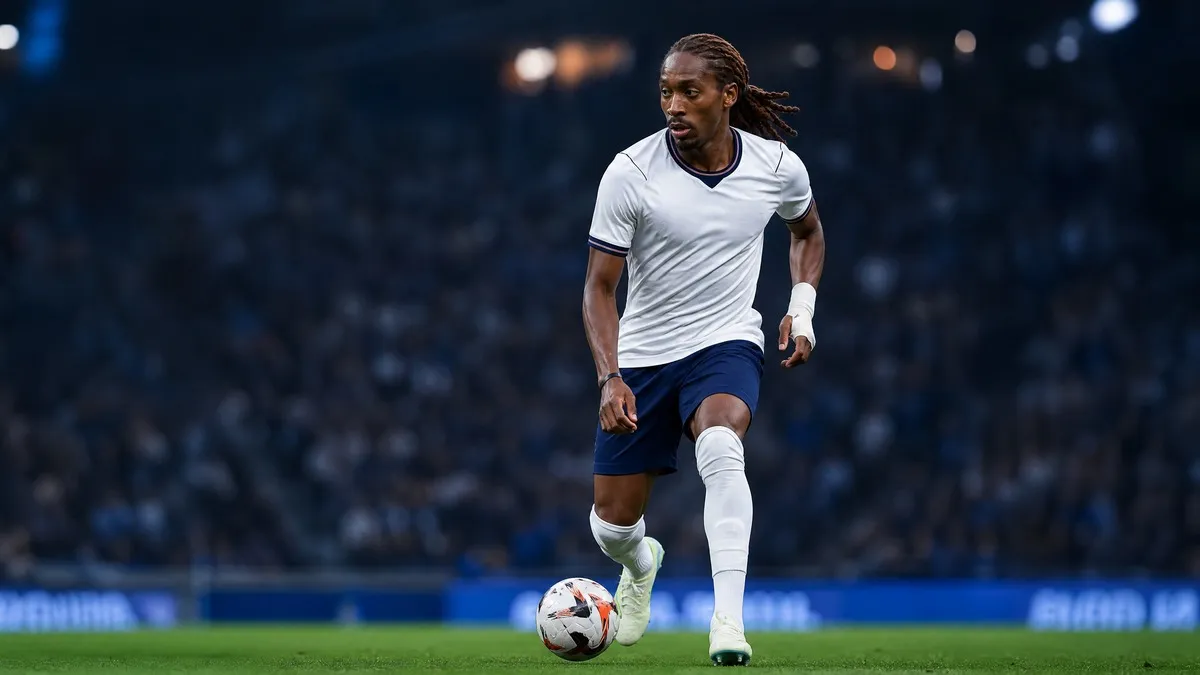
Brighton & Hove Albion’s season has become a balancing act between chasing Europe and managing the market, and few stories capture that tension like the Jan Paul van Hecke transfer news swirling after the 2-2 draw with Tottenham. The 25-year-old centre-back has quietly turned into one of the club’s most bankable assets, to the point where a reported €60 million valuation is now part of the conversation. Brighton’s press chief keeping him away from post-match microphones felt less like routine and more like strategy. With a World Cup on the horizon, the next few months could define his price and his path.
The immediate backdrop to the latest Jan Paul van Hecke transfer news is Brighton’s 2-2 with Tottenham, a game that showcased both their attacking belief and their defensive stress points. Van Hecke’s profile rises in matches like that, where high lines and quick transitions expose every decision a centre-back makes. Brighton know that one viral clip or one careless quote can tilt a narrative. So the club’s decision to keep him away from the media looked like a pre-emptive move to protect both player and project.
There’s also a wider communications play at work, because Brighton have learned that the summer transfer market starts long before June. When a player is linked with big moves, every interview becomes a fishing expedition for hints, frustrations, or promises. By removing Van Hecke from the immediate post-match cycle, Brighton reduce the noise around the dressing room. It’s not about hiding him; it’s about controlling the tempo while European qualification remains the priority.
Brighton’s approach reflects a club that treats marginal gains seriously, from recruitment to messaging. A defender being asked weekly about a potential €60 million transfer can subtly change how he plays, how he trains, and how teammates relate to him. The press blackout keeps the focus on points rather than price tags, especially in a run-in where confidence swings quickly. In that sense, the Jan Paul van Hecke transfer news is being managed like an opponent.
European qualification is not just a prestige target; it alters budgets, wage structures, and the club’s ability to say “no” in negotiations. If Brighton can secure Europe again, they can argue they don’t need to sell, even if the market thinks otherwise. That leverage matters when you’re pushing a premium valuation for a defender. The Jan Paul van Hecke transfer news is therefore tied to results, because each point can add millions in negotiating strength.
The reported €60 million transfer fee is the headline, but Brighton’s logic is rooted in scarcity and fit. Elite, ball-playing central defenders who can defend space, build under pressure, and survive in a high line are among the most difficult profiles to buy. Brighton have watched the market inflate for that exact archetype, and they will point to comparable deals across the Premier League and Europe. In that context, Jan Paul van Hecke transfer news isn’t hype; it’s price discovery.
Van Hecke’s current market value may sit lower on public estimates, yet Brighton’s internal valuation reflects more than spreadsheets. He is under contract until 2027, meaning the club can credibly insist they are not forced sellers. That contract length also signals that any buyer must pay for certainty, not potential. The €60 million transfer figure becomes a statement: if you want him in this summer transfer market, you pay for Brighton’s planning and the player’s trajectory.
A deal running to 2027 changes the negotiation dynamic because it removes the usual ticking-clock discount. Brighton can open talks from a position of calm, while interested clubs must decide whether to meet the valuation now or risk losing out later. Yet there’s a twist: if Brighton truly want a substantial fee, the optimal time is often when the contract still looks long. That’s why Jan Paul van Hecke transfer news feels urgent despite the years remaining.
In scouting terms, Van Hecke’s appeal is that he looks comfortable in the chaos that defines top-level matches. He can step into midfield to close space, recover into the box, and still find progressive passes that start attacks. Coaches love defenders who don’t just clear danger but control it, and Brighton’s system asks for exactly that. The Jan Paul van Hecke transfer news is powered by the idea that his skill set scales upward with better teammates.
The World Cup impact is the accelerant in this story, because international tournaments don’t just showcase players—they reframe them. A strong run with the Netherlands can turn a “good Premier League defender” into a “Dutch international” with global visibility, and that label carries commercial and sporting weight. Brighton are well aware that one standout performance on the biggest stage can make €60 million look like yesterday’s number. The Jan Paul van Hecke transfer news is therefore being read through a tournament lens.
For Van Hecke, the World Cup is also a personal milestone, a chance to cement himself in a national-team picture that can be fiercely competitive. Defenders often gain reputation through reliability rather than highlight reels, but tournaments compress attention into a few games. If he becomes a trusted option, his market shifts from speculative to proven at the highest level. That’s why the summer transfer market could become a race to buy before the World Cup impact fully lands.
Becoming a Dutch international regular changes how clubs pitch a signing internally, especially at the elite level where recruitment must satisfy coaches, sporting directors, and owners. It’s easier to justify a premium fee when the player is tested against top forwards in high-pressure settings. Brighton also know that national-team status can influence wages and expectations, which affects retention. In practical terms, Jan Paul van Hecke transfer news grows louder every time he moves closer to cementing that orange shirt.
Clubs often prefer to complete deals before a major tournament because the downside risk is smaller and the upside is enormous. If Van Hecke shines, the selling club’s price rises and competition increases, creating a bidding environment. If he struggles or gets injured, buyers can claim uncertainty and negotiate down. That asymmetry encourages early offers, which is why Jan Paul van Hecke transfer news is likely to intensify well before international squads are finalized.
Brighton’s model is admired because it blends smart recruitment with brave coaching, yet the summer transfer market always tests that identity. Selling a key defender can weaken a squad, but refusing a huge offer can limit reinvestment and wage growth. With Van Hecke, the stakes are sharper because centre-back continuity underpins the whole system, from build-up patterns to pressing triggers. The Jan Paul van Hecke transfer news is essentially a referendum on how Brighton want to evolve.
The club’s reported stance suggests they believe this summer is the moment to maximise value, even with a contract to 2027. That sounds counterintuitive until you consider market cycles: values can peak quickly, and a World Cup can either inflate or complicate a player’s future. Brighton also know that keeping an in-demand player through a noisy window can create dressing-room uncertainty. So the Jan Paul van Hecke transfer news is about timing as much as talent.
Brighton can recruit, but replacing a defender who already understands the league, the pace, and the tactical demands is rarely straightforward. A new centre-back must learn automatisms with the goalkeeper, full-backs, and midfield screen, and those relationships take months. That’s why even a €60 million transfer fee comes with sporting risk, especially if European qualification brings extra matches. The Jan Paul van Hecke transfer news therefore forces Brighton to weigh cash against cohesion.
If Brighton reach Europe, the calendar becomes unforgiving, and rotation stops being a luxury. In that scenario, selling a starting defender without a near-ready replacement could undermine the very European campaign they worked to earn. Conversely, European money and prestige can help attract replacements who might otherwise hesitate. That push-and-pull is why Jan Paul van Hecke transfer news can’t be separated from the league table; the club’s ambition determines its appetite for risk.
One of the more fascinating layers in the Jan Paul van Hecke transfer news is the ripple effect back in the Netherlands, where NAC Breda stand to benefit financially. Modern transfers often include sell-on clauses, training compensation, and solidarity payments that reward clubs for developing talent. For a side like NAC Breda, a megatransfer can fund academy upgrades, scouting expansion, or simply stabilize budgets. It’s a reminder that the football economy is connected from top to bottom.
Supporters sometimes see these mechanisms as footnotes, but for feeder clubs they are strategic lifelines. A €60 million transfer at Premier League level can translate into meaningful, transformative money for a Dutch club outside the financial elite. NAC Breda’s interest is also emotional, because it validates their role in a player’s journey. The Jan Paul van Hecke transfer news is therefore not just Brighton’s story; it’s part of a broader development pipeline that keeps football’s ecosystem moving.
Sell-on clauses have become a key tool for smaller clubs to participate in future upside, especially when they can’t demand huge upfront fees. They also encourage good relationships between clubs, because everyone benefits when a player climbs the ladder. If Van Hecke moves for a premium, NAC Breda’s share could be a headline in its own right. The Jan Paul van Hecke transfer news shows how smart contract structuring can reward early belief in a player’s potential.
Buyers love a coherent development story: academy grounding, gradual steps, tactical education, and resilience. Dutch football’s reputation for producing technically sound, positionally intelligent defenders adds a layer of marketability, especially when paired with Premier League proof. That narrative can be leveraged in negotiations, because it suggests the player will adapt to complex systems. In that way, Jan Paul van Hecke transfer news is strengthened by the credibility of his pathway, including NAC Breda’s role.
The next phase of Jan Paul van Hecke transfer news will likely be shaped by two forces: Brighton’s insistence on value and the buyer’s belief in immediate impact. Clubs shopping at the top end want defenders who can start quickly, not projects who need a season of adaptation. That narrows the field to teams with clear tactical need, budget flexibility, and patience to handle Brighton’s negotiating style. If early bids fall short, Brighton can simply point to 2027 and keep playing him.
Meanwhile, the club’s decision to limit media access suggests they want the player’s performances to do the talking. Silence can be powerful in a market that thrives on quotes and leaks, because it denies rivals easy signals about willingness to sell. It also protects Van Hecke from being framed as someone with one foot out the door, which can affect fan perception. The Jan Paul van Hecke transfer news may therefore unfold in briefings and numbers rather than interviews and soundbites.
In the summer transfer market, the most logical suitors are teams that defend high, build from the back, and need composure under pressure. Those clubs will value Van Hecke’s ability to pass through lines and defend space behind him, rather than purely aerial dominance. Financially, it points toward Premier League rivals and Champions League-level sides seeking depth and durability. The Jan Paul van Hecke transfer news will sharpen as soon as one club decides he is a “must” rather than a “maybe.”
Brighton have built a reputation for calm, data-led decisions, and that identity extends to how they handle public narratives. By keeping Van Hecke away from microphones after Tottenham, they signaled that the club—not the rumor mill—sets the agenda. It’s a subtle reminder to buyers that Brighton will not be rushed by headlines or fan chatter. In a window where every day brings new Jan Paul van Hecke transfer news, that discipline could be the difference between a good fee and a record one.
For now, the clearest truth is that Brighton’s priorities are running on parallel tracks: chase European qualification at full speed, and protect the value of a defender whose stock is rising. The reported €60 million transfer target is ambitious, but the market for elite centre-backs is rarely rational, especially with World Cup impact looming. If Brighton do decide they must sell this summer to secure a substantial fee, they will want the deal done on their terms and their timeline. And somewhere in the background, NAC Breda will be watching every update, knowing that Jan Paul van Hecke transfer news could turn into a windfall that reshapes their future.

Julian Mercer is a lifelong student of the game whose passion for football was sparked at an early age, after stepping onto the grass of Camp Nou as a six-year-old — a moment that left a lasting impression and set him on a permanent path into the sport. Since then, football has been both his lens on the world and his favourite language. Blending traditional fandom with a deep interest in tactics, squad building, and long-term team development, Julian has spent decades analysing the game from every angle. His fascination with football strategy was further shaped through years of immersive play in Football Manager, a series he has followed since the mid-1990s, developing a sharp eye for patterns, player profiles, and the fine margins that define success. At My World Of Football, Julian focuses on the stories beneath the surface — from tactical evolutions and managerial philosophies to the narratives that connect clubs, players, and supporters across generations. His writing aims to balance insight with accessibility, always grounded in a genuine love for the game.
Continue reading more football news