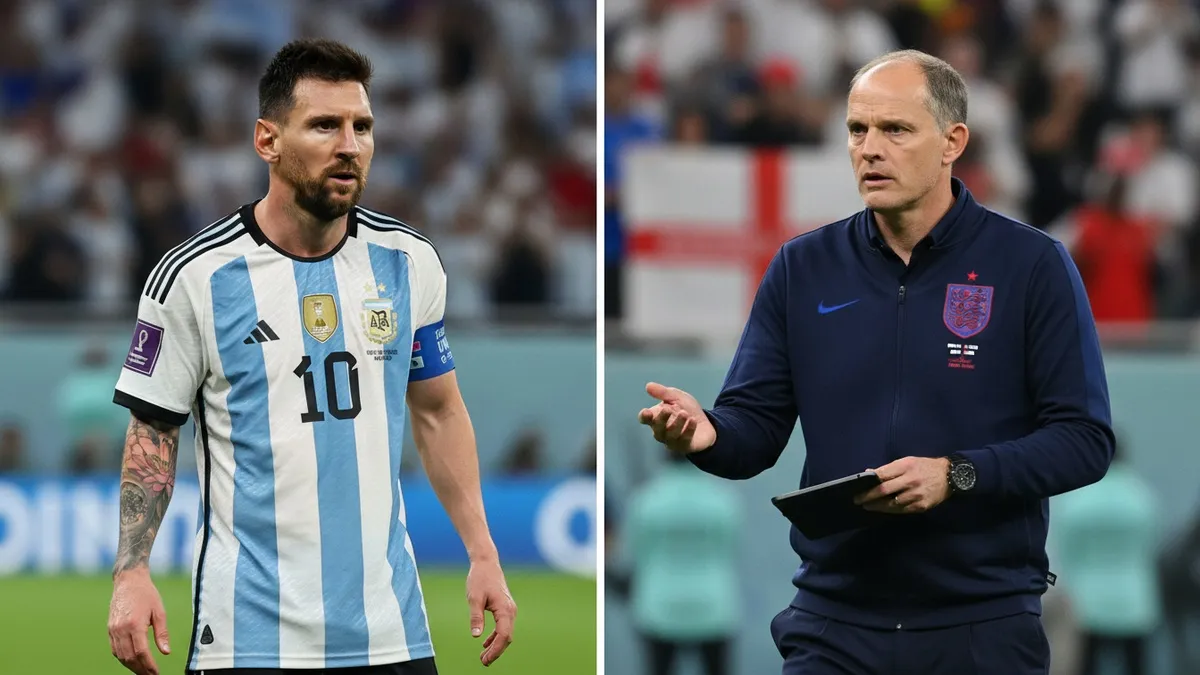
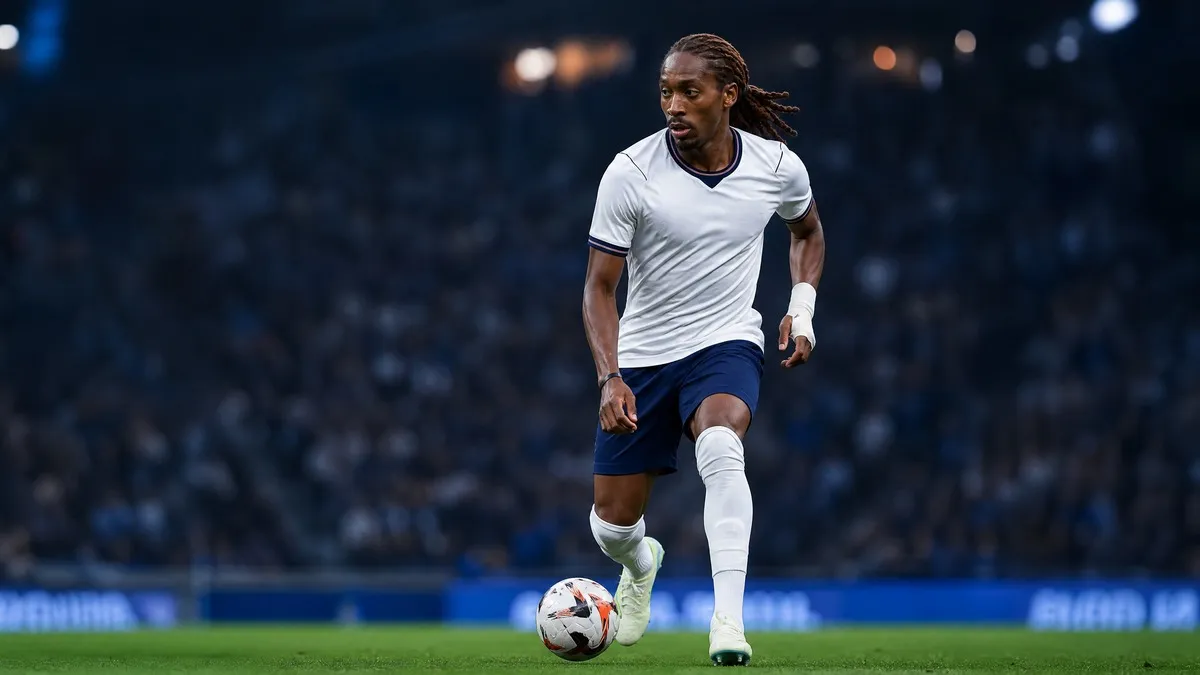
Julian Alvarez transfer news: Barcelona talks heat up
Julian Alvarez transfer news: Barcelona discuss a Lewandowski successor with Atletico Madrid, but €120m demands and FFP rules complicate a deal.
Julian Alvarez transfer news: Barcelona discuss a Lewandowski successor with Atletico Madrid, but €120m demands and FFP rules complicate a deal.
Barcelona’s summer planning is suddenly less about patching holes and more about choosing the face of their next attack. With Robert Lewandowski increasingly expected to depart on a free, the club is weighing a bold move that has been whispered for years: Julian Alvarez. The Julian Alvarez transfer news has accelerated into real conversations with Atletico Madrid, even if the numbers look intimidating. Between a massive release clause, a hefty valuation, and strict financial fair play, Barça are trying to turn ambition into a workable deal.
The Julian Alvarez transfer news has a clear sporting logic behind it: Barcelona want a forward who can lead the line for the next five to seven years, not just survive the next season. Lewandowski’s likely exit reshapes the squad’s hierarchy, and the club’s recruitment team is treating it as a rare reset moment. Alvarez fits the profile of a modern No.9 who presses, links play, and still arrives in the box with ruthless timing.
Barcelona transfer targets often look glamorous on paper, but this one has history and intent. Alvarez has been tracked since his River Plate days, when his movement and finishing screamed “European-ready” long before the World Cup spotlight arrived. The Julian Alvarez transfer news also reflects a wider shift in the club’s thinking, prioritising players entering their prime rather than patching with short-term veterans. That’s why the post-Lewandowski era is being framed as a strategic rebuild, not an emergency.
The Robert Lewandowski exit is more than a headline; it’s a budget lever Barcelona have been waiting to pull. Losing a top-earner on a free can sound like poor asset management, but it offers immediate relief in wage-to-revenue calculations under La Liga’s controls. Juventus and AC Milan are both circling, and Barça won’t block a clean break if it unlocks a younger centerpiece. In that context, the Julian Alvarez transfer news feels like a direct consequence of financial reality meeting sporting ambition.
Alvarez isn’t just a finisher, and that nuance matters for Barcelona’s evolving style. He can start as a central striker, drift into half-spaces, and combine quickly with midfield runners, which suits a possession team that wants vertical punch. The Julian Alvarez transfer news is also about profile: a forward who can trigger the press and defend from the front, allowing Barça to keep their back line higher. That blend of intensity and technique is exactly what coaches love building around.
Atletico Madrid news has been consistent on one point: they have no intention of making this easy. Alvarez’s reported €500m release clause is a statement of ownership as much as a legal number, designed to kill casual approaches before they begin. Yet the real battleground is the valuation, with Atletico said to be pitching a €120m fee as the starting point for any serious conversation. That’s why the Julian Alvarez transfer news is as much about negotiation theory as it is about football.
For Barcelona, this is the kind of deal that can’t be solved with optimism alone. Atletico’s stance forces Barça to consider creative structures—staggered payments, performance add-ons, or even player involvement—while staying within financial fair play. The Julian Alvarez valuation is also inflated by scarcity: elite forwards who defend, score, and handle big games rarely move cheaply. Add the La Liga rivalry tax, and Barcelona are effectively paying for both the player and the political pain.
Atletico Madrid news around their squad planning suggests they see Alvarez as a pillar, not a luxury. That means they can afford to wait, especially if there’s no urgent need to sell and the contract terms are comfortable. The Julian Alvarez valuation is strengthened by the fact Atletico can point to his proven output and his trophy résumé, including the World Cup. In negotiations, that combination turns from “good player” into “non-essential to sell,” which is the hardest category to buy from.
Barcelona’s leverage, if it exists, will come from timing and the human side of the deal. If the player is intrigued by the project, the pull of the Camp Nou spotlight can subtly change the tone of talks, even with a stubborn seller. The Julian Alvarez transfer news has floated rumours about family house-hunting in Catalonia, though his representative dismissed them as false. Still, Barça will hope that even a hint of preference can turn a wall into a door.
Barcelona’s recruitment strategy is now inseparable from financial fair play, and every big name is filtered through the same question: can the club register him? That’s why Barcelona transfer targets often appear in clusters, with multiple options explored simultaneously in case one path collapses. The Julian Alvarez transfer news sits at the extreme end of the scale, where the fee, wages, and amortisation all need to align. Even if the sporting department says yes, the accountants still hold a veto.
Lewandowski leaving for nothing may look like lost value, but the wage relief can be decisive in registration calculations. Barcelona have repeatedly had to engineer exits, defer payments, and restructure deals to satisfy La Liga’s rules, and that history shapes how they approach Alvarez. The Julian Alvarez valuation at €120m would likely demand a multi-year payment plan and a contract crafted to smooth annual costs. In other words, the football decision is easy; the spreadsheet is the opponent.
The Robert Lewandowski exit could create room in the wage bill that functions like a transfer budget, even without an incoming fee. Under La Liga’s framework, reducing fixed salary commitments can improve the club’s spending capacity, especially if other departures follow. That’s why the Julian Alvarez transfer news remains credible despite the daunting numbers, because Barcelona aren’t only chasing cash—they’re chasing compliance. If they can lower payroll and sell one or two squad pieces, the pathway widens quickly.
If Barcelona get serious, expect a structure built around instalments, bonuses, and perhaps a strategic sale elsewhere to balance the books. Atletico won’t want a bargain, but they may accept a deal that reaches the Julian Alvarez valuation through achievable add-ons rather than a single upfront hit. The Julian Alvarez transfer news also hints at the importance of timing: closing early helps registration planning, while dragging late into August risks chaos. For Barça, the ideal is certainty before pre-season becomes a referendum.
Replacing Lewandowski isn’t just about goals; it’s about how the team attacks. Lewandowski is a classic penalty-box reference point, while Alvarez offers a more elastic threat, capable of dropping in and spinning behind. That difference could change how Barcelona’s wingers and midfielders interpret space, with more dynamic rotations and earlier counter-press triggers. The Julian Alvarez transfer news resonates because fans can picture a forward who doesn’t just finish moves, but starts them with his movement.
There’s also the question of mentality, and Alvarez’s résumé answers it loudly. A World Cup winner who has lived inside high-pressure environments tends to arrive with fewer adaptation fears, even in a club as intense as Barcelona. The Julian Alvarez transfer news is partly driven by that belief: he’s not a “project” striker who needs protection, but a prime-age competitor who can carry responsibility. In a league where margins are thin, that readiness can be worth millions.
Barcelona’s identity has always been a negotiation between artistry and aggression, and modern football demands both. Alvarez’s pressing work-rate and quick passing could help restore a more collective edge, especially in big Champions League nights where intensity decides everything. The Julian Alvarez transfer news is also a referendum on style: do Barça want a pure finisher again, or a forward who makes others better? His profile suggests a return to a more fluid front line that fans often associate with the club’s best eras.
Even elite forwards can look different depending on how they’re used, and Barcelona must be clear about Alvarez’s role. If he’s asked to be the sole penalty-box target every week, the numbers might not match Lewandowski’s peak seasons. But if he’s allowed to combine, rotate, and attack space with runners around him, the output can be shared without losing threat. The Julian Alvarez transfer news should be framed less as “replace 30 goals” and more as “rebuild the attack’s ecosystem.”
La Liga transfer rumors rarely travel alone, and Barcelona’s forward shortlist has become a rolling conversation. Marcus Rashford has been mentioned as an alternative attacking solution, offering pace and star power with a different set of strengths. Meanwhile, Ferran Torres remains part of internal debates, either as a piece to keep for depth or a potential asset to move for funding. The Julian Alvarez transfer news sits at the top of the pyramid, but Barça are planning for the scenario where Atletico refuse to blink.
From a squad-building perspective, chasing multiple profiles is sensible. Rashford would change the team’s transition threat and left-sided dynamics, while Alvarez would reshape the central reference point. Barcelona transfer targets also depend on market opportunities, and a late-window domino can suddenly make one deal easier than another. Still, the Julian Alvarez transfer news continues to dominate because it feels like the most coherent “new era” statement: a prime forward, a clear successor, and a long-term bet.
Rashford is a different kind of gamble, one built on explosive running and moments rather than constant box occupation. If Barcelona pivot to him, it would suggest they want to attack space more aggressively and rely on midfield arrivals for finishing. That’s not necessarily a downgrade, but it is a philosophical shift, and it carries risk if opponents sit deep. The Julian Alvarez transfer news remains more straightforward tactically, because Alvarez can operate in tight spaces where Barça often live.
Ferran Torres embodies Barcelona’s constant balancing act between sporting depth and financial necessity. Keeping him offers rotation and tactical flexibility, but selling him could generate the kind of fee that makes a bigger move plausible within fair play constraints. In the context of the Julian Alvarez transfer news, Torres becomes relevant as a mechanism, not just a player. Atletico may not want him, but Barça could use any outgoing to create budget room, which is why every name on the roster feels connected.
For this to move from talk to transaction, Barcelona need three things to align: Atletico’s willingness to negotiate below their hardest line, Barça’s ability to meet the Julian Alvarez valuation through a credible structure, and La Liga registration clarity. Each element can fail independently, which is why the Julian Alvarez transfer news should be treated as a live process rather than a done deal. Atletico will project strength publicly, Barcelona will brief optimism selectively, and the truth will sit somewhere between.
The most realistic path is a deal that looks eye-watering in total value but manageable in yearly cost. Barcelona can sell the project, the minutes, and the spotlight; Atletico can demand respect, cash flow, and guarantees. The Julian Alvarez transfer news will likely intensify as Lewandowski’s future becomes official, because Barça won’t want to enter August without a central plan. If the striker market tightens, Atletico’s price only rises, making early clarity crucial.
If Juventus or AC Milan move decisively for Lewandowski, Barcelona can formalise their wage savings and plan registrations with more confidence. That certainty would allow them to present a firmer offer to Atletico, rather than exploratory conversations. The Robert Lewandowski exit also changes dressing-room leadership, meaning Barça will want their new forward in early to integrate. In that scenario, the Julian Alvarez transfer news becomes less of a rumour cycle and more of a ticking clock, with pre-season acting as the deadline.
The key signals won’t be the loudest rumours, but the practical ones: Atletico softening their stance, Barcelona completing one or two sales, and credible reports of a structured bid rather than casual interest. Watch also for how Atletico Madrid news frames Alvarez—if the language shifts from “untouchable” to “valuable,” negotiations are usually underway. The Julian Alvarez transfer news will keep generating noise about houses and family moves, but the decisive moments will happen in boardrooms and league offices. Until then, Barça fans should expect twists, denials, and sudden bursts of confidence.
Barcelona are trying to do something rare in modern football: replace a superstar without losing identity, while operating under tight financial rules. The Julian Alvarez transfer news captures that tension perfectly, mixing romance from his River Plate scouting history with the cold reality of a €120m valuation and Atletico’s hard stance. If Lewandowski walks to Juventus or AC Milan, the space created could finally make the numbers breathe. Whether it ends with Alvarez, Rashford, or another surprise, Barça’s next striker choice will define their next chapter.

Julian Mercer is a lifelong student of the game whose passion for football was sparked at an early age, after stepping onto the grass of Camp Nou as a six-year-old — a moment that left a lasting impression and set him on a permanent path into the sport. Since then, football has been both his lens on the world and his favourite language. Blending traditional fandom with a deep interest in tactics, squad building, and long-term team development, Julian has spent decades analysing the game from every angle. His fascination with football strategy was further shaped through years of immersive play in Football Manager, a series he has followed since the mid-1990s, developing a sharp eye for patterns, player profiles, and the fine margins that define success. At My World Of Football, Julian focuses on the stories beneath the surface — from tactical evolutions and managerial philosophies to the narratives that connect clubs, players, and supporters across generations. His writing aims to balance insight with accessibility, always grounded in a genuine love for the game.
Continue reading more football news