Leny Yoro Alejandro Balde transfer swap sparks debate
Mendes floats a Leny Yoro Alejandro Balde transfer swap between Man United and Barcelona. Romano says Barça won’t sell, but money talks.
Mendes floats a Leny Yoro Alejandro Balde transfer swap between Man United and Barcelona. Romano says Barça won’t sell, but money talks.
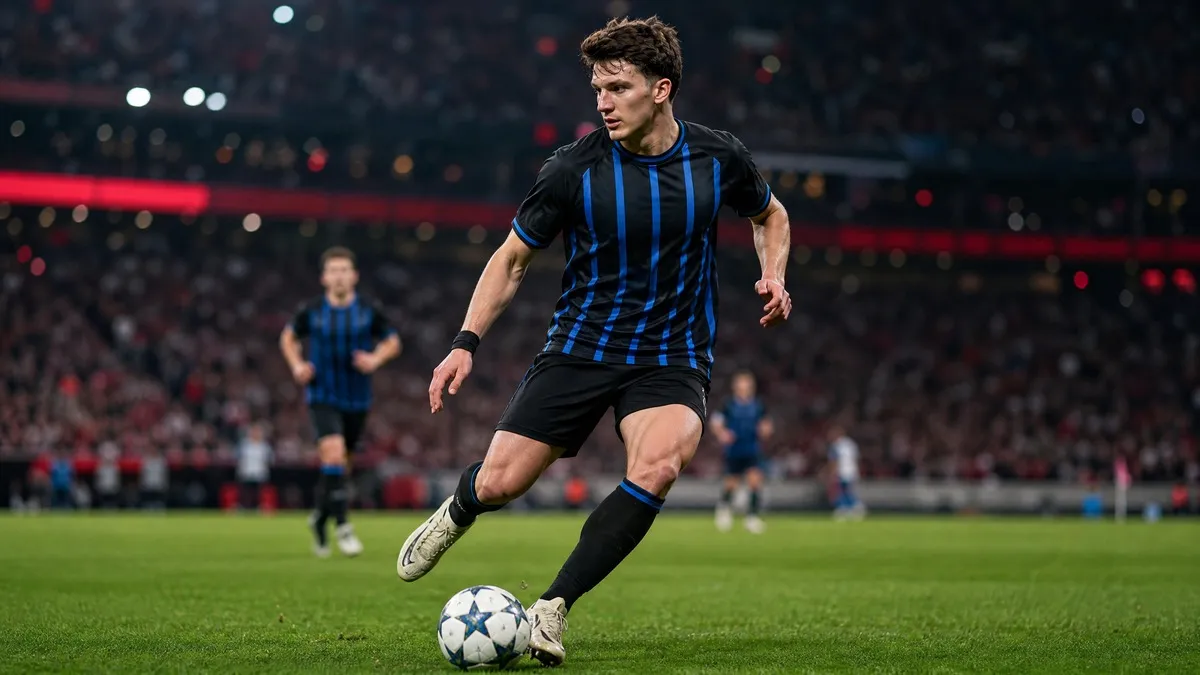
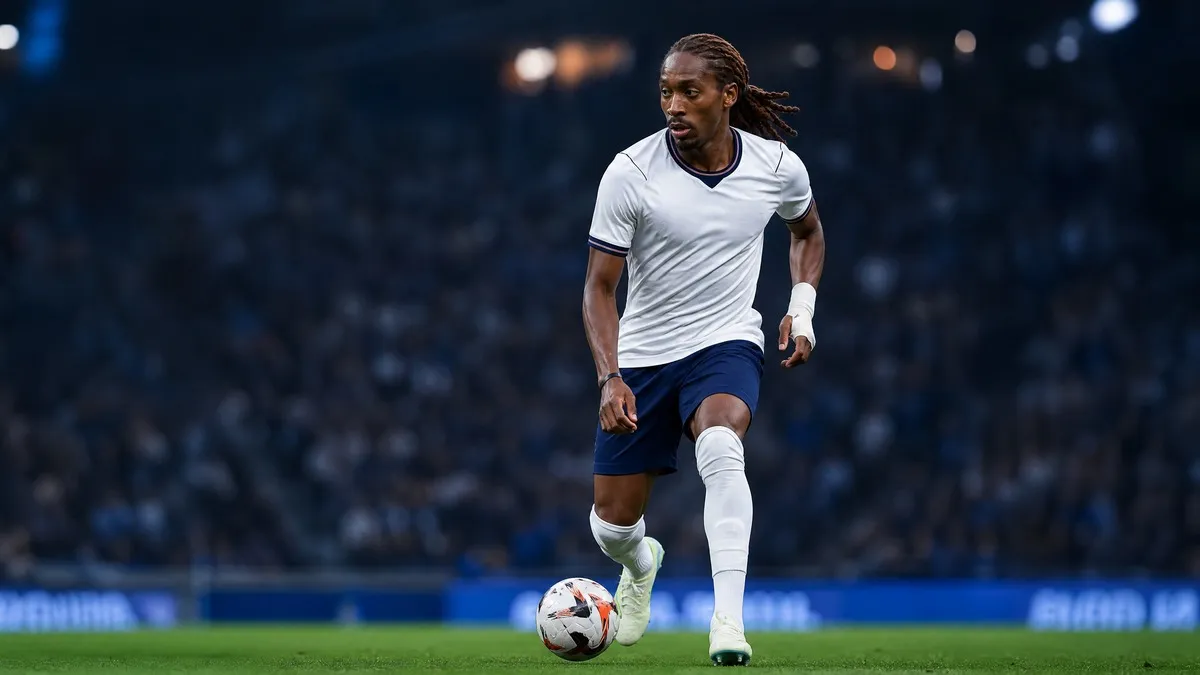
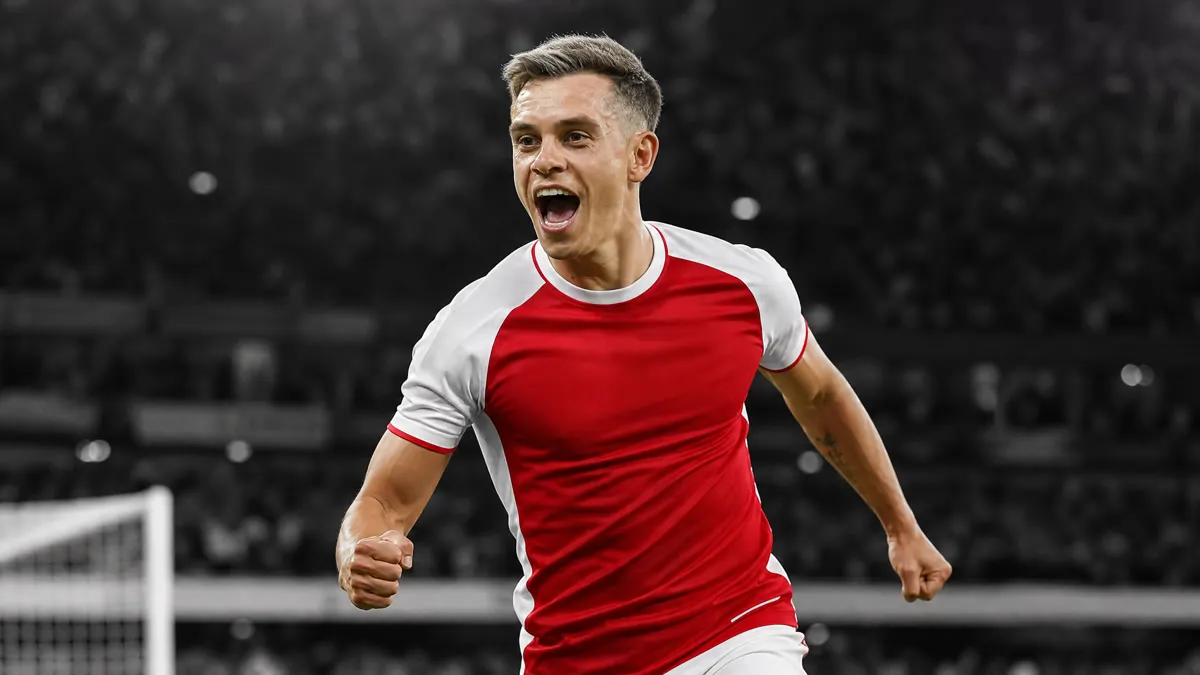
When Mundo Deportivo floated a super-agent twist involving Manchester United and Barcelona, it immediately felt like peak summer transfer window theatre. The alleged idea is simple and explosive: Jorge Mendes proposing a player exchange that would send Leny Yoro one way and Alejandro Balde the other. Yet the reality is far messier, because Balde is not angling for an exit and Barcelona are treating him like a cornerstone, not a bargaining chip. The Leny Yoro Alejandro Balde transfer chatter has still ignited fan debate about squad-building, leverage, and what “untouchable” really means.
Mendes has built a career on turning conversations into possibilities, and this alleged proposal fits his playbook perfectly. By framing a deal as a swap, he reduces the headline cash figure and makes the move feel “strategic” rather than desperate. That is why the Leny Yoro Alejandro Balde transfer angle has legs even if it never becomes a formal negotiation. It’s a story about power brokers probing for weakness in two clubs with enormous expectations.
For Manchester United, the appeal is obvious: Balde is a modern, high-octane left-back with elite recovery pace and the confidence to play high. For Barcelona, the logic would be about balancing the books while refreshing the defence with a young centre-back profile like Yoro. Even then, the Leny Yoro Alejandro Balde transfer scenario runs into a basic obstacle: Barcelona do not want to sell Balde, and Balde is not pushing to leave. A swap only works when both sides feel they’re upgrading.
Swap rumours thrive because they compress multiple agendas into one neat headline, especially when clubs are watching Financial Fair Play constraints. Barcelona transfer rumors often include creative structures because the club is perpetually measured against wage limits and amortisation tables. Manchester United transfer news also leans into swaps when the market inflates and selling becomes complicated. The Leny Yoro Alejandro Balde transfer idea is therefore less about certainty and more about signalling: who is available, who is valued, and who can be tempted.
Jorge Mendes offers are rarely random; they are timed around moments when clubs are planning, players are reassessing, or directors are under pressure. Presenting the Leny Yoro Alejandro Balde transfer as an “exchange” invites both clubs to imagine a solution that avoids a blunt cash outlay. It also places the agent at the centre of the conversation, shaping the narrative before any official bid arrives. In transfer markets, perception can create momentum all by itself.
United’s interest in Balde makes sporting sense because elite Premier League left-backs increasingly function like auxiliary wingers. Balde’s ability to carry the ball through pressure, overlap aggressively, and recover in transition matches the league’s tempo. If United want to control matches higher up the pitch, the full-backs must be brave and fast, not merely solid. That is why the Leny Yoro Alejandro Balde transfer rumor resonates with fans imagining a more modern, proactive United.
Still, recruitment is never just about talent; it’s about cost, availability, and dressing-room logic. Balde is under contract, valued highly, and viewed as part of Barcelona’s identity because he came through their system. United can admire him without being able to land him, which is where the swap concept becomes tempting. The Leny Yoro Alejandro Balde transfer framework suggests United could offer a premium young defender to lower the cash requirement and make Barcelona listen.
Balde’s best moments are built on acceleration and conviction, the kind that stretches defensive blocks and creates passing lanes inside. In a league where wingers isolate full-backs repeatedly, his recovery speed is a genuine safety net. He also shows comfort receiving under pressure, which matters when opponents press United’s build-up. If the Leny Yoro Alejandro Balde transfer ever moved beyond rumour, United would be targeting a player who changes how the left side functions.
Even the best La Liga talents can need time to adapt to the Premier League’s rhythm, physical duels, and relentless schedule. United would also need to consider whether spending heavily on a left-back limits moves elsewhere, especially if goals or midfield control remain priorities. That’s why Manchester United transfer news often swings between “statement signing” and “smart balance.” The Leny Yoro Alejandro Balde transfer talk highlights the opportunity cost question as much as the footballing upside.
Barcelona’s position, as echoed across multiple reports, is that Balde is part of the club’s long-term spine. He is young, already experienced at the top level, and symbolically important because he represents the pathway from youth football to the first team. In that context, the Leny Yoro Alejandro Balde transfer proposal reads less like a negotiation and more like an attempted temptation. Barcelona can listen politely, but their default stance is to protect the core.
Fabrizio Romano’s line that Barcelona view Balde as vital to the project is significant because it frames the club’s intent in plain terms. Romano rarely uses that language unless he’s confident about the internal messaging. It doesn’t kill the story, because money can always test principles, but it sets the starting point. The Leny Yoro Alejandro Balde transfer chatter therefore becomes a debate about thresholds: what number, what structure, and what replacement plan would force Barcelona to rethink?
Barcelona’s best eras have been built around continuity, and they prefer to keep elite homegrown starters through their prime years. Balde fits the tactical template because he provides width when the winger comes inside and offers recovery pace when the team pushes up. He also fits the cultural template, which matters at a club that sells identity as much as results. That’s why the Leny Yoro Alejandro Balde transfer idea clashes with Barcelona’s instinct to keep him central.
Clubs declare players untouchable until a bid arrives that changes the financial landscape, especially if it solves multiple problems at once. Barcelona’s wage bill, registration rules, and the constant need to refresh the squad can create moments where a big sale becomes a strategic reset. That doesn’t mean Balde is on the market, but it explains why Mundo Deportivo could speculate about a major offer shifting the mood. The Leny Yoro Alejandro Balde transfer storyline lives in that grey area between principle and pragmatism.
Yoro’s profile is exactly the kind that triggers bidding wars: young, high ceiling, and already comfortable in big defensive moments. Whether at United or elsewhere, the modern centre-back is judged on pace, anticipation, and passing under pressure, not just aerial duels. That makes Yoro valuable not only on the pitch but also on balance sheets, because elite potential appreciates quickly. In the Leny Yoro Alejandro Balde transfer scenario, his value becomes the key lever that could make Barcelona at least consider the conversation.
From Barcelona’s perspective, a defender like Yoro could represent both sporting and financial logic, depending on how the deal is structured. If they could secure a long-term centre-back solution while easing immediate cash demands, it might look attractive on paper. But paper deals ignore dressing-room dynamics and fan sentiment, and Barcelona supporters tend to resist selling homegrown stars. The Leny Yoro Alejandro Balde transfer proposal therefore hinges on whether Barcelona believe Yoro’s upside compensates for losing a player who already feels like “one of us.”
Barcelona have long prioritised defenders who can defend space behind a high line and circulate possession cleanly. Yoro’s potential to cover ground and step into midfield with the ball would align with that philosophy, especially in matches where the first pass breaks pressure. A young centre-back also offers squad planning stability, reducing the need for constant short-term fixes. That is the football logic that keeps the Leny Yoro Alejandro Balde transfer discussion alive, even if the emotional logic resists it.
United’s own project depends on building a spine that can last, and centre-back is one of the most expensive positions to solve. If the club believes Yoro can become a leader for the next decade, using him in a swap would feel like robbing Peter to pay Paul. There is also the question of scarcity: elite young centre-backs are harder to find than competent full-backs, even among Premier League left-backs. The Leny Yoro Alejandro Balde transfer idea forces United to decide what they value most.
Fanbases tend to grade swaps like fantasy trades, asking who improves immediately and who wins long-term. United supporters intrigued by Balde imagine a left flank that finally has speed, balance, and consistent threat, especially against low blocks. Barcelona fans, meanwhile, see Balde as part of the club’s future and worry about repeating patterns of selling youth to plug holes. The Leny Yoro Alejandro Balde transfer debate is therefore emotional as much as analytical, because it touches identity and trust in recruitment.
Tactically, both clubs would be changing the geometry of their teams. United would gain a natural wide outlet who can underlap and overlap, potentially freeing a left-sided forward to drift inside. Barcelona would gain a young central defender who could help them defend transitions and build from the back, but they would also need to replace Balde’s width and recovery pace. That is why the Leny Yoro Alejandro Balde transfer conversation splits audiences: each side sees a different “irreplaceable” attribute.
Against top opponents, United often need full-backs who can survive one-v-one duels and still offer an outlet in possession. Balde’s speed allows him to recover when the press is beaten, and his confidence on the ball helps the team escape pressure rather than simply clearing it. He also creates overloads that can pin back aggressive right-backs, changing the rhythm of matches. In that sense, the Leny Yoro Alejandro Balde transfer would be a tactical statement, not just a personnel move.
Barcelona’s biggest European tests are often decided in transition moments, when one mistake becomes a sprint back toward their own goal. A centre-back with elite recovery pace and composure can raise the margin for error, enabling the team to keep playing brave football. Yoro’s potential to become that kind of defender is what makes him attractive in theory. But theory meets reality if Balde’s departure forces Barcelona to compromise elsewhere, which is why the Leny Yoro Alejandro Balde transfer remains contentious.
The most likely outcome is that this story functions as market noise unless a huge bid arrives that forces Barcelona into a genuine decision. Romano’s stance suggests the club’s internal messaging is clear: Balde is central, and they are not shopping him. United can admire, scout, and even explore, but admiration doesn’t equal access. The Leny Yoro Alejandro Balde transfer narrative will therefore rise and fall with two variables: Barcelona’s financial flexibility and United’s willingness to push beyond polite interest.
If the swap idea is real, it may be more about opening channels than finalising terms. Agents and intermediaries often float frameworks to see which parts spark interest, then reshape the proposal into something more realistic. Barcelona could respond by reaffirming Balde’s status while quietly asking what United would pay in cash, while United could use the link to gauge Barcelona’s valuation. The Leny Yoro Alejandro Balde transfer story is, at its core, a negotiation rehearsal played out in public.
In modern transfer cycles, the first meaningful signal is not a headline but a pattern of consistent briefings from reliable sources. If Barcelona continue to stress that Balde is untouchable, and Balde’s camp stays calm, the smoke likely clears. If, however, talk shifts toward “listening to offers” or “needing a big sale,” the tone changes quickly. Player posture matters too, because the Leny Yoro Alejandro Balde transfer only becomes real if someone decides the move is worth the disruption.
A plausible endgame is that United move on to other targets among Premier League left-backs or abroad, while Barcelona keep Balde and reinforce elsewhere. Another possibility is that the swap morphs into separate discussions: United asking about Balde’s price, Barcelona asking about Yoro’s availability, without the two being formally linked. That happens often when clubs test valuations without committing. Until then, the Leny Yoro Alejandro Balde transfer remains a fascinating “what if” that exposes how both clubs plan their next cycle.
Whether you see it as agent-driven theatre or a genuine feeler, the Leny Yoro Alejandro Balde transfer rumor has done its job by forcing a conversation about priorities. United’s interest underlines how valuable elite full-backs have become in modern systems, while Barcelona’s resistance shows how fiercely they protect homegrown pillars. Romano’s reporting tilts the balance toward Balde staying put, yet the summer transfer window has a habit of rewriting certainties with one extraordinary offer. Until concrete bids appear, this saga is best read as a snapshot of ambition, leverage, and two clubs trying to build futures without blinking first.

Julian Mercer is a lifelong student of the game whose passion for football was sparked at an early age, after stepping onto the grass of Camp Nou as a six-year-old — a moment that left a lasting impression and set him on a permanent path into the sport. Since then, football has been both his lens on the world and his favourite language. Blending traditional fandom with a deep interest in tactics, squad building, and long-term team development, Julian has spent decades analysing the game from every angle. His fascination with football strategy was further shaped through years of immersive play in Football Manager, a series he has followed since the mid-1990s, developing a sharp eye for patterns, player profiles, and the fine margins that define success. At My World Of Football, Julian focuses on the stories beneath the surface — from tactical evolutions and managerial philosophies to the narratives that connect clubs, players, and supporters across generations. His writing aims to balance insight with accessibility, always grounded in a genuine love for the game.
Continue reading more football news