Myworldoffootball
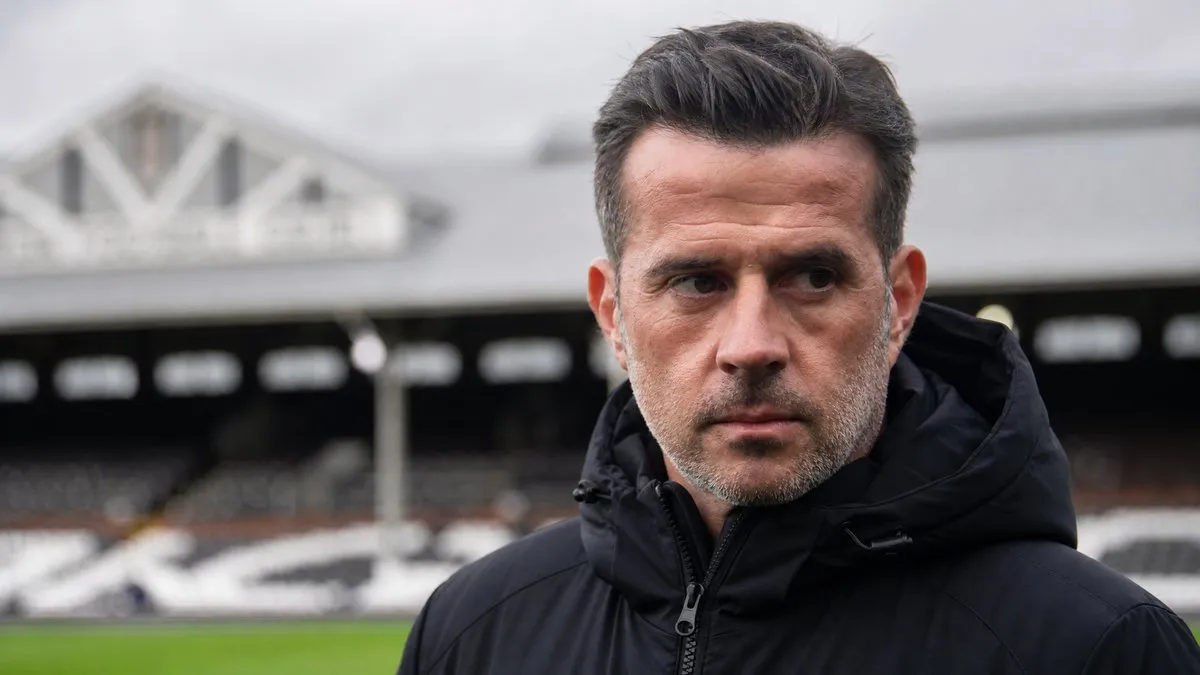
Marco Silva Benfica move: Fulham face big decision
Marco Silva Benfica move gathers pace as Fulham contract nears expiry. Benfica want Mourinho successor, offering £4m+ yearly amid PL changes.
Marco Silva Benfica move gathers pace as Fulham contract nears expiry. Benfica want Mourinho successor, offering £4m+ yearly amid PL changes.
The Marco Silva Benfica move has gone from background whisper to front-page inevitability, with Fulham bracing for a summer that suddenly feels like a fork in the road. Benfica are reported to have lined up Silva as the Jose Mourinho successor and backed that intent with a contract worth more than £4m a year. The timing is brutal for Fulham because Silva’s deal expires next month, and his public stance has remained carefully non-committal. For a club that just banked a record 54 top-flight points under him, the next few weeks will define their direction.
The Marco Silva Benfica move is being framed in Portugal as the logical next step for a coach whose stock has risen steadily in England, and it’s easy to see why Benfica have pushed hard. Mourinho’s impending return to Madrid has opened a glamorous vacancy, and Benfica want a Portuguese coach with modern Premier League credibility. Silva fits that profile, and the reported salary north of £4m a year signals this is more than a flirtation. For Fulham, it feels like losing the architect mid-build.
From a Fulham manager news perspective, the key detail is the calendar, not just the cash. Silva’s contract expires next month, meaning Fulham’s leverage is limited unless they can secure an extension immediately. That’s why every carefully worded quote about “ongoing negotiations” lands like a warning siren. The Marco Silva Benfica move also offers him a return to a title-chasing environment, where weekly pressure is intense but silverware is realistic.
Benfica’s board appear to want continuity in stature without copying Mourinho’s exact personality, and that is where Silva becomes a compelling Jose Mourinho successor. He has the Portuguese identity, the European ambition, and the tactical education shaped by Premier League problem-solving. The Marco Silva Benfica move also appeals because he’s managed dressing rooms with strong characters while keeping the message clear. In Lisbon, they can sell him as a coach who has “graduated” abroad and returned sharper.
The Silva contract details matter because they turn speculation into a practical crisis for Fulham’s planning department. If his deal truly runs out next month, pre-season recruitment, staff retention, and even academy pathways become harder to sell internally. The Marco Silva Benfica move is therefore not just a managerial headline but a football operations issue. Fulham can’t afford a vague waiting game, because Benfica’s offer reportedly provides both financial security and a prestige platform.
Fulham’s club-record 54 top-flight points is the statistic that keeps getting repeated, and it’s not empty trivia. Under Silva, Fulham became more than a spirited side; they became a coherent Premier League outfit with patterns in possession and a willingness to press in phases. The Marco Silva Benfica move threatens to interrupt that development at the exact moment stability should be compounding. Fans know how quickly momentum can evaporate when a manager leaves late.
In Fulham manager news coverage, there’s also the emotional element of “unfinished business.” Silva has been the face of a project that tried to narrow the gap between survival and genuine mid-table authority. The Marco Silva Benfica move would test whether that progress was system-based or personality-based, and that’s a crucial distinction. Fulham’s recruitment and coaching staff have been aligned to Silva’s preferences, so a new boss could mean a tactical reset and a new set of priorities.
Silva’s Fulham were at their best when they balanced bravery with pragmatism, using structured build-up rather than hopeful transitions. That identity helped them compete against bigger budgets without resorting to constant low-block suffering. The Marco Silva Benfica move would remove the coach who drilled those automatisms and managed the weekly emotional swings of the league. Benfica may be buying a coach ready to win, but Fulham would be losing a manager who made them believable again.
Players are professionals, but uncertainty travels faster than any official statement, and that’s why Silva’s non-committal tone matters. When a manager repeatedly references negotiations without reassurance, squads start to anticipate change and agents start to position clients. The Marco Silva Benfica move, even as a rumour, can subtly alter focus in the final weeks of planning. Fulham’s leadership group will want clarity, because ambiguity can become a slow leak of confidence.
Money alone doesn’t explain the Marco Silva Benfica move, but it certainly sharpens the decision. A reported deal worth more than £4m a year is a serious statement, particularly when combined with the promise of Champions League nights and domestic title races. Benfica are not offering a gentle homecoming; they’re offering a high-wire job where second place can feel like failure. For Silva, it’s a chance to shift from respected Premier League operator to trophy-winning headline act.
Benfica’s approach also reflects a club that sees coaching as a competitive advantage, not a background function. Their recruitment pipelines and player-trading model demand a manager who can develop talent while delivering results immediately. The Marco Silva Benfica move would place him inside a machine built for selling stars and replacing them quickly, which is a different weekly puzzle than Fulham’s. The pressure is louder in Lisbon, but the rewards, both sporting and symbolic, are bigger too.
As a Benfica coaching target, Silva ticks boxes that go beyond tactics, because he has shown he can improve players and manage transitions. Benfica’s squad cycles are relentless, and they need a coach who can integrate young talent without sacrificing league performance. The Marco Silva Benfica move would be marketed as a modern appointment: a coach who understands pressing triggers, spacing, and game management, but also understands how to keep a squad engaged when stars are sold.
There is a personal narrative pull to the Marco Silva Benfica move that can’t be ignored. Returning to Portugal to lead a giant club offers cultural comfort, family stability, and a legacy opportunity that English mid-table life rarely provides. Yet it also means living under a microscope where every draw becomes a debate show topic. For Silva, success at Benfica could define his career; failure could be unforgivingly public and fast.
The Marco Silva Benfica move is also part of a wider pattern, with Premier League managerial changes making this summer feel unusually volatile. When big names move, the shockwaves reach clubs that thought they were stable, because the market for coaches becomes crowded and competitive. Fulham now face the same scramble others have faced: act early, identify a fit, and avoid settling for a compromise. In this climate, even well-run clubs can be dragged into reactive decision-making.
The ripple effect is intensified by the headline exits being discussed, including Pep Guardiola and Arne Slot, which reshape expectations across the league. Whether those moves ultimately happen or not, the noise changes the ecosystem by pushing assistants, rising managers, and experienced names into new conversations. The Marco Silva Benfica move would add another Premier League vacancy to an already busy carousel. For Fulham, that means the candidate list could shrink quickly as rivals move first.
When a club like Benfica targets a Premier League coach, it validates that coach and inflates the market for replacements back in England. The Marco Silva Benfica move could prompt Fulham to compete financially for a successor they might not have pursued otherwise. It also forces them to decide whether to chase a similar tactical profile or pivot to a different style entirely. In a summer of Premier League managerial changes, timing becomes as valuable as money.
Mid-table teams often build by stacking seasons of consistency, but that plan collapses if the manager leaves at the wrong moment. The Marco Silva Benfica move highlights how quickly “project” language can be tested by elite clubs with bigger pull. Fulham have improved, yet they are still vulnerable to talent extraction, whether that’s players or coaches. In this era of Premier League managerial changes, stability is not a default state; it’s something clubs must actively defend.
With the Marco Silva Benfica move gathering pace, Fulham manager news has inevitably shifted toward potential successors, and the names will only multiply. Kieran McKenna has been mentioned as a candidate because he represents the modern coaching wave: detailed on the training ground, progressive in possession, and comfortable building a long-term identity. But Fulham’s decision isn’t just about picking the “best” coach; it’s about choosing the right fit for their squad, budget, and expectations.
Replacing Silva would require Fulham to decide which parts of his blueprint are non-negotiable. Do they want another coach who can blend proactive football with survival pragmatism, or do they want a more aggressive stylistic leap? The Marco Silva Benfica move forces that conversation immediately, because recruitment plans for the next window depend on the next manager’s preferences. A rushed appointment can create mismatched signings, and mismatched signings can create a lost season.
McKenna’s appeal, if Fulham pursue him, is that he looks like a coach who can raise the level of a group rather than simply organise it. Fulham manager news will link them to him because he represents continuity of ideas: structured possession, clear pressing cues, and development of younger players. The Marco Silva Benfica move would make that kind of appointment feel like a statement of intent rather than a compromise. The risk, of course, is adapting quickly to Premier League weekly punishment.
Fulham’s biggest challenge after the Marco Silva Benfica move would be protecting the infrastructure that helped them outperform expectations. That means keeping recruitment aligned, maintaining training standards, and ensuring the dressing room culture doesn’t fracture into uncertainty. A new manager will need quick wins, not just long-term promises, because supporters have seen what competence looks like now. Fulham manager news will obsess over names, but the real story is whether the club can preserve its match-day edge.
At the heart of the Marco Silva Benfica move is the familiar dance of modern football negotiations, where every phrase is measured for leverage. Silva hasn’t fully committed to staying, and that ambiguity can be read two ways: either he’s pushing Fulham for improved terms, or he’s leaving the door open for Benfica to walk through. The reported £4m-a-year offer changes the leverage balance, because it’s a clean, ambitious proposal that matches his career trajectory.
For Fulham, the next steps must be decisive, because waiting for closure can become a form of self-harm. If the Marco Silva Benfica move becomes official, they need a pre-prepared replacement plan, not a panic list assembled after the fact. If Silva stays, they still need clarity on staffing, recruitment, and long-term goals, because uncertainty is corrosive. Either way, this moment is a stress test of Fulham’s executive planning as much as Silva’s personal ambition.
Managers often talk about “respecting the club” while their agents explore options, and that’s why fans learn to read between the lines. The Marco Silva Benfica move has been fuelled by the gap between Fulham’s achievements and Silva’s reluctance to offer a simple, definitive commitment. Private meetings decide these futures, but public language shapes the mood around them. If Fulham sense he is emotionally leaning toward Benfica, they may accelerate their own succession planning immediately.
If the Marco Silva Benfica move happens, success for Benfica would mean immediate competitiveness, a clear tactical identity, and trophies that justify the pressure. Success for Fulham would look different: a replacement who protects their progress, keeps them stable, and perhaps even pushes toward the top half again. The key is avoiding a narrative where one club “wins” and the other collapses. This is football’s reality: smart clubs treat departures as moments to evolve, not excuses to regress.
The Marco Silva Benfica move may still have twists, but the direction of travel feels clear enough that Fulham must act as if the change is coming. Benfica’s offer, Mourinho’s vacancy, and Silva’s expiring deal form a triangle that’s hard to ignore, especially when the numbers and prestige align. For Fulham fans, the anxiety is understandable, because they’ve seen how rare genuine progress can be in this league. Yet this is also an opportunity: with the right appointment and a calm plan, Fulham can turn a looming exit into the next step of their growth.

Julian Mercer is a lifelong student of the game whose passion for football was sparked at an early age, after stepping onto the grass of Camp Nou as a six-year-old — a moment that left a lasting impression and set him on a permanent path into the sport. Since then, football has been both his lens on the world and his favourite language. Blending traditional fandom with a deep interest in tactics, squad building, and long-term team development, Julian has spent decades analysing the game from every angle. His fascination with football strategy was further shaped through years of immersive play in Football Manager, a series he has followed since the mid-1990s, developing a sharp eye for patterns, player profiles, and the fine margins that define success. At My World Of Football, Julian focuses on the stories beneath the surface — from tactical evolutions and managerial philosophies to the narratives that connect clubs, players, and supporters across generations. His writing aims to balance insight with accessibility, always grounded in a genuine love for the game.
Continue reading more football news