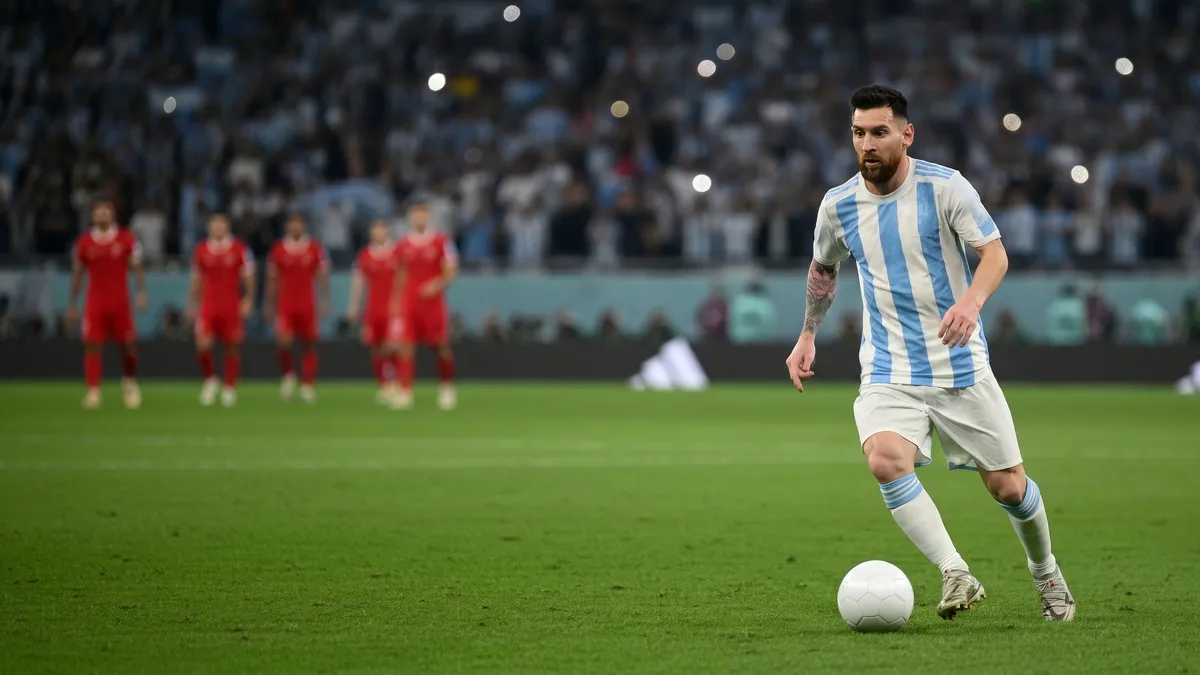
Tottenham crisis deepens: Tudor out, Sherwood in?
Premier League analysis of the Tottenham crisis, why Igor Tudor may need to go, Tim Sherwood as a fix, and how Mo Salah shapes Liverpool struggles.
Premier League analysis of the Tottenham crisis, why Igor Tudor may need to go, Tim Sherwood as a fix, and how Mo Salah shapes Liverpool struggles.
There’s a particular sound to a club in freefall: not just boos, but the anxious silence when fans stop believing a goal is coming. That’s the mood around north London right now, and the Tottenham crisis is no longer a talking point for rivals—it’s an emergency for Spurs themselves. Clinton Morrison’s blunt assessment has cut through the noise, arguing that Igor Tudor’s exit is essential if Tottenham Hotspur are to avoid being dragged into a relegation scrap. At the same time, Liverpool FC are wrestling with their own form and pressure, with Mo Salah’s output suddenly a weekly debate.
The Tottenham crisis feels harsher because it isn’t just about losing; it’s about how Spurs are losing. Morrison’s warning lands because the performances look fragile, with players second-guessing simple decisions and opponents sensing blood early. When a team starts playing not to make mistakes rather than to win, the table can tighten quickly. In a Premier League analysis, that psychological slide is often the first step toward genuine relegation fears.
What makes the Tottenham crisis so combustible is the sense that there’s no reliable “reset button” within games. Spurs have had spells where one setback becomes two, and two becomes a collapse, which points to a group short on conviction. Morrison’s emphasis on urgency is rooted in that pattern: if the club waits for results to fix confidence, it may be too late. Managerial change is framed not as drama, but as damage limitation.
It’s not that Igor Tudor lacks ideas; it’s that Spurs currently look like they don’t trust them. In the Tottenham crisis, tactical plans only matter if players execute with belief, and right now the build-up looks cautious while the pressing looks half-committed. Morrison’s critique is essentially about transmission: the message from the touchline isn’t reaching the pitch with clarity. When that happens, even talented squads start playing like strangers.
Relegation talk can sound premature, but the Tottenham crisis has the classic markers of a team tightening up. The moment games become “must-not-lose,” the risk-taking disappears, and the margins turn against you—one loose touch, one late runner, one set-piece lapse. Morrison is tapping into that reality: fear is contagious across a back line and into midfield. If Spurs don’t change the emotional temperature, the fixture list will punish them.
Morrison’s line about needing to move on from Igor Tudor is not personal; it’s a cold reading of what survival fights demand. In a Tottenham crisis, the manager becomes the lightning rod because the squad needs a new voice to break habits. The Premier League is ruthless with timelines, and clubs often choose the jolt of change over the slow grind of recovery. If Tottenham Hotspur believe the dressing room has tuned out, inertia becomes the enemy.
There’s also a strategic element to managerial change that fans sometimes miss. A new coach can simplify roles, shorten meetings, and strip the game plan back to basics—exactly what a low-confidence team needs. The Tottenham crisis has been marked by hesitation in both boxes, and that’s where clarity matters most. Morrison’s argument is essentially that Spurs can’t afford a “project” mood; they need immediate points and immediate belief.
In the clearest moments of the Tottenham crisis, Spurs look caught between identities. They don’t consistently dominate the ball, but they also don’t consistently hurt teams in transition, which leaves them living on scraps. Igor Tudor has faced questions about game management too, because matches drift away without a visible on-field response. Morrison’s concern is that Spurs aren’t losing to brilliance; they’re losing to basic momentum shifts they can’t stop.
The most brutal part of a Tottenham crisis is that the “right time” to act is usually earlier than you think. Wait for one good performance and you might get a false dawn; wait for one more bad result and you might be staring at a table you can’t climb. That’s why Morrison’s urgency resonates with supporters who feel the season slipping. In relegation battles, clubs that hesitate often end up chasing miracles rather than building runs.
Morrison’s suggestion of Tim Sherwood is fascinating because it’s not about long-term ideology; it’s about emotional triage. The Tottenham crisis needs a manager who can walk into the building and immediately speak the club’s language, without weeks of bedding in. Sherwood’s familiarity with Tottenham Hotspur, their pressure points, and the fan mood is the selling point. In a short-term fix, comfort and clarity can be more valuable than novelty.
There’s a reason “new manager bounce” exists, and it isn’t magic—it’s relief. Players often respond when instructions are simplified and selection feels like a clean slate, especially after weeks of scrutiny. The Tottenham crisis has created a heavy atmosphere where every mistake looks fatal, and Sherwood’s reputation is that he can lift that weight quickly. Morrison is effectively betting on mood, energy, and straight talking to buy Spurs time.
In a Tottenham crisis, the first job is to restore basic confidence: first touch, first pass, first duel. Tim Sherwood’s appeal lies in his direct communication and willingness to empower players quickly, even if that risks controversy. Morrison’s point is that Spurs don’t need complex messaging right now; they need players to feel trusted and decisive. If the squad starts playing with freedom, the table can change fast.
Of course, appointing Sherwood would also be an admission that Tottenham Hotspur are prioritising survival over strategy. The Tottenham crisis isn’t only about the manager; it’s also about recruitment balance, leadership on the pitch, and the club’s broader direction. A bounce can fade if underlying issues remain, especially when fixtures pile up and injuries bite. Morrison’s idea is a pragmatic one, but it still leaves Spurs needing a longer-term plan.
Morrison singled out the nature of Spurs’ performances in key games, and that’s where the Tottenham crisis becomes hard to dispute. Against top opponents, you can lose while still showing structure and courage; Spurs have too often looked passive. The Liverpool FC match, in particular, exposed the gap between a team struggling for confidence and one that, even when imperfect, understands its patterns. Those games become reference points that shape belief for weeks.
The Nottingham Forest result is just as damaging because it hits the “winnable points” category. In relegation-threat seasons, you can’t let direct rivals or mid-table sides leave with your lunch money, especially at home. The Tottenham crisis has been fuelled by those missed opportunities, where a single moment—poor marking, sloppy build-up, or timid finishing—turns a manageable afternoon into a psychological blow. Morrison’s frustration is really about repeatability.
Liverpool FC didn’t need Spurs to be terrible; they just needed Spurs to be uncertain. In the Tottenham crisis, uncertainty is punished because opponents press harder, commit runners earlier, and sense that Spurs won’t play through them cleanly. The best sides also turn half-chances into full chances, which magnifies every lapse. Morrison’s critique implies that Tottenham’s margins are self-inflicted, and elite opponents make those margins look like chasms.
Nottingham Forest are exactly the kind of opponent you must beat if you want to shut down relegation talk. The Tottenham crisis deepens when Spurs fail to impose themselves physically and emotionally in those matches, because it suggests the problem isn’t only quality. Morrison’s point about confidence is crucial here: teams with belief win second balls and keep pushing after setbacks. When belief is missing, even decent spells feel temporary and fragile.
While Tottenham Hotspur wrestle with the Tottenham crisis, Liverpool struggles have created their own anxiety, just of a different kind. The pressure to secure Champions League qualification changes the weekly narrative: a draw becomes a disaster, and a missed chance becomes a talking point for days. Liverpool FC have the experience to handle that heat, but experience doesn’t score goals on its own. The margins at the top end of the table are as unforgiving as they are at the bottom.
Mo Salah sits at the centre of that conversation because he has been Liverpool’s guarantee for so long. When his finishing looks slightly off or his influence drifts, the whole attack can feel less inevitable. Liverpool struggles are often overstated because their baseline is high, but the standards are brutal when you’re chasing a Champions League spot. Morrison’s wider theme—confidence—applies here too, because forwards live and die by rhythm.
It’s simplistic to reduce Liverpool’s issues to Mo Salah alone, but he is the barometer that opponents fear. When Salah is sharp, Liverpool FC can play average and still win because one moment turns the game. When he’s not, the team needs more collective chance creation and more runners sharing the load. Liverpool struggles can therefore look like a team problem even if the headline is one player’s form. The truth is usually a mix of fatigue, spacing, and confidence.
The Champions League race is a mental grind because every match feels like a six-pointer, even when it isn’t. Liverpool struggles become amplified under that pressure, with players snatching at shots or forcing final passes that aren’t on. That’s where leadership matters, and where a calm tactical structure can steady the ship. Morrison’s broader message about performance under stress is relevant: the best teams don’t eliminate nerves; they play through them.
One reason Morrison’s commentary lands is that it mirrors how an EFL betting expert would read a season: not by badge size, but by trends. In the Tottenham crisis, the trend line is the story—confidence dropping, errors increasing, and results compounding. Momentum isn’t mystical; it’s a measurable shift in duel success, chance quality, and body language after conceding. When those indicators turn, clubs either intervene or get carried by the current.
From a Premier League analysis perspective, Spurs are in the danger zone because the problems are both tactical and emotional. Tactical issues can be coached; emotional ones require an environment change, which is why managerial change becomes so tempting. The Tottenham crisis is also a reminder that league position is often decided by “mini-runs” rather than isolated games. If Tottenham Hotspur don’t find a three-game stretch of points soon, the pressure will become suffocating.
Confidence is the invisible currency of football, and the Tottenham crisis shows what happens when it runs out. Players stop receiving on the half-turn, full-backs stop overlapping, and midfielders start passing responsibility sideways. Morrison’s emphasis on belief isn’t motivational fluff; it’s a technical reality, because brave decisions create better angles and better chances. When confidence returns, the same squad can look like a different team without changing a single player.
Even if Spurs act on Morrison’s call, the Tottenham crisis won’t disappear unless players own their performances. A new manager can set standards, but leaders on the pitch must enforce them in the moments that matter—after conceding, after a bad refereeing call, after a missed chance. Tottenham Hotspur need clearer accountability in both boxes, because that’s where matches swing. The smartest clubs pair managerial change with renewed internal discipline, not excuses.
The next few weeks will decide whether the Tottenham crisis becomes a cautionary tale or a turning point, and Morrison has forced the conversation into the open. If Spurs stick with Igor Tudor, they must find immediate evidence of belief and structure; if they pivot to someone like Tim Sherwood, they must accept the short-term nature of the gamble and still demand standards. Meanwhile, Liverpool FC can’t afford their own wobble to become a habit, because Mo Salah’s form and Champions League pressure will only intensify. In the Premier League, confidence is fragile, and decisions—on the touchline and in front of goal—shape everything.

Julian Mercer is a lifelong student of the game whose passion for football was sparked at an early age, after stepping onto the grass of Camp Nou as a six-year-old — a moment that left a lasting impression and set him on a permanent path into the sport. Since then, football has been both his lens on the world and his favourite language. Blending traditional fandom with a deep interest in tactics, squad building, and long-term team development, Julian has spent decades analysing the game from every angle. His fascination with football strategy was further shaped through years of immersive play in Football Manager, a series he has followed since the mid-1990s, developing a sharp eye for patterns, player profiles, and the fine margins that define success. At My World Of Football, Julian focuses on the stories beneath the surface — from tactical evolutions and managerial philosophies to the narratives that connect clubs, players, and supporters across generations. His writing aims to balance insight with accessibility, always grounded in a genuine love for the game.
Continue reading more football news