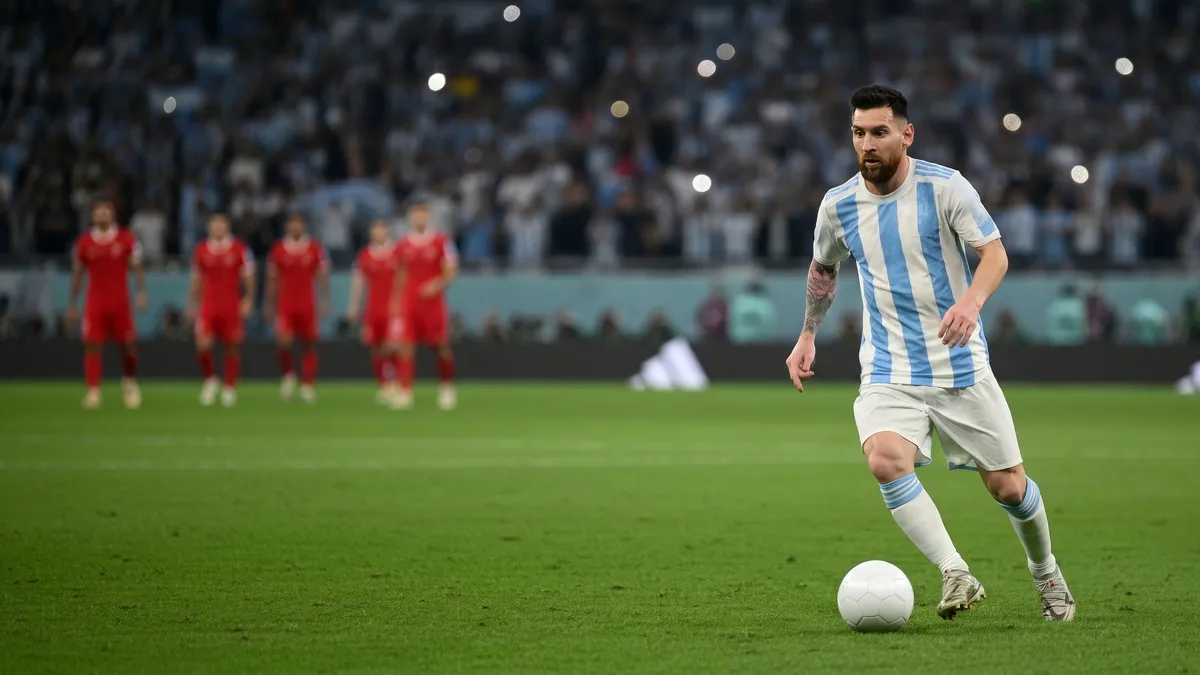
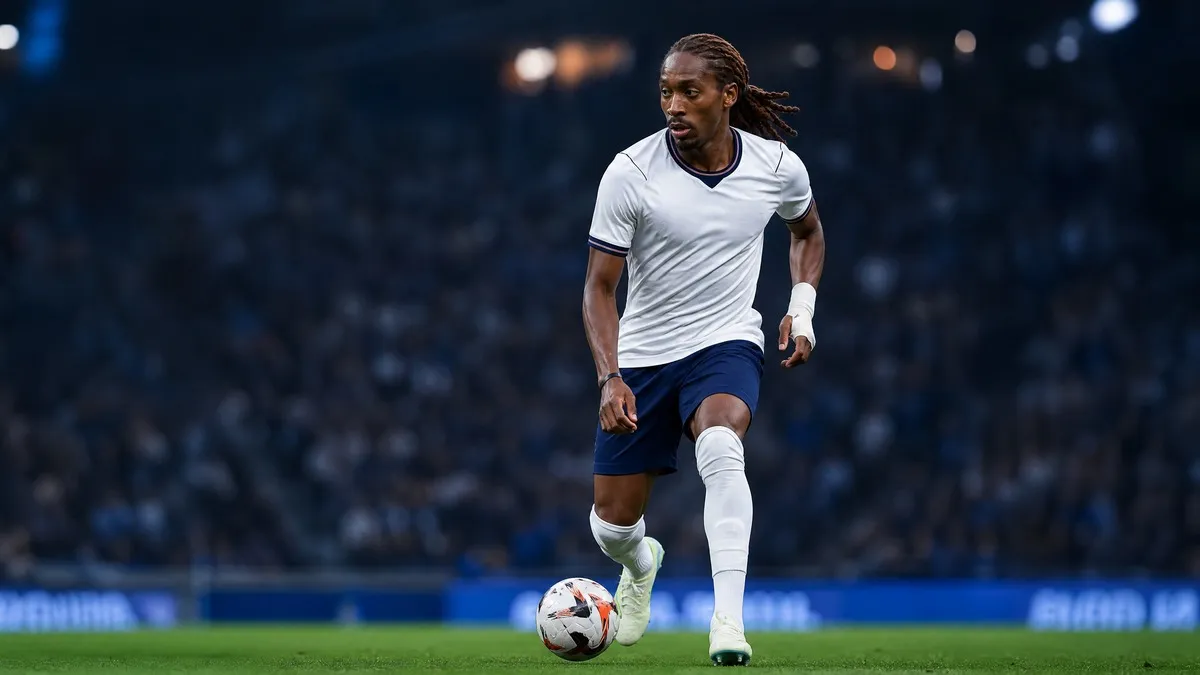
Tottenham Hotspur relegation battle: Udogie doubt
Tottenham Hotspur relegation battle deepens as Destiny Udogie becomes a doubt for Wolves, while Roberto De Zerbi seeks a first win and Maddison nears return.
Tottenham Hotspur relegation battle deepens as Destiny Udogie becomes a doubt for Wolves, while Roberto De Zerbi seeks a first win and Maddison nears return.
Tottenham Hotspur arrive at Molineux with the kind of tension that clings to a club when the table stops being a talking point and becomes a threat. The Tottenham Hotspur relegation battle has tightened to the point where every selection dilemma feels like a headline, and Destiny Udogie’s late fitness check is the latest twist. Roberto De Zerbi still searches for his first league win since taking over, and Spurs have not tasted victory since December 28. Wolves, meanwhile, smell vulnerability and will treat this as a statement night.
There is no hiding place for Spurs in this Tottenham Hotspur relegation battle because the fixture list does not care about excuses, only points. Wolves at home are rarely charitable, and Molineux has a way of turning small errors into spirals of momentum. Tottenham’s recent run has been defined by fragile starts and frantic finishes, and that pattern is lethal on a ground that thrives on intensity. De Zerbi needs calm, but the match will demand courage.
The table adds a cruel edge: Spurs sit two points from safety, which means one weekend can rewrite the mood of an entire dressing room. In a Tottenham Hotspur relegation battle, the margins are not tactical buzzwords but real moments like second balls, set-piece duels, and the next decision after conceding. Wolves will press those margins, particularly in wide areas and transition. Tottenham must match that sharpness or risk another 90 minutes of anxiety.
This Wolves match preview starts with the obvious: Tottenham cannot afford to be passive in their own half, because Wolves punish hesitation with direct running and quick combinations. The first 20 minutes should be treated like a final, with Spurs needing to win territory and slow the crowd. In the Tottenham Hotspur relegation battle, conceding first has felt like a psychological cliff edge. A controlled opening, even without fireworks, would be a victory in itself.
Roberto De Zerbi has been hired for ideas and identity, but the Tottenham Hotspur relegation battle is not a seminar; it is survival football dressed in modern language. His teams want to play through pressure, yet the risk-reward equation shifts when confidence is thin. De Zerbi’s challenge is to keep the principles without forcing them, choosing moments to be brave and moments to be practical. A first win would buy belief, not just time.
The Destiny Udogie injury concern lands like a bad omen because Spurs’ left flank has already carried a heavy load in recent weeks. Udogie’s athleticism gives Tottenham an escape route when pressed, and his ability to recover in defensive transition often covers structural issues. In a Tottenham Hotspur relegation battle, losing that kind of two-way full-back can distort the entire shape. If he cannot start, Spurs must protect that side with smarter spacing and earlier support.
Tottenham injuries have not just reduced quality; they have reduced options, which is often worse over a long run of tense matches. When a coach cannot change the rhythm from the bench, games become predictable and opponents grow bolder. The Destiny Udogie injury doubt also complicates how Spurs build attacks, because his overlaps and underlaps create the angles De Zerbi likes. Without him, Tottenham may need to simplify their patterns and rely more on direct switches.
The deeper issue with Tottenham injuries is how one absence forces three compromises, especially when the squad is already stretched. If Udogie is out, Spurs might lose their best outlet for beating a press and their quickest defender for dealing with counters. That can drag a winger deeper, isolate a striker, and invite Wolves to pin Tottenham back. In the Tottenham Hotspur relegation battle, that kind of slow suffocation is how matches slip away.
Wolves will not need a complex plan to exploit uncertainty; they will simply run at it and ask questions repeatedly. Expect early diagonals into the space behind Tottenham’s full-back, plus aggressive second-phase pressure to trap Spurs near the corner. In this Tottenham Hotspur relegation battle, opponents have learned that Spurs can be coaxed into rushed clearances and nervous passing. If Udogie is absent or limited, Wolves will turn that channel into a battleground.
Roberto De Zerbi is not suddenly going to abandon his footballing beliefs, but the Tottenham Hotspur relegation battle will force him to pick which battles matter most. Playing out from the back can still be a weapon if the spacing is right and the decision-making is quick. The problem is that hesitancy turns courage into chaos, and Spurs have looked unsure at key moments. De Zerbi’s job is to reduce decisions, create clearer triggers, and protect confidence.
Pressure is not just external; it lives in every training session when a team has not won since December 28. The Tottenham Hotspur relegation battle makes each match feel like a referendum on the manager, even when circumstances are brutal. De Zerbi has spoken about mental resilience, and that message has to translate into simple, repeatable actions on the pitch. Spurs need a plan for when Wolves press high, and an even better plan for when Wolves score first.
Premier League survival is rarely poetic, and Tottenham may have to embrace phases of the game that do not fit their ideal self-image. That means clearing lines when necessary, competing for second balls, and turning set pieces into a source of relief rather than panic. In the Tottenham Hotspur relegation battle, you earn the right to play by first refusing to lose duels. If Spurs can stay in the fight, quality can still decide the margins late on.
Roberto De Zerbi’s biggest test at Molineux may come after the first punch, when the match becomes emotional and messy. He must manage tempo with possession spells that calm the stadium, while also recognizing when Spurs need directness to avoid being trapped. In the Tottenham Hotspur relegation battle, substitutions are not cosmetic; they are survival tools. The right change at the right time can turn a draw into a win, or prevent a wobble becoming a collapse.
The potential James Maddison return is the sort of news that changes how opponents defend because it restores a threat between the lines. Spurs have missed a player who can receive under pressure, turn, and play the pass that breaks a block in one touch. In a Tottenham Hotspur relegation battle, that kind of creativity is not luxury; it is oxygen. Even if Maddison is only ready for minutes, his presence can shift the mood of the squad.
Dejan Kulusevski’s possible availability adds another layer, because he offers ball security and a physical edge that suits tight matches. Tottenham have often looked like a team playing in straight lines, with too few players comfortable in congested central areas. The Tottenham Hotspur relegation battle punishes predictability, and Maddison’s angles can make Spurs less readable. If both return, De Zerbi can build attacks with more patience, rather than relying on hopeful transitions.
James Maddison return talk is not just about highlights; it is about control, particularly when Spurs need to slow a game down. He can draw fouls, win breathing space, and make set pieces feel like opportunities rather than interruptions. In the Tottenham Hotspur relegation battle, set plays often decide matches because open play becomes frantic and cautious. Maddison also brings a leadership edge through personality, and that can steady teammates when the crowd gets loud.
Kulusevski is valuable in this context because he can carry the ball into contact and keep it, which is a form of defending when pressure is relentless. Spurs have struggled to connect midfield to attack without losing possession cheaply, and that invites wave after wave of pressure. In the Tottenham Hotspur relegation battle, one good carry can flip territory and buy time for the back line to reset. If he is fit, expect him to be used as a stabilizer as much as a creator.
Spurs mental strength has become a central theme because performances have too often hinged on emotional swings rather than tactical adjustments. The club’s reported search for a psychologist is not a gimmick; it is an acknowledgment that fear and tension can sabotage even a strong game plan. In the Tottenham Hotspur relegation battle, players feel every mistake more sharply, and that can lead to safe decisions that invite danger. Building resilience is about routines, not speeches.
De Zerbi’s insistence on mental resilience is also a recognition that survival football is repetitive and exhausting. When results do not come, training can become heavy, and small knocks feel bigger because the mind is already tired. The Tottenham Hotspur relegation battle will not be won by one rousing comeback; it will be won by managing stress week after week. If Spurs can keep their heads after setbacks, they will give themselves a chance to turn draws into wins.
A relegation six-pointer is a strange kind of match because it compresses time, making every moment feel final. One missed chance can trigger panic, and one conceded goal can make a team abandon its structure in search of instant redemption. In the Tottenham Hotspur relegation battle, Spurs have looked vulnerable to that emotional drift, especially away from home. The key is to treat setbacks as information, not disaster, and to keep communication clear across the pitch.
Spurs mental strength will improve fastest if the squad creates clear on-pitch leadership and bite-sized goals, like winning the next duel or keeping the ball for 30 seconds. A psychologist can help with tools, but leaders on the grass must enforce the habits when lungs burn and noise rises. In the Tottenham Hotspur relegation battle, the best teams survive by shortening the horizon to the next five minutes. That mindset keeps players present and stops one error becoming two.
The brutal backdrop to this Tottenham Hotspur relegation battle is that Spurs have already lost major figures, with Mohammed Kudus and Cristian Romero ruled out for the season. Those losses remove both output and personality, leaving younger or less settled players to absorb pressure at the worst possible time. Tottenham injuries also disrupt partnerships, and football is often about familiarity under stress. When automatisms disappear, teams hesitate, and hesitation is exactly what Wolves will try to provoke.
Romero’s absence, in particular, changes how high Spurs can defend and how aggressively they can contest aerial duels. Kudus, meanwhile, represents the kind of individual spark that can win a match even when a team is struggling. In the Tottenham Hotspur relegation battle, those moments of individual quality are priceless because structure alone can be hard to maintain. De Zerbi must find new sources of edge, whether through set-piece routines, pressing triggers, or simply fresh energy.
Without Romero, Tottenham must defend their box with more collective discipline, because they lose a defender who relishes confrontation. That means clearer roles on crosses, better protection of the near post, and midfielders tracking runners with real urgency. In the Tottenham Hotspur relegation battle, set pieces and second balls are often where points are lost, not the glamorous phases. Spurs have to be comfortable being ugly for spells, because Wolves will load the area and test nerves.
Kudus being out removes a direct goal threat and a dribbler who can change the tone of a match with one burst. Spurs now need contributions spread across the front line, plus midfield runners arriving on time rather than late. In the Tottenham Hotspur relegation battle, waiting for one savior is dangerous, because opponents can plan for it. De Zerbi will want chance creation from wide rotations and cutbacks, but finishing must become a shared responsibility.
Everything about this trip to Wolves screams turning point, because the Tottenham Hotspur relegation battle is no longer a storyline you can wave away with talk of long-term projects. Destiny Udogie’s fitness, the possibility of a James Maddison return, and Roberto De Zerbi’s hunt for a first win all collide in one high-pressure night. Spurs do not need perfection; they need points and a performance that looks repeatable. If they can stay mentally steady, compete in the ugly moments, and take one chance, the season can still be rescued.

Julian Mercer is a lifelong student of the game whose passion for football was sparked at an early age, after stepping onto the grass of Camp Nou as a six-year-old — a moment that left a lasting impression and set him on a permanent path into the sport. Since then, football has been both his lens on the world and his favourite language. Blending traditional fandom with a deep interest in tactics, squad building, and long-term team development, Julian has spent decades analysing the game from every angle. His fascination with football strategy was further shaped through years of immersive play in Football Manager, a series he has followed since the mid-1990s, developing a sharp eye for patterns, player profiles, and the fine margins that define success. At My World Of Football, Julian focuses on the stories beneath the surface — from tactical evolutions and managerial philosophies to the narratives that connect clubs, players, and supporters across generations. His writing aims to balance insight with accessibility, always grounded in a genuine love for the game.
Continue reading more football news