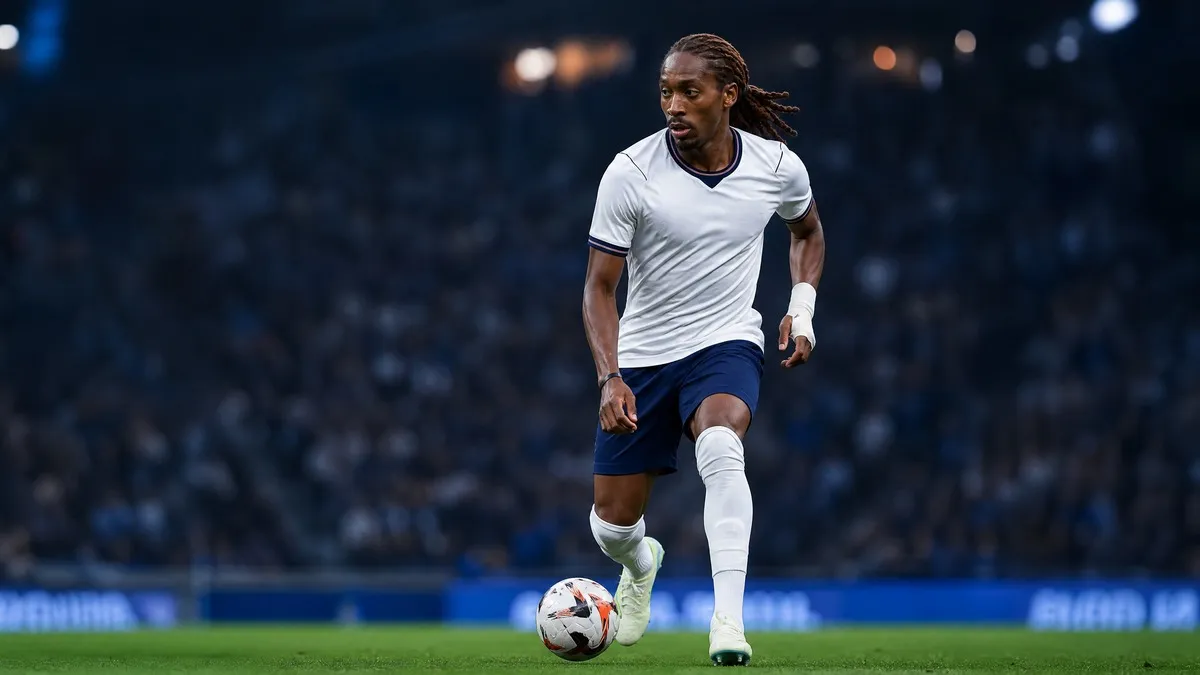
Tottenham Hotspur struggles laid bare by Van de Ven
Micky van de Ven opens up on Tottenham Hotspur struggles, dressing-room mood, injuries, relegation fears and the looming Atletico Madrid test.
Micky van de Ven opens up on Tottenham Hotspur struggles, dressing-room mood, injuries, relegation fears and the looming Atletico Madrid test.
Tottenham Hotspur struggles have rarely felt as raw as they do right now, and Micky van de Ven has not tried to hide it. Speaking with the blunt honesty fans tend to respect, the Dutch defender admitted the dressing room is “devastated” by the club’s slide and the anxiety that comes with it. With the Premier League table tightening beneath them and Europe offering no comfort, Spurs are living week to week. The next fixtures—Nottingham Forest at home and Atletico Madrid away—feel like defining moments.
Van de Ven’s words landed because they sounded like a player who knows how quickly a season can spiral. Tottenham Hotspur struggles are no longer a bad run you laugh off in training; they are a mood that follows players into the canteen and onto the coach. He described a group hurting, not sulking, and that distinction matters when supporters worry about effort. For Spurs, emotion is now part of the weekly preparation.
The defender’s honesty also revealed how fragile confidence can become when results don’t reward performance. Tottenham Hotspur struggles have included matches where Spurs started well, then conceded a cheap goal and looked haunted by what might happen next. That psychological dip is often invisible in highlights, yet it shapes every decision—whether a midfielder turns under pressure or a full-back clears long instead of playing out. Van de Ven framed it as a collective burden, not an excuse.
In this Micky van de Ven interview, the key was not a dramatic quote but the tone of responsibility behind it. He didn’t blame tactics, teammates, or supporters, and he didn’t hide behind clichés about “fine margins.” Instead, he acknowledged that Tottenham dressing room mood has been heavy, while insisting the squad is determined to fix it. That combination—honesty plus intent—can steady a fanbase that fears the worst.
Supporters can accept mistakes; what they can’t accept is indifference, and Tottenham Hotspur struggles have sparked exactly that fear. Van de Ven’s comments were, in part, a message to the stands: the players feel it too, and the pain is real. When the crowd senses vulnerability, atmospheres can turn from tense to toxic quickly. Spurs need the opposite, and the defender’s openness may help rebuild a thin thread of trust.
It still feels strange to write it, but Tottenham Hotspur struggles have dragged the club into a conversation that should never involve them. The Spurs relegation battle talk isn’t just media sensationalism when the points gap shrinks and fixtures pile up. One bad month becomes two, and suddenly you’re checking who plays whom, not who qualifies for Europe. That mental shift changes everything, including how players experience pressure.
The most punishing part of a relegation scrap is how it narrows your margin for error. Tottenham Hotspur struggles mean Spurs can’t afford the familiar pattern of playing well for an hour and conceding late. In these situations, even draws feel like missed opportunities, and defeats feel like disasters that linger all week. The club’s status makes every stumble louder, and opponents play with extra bite when a giant looks wobblier than usual.
Premier League performance at the bottom end is often decided by details Spurs used to take for granted. A second ball not won, a set-piece not attacked, a defensive line not held—these moments decide points, and Tottenham Hotspur struggles have been built from too many of them. Van de Ven, a defender, feels those moments more sharply because one lapse can undo 85 minutes of structure. Spurs need ruthlessness, not just better football.
The Nottingham Forest match is more than three points because it tests the squad’s nerve and the crowd’s patience. If Tottenham Hotspur struggles continue in the opening exchanges—sloppy passes, hesitant pressing—anxiety will spread through the stadium like fog. Conversely, a fast start with clear chances can flip the mood and remind Spurs what control feels like. Forest will target uncertainty, so Spurs must look certain, even if they aren’t.
Spurs injury issues have turned selection into a weekly puzzle, and the knock-on effects go beyond who starts. Tottenham Hotspur struggles deepen when partnerships can’t settle, especially in defence where understanding is built through repetition. Van de Ven’s own fitness has been a storyline, and his pace is not a luxury; it’s part of how Spurs defend space behind the line. Without it, the whole team tends to retreat.
Injuries also reshape how a manager can manage games. Tottenham Hotspur struggles have included periods where Spurs look leggy late on, and that’s often when the bench should provide energy and clarity. But when options are limited or returning players are short of rhythm, substitutions become a gamble. The result is a squad that feels it must survive rather than impose itself, and survival football rarely suits a club built on front-foot identity.
Van de Ven’s athleticism allows Spurs to defend higher and press more aggressively, which in turn helps the midfield squeeze the game. In the current Tottenham Hotspur struggles, that link has been broken too often, leaving gaps opponents exploit on transition. When he plays, Spurs can take risks with more confidence because recovery runs exist as a safety net. His presence doesn’t solve everything, but it raises the team’s baseline stability.
When a team rotates by necessity rather than design, patterns in possession disappear and communication becomes reactive. Tottenham Hotspur struggles have been amplified by that patchwork feeling, with players unsure whether to step up or hold off, whether to press or protect. Over time, uncertainty becomes a habit, and habits are hard to break in the middle of a crisis. Spurs need consistent availability almost as much as they need tactical tweaks.
If the league brings fear, Europe brings a different kind of dread. The Champions League challenge facing Spurs is brutal because Atletico Madrid thrive on opponents who are emotionally fragile. Tottenham Hotspur struggles have created exactly the sort of hesitation Diego Simeone’s side can smell, turning small nerves into catastrophic choices. Atletico don’t need you to gift them five chances; they only need one moment of indecision at the back post.
This is why the Atletico Madrid match preview feels less about tactics and more about temperament. Tottenham Hotspur struggles have made Spurs susceptible to conceding first, and Atletico are masters at turning a 1-0 into a cage. Spurs must be brave in possession without being reckless, and they must defend set-pieces as if their season depends on them. In a tie like this, the emotional temperature is as important as the game plan.
Atletico can be suffocating, but they are not invincible, especially if Spurs move the ball quickly through central areas before the block sets. For all the Tottenham Hotspur struggles, there are still players capable of speeding up the game with one pass and forcing Atletico to turn. The key is avoiding sterile possession that ends in hopeful crosses. Spurs need purposeful runs, second-man combinations, and shots that test the goalkeeper early.
The opening phase will decide whether Spurs can breathe or whether they spend the night chasing shadows. Tottenham Hotspur struggles have often started with one careless turnover that invites pressure, and Atletico are ruthless at turning that into territory and fouls. Spurs must treat the first 20 minutes like a negotiation: keep the ball, win duels, and refuse to be dragged into emotional disputes. Control is the antidote to panic.
When results drop, rumours rise, and Tottenham Hotspur struggles have naturally sparked whispers about who might want out. Van de Ven addressed that directly, pushing back on the idea that heads have turned toward summer moves. It matters because fan concerns about player commitment can poison a season faster than any tactical flaw. If supporters believe players are protecting themselves, every missed tackle becomes evidence in a trial.
Van de Ven’s insistence that the squad is united is also a challenge to his teammates: act like it. Tottenham Hotspur struggles can create cliques—injured versus fit, starters versus fringe, newcomers versus long-timers—unless leaders keep standards consistent. Unity isn’t a speech; it’s the daily decision to sprint back, to talk, to demand more, and to accept criticism. Spurs must show togetherness in the ugliest moments, not the good ones.
Fans don’t need access to the dressing room to judge commitment; they read it in sprints, second efforts, and reactions to setbacks. Tottenham Hotspur struggles have occasionally featured the worst kind of optics—hands on hips after conceding, slow jogs to reset, arguments that linger. Those images stick, even if the underlying performance data is better than it looks. Spurs must win the body-language battle as much as the scoreline.
Every squad has players whose mood sets the temperature, and Van de Ven is becoming one of those figures at Spurs. The Micky van de Ven interview suggested a player willing to carry responsibility rather than hide, which can be contagious in a crisis. Tottenham Hotspur struggles demand that kind of emotional leadership, especially from defenders who see the whole pitch. If he stays vocal and composed, others are more likely to follow.
There is no magic switch, only repeatable habits done under stress. Tottenham Hotspur struggles can ease if Spurs become harder to beat first, because clean sheets calm everything—crowd, players, and decision-making. That doesn’t mean abandoning ambition; it means valuing game management, slowing down when needed, and refusing to concede avoidable goals. A team in trouble doesn’t need to be perfect, but it must stop being generous.
Equally, Spurs must rediscover the courage to play forward with conviction. Tottenham Hotspur struggles have sometimes turned possession into a burden, with safe passes masking fear of losing the ball. The best way to change that is to create clear attacking triggers: when the ball goes wide, someone attacks the box; when the striker drops, a runner goes beyond. Structure reduces doubt, and reduced doubt reduces errors.
In tight seasons, set-pieces are not a bonus; they are a lifeline, and Spurs have to treat them like a craft. Tottenham Hotspur struggles have been worsened by conceding from dead balls and failing to score enough at the other end. Improving deliveries, blocking schemes, and second-ball reactions can swing matches without needing open-play dominance. It’s unglamorous, but survival—and momentum—often lives in these margins.
Success doesn’t have to mean two perfect performances, but it does require visible progress. Against Forest, Tottenham Hotspur struggles can be eased by intensity, early chances, and defensive concentration, even if the game is messy. Against Atletico, the goal is to stay alive in the tie: avoid gifting goals, take moments when they come, and keep belief intact. Spurs need results, yes, but they also need evidence they are turning a corner.
Tottenham Hotspur struggles have made every week feel like a referendum on the club’s direction, and Van de Ven’s candour has brought that tension into the open. The dressing room is hurting, the fans are worried, and the fixture list is unforgiving, yet there is still time to change the story if Spurs meet pressure with clarity. Forest offers a chance to steady the league campaign, while Atletico offers a chance to rediscover pride. For Spurs, the next steps are simple to describe—and brutally hard to deliver.

Julian Mercer is a lifelong student of the game whose passion for football was sparked at an early age, after stepping onto the grass of Camp Nou as a six-year-old — a moment that left a lasting impression and set him on a permanent path into the sport. Since then, football has been both his lens on the world and his favourite language. Blending traditional fandom with a deep interest in tactics, squad building, and long-term team development, Julian has spent decades analysing the game from every angle. His fascination with football strategy was further shaped through years of immersive play in Football Manager, a series he has followed since the mid-1990s, developing a sharp eye for patterns, player profiles, and the fine margins that define success. At My World Of Football, Julian focuses on the stories beneath the surface — from tactical evolutions and managerial philosophies to the narratives that connect clubs, players, and supporters across generations. His writing aims to balance insight with accessibility, always grounded in a genuine love for the game.
Continue reading more football news