
Gençlerbirliği
GSK Türkiye
Gençlerbirliği Stadium
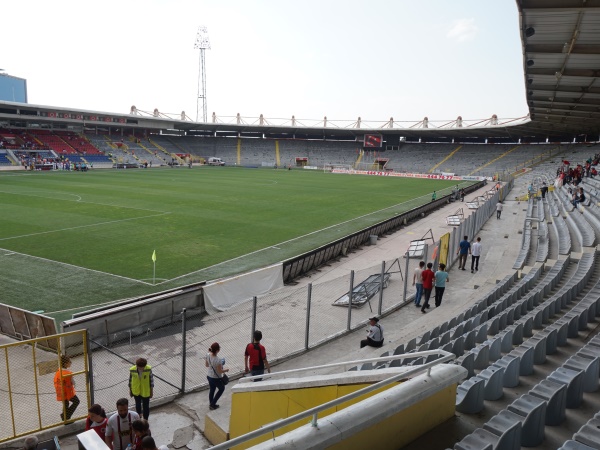
Eryaman Stadyumu
The Eryaman Stadyumu is the home of Genclerbirligi SK, located in Devlet Mah. in the Etimesgut district of Ankara, Turkey's capital city. The stadium holds 20,560 spectators and provides a modern venue for one of Ankara's principal football clubs in a city whose political significance has historically overshadowed its football identity. The Etimesgut district, in the western outskirts of Ankara, was developed as a planned residential area and the Eryaman Stadyumu serves this broader western Ankara community alongside the club's traditional supporters from across the capital.
Genclerbirligi have a long history in Turkish football, spending multiple periods in the Super Lig and establishing themselves as Ankara's most consistent top-flight representative. The club was founded in 1923, the same year the Turkish Republic was proclaimed and Ankara was established as its capital, giving Genclerbirligi a symbolic connection to the founding of modern Turkey. Their traditional stadium was the 19 Mayis Stadyumu in central Ankara, but the club moved to the Eryaman facility to modernise their infrastructure. Former Genclerbirligi players include several significant Turkish internationals and the club has a strong academy tradition.
The Eryaman Stadyumu provides modern facilities for a club competing at the national level from Turkey's political capital, a city better known for government ministries, international embassies, and the monumental Ataturk Mausoleum than for football. Ankara's football culture has traditionally been overshadowed by Istanbul's passionate and dominant club scene, but Genclerbirligi's Super Lig presence ensures the capital has ongoing representation at the national level. The club's historic association with the founding of the Turkish Republic and their status as Ankara's oldest consistently professional club gives them a cultural significance within Turkish football that extends beyond their competitive achievements.