Las Palmas
LPA Spain
SpainLas Palmas Stadium
Estadio de Gran Canaria
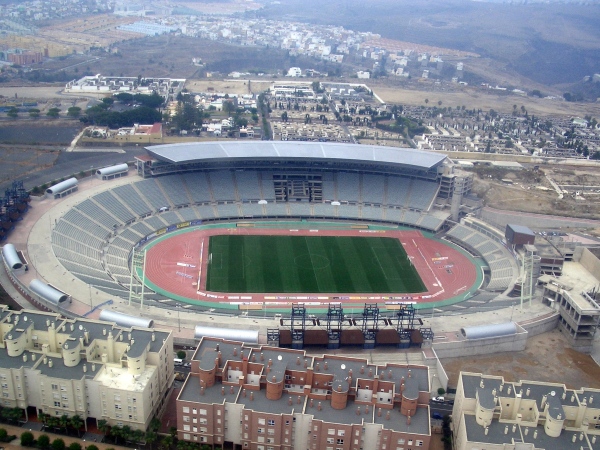
UD Las Palmas plays at Estadio Gran Canaria, located in the Las Palmas de Gran Canaria, the capital of Gran Canaria island in the Canary Islands archipelago. With a capacity of 32,400 spectators, the modern stadium opened in 2003 and replaced the old Estadio Insular, providing the club with a world-class facility in one of Spain's most geographically unique football locations. The Canary Islands — Spanish territory located 100 kilometres off the coast of northwest Africa — have a subtropical climate that means Las Palmas plays football in warm sunshine year-round, and the Atlantic island setting gives football in Gran Canaria a distinctively exotic atmosphere within the Spanish football context.
UD Las Palmas has a long and distinguished history in Spanish football, competing in La Liga during much of the 1970s and 1980s and producing notable players including the legendary Juan Carlos Valerón, one of Spain's finest midfielders of the early 2000s. The club also produced Tonono and other players who represented Spain internationally, giving Gran Canaria a proud contribution to Spanish football history. Las Palmas' return to La Liga in 2023–24 was celebrated enormously throughout the island, with the Estadio Gran Canaria hosting top-flight Spanish football for the first time in many years and welcoming Barcelona, Real Madrid, and Atlético to the islands.
The Estadio Gran Canaria's modern facilities and the unique experience of watching football on an Atlantic island in warm Mediterranean conditions make it one of La Liga 2's most appealing venues. The stadium's location in Las Palmas, a city of over 350,000 with a cosmopolitan, tourism-influenced culture, provides a strong commercial base for the club. Gran Canaria's year-round pleasant climate, its proximity to Africa, and its status as one of Europe's most popular holiday destinations give UD Las Palmas a unique identity in Spanish football — a club that represents not just a city but an entire island community and its distinctive Atlantic-African character.