
Celta de Vigo
CEL Spain
SpainCelta de Vigo Stadium
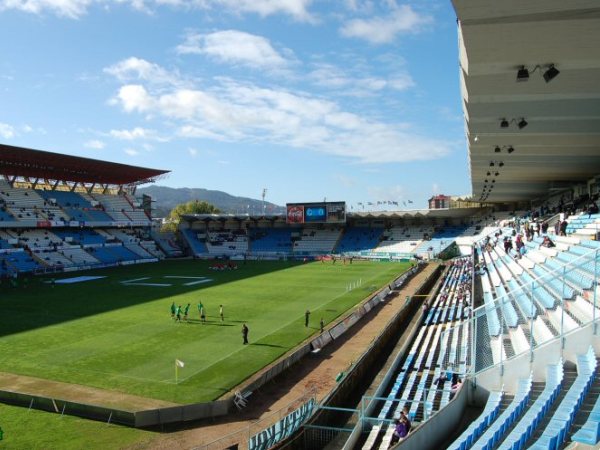
Abanca-Balaídos
Estadio de Balaídos is the home ground of RC Celta de Vigo, located in the city of Vigo in the Galicia region of northwestern Spain. The stadium was inaugurated on 17 December 1928, making it one of the oldest top-flight grounds in Spanish football. It has a current capacity of approximately 29,000 spectators and sits on the banks of the Lagares River, surrounded by the green hills that characterise the Galician landscape. The ground has been modernised over the decades while retaining its intimate, atmospheric character that makes it a fortress for the club.
Balaídos has witnessed some of the most memorable moments in Celta de Vigo's history, including the club's golden era in the late 1990s and early 2000s when they regularly competed in European competition. The stadium hosted matches during the 1982 FIFA World Cup in Spain, including a group-stage game between Austria and Algeria. On the European stage, Balaídos has seen unforgettable UEFA Cup nights, most notably during the 2002–03 season when Celta reached the semi-finals and produced stunning victories over clubs such as Liverpool and Lazio. Domestically, the ground has hosted countless passionate La Liga derbies against Deportivo de La Coruña, matches that are deeply embedded in Galician football culture.
The stadium underwent significant renovations ahead of the 1982 World Cup and has continued to be updated over the years to improve facilities for supporters and players alike. Its four stands create a tight, enclosed atmosphere that generates a distinctive noise level, giving Celta a genuine home advantage. With an average attendance typically between 20,000 and 26,000 for top-flight fixtures, Balaídos remains one of the most vibrant grounds in La Liga. Plans for further modernisation have been discussed in recent years as the club looks to bring the infrastructure in line with modern football standards while preserving the historic soul of a ground that has served Celta for nearly a century.