Lazio
LAZ Italy
ItalyLazio Stadium
Stadio Olimpico
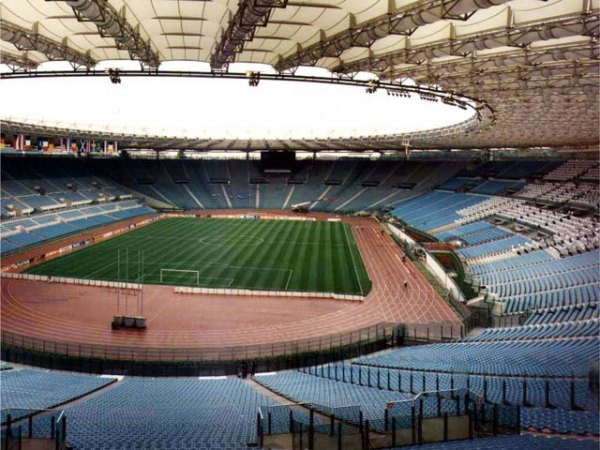
The Stadio Olimpico is the shared home of SS Lazio, located at Viale dello Stadio Olimpico in the Foro Italico complex beside the Tiber river in northern Rome. The stadium holds 72,698 spectators and is one of Italy's most historic sporting arenas. Built in the early 1930s as part of Mussolini's grand sporting complex, it was substantially expanded for the 1960 Rome Olympics and again for the 1990 FIFA World Cup, when it hosted the final between West Germany and Argentina. Lazio have shared the ground with city rivals AS Roma since both clubs moved to the Olimpico in the 1950s, making the stadium the setting for the Derby della Capitale, one of Italian football's most intense and politically charged fixtures.
SS Lazio have used the Stadio Olimpico to stage their greatest moments in Italian football. The club won back-to-back Serie A titles in 1974 and then again in 2000, the latter under coach Sven-Goran Eriksson with a squad including Hernan Crespo, Juan Sebastian Veron, Pavel Nedved, and Alessandro Nesta. Lazio also won the UEFA Cup Winners' Cup in 1999, beating Real Mallorca in the Villa Park final. The Curva Nord at the Olimpico is Lazio's home stand and houses the club's passionate ultras groups, who generate one of Rome's most intense matchday atmospheres. The Derby della Capitale, played at the Olimpico with the ground divided between blue-and-white Lazio and red-and-yellow Roma supporters, is consistently one of Serie A's most compelling and volatile occasions.
Lazio's Champions League campaigns have brought European giants to the Olimpico on numerous occasions, and the ground has witnessed memorable European nights under managers from Zdenek Zeman to Simone Inzaghi. The stadium's age means ongoing investment in maintenance and infrastructure is required, and the Rome municipal government, which owns the Olimpico, manages the ground as a multi-use venue covering athletics, American football, concerts, and international events. Plans for both Roma and Lazio to eventually build their own dedicated stadiums have been discussed, which would end the long shared arrangement at the Olimpico. For now, however, the stadium remains the dramatic, marble-columned backdrop for the eternal city's passionate football culture.