
Celtic
CEL Scotland
Celtic Stadium
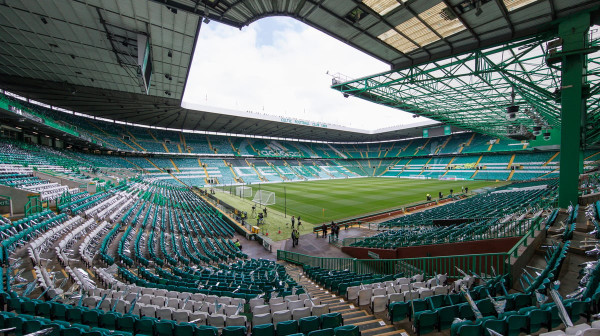
Celtic Park
Celtic FC plays at Celtic Park, affectionately known as "Paradise" among supporters, located in the Parkhead area of Glasgow's East End. With a capacity of 60,832, it is the largest football stadium in Scotland and one of the largest club grounds in the United Kingdom. The current ground was significantly redeveloped in the 1990s, with all four stands rebuilt to create the modern bowl-shaped arena that has become one of Europe's most celebrated football venues. Celtic Park's history stretches back to 1892, when the club moved to the current site after outgrowing their original ground, establishing a connection between the community of Glasgow's East End and the club that remains profound to this day.
Celtic Park has been the stage for some of the most significant moments in Scottish and European football history. The club's nine consecutive Scottish league championships (1966–1974) — the famous "nine in a row" — were celebrated at Parkhead, as were multiple subsequent title wins that have made Celtic the most decorated club in Scottish football history. The stadium has hosted UEFA Champions League group stage matches, bringing clubs like Barcelona, Juventus, Manchester United, and Bayern Munich to Glasgow, with Celtic Park generating some of the finest European atmospheres witnessed in Britain. The famous "Celtic noise" — the wall of sound created by the 60,000-strong crowd — is renowned throughout European football as one of the most intimidating and exhilarating environments a visiting team can experience.
Celtic Park also holds profound cultural significance beyond football. The club was founded in 1887 by Irish Marist Brother Walfrid to alleviate poverty in the East End of Glasgow's Irish immigrant community, and this heritage of service and community identity remains central to the club's ethos. The stadium hosts not only football but community events, concerts, and cultural occasions that reflect Celtic's position as a social institution as much as a sporting one. With significant ongoing investment in facilities and infrastructure, Celtic Park continues to develop as a world-class venue fitting for a club of Celtic's extraordinary historical and cultural standing.