2026 Summer World Cup: 48 teams, costs, stars
The 2026 Summer World Cup in North America expands to 48 teams, adds 40 matches, raises ticket prices, and spotlights Messi, Ronaldo, Mbappe and Doku.
The 2026 Summer World Cup in North America expands to 48 teams, adds 40 matches, raises ticket prices, and spotlights Messi, Ronaldo, Mbappe and Doku.
The 2026 Summer World Cup is coming to North America with the kind of scale that makes even seasoned fans blink: more teams, more games, more cities, and more pressure to get the basics right. It’s the first men’s tournament since 2018 to land with genuine “new era” energy, thanks to the 48-team expansion and the promise of a month-long football road trip. Yet the excitement is matched by nervous questions about early-round quality, soaring ticket prices, and whether this FIFA World Cup can still feel like a shared celebration.
The North America World Cup isn’t just a change of scenery; it’s a change of rhythm. The 2026 Summer World Cup will ask supporters to think in flight times, border crossings, and time zones, not just in train schedules and short hops. That’s thrilling for fans who love the travelogue side of the FIFA World Cup, but it also risks splintering atmospheres. A soccer tournament that stretches across huge distances must work harder to feel like one connected story.
For players, the 2026 Summer World Cup will be a test of recovery as much as talent. Tight turnarounds between matches become trickier when “away day” means a long-haul trip rather than a quick transfer. World Cup 2026 will demand deeper squads, smarter rotation, and medical planning that looks more like club football than traditional tournament routines. If the best teams adapt, the spectacle can soar; if not, fatigue could quietly shape the bracket.
One worry with a sprawling North America World Cup is that it becomes a traveling circus without roots in any one place. The 2026 Summer World Cup needs host cities to build distinct matchday cultures—fan zones that feel authentic, local music and food, and easy public transport to keep crowds together. The FIFA World Cup is at its best when strangers sing the same songs and share the same streets. World Cup 2026 has to manufacture that closeness at scale.
Time zones will quietly influence the 2026 Summer World Cup in ways fans won’t always see. Teams playing back-to-back matches in different regions could lose a day of recovery without ever stepping onto the pitch. Coaches will lobby, federations will complain, and analysts will track travel miles like expected goals. If FIFA wants the soccer tournament to be remembered for football, not logistics, World Cup 2026 scheduling has to be ruthlessly fair.
The headline change is simple: the 2026 Summer World Cup expands to 48 teams, up from 32 in 2022. That adds 40 additional matches, turning the FIFA World Cup into an even bigger TV and stadium product. More nations will taste the finals, which is a beautiful idea in principle and a powerful development tool in practice. But the early rounds of World Cup 2026 may also include more mismatches, and that’s the tension everyone can feel.
In a 48-team format, the group stage becomes less of a pure survival test and more of a navigation puzzle. The 2026 Summer World Cup could reward teams that manage minutes, avoid injuries, and peak later, rather than those that start fast. That might be smart tournament craft, but it can also dilute urgency in the opening week. Football fans love jeopardy, and the FIFA World Cup has traditionally delivered it early; World Cup 2026 must protect that edge.
Fans don’t fear new teams; they fear predictable games. The 2026 Summer World Cup will be judged on whether the added matches create more Morocco-style runs or just more 5–0 scorelines. Upsets are the oxygen of a great soccer tournament, especially when underdogs arrive fearless and organized. If the expanded FIFA World Cup encourages pragmatic, defensive set-ups that keep games tight, World Cup 2026 could feel more dramatic, not less.
International football is increasingly borrowing from elite club models, and the 2026 Summer World Cup will accelerate that. Teams with depth across every position—think of the standard set by Manchester City’s rotation culture—can manage the longer path better. Coaches will need “finishers” off the bench, not just starters, because World Cup 2026 is a marathon with more checkpoints. In the FIFA World Cup, depth used to be a luxury; now it’s a requirement.
The 2026 Summer World Cup is already being framed as the most expensive tournament in history, and not just because of inflation. Ticket prices, accommodation, internal flights, and the general cost of moving around North America can turn a dream trip into a financial stress test. For many football fans, the FIFA World Cup has always been a once-in-a-lifetime pilgrimage, but World Cup 2026 risks becoming a luxury product. That’s a dangerous shift for a tournament built on global belonging.
Accessibility isn’t a soft issue; it shapes atmosphere and identity. The 2026 Summer World Cup needs loud, diverse crowds, not just corporate hospitality and influencers chasing content. If ticket prices climb too high, the stadiums may still sell out, but the emotional texture changes. A soccer tournament thrives on ordinary supporters who save for years, not just on those who can buy convenience. World Cup 2026 will feel different depending on who gets through the gates.
When people talk about “legacy,” they often mean stadiums and revenue, but fans remember queues, transport, and safety. The 2026 Summer World Cup must make matchdays simple: clear entry systems, fair resale platforms, and fan zones that don’t require premium wristbands to feel alive. A FIFA World Cup should be a street festival as much as a television show. If World Cup 2026 gets the fan experience right, the cost conversation softens.
Ticket prices are always controversial, but the 2026 Summer World Cup will magnify every complaint because travel is baked into the expense. Fans will want transparent pricing tiers, sensible bundles, and resale rules that stop scalpers from turning the FIFA World Cup into a stock market. World Cup 2026 can still be premium without being predatory, but only if the system is easy to understand. In a global soccer tournament, confusion quickly becomes resentment.
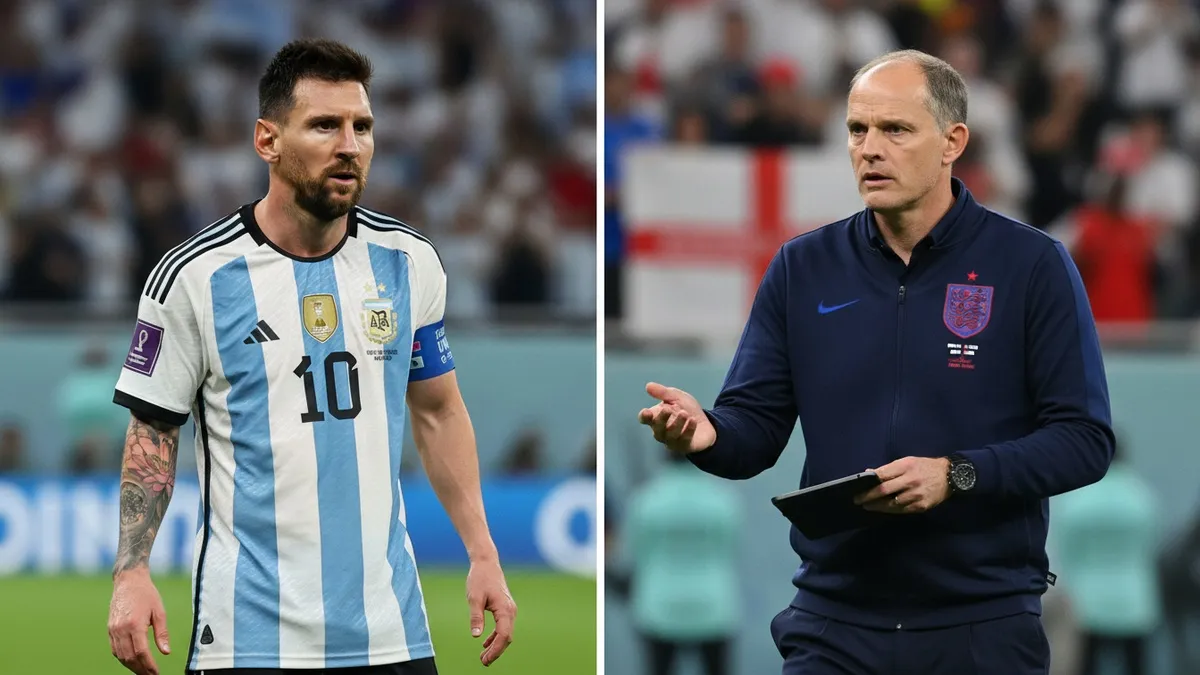
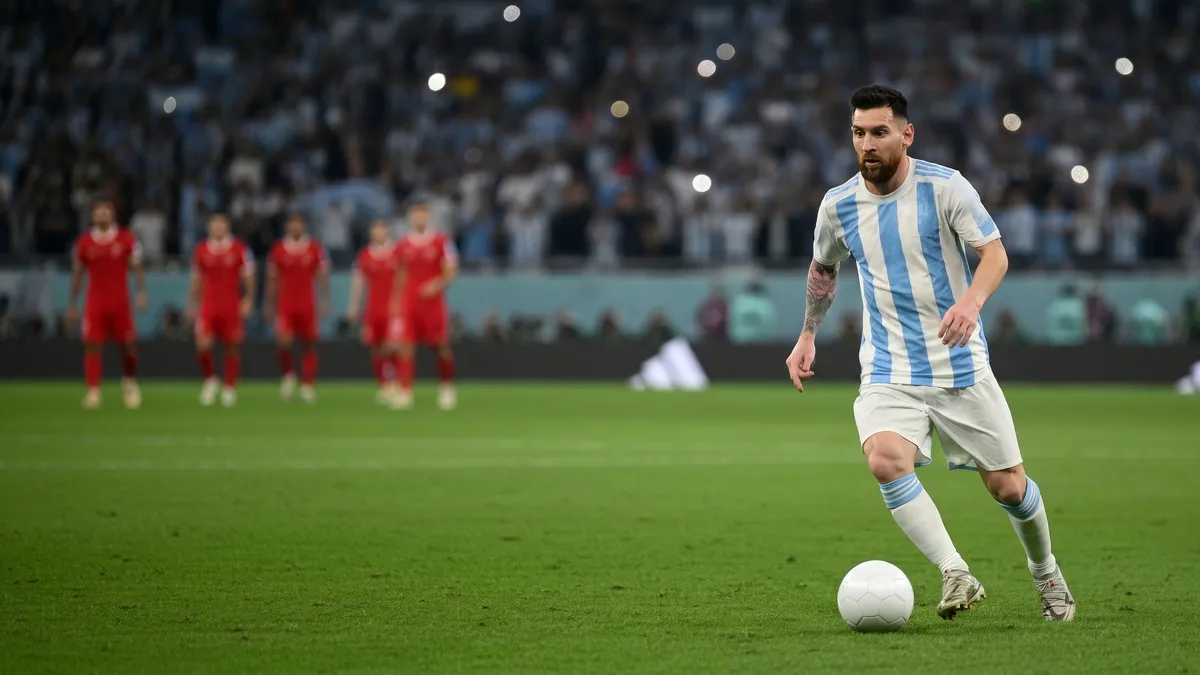
It’s impossible to talk about the 2026 Summer World Cup without the gravitational pull of Lionel Messi and Cristiano Ronaldo. The Messi Ronaldo World Cup storyline has defined an era, and World Cup 2026 could be the final chapter on the grandest stage. Even if their roles change—more leadership, fewer minutes—their presence will shape how the FIFA World Cup is marketed and remembered. Football fans aren’t just watching teams; they’re watching time itself.
There’s also a deeper point: icons bring casual viewers, and casual viewers bring cultural weight. The 2026 Summer World Cup wants to be a North America World Cup that converts new audiences without losing the old ones. Messi and Ronaldo are bridges between generations, between hardcore supporters and curious newcomers. If World Cup 2026 is their swansong, it will draw attention that smaller nations can ride too. In the FIFA World Cup ecosystem, star power lifts all boats.
Records will be everywhere at the 2026 Summer World Cup, but the emotional record is the one that matters: can two legends redefine their own endings? The FIFA World Cup is ruthless with aging stars, yet it also rewards those who adapt—who become passers, decoys, leaders, and calm heads in chaos. World Cup 2026 may not be about dominating every match; it may be about one decisive moment. That’s how history often lands.
When a squad includes an icon, the rest of the group can either rise or hesitate. The 2026 Summer World Cup will test whether teammates play with freedom or with deference, especially in tight knockout games. In the FIFA World Cup, opponents target the supporting cast, forcing others to decide matches. World Cup 2026 could reward teams that treat their stars as catalysts, not crutches. Football fans love legends, but they love functioning teams more.
If the 2026 Summer World Cup is partly about farewells, it’s also about arrivals. Kylian Mbappe remains the most terrifying transition player on the planet, a forward who can turn one loose pass into a stadium-wide gasp. World Cup 2026 should be prime territory for him: more matches, more chaotic moments, and more tired legs to punish. The FIFA World Cup has always crowned the player who owns space; Mbappe owns space like few ever have.
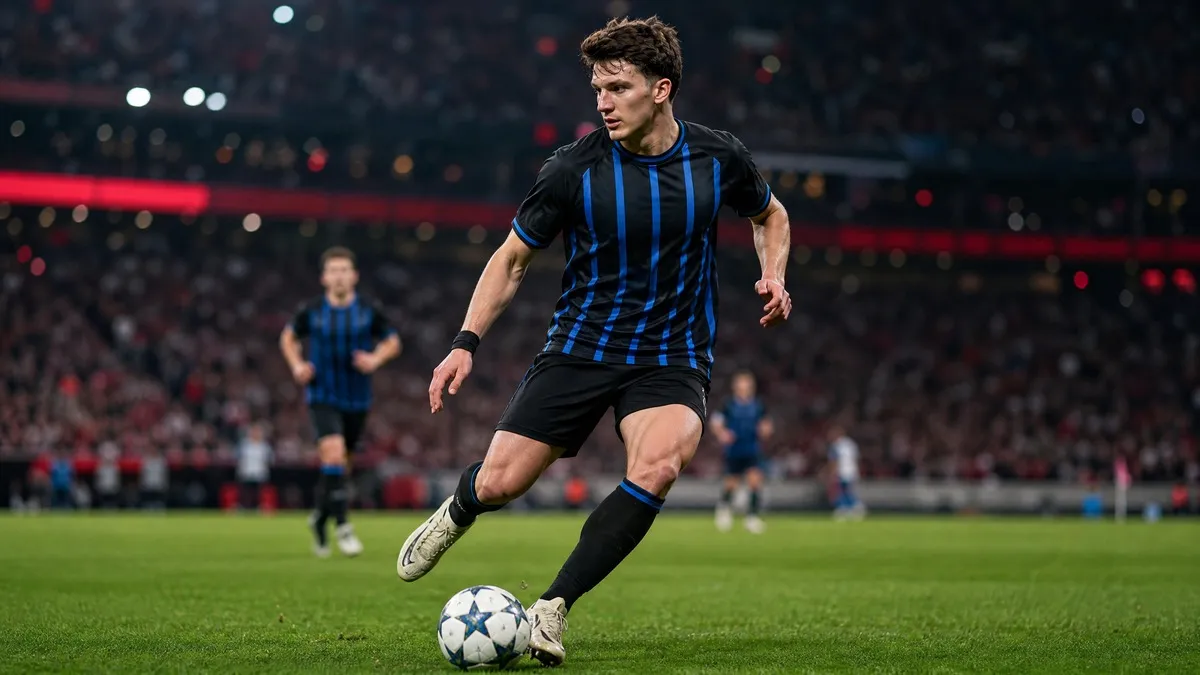
Then there’s Doku, a different kind of threat: a winger who treats full-backs like puzzles to be solved at speed. His club education has sharpened his decision-making, and football fans can see the confidence growing in his one-v-one choices. The 2026 Summer World Cup could be the stage where he stops being “exciting” and becomes “decisive.” In World Cup 2026, a single dribble that breaks a low block can be worth an entire game plan.
Mbappe’s aura is already global, but the 2026 Summer World Cup will judge him by the harshest metric: knockout influence. The habits learned in elite environments—where every match feels like a referendum—translate directly to the FIFA World Cup. Real Madrid, with its obsession for big nights and calm under pressure, is often the reference point for that mentality. World Cup 2026 will ask Mbappe to be both sword and shield: scorer, creator, and emotional leader.
In a 48-team 2026 Summer World Cup, many opponents will defend deep and dare favorites to break them down. That’s where Doku matters, because he creates disorder without needing elaborate patterns. Football fans know the feeling: a match stuck in slow motion until one winger decides to sprint at the problem. The FIFA World Cup often turns on these “chaos agents,” players who force fouls, penalties, and panicked clearances. World Cup 2026 could be his perfect storm.
The biggest fear around the 2026 Summer World Cup isn’t that it will be bad; it’s that it will be less human. Expansion, pricing, and corporate polish can quietly sand down the rough edges that make the FIFA World Cup feel like the world’s biggest neighborhood tournament. Football fans want stories they can touch: street parties, spontaneous chants, and strangers trading scarves. World Cup 2026 has the reach to be unforgettable, but only if it protects that intimacy amid scale.
There’s also a responsibility that comes with staging a North America World Cup: to welcome, not filter. The soccer tournament should be an open door for local communities, immigrant fan bases, and first-time attendees who might become lifelong supporters. If World Cup 2026 leans too hard into exclusivity, it risks shrinking the very culture it wants to monetize. The 2026 Summer World Cup should feel like football’s common ground, not a gated event.
Not every issue is philosophical; many are practical and solvable. The 2026 Summer World Cup can improve transport links on matchdays, build fan zones that don’t require expensive add-ons, and choose kickoff times that respect both stadium crowds and global audiences. The FIFA World Cup is a TV spectacle, but it’s also a live experience, and the live experience sets the tone. If World Cup 2026 makes it easy to be a fan, the tournament will feel warmer.
Expansion doesn’t have to mean dilution, but it does require constant adjustment. The 2026 Summer World Cup should be studied in real time: Are early matches competitive, are groups meaningful, do fans understand the pathways? The FIFA World Cup became sacred because every game felt like a moment; World Cup 2026 must keep that sensation even with more fixtures. If tweaks are needed later—seeding, scheduling, qualification balance—football fans will accept them if the goal is better drama.
The 2026 Summer World Cup will ultimately be remembered less for its spreadsheets and more for its feelings: the first anthem that shakes a stadium, the underdog that refuses to fold, the legend who steals one last spotlight, and the new star who announces a takeover. World Cup 2026 has the ingredients to be a classic North America World Cup, but it must keep fans at the center—financially, logistically, and emotionally. If the FIFA World Cup is football’s greatest party, the 2026 Summer World Cup has to make sure everyone can get in.

Julian Mercer is a lifelong student of the game whose passion for football was sparked at an early age, after stepping onto the grass of Camp Nou as a six-year-old — a moment that left a lasting impression and set him on a permanent path into the sport. Since then, football has been both his lens on the world and his favourite language. Blending traditional fandom with a deep interest in tactics, squad building, and long-term team development, Julian has spent decades analysing the game from every angle. His fascination with football strategy was further shaped through years of immersive play in Football Manager, a series he has followed since the mid-1990s, developing a sharp eye for patterns, player profiles, and the fine margins that define success. At My World Of Football, Julian focuses on the stories beneath the surface — from tactical evolutions and managerial philosophies to the narratives that connect clubs, players, and supporters across generations. His writing aims to balance insight with accessibility, always grounded in a genuine love for the game.
Continue reading more football news