Myworldoffootball
Arne Slot sabbatical: Liverpool exit, Milan, Madrid links
Arne Slot sabbatical talk grows after his Liverpool exit, with AC Milan interest and Real Madrid rumors swirling as he weighs family time and next job.
Arne Slot sabbatical talk grows after his Liverpool exit, with AC Milan interest and Real Madrid rumors swirling as he weighs family time and next job.
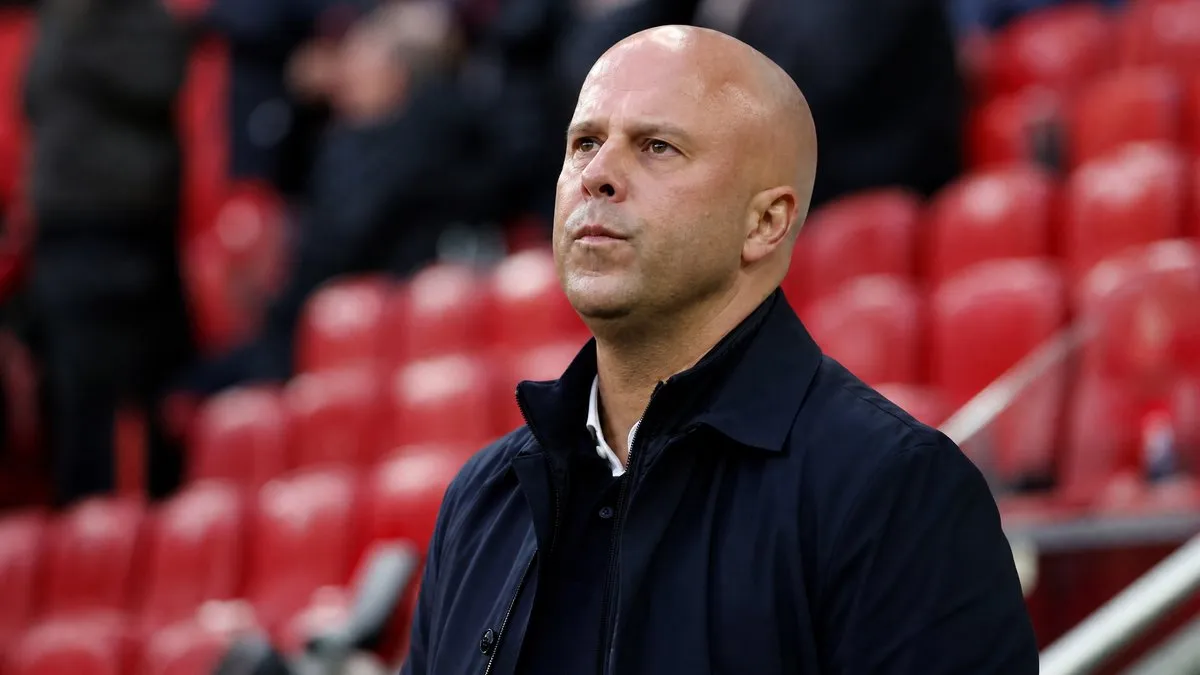
Arne Slot didn’t leave Liverpool in the usual way, with a tidy farewell and a clean handover; it felt messier, heavier, and far more human. After delivering a Premier League title in 2025, the Dutch coach was suddenly framed as the face of a season that spiralled under tragedy, injuries, and relentless scrutiny. Now the biggest question isn’t which job he’ll take next, but whether an Arne Slot sabbatical is the only logical move. With AC Milan interest and Real Madrid rumors circling, his next step has become football’s most intriguing pause.
Slot’s Liverpool reign will always be split into two halves: the exhilarating climb and the emotionally draining descent. Winning the Premier League title in 2025 should have been the defining chapter, proof that a new Liverpool manager could refresh the club’s identity without losing its edge. Instead, the months that followed turned into an endurance test, with every press conference sounding more like damage control than celebration. In that context, an Arne Slot sabbatical feels less like retreat and more like survival.
When people discuss football coaching changes, they often reduce them to tactics, results, and dressing-room dynamics. This case was different, because the season’s darkest moments weren’t created by a bad run of form, but by events that shook the squad’s emotional foundation. The death of Diogo Jota, referenced by many as a Diogo Jota accident, left a hole that couldn’t be filled by a transfer or a formation tweak. It’s why the Arne Slot sabbatical narrative resonates: sometimes the sport simply becomes too loud.
Supporters can accept a tactical gamble that fails, but they struggle to process a season shaped by grief. The loss of Diogo Jota didn’t just remove a forward; it altered the daily rhythm of training, the mood in the corridors, and the emotional energy required to compete. For a Liverpool manager, leadership becomes less about pressing triggers and more about protecting people. That’s the backdrop that makes an Arne Slot sabbatical sound like a compassionate, realistic response.
As injuries piled up, Mohamed Salah’s role expanded from star attacker to symbol of continuity. Liverpool’s margins narrowed, and every dropped point felt like a referendum on the coach’s authority rather than the squad’s physical limits. Slot’s methods were constantly judged against the impossible standard of stability in a destabilised year. When football coaching changes happen under those conditions, the exit rarely feels purely football-related. The Arne Slot sabbatical talk reflects a recognition that even elite coaches have breaking points.
Sportmarketer Chris Woerts didn’t frame it as drama; he framed it as logic. After years of living on the road, existing on match cycles, and being defined by the next result, a pause can be the most strategic decision a coach makes. An Arne Slot sabbatical would allow him to process a year that was emotionally abnormal even by Premier League standards. It would also stop him from being rushed into a job chosen out of obligation rather than ambition.
The Daily Mail echoing the sabbatical theory adds weight because it reflects how the industry reads his situation. Coaches often say they want family time, but the calendar rarely permits it, and the market rarely waits. Yet this is precisely why an Arne Slot sabbatical keeps coming up: it matches the tone of his exit and the scale of what Liverpool endured. In a sport obsessed with immediate answers, the idea of recharging feels almost radical.
Being Liverpool manager is not merely employment; it is a public identity that follows you into supermarkets, school gates, and every quiet moment at home. Slot’s season wasn’t just about tactics; it was about carrying a club through grief while being evaluated like a normal candidate on a normal timeline. An Arne Slot sabbatical would be a chance to return to being a husband, a father, and a private person. For once, the next fixture wouldn’t dictate the week’s emotional weather.
Modern elite coaching is a constant negotiation with noise: social media, punditry, recruitment politics, and a schedule that barely lets you breathe. Slot arrived with a reputation for clarity, but even clarity gets blurred when every decision is made in crisis mode. That’s why an Arne Slot sabbatical can be framed as professional maintenance, not weakness. Step away, rebuild perspective, and return with sharper instincts. In an era of rapid football coaching changes, the reset could extend his long-term peak.
Even if he wants silence, the market won’t grant it. AC Milan interest makes sense on paper: a club craving modern structure, quick combinations, and a coach who can energise a fanbase without demanding a decade-long rebuild. Slot’s work at Liverpool and before that in the Netherlands has made him a credible candidate for any top European job. Yet the very volume of speculation strengthens the Arne Slot sabbatical argument, because it shows how quickly he could be pulled back into the storm.
Real Madrid rumors are a different kind of pressure, because they are rarely just rumors; they are invitations to a spotlight that magnifies everything. Madrid is where reputations become global myths or global punchlines, and the margin for learning is minimal. If Slot is still processing his Liverpool exit, the Bernabéu is the last place to do it. An Arne Slot sabbatical would allow him to choose a project rather than be chosen by a narrative.
AC Milan interest isn’t only about results; it’s about identity. Slot’s teams tend to value positional discipline with freedom in the final third, a blend that can revive big clubs stuck between tradition and transition. Milan would be buying a coach comfortable with building patterns quickly, and with managing big names without surrendering the structure. But taking that job immediately could clash with the Arne Slot sabbatical logic, especially if he needs emotional distance from the Liverpool season.
Real Madrid rumors sound glamorous, but they come with a unique trap: you can’t arrive half-ready. If Slot is carrying fatigue, grief-adjacent stress from the Liverpool year, and the residue of constant crisis management, Madrid will expose it within weeks. The club’s expectations turn every draw into a crisis and every loss into a referendum. That’s why an Arne Slot sabbatical might be the smartest way to protect his ceiling. Sometimes the best route to Madrid is taking the long way around.
The romance of football often hides the contracts, but money and timing shape careers as much as tactics do. Slot is reportedly set to receive €8 million in severance, a figure that represents both compensation and leverage. The catch, as widely discussed, is that he risks losing part of it if he takes another job too soon. That detail makes an Arne Slot sabbatical not just emotionally sensible, but financially rational in a market where haste can be expensive.
Severance clauses are designed to prevent clubs from paying a coach while he immediately cashes another salary elsewhere. For Slot, that creates a built-in cooling-off period that aligns neatly with the public narrative of stepping away. It also changes how clubs approach him, because they may need to wait or negotiate around the clause. In a summer defined by football coaching changes, the Arne Slot sabbatical becomes a timeline that others must respect, not just a personal preference.
Fans tend to see coaching moves as emotional decisions, but agents and executives see them as legal puzzles. If Slot signs quickly, the severance reduction effectively becomes a hidden transfer fee paid by him, not the buying club. That can distort negotiations, from salary demands to contract length, because he’ll want to protect his total earnings. An Arne Slot sabbatical removes that friction and lets the market settle. It’s a rare case where patience can literally pay.
There’s also a sporting advantage to waiting. By taking an Arne Slot sabbatical, he can watch which clubs actually commit to coherent planning rather than chasing a quick fix. The first wave of vacancies is often chaotic, driven by panic and headlines, while later openings can be more deliberate. Slot has earned the right to be selective after delivering a Premier League title and navigating an impossible season. If he returns, he can return on his terms, not on football’s loudest timetable.
Speculation about a Feyenoord coaching reunion is inevitable because it fits the emotional storyline: the successful son returning home after a bruising adventure abroad. Feyenoord remains a club where Slot’s methods are understood, where the cultural fit is natural, and where the scrutiny is intense but familiar. Yet the past isn’t a blank canvas, and reports of conflicts with club management complicate the dream. An Arne Slot sabbatical could either soften those tensions over time or make a return feel unnecessary.
For Feyenoord, the temptation would be enormous, because hiring Slot again would be a statement of ambition and stability. For Slot, it would be a chance to coach in a setting that doesn’t carry the daily global pressure of Liverpool, while still offering meaningful competition. But returning too quickly can turn nostalgia into a trap, especially if structural disagreements remain unresolved. That’s why an Arne Slot sabbatical might be the bridge: time to let egos cool and realities settle.
Purely on football terms, Feyenoord coaching suits Slot because it allows him to build, teach, and compete without being swallowed by celebrity culture. His training-ground influence is often described as detailed and repetitive in the best way, drilling automatisms until they become instinct. In the Eredivisie environment, that kind of work can dominate, especially with a supportive recruitment plan. But the Liverpool chapter changes him, and an Arne Slot sabbatical could help him decide whether he wants familiarity or a new challenge.
When a coach leaves with friction, the club’s internal politics don’t magically reset. If Slot had clashes with decision-makers before, returning could reopen those fault lines, particularly if expectations are inflated by what he achieved as Liverpool manager. Feyenoord would need clarity on roles, recruitment authority, and long-term planning to avoid repeating old patterns. An Arne Slot sabbatical gives all parties space to negotiate without urgency. Without that pause, a reunion could be rushed, emotional, and ultimately unstable.
Slot’s Liverpool story will be debated for years because it contains both triumph and trauma. The Premier League title will always be there, a permanent line in the record books, but so will the sense that circumstances derailed something that might have grown into a longer era. The death of Diogo Jota and the injury chaos created a season that defies neat judgment. In that light, an Arne Slot sabbatical isn’t an escape from accountability; it’s an acknowledgement that the human context mattered.
Football loves clean endings, but this was not one, and that’s why his next move feels so consequential. If he rushes into AC Milan interest or Real Madrid rumors, he risks carrying Liverpool’s emotional residue into a new dressing room. If he steps away, he can return with clarity, energy, and a sharper sense of what he wants to build. The Arne Slot sabbatical idea keeps gaining traction because it offers a rare reset in a sport that rarely pauses.
Players tend to remember how a coach behaves when the plan collapses, not when everything is working. Salah and the senior voices in that Liverpool squad will likely judge Slot by his empathy, his steadiness, and his willingness to shield them when the world felt intrusive. In a season marked by the Diogo Jota accident narrative and constant disruption, leadership becomes personal. That’s why an Arne Slot sabbatical could even enhance his reputation among players. It signals self-awareness, not ego-driven chasing of the next headline.
The best comeback isn’t necessarily the biggest club; it’s the best alignment of timing, resources, and emotional readiness. Slot can afford to wait for a project that matches his principles, whether that’s Milan, a different European giant, or even a carefully repaired relationship at Feyenoord. The severance structure and the public sympathy for his circumstances provide cover to be patient. If he embraces an Arne Slot sabbatical, the next job can be a choice, not a reaction. And in modern football, that might be the rarest victory.
For fans watching the carousel spin, it’s tempting to treat Slot like the next available name on a shortlist, ready to be plugged into Milan or Madrid at a moment’s notice. But the story coming out of Liverpool suggests something deeper: a coach who won big, then endured events that demanded more than tactical solutions. If an Arne Slot sabbatical happens, it won’t be indecision; it will be a deliberate reset after a uniquely brutal year. When he returns, the football world will still be there, and the best clubs may find a better, fresher version of him waiting.

Julian Mercer is a lifelong student of the game whose passion for football was sparked at an early age, after stepping onto the grass of Camp Nou as a six-year-old — a moment that left a lasting impression and set him on a permanent path into the sport. Since then, football has been both his lens on the world and his favourite language. Blending traditional fandom with a deep interest in tactics, squad building, and long-term team development, Julian has spent decades analysing the game from every angle. His fascination with football strategy was further shaped through years of immersive play in Football Manager, a series he has followed since the mid-1990s, developing a sharp eye for patterns, player profiles, and the fine margins that define success. At My World Of Football, Julian focuses on the stories beneath the surface — from tactical evolutions and managerial philosophies to the narratives that connect clubs, players, and supporters across generations. His writing aims to balance insight with accessibility, always grounded in a genuine love for the game.
Continue reading more football news