Bayern Munich Champions League: Styles Shaping Europe
Bayern Munich Champions League run, Arsenal’s pragmatism, and PSG’s treble reign show how football strategies are evolving at the elite level.
Bayern Munich Champions League run, Arsenal’s pragmatism, and PSG’s treble reign show how football strategies are evolving at the elite level.
The Bayern Munich Champions League narrative rarely does subtle, and this quarter-final against Real Madrid was pure, high-wire drama. Bayern edged a 6-4 aggregate, dazzling in attack while leaving enough space at the back to make every lead feel temporary. Stephen Warnock analysis on the tie captured the mood: admiration for the goals, skepticism about the defending, and a lingering question about whether chaos can win Europe. In the same breath, Arsenal and PSG offered different answers—one pragmatic, one newly explosive.
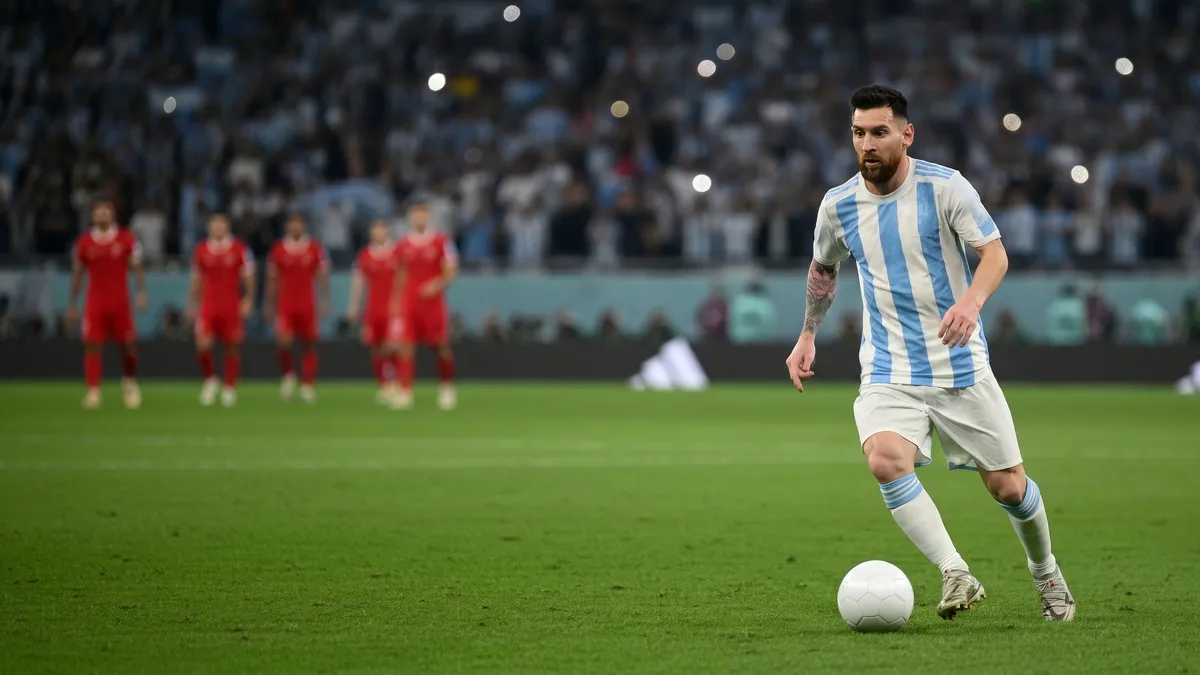
Bayern Munich Champions League nights are supposed to feel inevitable, yet this one felt improvised and irresistible. Across two legs, Bayern’s front line played like a band with no conductor—still somehow perfectly in time—creating chances from broken presses and quick switches. The 6-4 aggregate over Real Madrid screamed attacking football, but it also exposed defensive vulnerabilities that made the contest feel permanently on a knife-edge. For neutral fans it was a feast; for Bayern coaches it was a migraine.
Real Madrid rarely lose European ties without leaving fingerprints, and they punished Bayern’s looseness whenever the game opened up. Bayern’s risk-reward balance leaned heavily toward reward, because they trusted their creators to keep producing decisive moments. That’s the heart of the Bayern Munich Champions League identity: overwhelm first, tidy up later. The problem is that “later” becomes harder in semi-finals and finals, when opponents are sharper, calmer, and more clinical in transition.
The scoreline read like a celebration, but it also read like a scouting report for the next opponent. Bayern’s spacing between midfield and defense repeatedly stretched, inviting runners to attack the channels and forcing emergency defending. In Bayern Munich Champions League history, the best versions of this club paired swagger with structure, not swagger alone. Against Real Madrid, Bayern were brilliant in bursts, yet vulnerable for long spells, and that inconsistency is what keeps critics circling.
There’s a seductive logic to Bayern’s approach: if you can score three, you can concede one and still win. But the Bayern Munich Champions League path is littered with teams who tried to outgun the problem rather than solve it. When fullbacks fly forward and midfielders gamble on second balls, the game becomes a track meet, and track meets create randomness. Bayern embraced that randomness, and it worked, yet it also left a sense that the margin for error is shrinking.
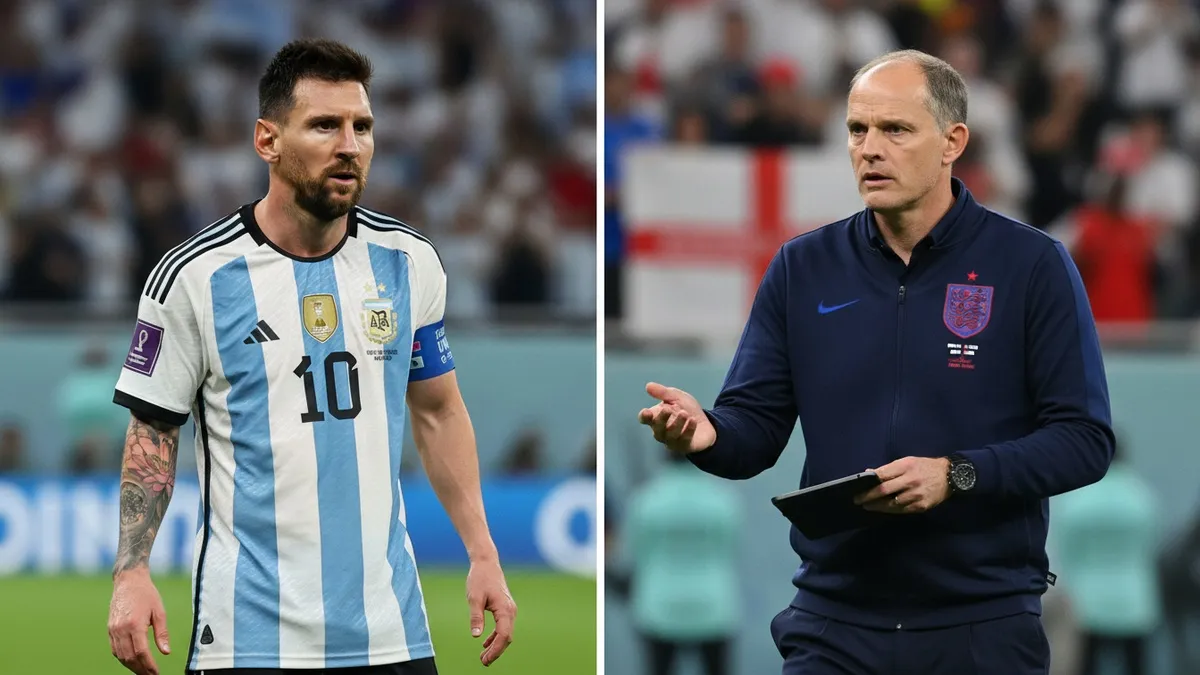
Stephen Warnock analysis landed with the bluntness of a former defender who knows what panic feels like. He admired Bayern’s ability to turn half-chances into goals, but he questioned whether the back line can survive the final rounds without a cleaner defensive platform. In the Bayern Munich Champions League context, that’s not nitpicking; it’s the difference between a semi-final run and lifting the trophy. Warnock’s point wasn’t that Bayern can’t win—just that they’re choosing the hardest route.
What made Warnock’s skepticism resonate is that it matched what supporters saw: moments of dominance followed by moments of needless exposure. Bayern’s pressing was aggressive, but when it was bypassed, the recovery runs looked desperate rather than controlled. That’s the classic signature of defensive vulnerabilities—players defending space instead of defending situations. In the Bayern Munich Champions League, you can survive one chaotic tie, but surviving three in a row is another matter entirely.
Warnock’s lens is unforgiving because Europe is unforgiving. A late step in the line, a fullback caught inside, a midfielder switching off for one second—those are the details that decide a Bayern Munich Champions League semi-final. Bayern’s attacking football can cover many flaws, yet it also encourages opponents to keep believing they’ll get another chance. Real Madrid did, repeatedly, and a more ruthless side might turn those invitations into a knockout punch.
The uncomfortable question is whether Bayern’s issues are tactical, personnel-based, or philosophical. Tweaks can help—more conservative rest defense, better counter-press spacing, clearer triggers for when to slow the tempo. But the Bayern Munich Champions League identity has long been built on dominance, and dominance can morph into impatience when the game gets tight. If Bayern choose to stay maximalist, they must accept that every match becomes a referendum on their nerve as well as their talent.
Arsenal Champions League progress has been framed as a triumph of control over spectacle, and that framing is mostly fair. They reached the semi-finals without losing a match, a stat that reads like a manifesto in an era obsessed with highlights. Arsenal’s approach has been called cautious, even dull, but it’s also deeply modern: reduce variance, manage game states, and make opponents play in the least comfortable areas. In a competition where one mistake can end a season, that’s not cowardice—it’s craft.
The contrast with Bayern Munich Champions League chaos is striking because Arsenal don’t chase the same kind of adrenaline. They build attacks with patience, accept that some nights will be decided by one goal, and treat clean sheets like currency. Their defensive structure is not an accessory to their football; it’s the foundation. If Bayern look like they’re trying to win the Champions League in a sprint, Arsenal look like they’re trying to win it in 180 controlled minutes at a time.
What fans sometimes call pragmatic is often just disciplined. Arsenal’s off-ball work funnels opponents away from central zones, and their midfield spacing prevents the kind of second-wave chaos that fuels comebacks. In the Arsenal Champions League story, the unbeaten run isn’t luck; it’s the result of refusing to give games oxygen. Compared to the Bayern Munich Champions League approach, Arsenal are less likely to win 4-3, but also less likely to lose 4-3.
There’s a nostalgic quality to Arsenal’s method, because it echoes older European Cup history where control and timing mattered as much as flair. They still have technicians, but they prioritize the collective over the solo. That’s why their Arsenal Champions League campaign feels like a throwback and a trend at once. In the same tournament where Bayern Munich Champions League ties can resemble basketball scores, Arsenal are proving that restraint remains a legitimate form of ambition.
The PSG treble didn’t arrive as a gentle evolution; it landed like a reset. Paris Saint-Germain have often been accused of collecting stars without building an ecosystem, but this version looked coherent, hungry, and tactically aligned. The signing of Khvicha Kvaratskhelia symbolized that shift, adding a wide threat who can beat a man, combine in tight spaces, and sustain attacks rather than just finish them. For the first time, PSG’s European Cup history includes the ultimate line: champions.
Kvaratskhelia’s influence wasn’t only about goals and assists; it was about giving PSG a different rhythm. He helped them stretch defenses horizontally, which opened lanes for central runners and made their pressing more effective because turnovers happened in better zones. The PSG treble was built on that kind of interconnectedness, where the attack and defense feed each other. In the Bayern Munich Champions League conversation, PSG now represent the model of explosive football that still respects control.
Paris Saint-Germain’s best nights used to feel like individual rescue missions, but the treble side looked like a machine with multiple ways to win. They could counter quickly, but they could also suffocate opponents with possession and structure. That versatility is what separates champions from contenders in European Cup history. It also offers a quiet critique of the Bayern Munich Champions League approach: brilliance is essential, but repeatability is what wins tournaments.
Kvaratskhelia gave PSG a winger who treats defenders like invitations rather than obstacles. His dribbling forced double teams, and those double teams created the kind of cascading advantages elite sides live for. In the PSG treble season, that meant more sustained pressure and fewer spells where PSG looked passive. When you compare it to Bayern Munich Champions League matches that swing wildly, PSG’s attack felt just as dangerous but less reckless, because it was anchored to clearer spacing and responsibilities.
At the top of Europe, football strategies are no longer divided simply into “attacking” and “defensive.” The real divide is between teams who embrace volatility and teams who minimize it, and the Bayern Munich Champions League run is the clearest case study in the former. Arsenal minimize chaos, PSG harness it, and Bayern sometimes seem to invite it. The tournament becomes a philosophical debate played at full speed, with every transition acting like an argument.
The middle path is increasingly attractive: attack with numbers, but defend with structure; press aggressively, but keep a safety net. That’s why Warnock’s critique matters beyond Bayern, because it speaks to the modern demand for two-way excellence. In the Bayern Munich Champions League setting, you can’t be purely romantic anymore, not against the best. The future belongs to sides that can change tempo without changing identity, and that’s where the next tactical frontier sits.
Defensive vulnerabilities are amplified because transitions are faster and more rehearsed than ever. Teams train to attack the moment possession changes, and they do it with coordinated runs and pre-planned passing patterns. That’s why Bayern Munich Champions League opponents will keep targeting the spaces behind fullbacks and the gaps beside the holding midfielder. Arsenal reduce those gaps, PSG press to prevent those passes, and Bayern must decide whether to patch the leaks or keep trusting the next wave of goals.
Luis Diaz is a useful reference point in this wider debate because he represents the modern winger as both creator and defender. His game is built on relentless running, immediate counter-pressing, and the ability to turn a loose ball into a direct attack. Teams chasing the Bayern Munich Champions League trophy increasingly want wide players who can do that two-way work without losing flair. Whether at club or international level, Diaz-type profiles show how attacking football now comes with defensive responsibility baked in.
The Bayern Munich Champions League question now is simple: can they keep scoring enough to make the defensive concerns irrelevant? The quarter-final suggested they can hurt anyone, because their chance creation comes from multiple sources and their confidence grows with every goal. But the deeper the tournament goes, the more opponents will manage risk, slow the tempo, and punish giveaways. Bayern’s path is still open, yet it demands emotional control as much as tactical adjustment.
Arsenal and PSG offer two cautionary mirrors. Arsenal show that you can reach the last four by refusing to lose, while PSG show that you can win everything by marrying aggression to structure. For Bayern Munich Champions League success, the ideal is to keep the attacking football but reduce the needless concessions that turn control into chaos. If they can tighten their rest defense by even ten percent, their firepower becomes terrifying rather than merely thrilling.
Quarter-finals can become shootouts because both teams feel the pull of the moment, but semi-finals often become chess. Opponents will be less willing to exchange transitions, and they’ll bait Bayern into overcommitting before springing traps. In the Bayern Munich Champions League, that’s where patience becomes a skill, not a mood. If Bayern can score first and then manage the game with calmer possession, they’ll look less like gamblers and more like champions-in-waiting.
Bayern’s relationship with European Cup history is heavy, because this club measures seasons by continental nights. Winning a Bayern Munich Champions League campaign isn’t just a trophy; it’s a statement about identity, coaching, recruitment, and the standards that define the badge. That’s why Warnock’s doubts sting and why the Real Madrid tie mattered so much. Bayern have proven they can thrill; now they must prove they can control, because control is what turns a run into a legacy.
What makes this season fascinating is that the Champions League is doubling as a referendum on how football should be played. Bayern Munich Champions League drama argues for freedom and firepower, Arsenal Champions League steadiness argues for structure and restraint, and PSG’s treble argues for a modern synthesis that can do both. Stephen Warnock analysis may sound harsh, but it reflects the fine margins that decide Europe. As the semi-finals loom, the real winner may be the philosophy that best survives pressure.

Julian Mercer is a lifelong student of the game whose passion for football was sparked at an early age, after stepping onto the grass of Camp Nou as a six-year-old — a moment that left a lasting impression and set him on a permanent path into the sport. Since then, football has been both his lens on the world and his favourite language. Blending traditional fandom with a deep interest in tactics, squad building, and long-term team development, Julian has spent decades analysing the game from every angle. His fascination with football strategy was further shaped through years of immersive play in Football Manager, a series he has followed since the mid-1990s, developing a sharp eye for patterns, player profiles, and the fine margins that define success. At My World Of Football, Julian focuses on the stories beneath the surface — from tactical evolutions and managerial philosophies to the narratives that connect clubs, players, and supporters across generations. His writing aims to balance insight with accessibility, always grounded in a genuine love for the game.
Continue reading more football news