Myworldoffootball
Bruno Fernandes successor: United eye Mateus Fernandes
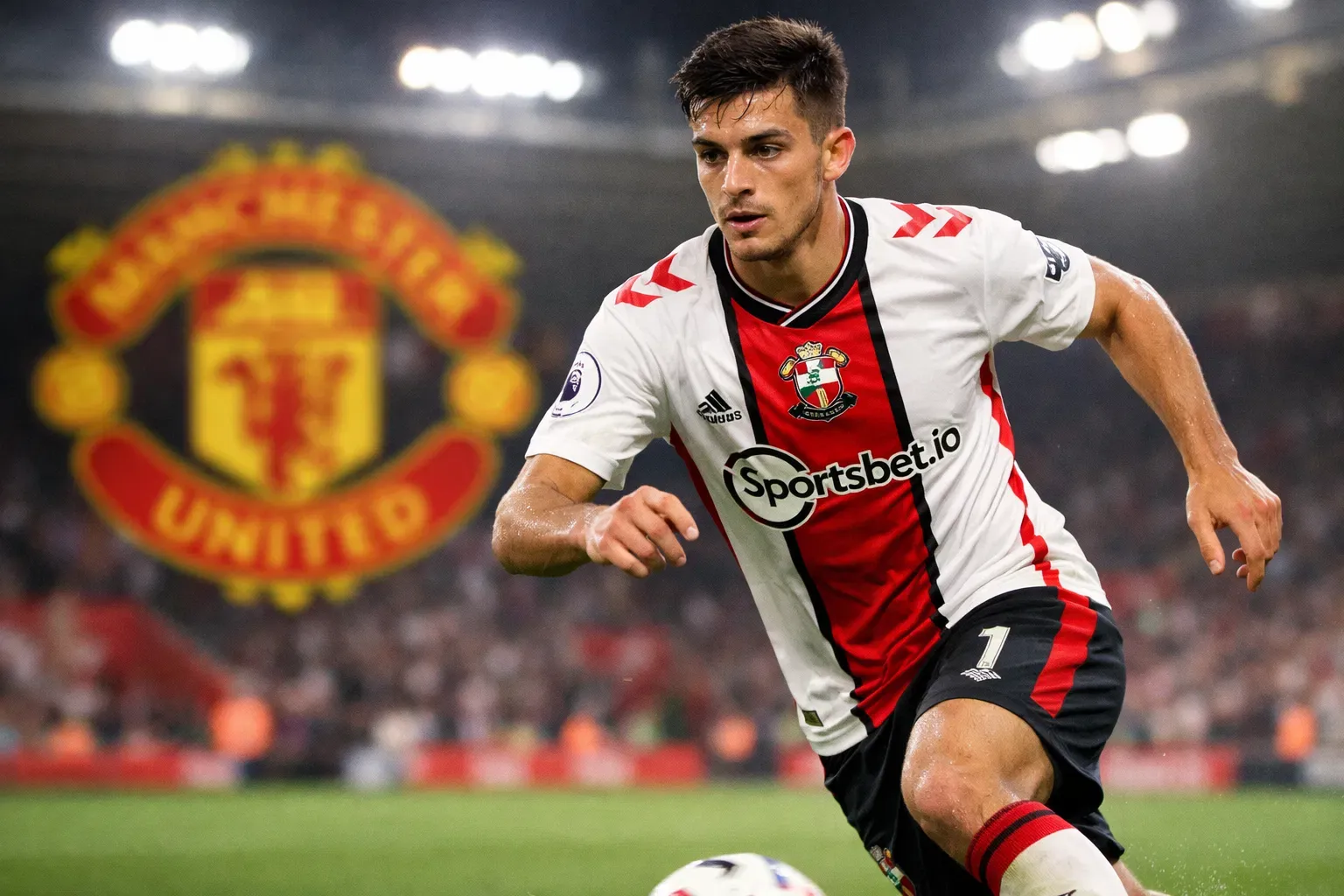
Bruno Fernandes successor talk grows as Man United monitor West Ham midfielder Mateus Fernandes amid Casemiro departure plans and City interest.
Bruno Fernandes successor talk grows as Man United monitor West Ham midfielder Mateus Fernandes amid Casemiro departure plans and City interest.
Manchester United’s summer planning has taken on a familiar edge: rebuild the spine, protect the budget, and somehow keep the team competitive while the foundations are re-poured. Into that mix comes a fascinating whisper from Portugal, with captain Bruno Fernandes reportedly pointing to West Ham United midfielder Mateus Fernandes as a potential heir at Old Trafford. It’s the kind of tip that spreads quickly because it fits multiple narratives at once, from Sir Jim Ratcliffe’s overhaul to a looming Casemiro departure.
The phrase Bruno Fernandes successor used to sound like a distant problem, something for a future United side to solve when the captain finally slowed down. Now it feels immediate, because United’s midfield needs reshaping regardless of whether Bruno stays long term. With Ratcliffe’s football operation insisting on smarter recruitment, the club is hunting profiles that can carry minutes, press, and create under pressure. That is exactly why Mateus Fernandes has entered the conversation.
United have been caught between eras for too long, leaning on veterans while hoping younger pieces develop fast enough to cover gaps. The Bruno Fernandes successor debate is really about control: who can dictate tempo, connect phases, and still produce in big moments. Mateus Fernandes, despite West Ham’s uneven season, has shown the ability to receive on the half-turn and play forward early. Those traits are gold in a side trying to reduce chaos and increase repeatable patterns.
In Manchester United transfer news, player recommendations can be dismissed as gossip, yet they often reflect what a dressing room actually feels it lacks. Bruno knows the physical and mental load of being United’s creative engine, and he also knows how quickly the crowd turns when chance creation dries up. If he is indeed recommending Mateus, it signals a desire for shared responsibility rather than a single point of failure. That alone makes the Bruno Fernandes successor angle compelling.
Ratcliffe’s early messaging has been about standards, structure, and spending with purpose, which changes how United should approach a Bruno Fernandes successor. Instead of chasing the loudest name, the club can target a midfielder whose development curve matches the wider rebuild. Mateus, at 21, fits a timeline where United can add two or three core starters across windows. It’s also easier to justify a £40m outlay when the player can grow into a role, not just fill it.
West Ham’s campaign has been a grind, and that context matters because it can hide quality as much as it reveals it. Mateus Fernandes has stood out by offering solutions when the game state turns ugly, showing composure in tight areas and a willingness to run defensively. For a West Ham midfielder, he has unusual comfort receiving between lines and switching play quickly. That mix of bravery and discipline is why the Bruno Fernandes successor label is sticking.
What makes Mateus interesting is that he doesn’t play like a passenger waiting for the ball to arrive in perfect conditions. He hunts space, checks his shoulders, and often chooses progressive passes even when the safer option is available. That mentality is a key separator among Premier League young talents, especially in teams that don’t dominate possession. United’s scouts will love that he’s not just producing in a super-team environment, which strengthens the case for a Bruno Fernandes successor who can handle Old Trafford pressure.
A call-up to the Portugal national team is never a guarantee of stardom, but it is a strong signal that a player’s baseline level is rising. Portugal’s midfield competition is fierce, and earning attention there suggests Mateus is doing more than just surviving Premier League intensity. For United, that international context matters because it hints at adaptability and learning speed. If Bruno is advocating a Bruno Fernandes successor, seeing Mateus climb the Portugal ladder supports the idea.
Mateus is not a carbon copy of Bruno, and that’s actually the point when discussing a Bruno Fernandes successor. United don’t necessarily need another high-risk passer who tries the killer ball every two minutes; they need balance around chance creation. Mateus offers a calmer rhythm, with the ability to carry the ball past pressure and then release it at the right moment. In a restructured midfield, he could allow Bruno to pick his moments, or eventually replace that output in a different way.
The expected Casemiro departure is the kind of move that forces a club to confront uncomfortable truths. United signed him for instant authority, but the physical demands of the Premier League and the team’s tactical instability have often left him exposed. If Casemiro goes, United must replace not only ball-winning but also leadership and game management. That reshuffle naturally reopens the Bruno Fernandes successor discussion, because the captain’s role changes when the midfield behind him is rebuilt.
When a defensive midfielder ages out or moves on, the entire structure of a team’s possession game shifts. United have often relied on Bruno to drop deep and start attacks because the build-up has been shaky. A new base midfielder could free Bruno, but it could also reduce his influence if the team becomes more system-led. In that scenario, signing a Bruno Fernandes successor like Mateus makes sense as insurance, especially if Bruno’s own future remains uncertain.
Bruno’s best United spells have come when he can stay closer to goal and attack the box, rather than acting as a one-man build-up plan. If United recruit a more secure first-phase passer and a mobile ball-winner, Bruno can conserve energy for decisive actions. Yet that also means the team becomes less dependent on him, which is healthy but politically sensitive. It’s another reason the club can plan for a Bruno Fernandes successor without making it feel like a public demotion.
Calling Mateus a smart secondary signing is not an insult; it’s a recognition of how modern squad building works. United may prioritize a marquee defensive midfielder first, then add a connector who can play multiple roles across midfield lines. Mateus fits that “glue” profile, and those players often become indispensable once the season’s injuries and form dips hit. If he arrives and adapts fast, the Bruno Fernandes successor tag could shift from theory to reality in months.
The reported £40m valuation is a sweet spot in today’s market: expensive enough to demand confidence, but not so high that it breaks a rebuild budget. West Ham’s own financial pressures can turn that number into leverage for buyers, particularly if they need to balance books or refresh their squad. For United, it’s the kind of fee Ratcliffe’s team can justify if the recruitment model prioritizes age and resale value. It’s also a realistic price for a Bruno Fernandes successor candidate with Premier League proof.
United’s recent history is littered with overpayments, and that has made every negotiation feel like a tax on their badge. A more disciplined approach would mean setting a ceiling and being ready to walk away, even for a player as intriguing as Mateus Fernandes. Still, the fit is hard to ignore: Premier League-ready, international recognition, and room to grow. If the club can structure add-ons and installments, the Bruno Fernandes successor pursuit becomes financially rational rather than emotional.
Mid-table clubs often sell not because they want to, but because the market offers a chance to reset multiple positions at once. A £40m sale can fund two starters and a prospect, especially if wages are controlled and recruitment is sharp. West Ham have shown they can be pragmatic when the price matches their internal valuation. If United arrive with a clean offer and quick timeline, the Bruno Fernandes successor story could accelerate faster than fans expect.
Ratcliffe’s era will be judged not only by results but by whether United stop making the same mistakes in public. That means fewer panic buys, clearer squad logic, and deals that look coherent to supporters who have become amateur accountants. Signing a Bruno Fernandes successor at 21 for £40m can be sold as planning rather than replacement, especially if it’s paired with a clear midfield anchor signing. In that sense, Mateus is politically useful as well as tactically interesting.
When Manchester City are monitoring a player, it doesn’t automatically mean he’s elite, but it often means the player fits a modern technical baseline. City tend to value midfielders who can play in tight spaces, make quick decisions, and execute under pressing traps. If they see something in Mateus Fernandes, United should pay attention, because it suggests the skill set translates to possession-dominant football. That strengthens the argument that he could be a credible Bruno Fernandes successor in a more controlled United side.
City’s interest also changes the negotiation dynamics, because West Ham can point to a rival bidder and keep the price firm. For United, there’s an added psychological layer: losing a target to City is never just a missed signing, it becomes a symbol of the gap between the clubs. That doesn’t mean United should overreact, but it does mean they need clarity and speed. If Mateus is genuinely viewed as a Bruno Fernandes successor, dithering would be costly.
At Bruno’s best, he combines relentless running with decisive final actions, and City’s system has room for that kind of output when it’s balanced by structure. Pep’s midfielders are asked to manage risk, but they still need players who can break lines and arrive in scoring positions. Mateus offers a blend of security and progression that could appeal to City as a long-term project. If United want a Bruno Fernandes successor, beating City to a shared target would be a statement of competence.
The danger for United is framing the move as “we can’t let City get him,” rather than “he’s right for us.” Recruitment driven by rivalry tends to end with inflated fees and awkward fits, which United fans know too well. The smarter play is to evaluate Mateus on role clarity: minutes available, tactical demands, and development plan. If he ticks those boxes, he’s a Bruno Fernandes successor option worth pursuing regardless of City’s shadow.
Bruno’s future is a constant subplot because modern football rarely allows a player to stay at one club through multiple rebuild cycles without doubts creeping in. United’s captain has carried huge responsibility, but he has also been the lightning rod for criticism when performances dip. Planning for a Bruno Fernandes successor is not a betrayal; it’s what serious clubs do to avoid sudden collapse if a star leaves or declines. The key is managing the transition without destabilizing the present.
Leadership at United is also being redefined, with Ratcliffe’s regime likely to reshape dressing-room hierarchies over time. If Casemiro goes and other senior players move on, the club must cultivate a new core of leaders who can handle setbacks and expectations. A 21-year-old like Mateus won’t arrive as captain, but he can grow into a responsibility role if his mentality matches his talent. In that sense, the Bruno Fernandes successor plan is as much about character as it is about passing range.
Even if Bruno stays and starts 50 games again, United need another midfielder who can progress play and keep attacks flowing when Bruno is marked out. Mateus can help by offering an extra passing angle, carrying through midfield, and recycling possession without panic. That would reduce the team’s dependence on Bruno’s constant hero-ball moments. A shared workload makes the Bruno Fernandes successor idea feel like depth and evolution, not an abrupt handover.
The Premier League punishes adaptation time, which is why targeting Premier League young talents has become a practical shortcut for clubs trying to rebuild quickly. Mateus already understands the pace, the duels, and the weekly tactical variety, making his learning curve shorter than many overseas options. United need signings who can contribute now and still peak in three years when the project should be mature. That’s exactly the profile you want when scouting a Bruno Fernandes successor without sacrificing the present.
Ultimately, the intrigue around Mateus Fernandes is that he represents a rare intersection of logic and opportunity. He’s young, Premier League-tested, valued at a fee United can plausibly structure, and apparently admired by Bruno himself, which adds a human seal of approval to the data. With the midfield set for change and the Bruno Fernandes successor question growing louder, United’s next steps will reveal how serious Ratcliffe’s new operation really is. If they move decisively, this could be the signing that quietly shapes the next era.

Julian Mercer is a lifelong student of the game whose passion for football was sparked at an early age, after stepping onto the grass of Camp Nou as a six-year-old — a moment that left a lasting impression and set him on a permanent path into the sport. Since then, football has been both his lens on the world and his favourite language. Blending traditional fandom with a deep interest in tactics, squad building, and long-term team development, Julian has spent decades analysing the game from every angle. His fascination with football strategy was further shaped through years of immersive play in Football Manager, a series he has followed since the mid-1990s, developing a sharp eye for patterns, player profiles, and the fine margins that define success. At My World Of Football, Julian focuses on the stories beneath the surface — from tactical evolutions and managerial philosophies to the narratives that connect clubs, players, and supporters across generations. His writing aims to balance insight with accessibility, always grounded in a genuine love for the game.
Continue reading more football news