Myworldoffootball
Chappell Roan Jorginho incident sparks fan debate
Chappell Roan Jorginho incident: Flamengo star says stepdaughter Ada left in tears after security clash in Sao Paulo as Roan denies involvement.
Chappell Roan Jorginho incident: Flamengo star says stepdaughter Ada left in tears after security clash in Sao Paulo as Roan denies involvement.
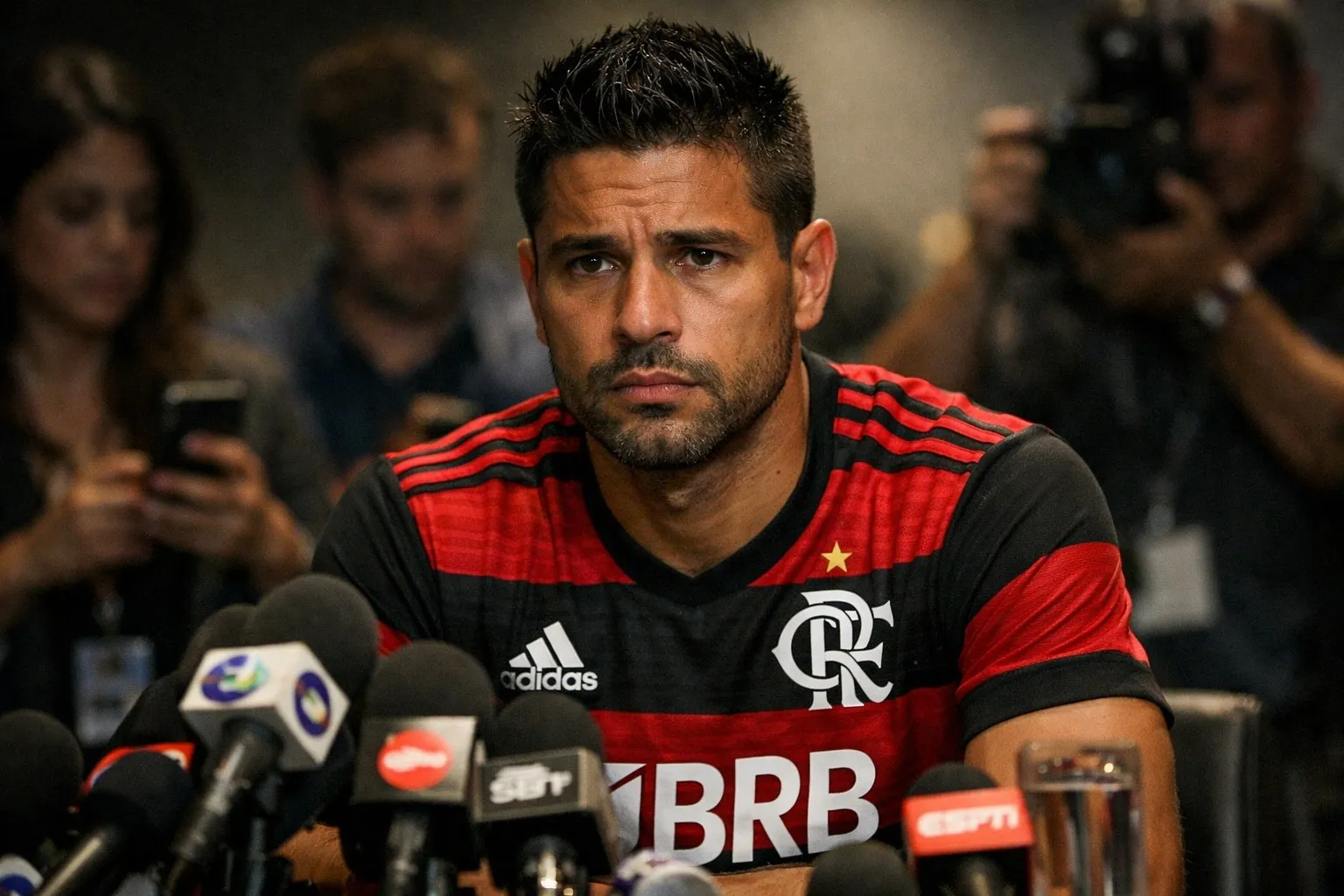
The Chappell Roan Jorginho incident has landed in that modern crossroads where football fame, pop stardom, and a phone camera can turn a private moment into a global argument overnight. Jorginho, now a Flamengo midfielder after spells at Chelsea and Arsenal, says his stepdaughter Ada left an encounter in Sao Paulo in tears following an aggressive approach by security. Roan, meanwhile, insists she didn’t know it happened and never instructed anyone to confront the family. What follows is less about one awkward moment and more about how celebrity fan interactions are policed, narrated, and judged.
According to Jorginho, the Chappell Roan Jorginho incident began as a simple attempt to share a fleeting, positive moment with a star in public. He described being with his family when a security guard approached them abruptly, accusing them of being disrespectful and escalating a situation that, in his view, didn’t need escalation. The most striking detail was Ada’s reaction, with Jorginho saying she ended up crying. In the football world, where families often live under scrutiny, that emotional fallout instantly made the story travel.
What made the Chappell Roan Jorginho incident explode wasn’t just the allegation, but the platform and timing, because Jorginho chose to speak via a Jorginho Instagram post rather than through an agent’s statement. That choice made it feel personal and immediate, like a captain addressing his dressing room rather than a celebrity issuing PR. Fans then did what fans always do: picked sides, clipped quotes, and argued about context. The moment became a referendum on manners, entitlement, and who gets protected in public spaces.
The Jorginho Instagram post framed the Chappell Roan Jorginho incident as a disappointment rather than a demand for punishment, which is why it resonated with many football supporters. Jorginho’s tone, as presented, leaned into parental protectiveness and a sense of basic respect being violated. He didn’t need to mention his medals for people to know he’s a European Championship and Champions League winner, and that status adds weight. When a player used to elite environments says an interaction felt wrong, supporters listen closely.
The Chappell Roan response positioned the Chappell Roan Jorginho incident as a misunderstanding she didn’t even witness, emphasizing that she was unaware and did not direct her security to approach Jorginho’s family. In a culture that often assumes the celebrity controls everything around them, that claim matters, because it shifts the focus toward the chain of command and the autonomy of security staff. Roan’s stance also leaned on intent, arguing that without knowledge there can’t be malice. That line, however, rarely ends debates; it usually restarts them.
Part of why the Chappell Roan Jorginho incident has legs is that Jorginho isn’t just any passer-by; he’s a football celebrity who understands what it means to be approached. At Chelsea, he lived through the peak of Premier League attention, and at Arsenal he remained a recognizable figure in a city where players are constantly asked for photos. Now at Flamengo, he’s in a football culture that treats its stars like public property while also demanding they remain accessible. That lived experience makes his critique of celebrity fan interactions feel informed rather than opportunistic.
There’s also an interesting mirror effect inside the Chappell Roan Jorginho incident: Jorginho is both the protective parent and the public figure who has relied on security himself. Players at Chelsea and Arsenal have security protocols for hotels, training grounds, and public appearances, and they know how quickly a crowd can shift. When Jorginho speaks about a security guard controversy, he’s not speaking as someone naïve to risk. He’s speaking as someone who believes safety can be maintained without humiliating a child.
Flamengo midfielder news doesn’t usually collide with pop headlines so directly, which is why the Chappell Roan Jorginho incident has felt like a crossover episode for two different fanbases. Football supporters are used to transfer sagas and tactical debates, not disputes over backstage etiquette in Sao Paulo. Pop fans, meanwhile, are used to discussions about boundaries and parasocial behavior, not the reputational weight of a Champions League winner. When those worlds overlap, language gets muddled and expectations clash, creating a louder argument than the original moment deserved.
Footballers occupy a peculiar space in celebrity fan interactions because supporters often feel they “own” access through loyalty, tickets, and time. Jorginho has likely signed countless shirts and posed for endless photos, sometimes after bad results, because that’s the job’s unspoken contract. The Chappell Roan Jorginho incident therefore reads to many football fans as a breach of that social contract, even though Roan’s world may run on different rules. The debate becomes less about what happened and more about which celebrity culture is considered normal.
If the Chappell Roan Jorginho incident is ultimately about anything concrete, it’s about the role of security in shaping public encounters. Security staff are trained to anticipate threats, manage crowds, and keep schedules intact, but they also become the face of a celebrity’s boundaries. When a guard is aggressive, the public often assumes the celebrity ordered it, even if that’s not true. This is why the security guard controversy element matters: it’s the hinge point between “unfortunate misunderstanding” and “pattern of disrespect.”
In the Chappell Roan Jorginho incident, the allegation is that the guard accused the family of being disrespectful and confronted them in a way that left a child crying. Even if Roan’s claim of ignorance is accurate, fans will ask what training and instructions security received, because that’s the accountability chain. In football, clubs like Chelsea and Arsenal typically have clear protocols, and players can request softer approaches when children are involved. The public now expects the same sophistication from touring pop operations.
Security can escalate celebrity fan interactions because their job is to read intent quickly, and they often interpret uncertainty as risk. A family stepping closer, raising a phone, or speaking loudly can be misread as intrusion, especially in crowded streets or venue corridors. The Chappell Roan Jorginho incident highlights how a guard’s tone becomes the story, not the celebrity’s. Once a child is upset, nuance disappears, and a protective parent’s anger becomes understandable to almost everyone watching.
After the Chappell Roan Jorginho incident, many fans aren’t actually demanding cancellation; they’re demanding acknowledgement that the experience felt demeaning and that procedures can change. That’s a crucial distinction, because online outrage often looks like a mob even when the underlying request is basic: apologize if harm occurred, review the security approach, and move on. In football, clubs regularly review stewarding after crowd incidents, and supporters accept that as responsible governance. Pop tours can adopt similar transparency without turning every mistake into a scandal.
The Chappell Roan Jorginho incident has played out like a familiar social media courtroom where evidence is partial, emotions are full, and verdicts arrive before facts. People who weren’t there speak with certainty, because the internet rewards confidence more than caution. Jorginho’s status as a Flamengo midfielder gives him credibility with football audiences, while Roan’s fanbase is primed to defend her boundaries and autonomy. The result is an algorithmic tug-of-war, where the loudest take gets repeated until it sounds like truth.
What’s striking is how the Chappell Roan Jorginho incident becomes a proxy battle about celebrity fan interactions generally, rather than a focused discussion about one family’s experience. Some argue that fans, even kids, shouldn’t expect access, while others insist that politeness is non-negotiable regardless of fame. The Jorginho Instagram post and the Chappell Roan response are treated as competing press conferences, with supporters parsing phrasing like it’s a post-match quote. In that environment, subtlety is the first casualty.
The Chappell Roan response leans heavily on intent, essentially saying she can’t be blamed for something she didn’t know about or instruct. That’s a reasonable defense, but the Chappell Roan Jorginho incident also centers on impact, because Ada’s tears are the emotional anchor of the story. Online, “intent vs impact” debates rarely end well because both sides can be right at once. Roan might not have intended harm, while Jorginho might still feel his family was treated harshly under her umbrella.
The Jorginho Instagram post felt like a direct message to the public, and that authenticity is why the Chappell Roan Jorginho incident gained traction beyond football circles. Fans are used to polished statements from clubs like Chelsea and Arsenal, but they respond differently when a player writes in his own voice. It reads like a father speaking, not a brand managing risk, and that changes the emotional temperature. In the attention economy, sincerity often outruns precision, and that’s exactly what happened here.
The Chappell Roan Jorginho incident is also a reminder that celebrities are not just brands; they’re people moving through chaotic environments with families, schedules, and safety concerns. Football has long wrestled with this, because players are expected to be accessible while also being protected from harassment. Jorginho’s career at Chelsea and Arsenal would have included constant boundary management, and now at Flamengo the intensity can be even more personal. When his stepdaughter is involved, the issue stops being abstract and becomes immediate.
At the same time, the Chappell Roan Jorginho incident shows how easily boundaries can be communicated badly, especially when security becomes the messenger. Fans, particularly children, don’t distinguish between the celebrity and the entourage; they experience it as one unit. That’s why celebrity fan interactions require not just firm limits but humane delivery, because tone can decide whether a moment feels safe or shaming. The public rarely sees the threats celebrities face, but it always sees how they treat the vulnerable.
From Chelsea to Flamengo, footballers learn that access is a privilege negotiated in real time, and the best operators know how to say no without making someone feel small. The Chappell Roan Jorginho incident resonates because Jorginho likely believes that principle applies across fame industries. Players often develop scripts: a quick smile, a wave, an apology, a promise to sign later, anything to preserve dignity. When security skips those human cues and goes straight to confrontation, it can turn a harmless approach into a lasting memory.
Protecting kids in celebrity fan interactions doesn’t require total openness, but it does require sensitivity, because children process rejection differently than adults. The Chappell Roan Jorginho incident underscores that a guard’s harsh words can land like a verdict, especially when a child thinks they did something wrong. A calmer approach—explaining boundaries, redirecting gently, offering a wave—can achieve the same safety outcome. Football clubs train stewards to de-escalate around families on matchdays, and touring teams can adopt similar child-aware practices.
Where the Chappell Roan Jorginho incident goes from here depends on whether both sides treat it as a feud or a fixable breakdown in communication. Jorginho has already expressed disappointment, and Roan has already issued a denial of knowledge, so the next step is less about repeating positions and more about aligning on facts. If there’s any footage, witness accounts, or venue reports, clarity could cool the temperature quickly. In football terms, it needs a VAR check, not endless arguing from the stands.
There’s also an opportunity inside the Chappell Roan Jorginho incident for a broader, constructive conversation about how celebrity fan interactions should work when children are involved. Jorginho’s perspective as a high-profile athlete and parent is valuable, and Roan’s perspective as a performer navigating intense public attention is equally real. The security guard controversy angle suggests practical solutions: better training, clearer instructions, and accountability that doesn’t automatically assume malice. If handled well, this could become a case study in doing fame more responsibly.
Practical steps after the Chappell Roan Jorginho incident would start with basic protocols that many elite football environments already use: define who gives security instructions, document expectations, and prioritize de-escalation language. The biggest misconception is that security is purely physical, when it’s often verbal and emotional, too. If Roan truly didn’t know, that suggests a communication gap within her team that can be fixed. A single briefing about tone, especially around families, could prevent a repeat.
The reason the Chappell Roan Jorginho incident will linger in Flamengo midfielder news is that it touches identity: Jorginho the winner, Jorginho the parent, and Jorginho the public figure asking for decency. For Roan, it’s a test of how her brand handles controversy without becoming defensive or dismissive. For fans, it’s a chance to argue their own beliefs about access, entitlement, and respect. These stories endure because they’re relatable, and because everyone can imagine being either the protective parent or the overwhelmed celebrity.
The Chappell Roan Jorginho incident won’t be settled by the loudest thread or the sharpest comeback, but by whether the people closest to it can re-humanize what the internet flattened into teams and tribes. Jorginho’s family experience, especially Ada’s reaction, deserves empathy, and Roan’s claim that she was unaware deserves fair consideration, too. If anything positive comes from this, it’s a clearer standard for celebrity fan interactions: protect safety, preserve dignity, and never let a security guard controversy become the headline again. Until then, the Chappell Roan Jorginho incident will remain a cautionary tale about how quickly public life can turn personal.

Julian Mercer is a lifelong student of the game whose passion for football was sparked at an early age, after stepping onto the grass of Camp Nou as a six-year-old — a moment that left a lasting impression and set him on a permanent path into the sport. Since then, football has been both his lens on the world and his favourite language. Blending traditional fandom with a deep interest in tactics, squad building, and long-term team development, Julian has spent decades analysing the game from every angle. His fascination with football strategy was further shaped through years of immersive play in Football Manager, a series he has followed since the mid-1990s, developing a sharp eye for patterns, player profiles, and the fine margins that define success. At My World Of Football, Julian focuses on the stories beneath the surface — from tactical evolutions and managerial philosophies to the narratives that connect clubs, players, and supporters across generations. His writing aims to balance insight with accessibility, always grounded in a genuine love for the game.
Continue reading more football news