Club Brugge title chances soar before Champions' Play-offs
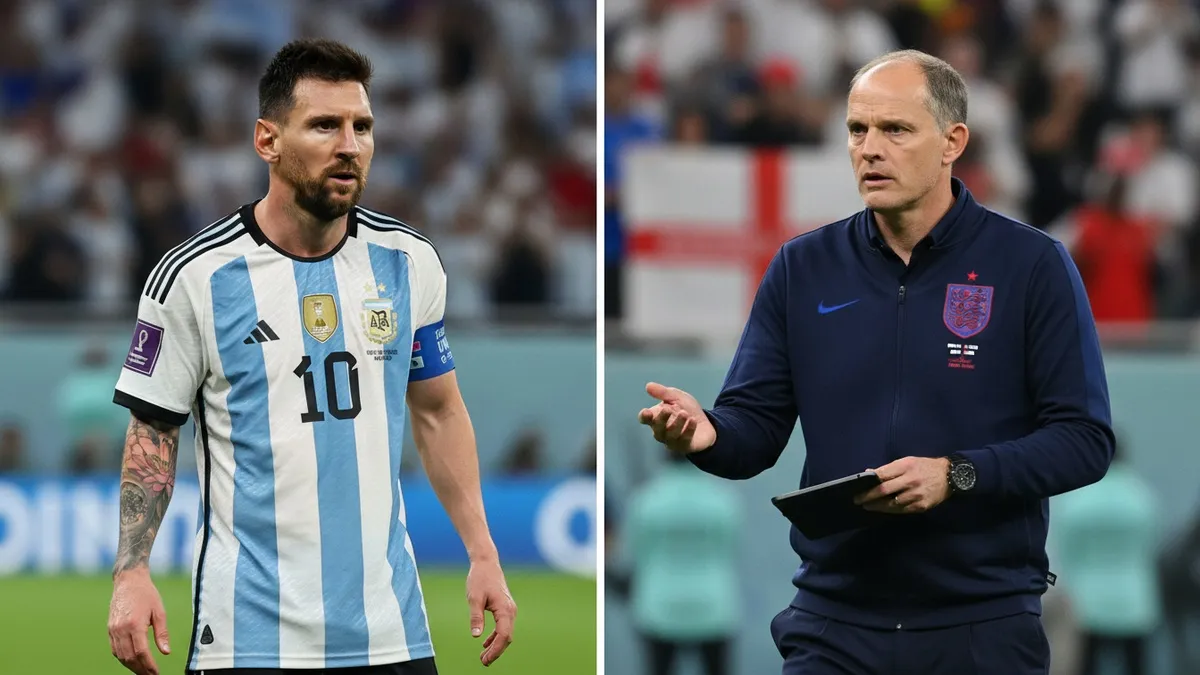
Club Brugge title chances look strongest, says Sven Vermant. With Europe and cup exits, Brugge can focus on the Jupiler Pro League run-in.
Club Brugge title chances look strongest, says Sven Vermant. With Europe and cup exits, Brugge can focus on the Jupiler Pro League run-in.
With the Jupiler Pro League regular season sprinting toward its finish line, the conversation has shifted from weekly form to what really decides Belgium: the Champions' Play-offs. That’s where margins shrink, nerves grow, and the points-halving system turns a comfortable lead into a fragile advantage. Yet former Brugge man Sven Vermant is leaning into one clear verdict—Club Brugge title chances are the strongest in the pack. His reasoning is simple: fewer distractions, a squad peaking, and a run-in that can be attacked with full focus.
Sven Vermant isn’t guessing when he frames Club Brugge title chances as the standard-setter; he’s reading the rhythm of a season that is finally clearing. Brugge have been good without always being spectacular, and that matters in a league where consistency is currency. In the final weeks of the regular season, they can treat every match like a rehearsal for the Champions' Play-offs. That mindset, Vermant argues, is how titles are defended.
What makes Vermant’s view compelling is that it isn’t built on nostalgia, but on a practical Club Brugge analysis of where the pressure sits. Union and Anderlecht both carry storylines that can become burdens—Union’s near-misses and Anderlecht’s rebuilding expectations. Brugge, by contrast, look like they know exactly what they are: a team that can manage games, then accelerate when it’s time to strike. Those traits inflate Club Brugge title chances before the play-offs even begin.
On paper, Belgian Cup elimination and a Champions League exit read like setbacks, but Vermant frames them as a competitive advantage. The calendar unclogs, training weeks become sharper, and recovery becomes predictable, which is priceless during a tight domestic run. In Belgium, where the Champions' Play-offs compress intensity into a short window, freshness becomes a tactical weapon. That’s why Club Brugge title chances can rise even after disappointment.
Union remain brilliantly organized, but their margin for error narrows when opponents have time to prepare for them. Anderlecht have talent and ambition, yet they still feel like a side learning how to win ugly on demand. Brugge, meanwhile, are built for repetition: same standards, same habits, same expectation of trophies. In a title race shaped by tiny swings, that institutional calm strengthens Club Brugge title chances against both challengers.
The Jupiler Pro League’s points-halving system is more than a quirky rule; it’s a psychological experiment conducted in real time. A team can dominate the regular season, only to see its advantage sliced and its certainty questioned overnight. That’s why finishing the regular season strongly matters beyond the table—it sets the emotional tone for the Champions' Play-offs. For Brugge, every point banked now is a message: we’re still the reference.
In this format, a “small” lead is never small, because it becomes a platform for belief once the reset hits. If Brugge enter the play-offs on a run, their dressing room will feel the momentum even when the math tightens. This is where Club Brugge analysis meets human behavior: players don’t just count points, they sense inevitability or fragility. Club Brugge title chances are boosted by the idea that they can start the play-offs already convinced.
Regular-season finales often feature awkward opponents fighting relegation or chasing top-six spots, and those games can be chaotic. Brugge can use that chaos as preparation, practicing patience when the match is scrappy and ruthlessness when it opens up. Vermant’s logic is that the Champions' Play-offs demand emotional control as much as tactics. Build that control now, and Club Brugge title chances look less like hype and more like planning.
Supporters talk about points; coaches talk about processes; players talk about confidence. In a halving system, confidence is the hidden table that never gets reset, and it grows with each late winner and each controlled away performance. Brugge’s aim is to arrive at the play-offs feeling they can solve any match state. That belief is why Club Brugge title chances can survive the format’s built-in volatility.
There’s a specific kind of fatigue that comes from switching competitions: different refereeing standards, different travel rhythms, different emotional stakes. With the Champions League now gone, Brugge can streamline everything—training intensity, tactical repetition, and injury management. Vermant sees that as a gift disguised as frustration, because it allows the staff to treat the Jupiler Pro League as the only project. In that tunnel vision, Club Brugge title chances naturally inflate.
Belgian Cup elimination also removes a trap: the temptation to rotate heavily and accidentally drop league points. Now, Brugge can pick their strongest XI more often and build automatisms rather than patchwork solutions. When play-offs arrive, those automatisms matter because opponents know each other so well that surprises are rare. The edge comes from execution, not invention, and a focused calendar improves execution. That’s a key pillar in any sober Club Brugge analysis of their prospects.
Fans notice goals and red cards; coaches notice Tuesday sessions where patterns finally click. With fewer midweek games, Brugge can drill pressing triggers, rest defense spacing, and set-piece routines without rushing. Those details often decide play-off matches when chances are scarce and nerves are loud. Vermant’s underlying point is that repetition breeds reliability. Reliability, in turn, is what converts Club Brugge title chances from talk into trophies.
When you’re juggling Europe, the cup, and the league, rotation is often reactive—protecting legs rather than optimizing performance. In a one-competition stretch, rotation can be proactive, timed around specific opponents and matchups in the Champions' Play-offs. Brugge can manage minutes for key profiles while still building a consistent spine. That balance is difficult for rivals still chasing multiple narratives. It’s another reason Club Brugge title chances feel increasingly substantial.
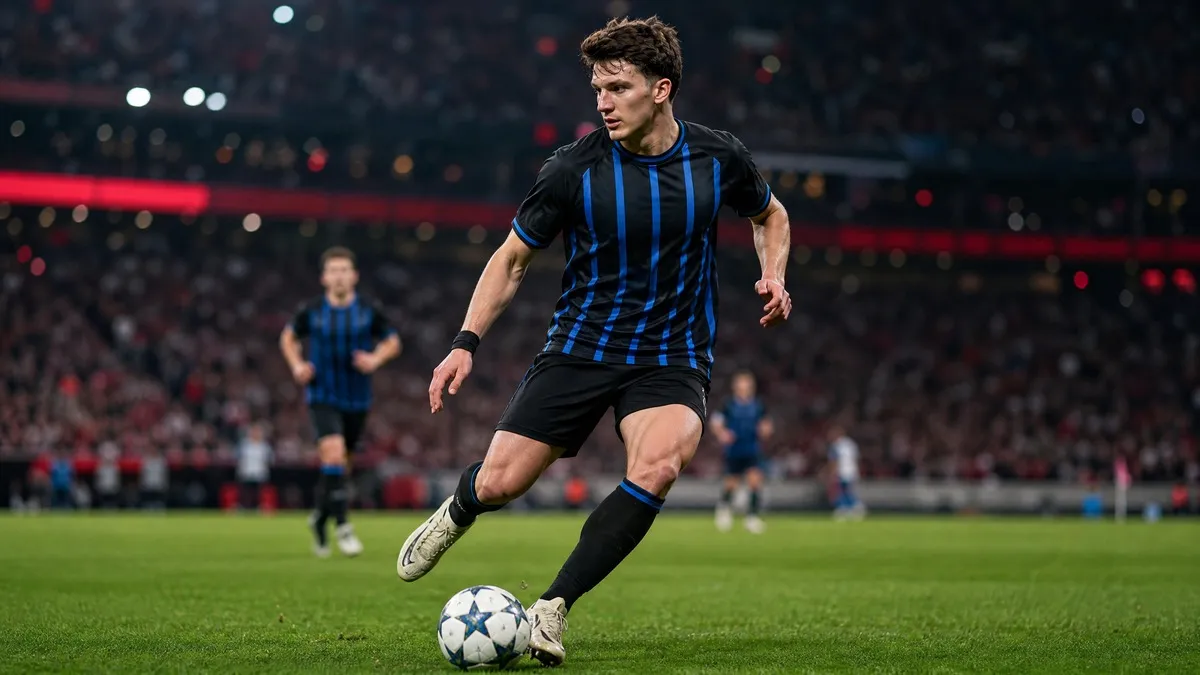
Hans Vanaken remains the kind of player who makes a league season feel shorter for his team and longer for everyone else. He slows games when Brugge need oxygen, then speeds them up with one vertical pass or late run. In the current stretch, his form reads like a captain’s response to uncertainty: fewer wasted touches, more decisions that tilt the pitch. When Vanaken is dictating tempo, Club Brugge title chances become a rational conclusion.
Joel Ordoñez adds a different kind of security, the type defenders provide when they win duels that prevent chaos before it starts. In the Jupiler Pro League, where transitions can be frantic and referees let contact breathe, center-backs who enjoy confrontation are priceless. Ordoñez’s aggression, timing, and recovery pace allow Brugge to hold a higher line without panicking. That tactical freedom expands their attacking options, strengthening Club Brugge title chances in the play-off environment.
Champions' Play-offs often feel like a different sport: less space, more second balls, and more moments where the ball has to stick. Vanaken translates those games because he can play with his back to pressure and still progress the attack. He also arrives late in the box when defenders lose track, a classic play-off detail. In a tight title race, that ability to decide one moment is why Club Brugge title chances keep climbing.
Supporters remember spectacular tackles, but coaches adore the quiet clearances and early interceptions that prevent emergencies. Ordoñez is trending toward that “no-drama” profile: proactive positioning, strong body work, and a willingness to defend wide spaces when full-backs push on. In the Champions' Play-offs, where one bad sequence can define a season, that reliability becomes gold. It’s a concrete, on-pitch reason Club Brugge title chances look so convincing.
The biggest separator in Belgium’s title mini-league is match-state mastery—how a team behaves at 0-0, 1-0 up, or 0-1 down against familiar opponents. Brugge have shown they can win without needing perfect flow, which is often the difference between champions and nearly-men. They can press high for spells, then retreat into structure without losing their nerve. That flexibility is central to any modern Club Brugge analysis of their edge.
Union and Anderlecht can be brilliant when the game suits them, but Brugge increasingly look comfortable when it doesn’t. That’s not just tactical; it’s cultural, a learned habit from seasons where expectations are relentless. The Champions' Play-offs punish teams who chase emotions, because one frantic ten minutes can cost two points that never return. Brugge’s calmer control of momentum is another reason Club Brugge title chances are being framed as the safest bet.
Play-off matches are frequently decided by corners, free kicks, and scrappy rebounds rather than flowing moves. Brugge’s ability to compete for second balls and sustain pressure after initial attacks makes them dangerous even on off-days. When you can manufacture chances from disorder, you don’t need everything to be pretty. Vermant’s logic fits here: a focused, well-drilled side can squeeze extra points from the margins. Those marginal gains enhance Club Brugge title chances.
Game management gets mocked until you watch a rival implode after conceding first. Brugge tend to respond with structure: they slow restarts, choose safer passing lanes, and wait for the game to offer a moment rather than forcing one. That patience is especially valuable in the Jupiler Pro League’s play-off cauldron, where crowds and narratives amplify every mistake. Teams that stay emotionally neutral win more often, and that’s why Club Brugge title chances remain so sturdy.
There’s still work to do before the Champions' Play-offs begin, and Brugge know the regular season cannot be treated as a countdown clock. Each remaining fixture is a chance to sharpen habits and, just as importantly, to broadcast authority to Union and Anderlecht. When a contender finishes strongly, opponents start adjusting their own plans around them, which is a subtle victory. That’s the fear factor Vermant hints at, and it directly impacts Club Brugge title chances.
Brugge also have the advantage of experience in handling the “must-win” atmosphere that arrives early in the play-offs. They’ve lived through weeks where every draw feels like a crisis, and they’ve learned to keep their internal messaging stable. That stability can be decisive when the halved table compresses the race and one mistake becomes headline news for days. A composed finish now would make Club Brugge title chances feel inevitable rather than merely probable.
To derail Brugge, rivals must do more than match their points; they must disrupt their comfort. Union will need to turn games into endurance tests, forcing repeated defensive decisions and punishing any lapse in concentration. Anderlecht must find ruthless efficiency, because volume without precision rarely wins play-off fixtures. Both also need to win direct duels, not just beat the rest. If they can’t, Club Brugge title chances will keep growing with every calm Brugge performance.
In Belgium, the defending champion carries an invisible advantage: they’ve already proven they can survive the play-off format’s mind games. Refereeing debates, fixture congestion, and media noise hit differently when you’ve already lifted the trophy. Brugge can lean on that memory when a match turns edgy or a lead gets halved and questioned. That institutional belief becomes a stabilizer for players under pressure. It’s yet another layer explaining Club Brugge title chances as the season narrows.
The next few weeks will decide whether the talk around Brugge becomes prophecy, but the ingredients are lining up in a way Sven Vermant clearly recognizes. With Belgian Cup elimination and Europe behind them, Brugge can pour every ounce of preparation into the Jupiler Pro League and arrive at the Champions' Play-offs sharper than their rivals. Vanaken’s control and Ordoñez’s edge give them both artistry and steel, and the points-halving twist only magnifies the value of finishing fast. If they do, Club Brugge title chances won’t just be a prediction—they’ll be a pressure opponents can’t escape.

Julian Mercer is a lifelong student of the game whose passion for football was sparked at an early age, after stepping onto the grass of Camp Nou as a six-year-old — a moment that left a lasting impression and set him on a permanent path into the sport. Since then, football has been both his lens on the world and his favourite language. Blending traditional fandom with a deep interest in tactics, squad building, and long-term team development, Julian has spent decades analysing the game from every angle. His fascination with football strategy was further shaped through years of immersive play in Football Manager, a series he has followed since the mid-1990s, developing a sharp eye for patterns, player profiles, and the fine margins that define success. At My World Of Football, Julian focuses on the stories beneath the surface — from tactical evolutions and managerial philosophies to the narratives that connect clubs, players, and supporters across generations. His writing aims to balance insight with accessibility, always grounded in a genuine love for the game.
Continue reading more football news