Club Brugge title race: Degryse backs Brugge vs Union
Club Brugge title race heats up in the Jupiler Pro League as Marc Degryse predicts a decisive home win over Union SG on May 17.
Club Brugge title race heats up in the Jupiler Pro League as Marc Degryse predicts a decisive home win over Union SG on May 17.
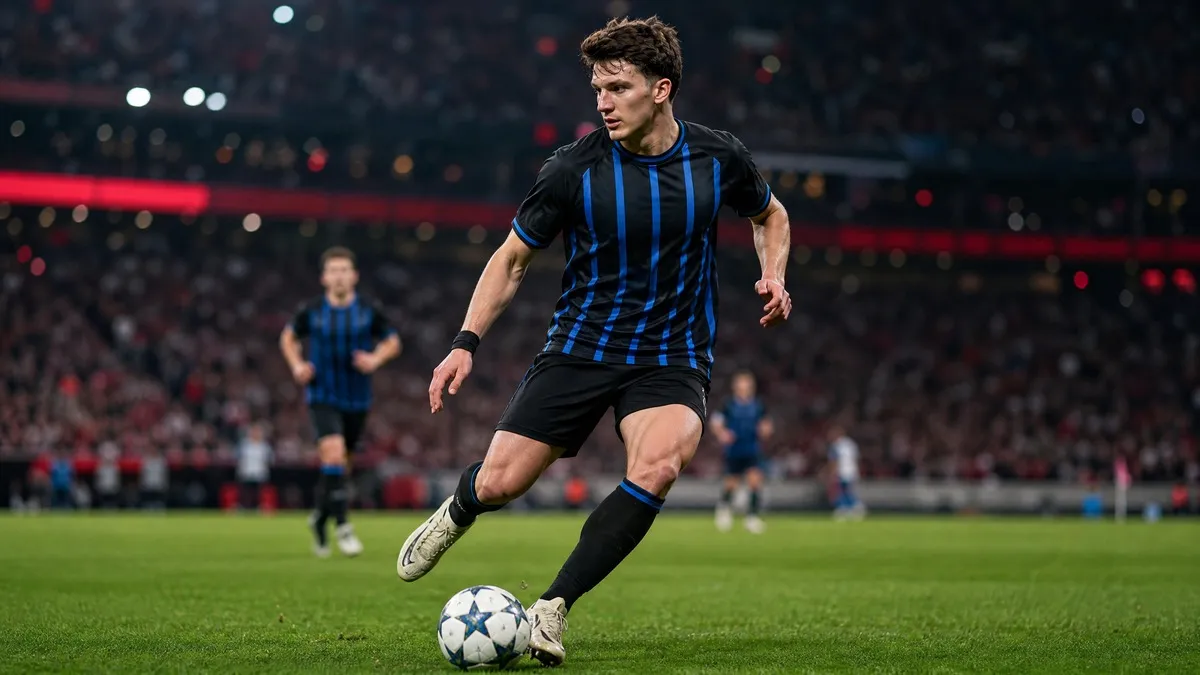
The Club Brugge title race has stopped being a slow burn and turned into a weekly stress test for everyone with blue-and-black in their wardrobe. With Union SG chasing hard and the Champions' Play-offs squeezing margins to a single point, every touch feels like it carries a headline. Analyst Marc Degryse sees one clear trend: Brugge are playing with tactical maturity and a ruthless instinct for punishment. After a statement performance against STVV, the next chapter arrives on May 17, and it feels season-defining.
The Club Brugge title race is currently balanced on a knife edge, and that one-point lead in the Champions' Play-offs is both comfort and curse. It offers proof that Brugge have done enough to be in front, yet it also guarantees that every small mistake could flip the table. Union SG have made a habit of turning pressure into fuel, which is why this run-in feels less like a sprint and more like a psychological duel.
Marc Degryse’s read is that the Club Brugge title race is being decided by maturity rather than spectacle. Brugge are not just collecting points; they are managing moments, controlling risk, and choosing when to accelerate. In Belgian football, where momentum can swing wildly from one weekend to the next, that kind of calm is priceless. Degryse argues that the team’s recent rhythm suggests they are peaking at the right time, not merely surviving.
The Champions' Play-offs format amplifies everything, and that’s why the Club Brugge title race can feel like it’s moving in fast-forward. A single win doesn’t simply add three points; it adds belief, doubt, and a ripple across the dressing rooms of rivals. For Brugge, the challenge is to treat the table as information rather than emotion. Degryse believes their best performances come when they play the game, not the occasion.
Union SG are the kind of opponent who make the Club Brugge title race feel like a chess match played at sprinting speed. They press with intent, they attack second balls, and they punish any lapse in concentration with direct, vertical football. In the Jupiler Pro League, that profile has unsettled bigger squads more than once. The looming meeting isn’t just about quality; it’s about whose habits under stress are more reliable.
Brugge’s showing against STVV didn’t need fireworks to make its point; it needed control, and it had plenty of it. In the Club Brugge title race, those are the wins that matter most because they signal you can handle the awkward afternoons. Degryse highlighted how Brugge stayed patient, waited for the cracks, and then stepped through them without panic. The performance felt like a team that trusts its structure and understands the clock.
What stood out was Brugge’s ability to capitalize on opponents’ mistakes, a theme Degryse keeps returning to in this Club Brugge title race. They didn’t chase the match into chaos, and they didn’t gift STVV transitions for free. Instead, they forced errors through pressure and positioning, then turned those errors into territory and chances. That’s the quiet skill of a side that expects to win, not one that hopes to.
Tactical maturity sounds abstract until you see it in the spacing between midfield and defense, and Brugge showed that spacing against STVV. In the Club Brugge title race, it’s often the team that concedes the fewest “cheap” chances that lasts longest. Brugge’s rest defense looked prepared for counters, and their midfield rotations prevented STVV from finding easy outlets. Degryse framed it as a veteran performance, even when younger legs were doing the running.
There is a difference between being ruthless and being reckless, and Brugge’s edge in this Club Brugge title race is that they know the line. When STVV offered half-mistakes—an underhit pass, a late step, a loose clearance—Brugge were already positioned to pounce. That is coaching, repetition, and collective memory at work. Degryse sees it as the hallmark of champions: they don’t need ten chances, just the right one.
Degryse isn’t hedging his bets: he expects Brugge to win at home, and he expects it to be decisive. In the Club Brugge title race, that kind of prediction is less about bravado and more about reading trends in performance and mentality. He points to how Brugge have handled recent pressure, how they’ve managed game states, and how their leaders have kept standards high. For him, the home crowd becomes an amplifier, not a burden.
He also believes the Club Brugge title race is being shaped by mental strength, and Brugge are showing the sharper edge. When teams get tight, they stop passing through lines and start playing safe, and that’s usually when Union SG pounce. Degryse thinks Brugge have learned to keep their nerve, even when the match feels like it’s slipping into a coin toss. That’s why he sees a home performance built on clarity and discipline.
May 17 has the feel of a final because, in the Club Brugge title race, it practically is. A home win would not just protect the one-point advantage; it would deliver a psychological blow that can echo into the last fixtures. Union SG know that, which is why they’ll arrive looking to disrupt Brugge’s rhythm early. Degryse expects Brugge to start with control rather than frenzy, trusting that the game will open if they stay patient.
Degryse’s confidence comes from how Brugge respond when something goes wrong, which is the real test in the Club Brugge title race. When a pass is misplaced or a chance is missed, do heads drop, or do they reset and go again? Brugge have shown the latter more consistently, and that matters against Union SG’s relentless energy. The analyst’s view is simple: the team that recovers fastest from setbacks usually wins titles in Belgian football.
Every title run has a scar that keeps it honest, and for Brugge the memory of last season’s home defeat to Union SG still lingers. In the Club Brugge title race, those memories can either distract you or sharpen you, and Degryse thinks Brugge are using it as motivation. The stakes are obvious: repeat the mistake and you invite chaos; correct it and you prove you’ve evolved. That sense of unfinished business is fuel, if handled correctly.
The key is not revenge football, because revenge football is usually messy and emotional. Brugge need to play their game, not their trauma, especially with the Club Brugge title race so tight. Union SG will happily turn the match into a series of duels, dead balls, and transitional moments, because that’s where doubt can creep in. Brugge’s task is to keep the tempo on their terms and make the crowd feel calm, not frantic.
Jan Breydel can be a roar that lifts legs, but it can also be a nervous hum if the match stays level too long. In the Club Brugge title race, controlling that emotional temperature is part of the job for senior players and the bench. Degryse expects Brugge to manage the first 15 minutes carefully, avoiding cheap fouls and rushed long balls. If they can turn the stadium into a wave of confidence, Union’s press becomes less intimidating.
Union SG thrive when they win second balls and force opponents into hurried clearances, so Brugge must deny them those triggers. In the Club Brugge title race, the danger isn’t only conceding; it’s losing your identity and playing the match Union want. Brugge need clean build-up options, brave midfield support, and a willingness to recycle possession rather than force it. Degryse’s warning is clear: don’t feed Union’s chaos machine with impatience.
Ivan Leko’s name keeps surfacing because title races are often won by the staff who keep the squad emotionally level. In the Club Brugge title race, morale is not a fluffy concept; it’s the difference between making the extra run and choosing the safe option. Degryse has pointed to Leko’s role in maintaining belief after tough moments and in demanding standards when results are good. Coaching, at this stage, is as much psychology as tactics.
Leko’s biggest value may be how he frames pressure as privilege, a message teams need in the Jupiler Pro League when the calendar tightens. The Club Brugge title race can make players feel like they’re carrying a city, and that weight can slow decision-making. Good coaching reduces noise and increases clarity: simple roles, clear triggers, and trust in preparation. Degryse suggests Brugge look like a group that knows exactly what it’s trying to do, even under stress.
The run-in is where legs and minds both tire, and the Club Brugge title race will punish any dip in intensity. Leko’s choices around rotation, substitutions, and training load become crucial because Union SG will arrive with their usual physical edge. Brugge must keep their pressing coordinated and their recovery runs sharp, which is hard if fatigue bites. Degryse believes Brugge’s recent performances show freshness, suggesting the staff have timed the peak well.
When the match tightens, leadership becomes visible in small gestures: demanding the ball, slowing the tempo, or pushing the line higher. In the Club Brugge title race, those moments can swing the title more than any tactical tweak. Degryse emphasizes that Brugge’s leaders must treat setbacks as temporary, not catastrophic, especially if Union score first or the crowd becomes anxious. The team that communicates best under pressure often looks like the team that deserves it.
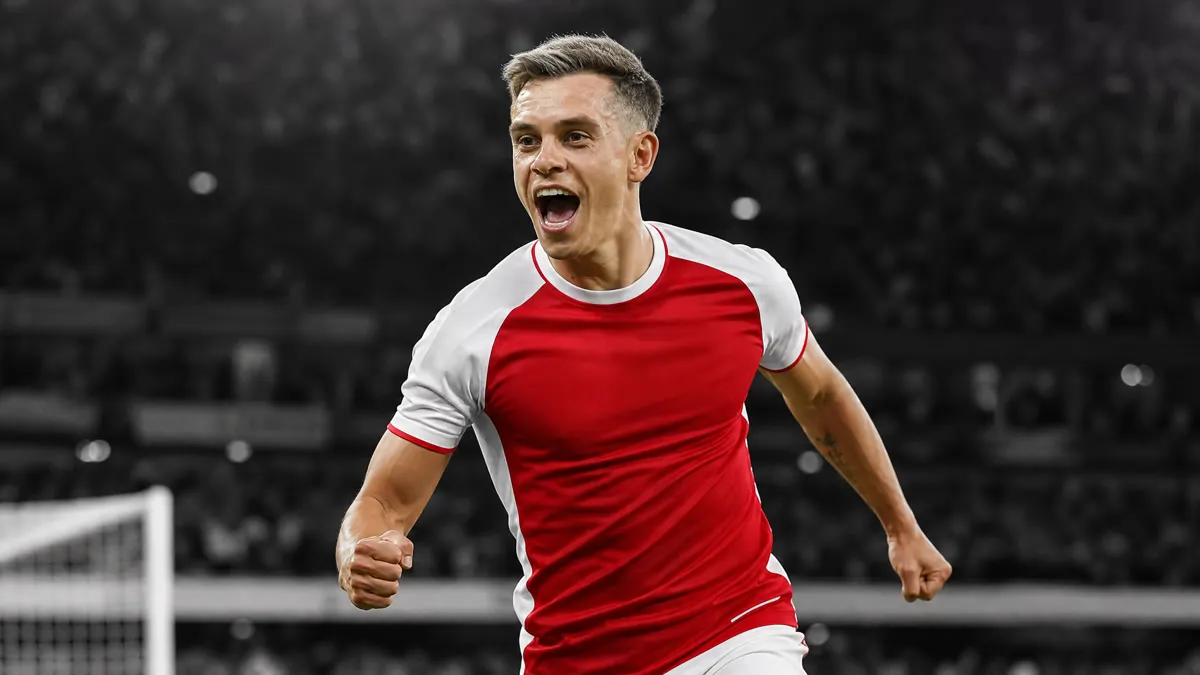
Leandro Trossard’s mention in this conversation is less about direct involvement and more about what he represents in Belgian football: the pathway from domestic pressure to elite performance. The Club Brugge title race is being watched not only by local fans but by anyone tracking Belgian talent and coaching trends. When a league’s biggest clubs handle decisive weeks well, it reflects on the competition’s credibility. Brugge’s run is becoming a showcase of how to win when everyone expects you to.
It also underlines how stories shape matches, because title races are built on narratives as much as numbers. The Club Brugge title race is now framed as Brugge’s chance to prove they’ve learned from last year’s pain and Union SG’s chance to spoil the party again. Degryse’s prediction adds another layer, turning May 17 into a referendum on mentality. In the Jupiler Pro League, these nights become reference points fans talk about for years.
This Club Brugge title race is a reminder that the Jupiler Pro League can produce tension and quality in the same package. The tactical level has risen, squads are better drilled, and matches between top sides are increasingly decided by preparation and detail. Union SG’s rise has forced traditional powers to modernize, while Brugge’s response shows the value of adapting without losing identity. Degryse sees it as a healthy sign for Belgian football’s competitiveness.
The spotlight can either burn or energize, and Brugge’s task in the Club Brugge title race is to use it as momentum. That means embracing the occasion at home, trusting the plan, and playing with the controlled aggression that defined the STVV performance. Union SG will try to make the night feel uncomfortable, but Brugge can flip that by being brave in possession and ruthless in both boxes. Degryse’s view is that confidence, once earned, should be spent.
Whatever happens on May 17, the Club Brugge title race has already delivered the kind of edge-of-seat tension that fans crave, where every duel feels like a mini-final. Degryse has planted his flag firmly in Brugge territory, arguing that tactical maturity and mental resilience will decide it. For Brugge, the mission is clear: protect the one-point lead, avoid repeating last season’s home heartbreak, and make Jan Breydel a decisive factor. For Union SG, it’s the ultimate test of their spoiler pedigree.

Julian Mercer is a lifelong student of the game whose passion for football was sparked at an early age, after stepping onto the grass of Camp Nou as a six-year-old — a moment that left a lasting impression and set him on a permanent path into the sport. Since then, football has been both his lens on the world and his favourite language. Blending traditional fandom with a deep interest in tactics, squad building, and long-term team development, Julian has spent decades analysing the game from every angle. His fascination with football strategy was further shaped through years of immersive play in Football Manager, a series he has followed since the mid-1990s, developing a sharp eye for patterns, player profiles, and the fine margins that define success. At My World Of Football, Julian focuses on the stories beneath the surface — from tactical evolutions and managerial philosophies to the narratives that connect clubs, players, and supporters across generations. His writing aims to balance insight with accessibility, always grounded in a genuine love for the game.
Continue reading more football news