AI-generated image
Football News Today: Injury Woes, World Cup Highlights
Lisandro Martinez's injury concerns Manchester United. Spain's dramatic World Cup final win over Argentina steals the spotlight today.
Lisandro Martinez's injury concerns Manchester United. Spain's dramatic World Cup final win over Argentina steals the spotlight today.
Hey there, football fans! It's July 20, and there’s plenty to talk about. Manchester United is sweating over Lisandro Martinez's injury news, while Spain just lifted the World Cup after a nail-biting final against Argentina. Hwang's move to Feyenoord is also making waves, and we’ve got reports on some big transfer news. Grab a drink and let's dive into the day's stories.
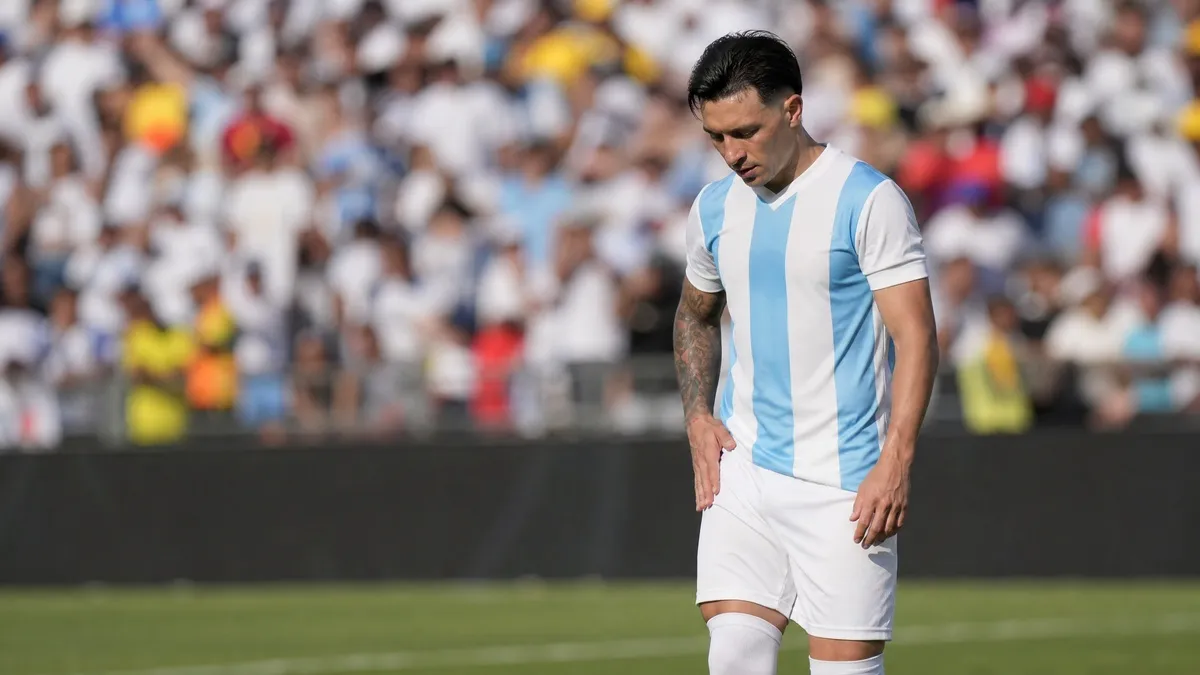
Manchester United are basically sat refreshing their phones for a Lisandro Martinez injury update after he pulled up in Argentina’s World Cup final defeat to Spain. He grabbed at his right thigh, tried to run it off, then had to come off just before half-time. He walked around after without crutches, which helps, but thigh issues can look fine and still mean weeks out.
It matters because Martinez isn’t just another centre-back in this squad. He’s the organiser, the one who steps in to win duels and then plays the first pass with intent. When he’s missing, United’s back line tends to sit deeper and the build-up gets slower. That knock-on effect hits the midfield too, because the team loses a reliable outlet under pressure.
The context of the final is important. Spain made it a scrap, Argentina matched it, and the game had that stretched, tired feel you get when both sides are hanging on. Extra time, heavy contact, and constant changes of direction are exactly when thigh problems show up. Ferran Torres and Mikel Oyarzabal kept forcing defenders into sprints and recovery runs, and that is where strains happen.
From a United point of view, the Lisandro Martinez injury update shapes the whole pre-season planning. If scans show a minor strain, you manage his load and maybe miss a couple of early fixtures. If it’s a tear, you are suddenly shopping for cover or reshuffling roles. Either way, it impacts partnerships, set-piece defending, and the confidence to play a higher line.
United will also be watching how Argentina handle him. National teams want players fit, but clubs need them available across a long season. Martinez playing through discomfort is brave, but it can turn a small issue into a bigger one. Until the scan results land, Manchester United news will be dominated by one question: how soon can he train at full tilt again?
This bit of Feyenoord transfer news feels like a proper reshuffle, not just deals for the sake of it. Dévy Rigaux moving Hwang In-beom to FC Porto for over five million euros is smart timing. Porto shop in that bracket for players who can start quickly and sell on. Feyenoord get a clean profit window and a squad spot back without a long saga.
The Hwang In-beom transfer also shows how one big international moment can tilt a market. A goal and assist at the World Cup does not magically change a player, but it changes how buyers talk about him. Porto love midfielders who can play under pressure, keep the ball, and press on triggers. If his medical goes fine on Monday, he fits their lane and Feyenoord get paid before any form dip.
Then there is the other side of the ledger. Ramiz Zerrouki’s departure back to FC Twente for 2 to 2.5 million stings because Feyenoord paid around seven million three years ago. But it also looks like a reality check. He never really owned the No.6 role in Rotterdam, and the fit felt awkward when the tempo went up. Selling now trims wages and removes a player stuck between roles.
Put together, this Feyenoord transfer news reads like squad hygiene. You take the profit on a player whose value is peaking, and you cut the losses on one who is not moving the needle. The football transfer market is brutal that way, especially in Dutch football news where clubs must trade well to compete. The next step is recruitment: replace Hwang’s ball progression and make sure the midfield has clearer profiles.
Martin Baturina transfer news is starting to feel like the first proper test of Como’s new status. They have a Champions League season coming, a long contract until 2030, and a player who has gone from smart £17m punt to the face of the project. Eight goals and four assists from midfield in Serie A is strong. Doing it while Como climbed into the top four is the real statement.
The World Cup moment, scoring against England, is the sort of clip that turns scouting reports into boardroom urgency. United, Spurs, Villa all need midfield quality but in slightly different ways. Baturina’s appeal is that he can play as a 10, as an 8, and drift wide without looking lost. That versatility helps coaches, but it also inflates the fee because you are buying options, not just one role.
Villa already had a £46.5m offer knocked back, which tells you Como are not blinking. Mirwan Suwarso saying they are open to offers but not in a hurry is classic, but it also makes sense. Como do not need to sell, and Champions League football is a selling point to keep him one more year. If you are a Premier League club, you are paying for leverage as much as talent.
For United, the question is whether he is a build-around midfielder or another creative piece in a squad still searching for balance. Spurs would love his ability to receive between the lines and play forward quickly, but they also need physicality in the middle. Villa’s interest feels the cleanest fit, yet they have already shown their ceiling. Martin Baturina transfer news will keep circling until someone decides £68m is the price of certainty.
The Melvine Malard Chelsea transfer feels like one of those deals that makes sense the second you hear it. Chelsea needed another reliable goal threat with Sam Kerr still a big question mark, and Malard gives them a forward who can play across the line. United get a club-record sale, but it also underlines how hard it is to keep pace when your best assets keep walking out the door.
What tips this beyond a normal big-money move is Sonia Bompastor. Malard knows her demands from Lyon, and that matters at a club like Chelsea where the standards are brutal and minutes are never guaranteed. The four-year deal screams long-term planning, not a stopgap. If Bompastor sees Malard as a fit, it is probably because she can press, link play, and still arrive in the box with intent.
Tactically, the Melvine Malard Chelsea transfer gives them flexibility they lacked at times last season. She can start wide and attack the half-space, or play closer to a nine if Chelsea want runners around her. That should also help players like Johanna Rytting Kaneryd, who thrives when there is a sharp central option to bounce off and a forward who drags centre-backs into awkward decisions.
For Manchester United Women, the fee is both a win and a warning. £750,000 rising to £1 million is serious money in the Women’s Super League, but it only helps if recruitment is smart and quick. United have already lost too many bodies, and the gap to the top gets bigger when you replace proven production with potential. They need signings who start now, not in two years.
It is also a reminder that Chelsea can sell the dream properly. Malard talking about trophies and playing at Stamford Bridge is not just talk, it is the pitch. The pressure is obvious though. With Chelsea Women, you do not get time to settle quietly. If Malard hits early, this deal looks like a statement. If not, it becomes another brutal lesson in elite squads.
Rodri’s World Cup journey hits because it’s not the usual “captain lifts trophy” script. This is a lad who wrecked his knee in September 2024, right when the Ballon d’Or chatter was getting loud, and had to sit with the doubt. A serious ACL injury messes with your head as much as your leg. Coming back in time is one thing. Coming back as Spain’s heartbeat is another.
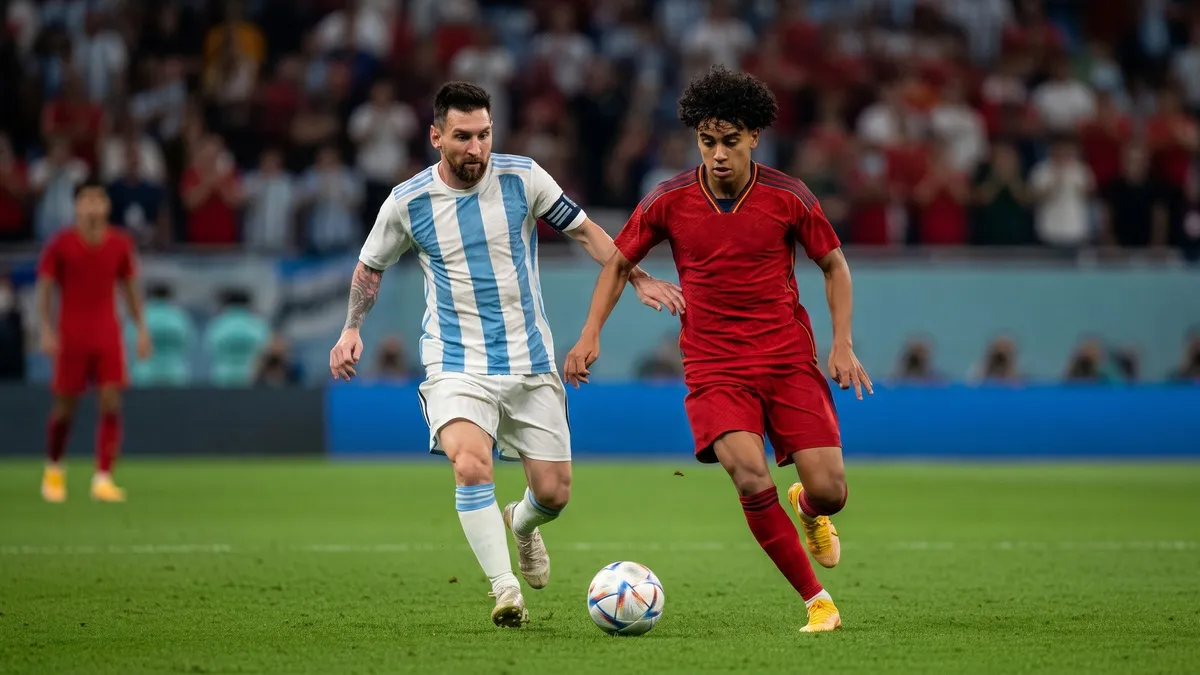
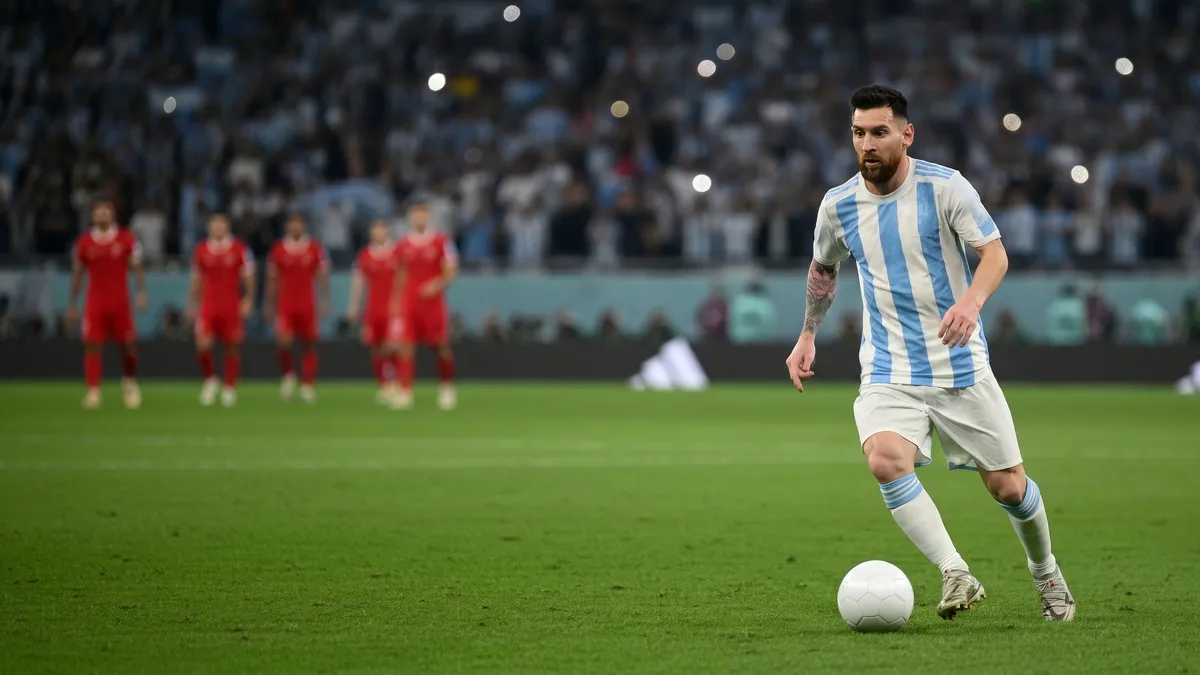
In the final, Spain beating Argentina 1-0 wasn’t about fireworks. It was about control, patience, and Rodri setting the rhythm like a metronome. You could see the respect across the pitch too. Messi’s Argentina wanted to drag the game into chaos, and Spain just refused. That’s captaincy in the modern sense. Not just shouting. It’s choosing when to slow it, when to squeeze, and when to take a foul.
Winning the Golden Ball tells you how the tournament felt from inside it. Spain’s attack had moments, but the story was the spine. Conceding only one goal across the whole 2026 World Cup is ridiculous. That doesn’t happen unless the midfield protects the centre-backs like their lives depend on it. Rodri’s positioning, those little half-turns under pressure, and the discipline to stay connected, that’s the real engine of a Spain World Cup victory.
It also lands differently because he’s a Manchester City midfielder, so he’s used to systems and standards that never drop. You can hear that in how he talks about resilience and support systems. Not just physios and family, but teammates holding you to the plan. Spain stretching their unbeaten run to 38 matches feels like the same mindset. No drama, no shortcuts, just repeatable habits.
And this is why Rodri’s World Cup journey matters for La Roja history. Spain have had genius before, but this was maturity. Second star after 2010, won without needing to be romantic about it. Kylian Mbappe’s France and the usual heavyweights were there, but Spain looked the most grown-up team. Rodri leaves this tournament with a legacy that’s hard to argue with.
The Rest Is Football Netflix partnership rolling into 2026-27 makes sense because it has become a habit for a lot of fans, not a special-occasion show. Lineker, Shearer and Richards hit that sweet spot where it feels like mates chatting, but the football detail is there when it matters. Netflix backing it again also says something about where the audience is going. People want analysis on their schedule.
The big change is the rhythm. Daily during the World Cup worked because every day had a new story, a new mood swing, and the tournament basically writes your running order. A weekly Monday and Friday slot is smarter for the Premier League. Monday can deal with the weekend properly, and Friday can set up the narrative without pretending to predict everything.
It also protects the chemistry. When you go daily for months, you risk turning natural banter into a routine. Richards thrives when he can react, Shearer is best when he has time to land a point, and Gary Lineker’s calm steer works when the conversation is moving somewhere. The Rest Is Football Netflix format now gives them space to pick the right topics, not just fill time.
The two-year deal through Euro 2028 is the other tell. Netflix clearly wants familiar football faces around the big tentpole events, and this trio is safer than constantly trying to invent a new panel. For the Premier League, it should mean fewer hot takes and more pattern-spotting: how teams press, why a striker is getting fewer touches, what a manager changed at half-time. That is the stuff fans actually argue about.
Starting in August, with the league kicking off on 21 August 2026, the show has a clean runway to settle into the Monday and Friday cadence. The Rest Is Football Netflix angle matters here because it nudges the conversation away from old-school highlight shows and into on-demand analysis. It is not replacing Match of the Day. It is becoming the second screen for the week.
The Lamine Yamal World Cup story already felt inevitable, but doing it in a final against Argentina makes it proper football folklore. Spain’s 1-0 win at the New York New Jersey Stadium was tight, tense, and full of those moments where one touch changes your pulse. Yamal played like he’d been there ten times. Not flashy for the sake of it, just calm choices at the hardest time.
What stood out was how Spain used him as a reference point even when he wasn’t at full speed. A hamstring issue clearly took a bit off his burst, yet Argentina still had to double up because he can beat you with a feint, a pass, or just by holding the ball until the press breaks. That’s why Joe Hart’s “completed football” line landed. It wasn’t about tricks. It was about control.
Spain’s perfect tournament run matters here. He started every match, and that tells you the staff didn’t treat him like a cameo kid. He was part of the structure, the way Spain pinned teams back and recycled pressure. Ferran Torres benefited too, because Yamal’s wide threat opens half-spaces for runners and gives Spain an out-ball when the middle gets crowded. That’s big in finals, where nerves kill build-up.
Then you get the image everyone will replay: Yamal embracing Lionel Messi. It’s not disrespectful to Messi, it’s just time moving on. The best bit is Yamal didn’t look starstruck. He looked like a peer. Becoming the youngest to win both the European Championship and the World Cup, days after turning 19, is wild, but the real point is what comes next. Barcelona and Spain now have to protect him without putting him in cotton wool.
The Lamine Yamal World Cup headline will follow him forever, but this wasn’t a solo act. Spain defended like a unit and managed the game like a team that expects to win. Still, he’s the face of it because he makes hard things look normal. If his body holds up, Spain vs Argentina might be remembered as the night the next era properly began.
Javier Milei’s decision to green-light an Argentina public holiday soccer celebration after a 1-0 final loss to Spain is pure Argentina. Football is national identity, not just results. But it also pokes at a raw nerve: people don’t like being told to party when they feel let down. Letting the squad pick the date makes it feel less like a state order and more like a gesture.
The debate would be quieter if the performance matched the romance. Argentina not registering a shot on target in a final is rough, especially for a team that usually finds a way to make you believe. Spain controlled the rhythm, squeezed the middle, and kept Argentina’s forwards facing their own goal. You can respect the effort and still admit the football looked blunt and short on ideas.
That’s why the Argentina public holiday soccer angle lands awkwardly. A holiday is symbolic, and symbolism cuts both ways. For some, it says: we value the shirt and the run, not just the trophy. For others, it rewards falling short and distracts from bigger problems at home. Milei’s gratitude message was smart politics, but it also invites a basic question: what exactly are we celebrating?
Lionel Messi’s future sits under all of this. If he steps back, Argentina lose not only a match-winner but the organiser of their emotional tempo. Inter Miami keeps him in the spotlight, but the national team needs a plan that is not built around hope and nostalgia. The coaching staff now have to integrate new talent fast, so the next Argentina public holiday soccer moment feels earned, not debated.
That Lamine Yamal World Cup victory line is going to follow him for the rest of his career, and honestly, fair enough. Spain edging Argentina 1-0 after extra time in New Jersey felt like a final where the margins were tiny but the nerve was massive. It was tense, cagey, and full of moments where one clean touch could flip the whole night.
Yamal didn’t win it with a single headline goal, but he shaped the game the way elite wide players do. He kept Spain’s right side alive when Argentina tried to slow everything down. He forced defenders to backpedal, opened lanes for runners, and made Spain’s possession mean something in the final third. In a final, that’s gold. It’s control without looking like control.
Ferran Torres’ extra-time finish was the payoff, and it also said a lot about Spain’s depth. When legs go, structure matters. Spain stayed brave enough to commit bodies, but not reckless. Argentina had their spells, and you always feel the Messi threat even when he’s quiet, but Spain managed the game state well. They didn’t chase chaos. They waited for their moment and took it.
What makes the Lamine Yamal World Cup victory feel different is the timing. He’s 19 and already stacking medals like a veteran, with the 2024 Euros on top of this. That can mess with a young player’s head, especially one tied to Barcelona expectations. Seeing Ines Garcia Santos in the celebrations, and her posting support, is the human side of it. A calm, trusted circle matters when the spotlight never switches off.
Spain World Cup 2026 will now be framed around whether this group can repeat, and whether Yamal becomes the face of the era. The scary part is he’s still learning when to force it and when to pause. If he keeps that balance, the Lamine Yamal World Cup victory won’t be a peak. It’ll be the start.
The Spain World Cup victory 2026 felt like the logical end point of a long, stubborn journey rather than a one-off hot streak. A 1-0 final against Argentina is the kind of scoreline that tells you everything about the plan. Spain did not chase chaos. They controlled the temperature of the match, accepted long spells without fireworks, and trusted their structure to outlast Argentina’s moments.
Luis de la Fuente deserves credit for making Spain hard to hurt without stripping away their identity. The 38-game unbeaten streak is not trivia now, it is the backbone of this team. They have learned how to win in different ways, including after the Nations League final loss to Portugal, which could have rattled them. Instead, it sharpened the edges. Euro 2024 proved they could dominate tournaments. This World Cup proved they could survive them.
Seven clean sheets across the tournament is outrageous at this level, and it says as much about the work without the ball as it does about the back line. Unai Simón had the calm you want behind a defence that rarely panics. Spain pressed in short bursts, then dropped into compact positions that cut off central lanes. That is how you frustrate elite sides. The Spain World Cup victory 2026 is really a story of spacing, timing, and patience.
Containing Lionel Messi was the headline task, but Spain treated it like a collective problem, not a man-marking stunt. They denied him easy touches between the lines and forced Argentina wide, where the danger is slower and more predictable. De la Fuente’s talk about teamwork is not manager-speak here. It is the actual mechanism of the win. Holding both Euro 2024 and the Spain World Cup victory 2026 is Spain back at the top, built on discipline first.
Marc Cucurella saying he’ll get Luis de la Fuente’s face tattooed after Spain’s World Cup victory over Argentina is funny on the surface, but it also tells you loads about how this squad ticks. The Cucurella tattoo promise only lands because Spain actually delivered the 1-0 in the final. If they lose, it’s a meme. If they win, it becomes a badge.
De la Fuente backing it matters too. Coaches usually laugh it off, but he leaned into the “keep your word” bit, and that’s consistent with how he’s built trust in the Spain national team. It’s not about the ink. It’s about standards. When a manager can demand honesty and sacrifice, little rituals like this become glue, especially in a tournament where tension can split a camp fast.
Cucurella’s social media tattoo artist search, plus him not even knowing the placement yet, shows the human side of it. He’s still processing what just happened. Players talk about pressure, but this is a different kind. You put your name on a promise before the tournament, then you carry it through every session, every minute. Now he has to follow through, and the dressing room will hold him to it.
He also spoke about a tough road to get here, and that tracks with his career. He’s had big moves, big expectations, and plenty of noise around his performances. Winning as World Cup champions gives him something solid, not just a good run of form. That nearly two-month camp he mentioned is key. Long camps create cliques or they create brothers, and Spain clearly got the second.
The 1-0 against Argentina also fits the vibe. Not flashy, not chaotic, just controlled, stubborn, and together. That’s why the Luis de la Fuente tattoo talk works as a symbol. The Cucurella tattoo promise is basically a joke with teeth. It says this group believes in each other enough to make commitments in public, then back them up on the pitch.
The Argentina World Cup final controversy is not really about the 1-0 scoreline. It is about the optics and the mood after Ferran Torres finally settled it in extra time at the New York/New Jersey Stadium. Finals hurt, especially when you have lived on the edge all tournament. But the way Argentina carried that hurt into the ceremony made the story bigger than the football.
On the pitch, Spain’s win felt like a lesson in patience. Argentina tried to turn it into a scrap, press in bursts, and lean on moments. Spain kept finding the spare pass, then waited for the one clean chance. Torres’ goal was classic tournament stuff, one decisive action after 120 minutes of tension. That is why the fallout stings. Argentina had pushed Spain close, then let the narrative slip away.
The Leandro Paredes red card was the clearest sign the temperature had gone. You could see the frustration building in little collisions and chats with the referee. When it tipped into an altercation after the whistle, it handed critics an easy line about discipline. In a final, you get remembered for the last picture. A red card and a messy exit are brutal last pictures.
Then came the Argentina Spain trophy presentation moment that lit everything up. Turning backs and refusing to acknowledge the champions reads as disrespect, even if players tell themselves it is just disappointment. Lionel Messi will catch stray Lionel Messi criticism because he is the captain and the face, fair or not. Adrian Durham comments calling it classless were harsh, but that is the tone you invite when you look like sore losers.
What makes this Argentina World Cup final controversy stick is that it plugs into earlier disciplinary noise from the tournament. People were already watching them closely, so any flashpoint lands louder. Argentina now have to decide what identity they want to project. You can be fierce, street-smart, and still show basic respect. The next cycle starts with that simple reset.
This Spain World Cup victory felt like the logical end point of a tournament where they controlled games without always blowing teams away. Against Argentina, the final was tight, tense, and decided by who kept their head when legs went. Spain stayed patient in possession, kept their distances right, and waited for the moment Argentina’s shape finally cracked in extra time.
Argentina vs Spain final turned on discipline as much as quality. Enzo Fernandez’s red card did not just reduce numbers, it broke the rhythm of Argentina’s midfield press. Before that, they could at least jump onto Rodri and stop Spain settling. After it, Spain pinned them back, recycled the ball quickly, and forced Argentina’s defenders into constant last-ditch shifting across the box.
The Ferran Torres goal in the 106th minute was not a wonder strike, which is kind of the point. It came from Spain sensing weakness, attacking the space early, and finishing the move without panic. Torres has had spells at club level where his confidence looks fragile, but here he stayed sharp and attacked the loose moment like a proper tournament forward. That’s how finals get won.
Messi Silver Ball will split opinion, but eight goals and the way Argentina leaned on him explains it. In this game, Spain managed him better than most, keeping a spare man near the pockets and denying the easy wall pass. Kylian Mbappe Bronze Ball after ten goals is also fair, even if it underlines how brutal a knockout run can be when one off night ends it.
The other headline inside this Spain World Cup victory is Unai Simon Golden Glove. Conceding one goal across the whole event is not just keeper form, it’s system strength. Spain defended with the ball, limited transitions, and protected central zones so Simon mostly faced shots he could set for. Add Pau Cubarsi’s Young Player award and you see a squad built to last, not just peak for one month.
PSV are in that familiar spot where a title-chasing squad leaves little oxygen for development minutes. Peter Bosz has every right to think short-term when the standard is “win now”, but it makes the Isaac Babadi transfer news feel inevitable. A year ago he looked like the next clever Bosz midfielder, brave on the ball and quick between lines. Now he is training with Jong PSV, waiting.
The Antwerp FC loan was meant to harden him up, but it did the opposite. Different tempo, different expectations, and a young midfielder can disappear fast if the manager does not trust him early. That is why this Isaac Babadi transfer news matters beyond PSV. A stalled loan can stick to a player’s reputation even when the fit was wrong. For a 21-year-old, rhythm and confidence are basically everything.
Back at PSV, the contract running to 2028 changes the power dynamics. PSV do not have to sell, and they will not want to write off an asset. But keeping him around the first team as a bit-part option is the worst of both worlds. Training with Jong PSV is honest, at least. It says: earn form, play matches, and we will decide. Still, it is a holding pattern.
Babadi saying he wants to stay in the Netherlands is sensible, not sentimental. The Eredivisie suits players who want touches, combinations, and space to learn decision-making. If this Isaac Babadi transfer news ends in a loan transfer, it has to be to a club that will actually start him as a midfielder, not park him wide or use him as a late cameo. PSV’s best outcome might be a smart domestic loan with clear minutes, then reassess next summer.
The RBFA confirming the end date for Rudi Garcia Belgium coach feels like a clean break, not a sacking. He arrived in February 2025, mid-transition, with the old certainties fading and the next wave not fully ready. Eighteen months later, Belgium are stable again, back in League A, and they got to a World Cup quarter-final. That is solid work, even if it never felt like a long-term love story.
Garcia’s spell was mostly about putting guardrails back on the team. Under him, Belgium looked harder to play against and less chaotic in possession. He leaned on experienced leaders, but he also gave minutes to the players who will define the next cycle. That balancing act is why the RBFA news reads like “job done” more than “project abandoned.” It also hints the federation wants a different style for the next phase.
The quarter-final exit to Spain, especially with injuries to Youri Tielemans and Kevin De Bruyne, is the kind of match that shapes narratives. Belgium were competitive, but you could see the limits when the midfield control went. That is not only on Rudi Garcia Belgium coach, but tournament football is ruthless. One or two absences and your plan becomes survival. The decision to separate now suggests both sides know the ceiling was close.
Vincent Mannaert praising Garcia matters because it frames the next appointment. Belgium are not chasing a firefighter anymore. They are choosing a builder, someone comfortable coaching changes in public while results still matter. Home games against France and Italy will be early auditions for the new era, and for the squad too. The “Golden Generation” ending is not a headline, it is a daily reality, and the next coach needs to embrace it.
Stay tuned for more updates as the transfer window heats up. The World Cup may be over, but the drama never stops in football!

Julian Mercer is a lifelong student of the game whose passion for football was sparked at an early age, after stepping onto the grass of Camp Nou as a six-year-old — a moment that left a lasting impression and set him on a permanent path into the sport. Since then, football has been both his lens on the world and his favourite language. Blending traditional fandom with a deep interest in tactics, squad building, and long-term team development, Julian has spent decades analysing the game from every angle. His fascination with football strategy was further shaped through years of immersive play in Football Manager, a series he has followed since the mid-1990s, developing a sharp eye for patterns, player profiles, and the fine margins that define success. At My World Of Football, Julian focuses on the stories beneath the surface — from tactical evolutions and managerial philosophies to the narratives that connect clubs, players, and supporters across generations. His writing aims to balance insight with accessibility, always grounded in a genuine love for the game.
Continue reading more football news