AI-generated image
Football News Today: Messi retires, Spain wins World Cup
Messi's retirement marks the end of an era for Argentina. Spain edges Argentina in a thrilling World Cup final while Ronaldo stirs FIFA allegations.
Messi's retirement marks the end of an era for Argentina. Spain edges Argentina in a thrilling World Cup final while Ronaldo stirs FIFA allegations.
What a day in football. Messi has officially hung up his boots, leaving a massive void in Argentina. Meanwhile, Spain clinched the World Cup in a nail-biting extra time thriller against Argentina. The aftermath is buzzing with debates and emotions. Ronaldo’s social media activity has added fuel to ongoing FIFA corruption talks. It's a lot to unpack, so let's dive into the day's biggest stories.
Cristiano Ronaldo’s Instagram like on a post pushing FIFA corruption allegations is the kind of tiny action that turns into a full-blown football argument in minutes. It lands right on the raw nerve of the Messi era, because the claim is basically “they want him lifted again in 2026”. Even if it was accidental, it reads like a wink. People notice everything with him.
The timing is doing most of the work. Argentina losing 1-0 to Spain in the final should have cooled the temperature, but it did the opposite. It framed the whole tournament as a courtroom drama, with every marginal decision replayed as evidence. Pilar Rodriguez Losantos going hard on FIFA’s influence gave the online noise a mainstream megaphone, and that’s when it stops being just fan talk.
Egypt’s Football Association filing a formal complaint matters more than any influencer post, because it forces process. You get reports, statements, and a paper trail, even if nothing changes. That’s why FIFA’s refereeing chief denying wrongdoing is predictable but important. FIFA corruption allegations thrive when there’s silence. The problem is denials rarely satisfy anyone who already thinks the fix is in.
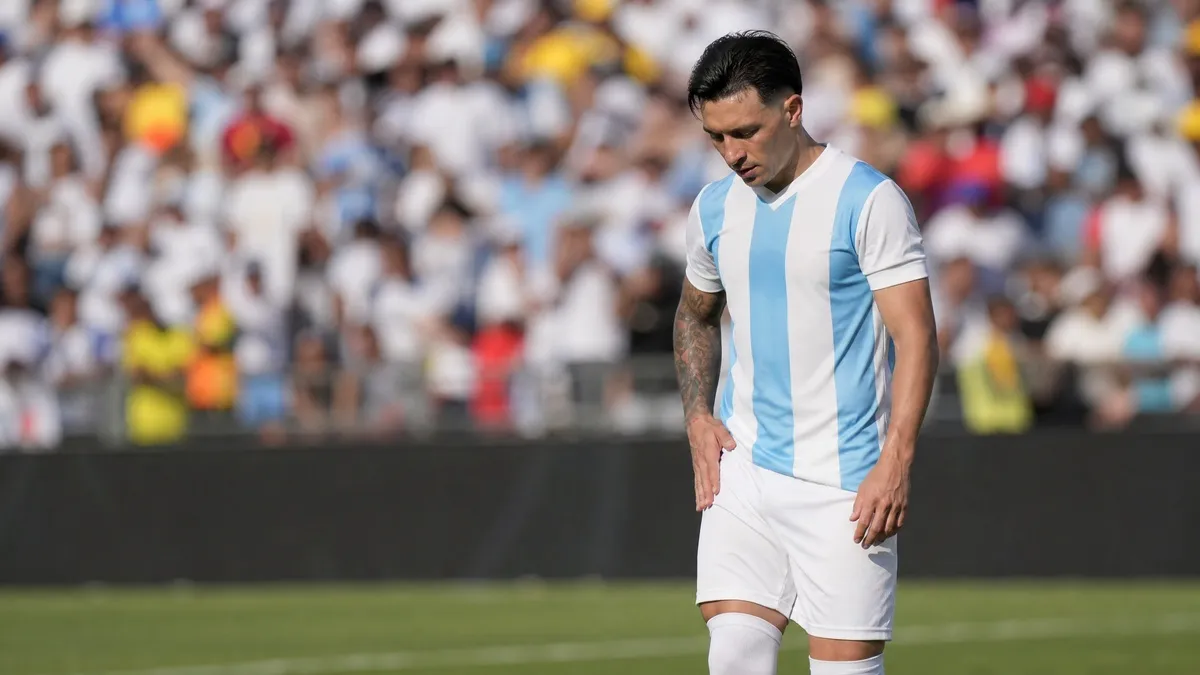
On the other side, Lisandro Martinez defending the officials is also predictable, but it hints at how players see this stuff. Footballers hate the idea that their wins are “given”, and they hate being cast as villains for decisions they didn’t make. Still, when Ronaldo and Lionel Messi are the two poles of the sport, everything gets dragged into their rivalry. With World Cup 2026 looming and both futures uncertain, even an Instagram like becomes a political act.
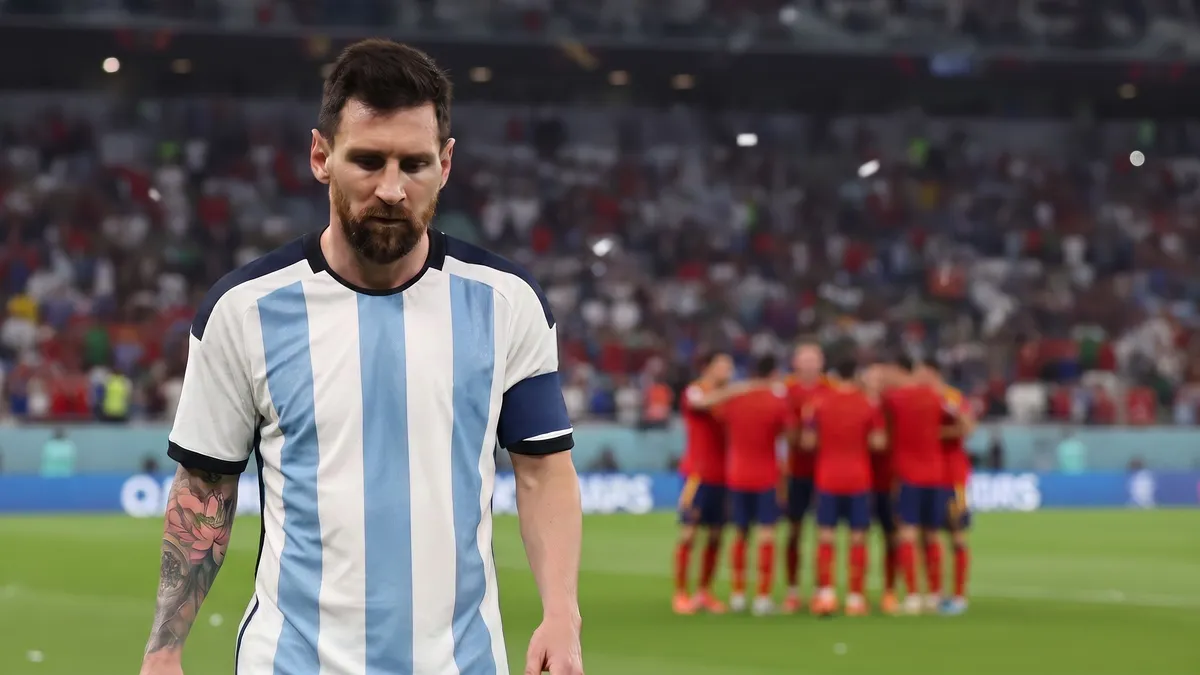
Lionel Messi retirement from international football hits different because it comes right after the biggest stage. Argentina losing the 2026 World Cup final to Spain is painful on its own, but the timing makes it feel like a door has slammed shut. The dressing room speech matters too. No teasing, no “let’s see.” He told them that was it. Clean break.
What makes this tougher is that Messi was not hanging on. He dragged Argentina through the tournament with eight goals and four assists, and you could still see the old instincts. The way he finds the third-man run, the pause before the killer pass, the little body feints that buy half a yard. Spain just squeezed the middle better, kept the ball, and forced Argentina to chase.
The Lionel Messi retirement conversation always turns into trophies, but his Messi international career was really about surviving the noise. Finals lost, the 2016 retirement that didn’t stick, the constant comparisons. Then he flipped it with Copa América and the 2022 World Cup, turning the national team into something calmer. This exit, after falling short of back-to-back titles, feels like the final chapter he couldn’t fully script.
Now it’s Messi Inter Miami and club football only, which is honestly the most sensible setup for his body and his life. The Barcelona years gave him 35 titles and basically rewired how we talk about attacking football. PSG was a weird epilogue, more functional than romantic. But the Argentina story is the one that will linger, especially after the Messi Spain final. It’s the end of a shared ritual.
The next question is what Argentina become without that gravitational pull. They’ve built a habit of winning, but they also built patterns around Messi’s timing and his ability to bail them out when structure breaks. Lionel Messi retirement forces a real tactical reset, not just an emotional one. For the fans, it’s grief and gratitude at once. You don’t replace that.
The Argentina World Cup final defeat will sting because it felt like a game they could touch. Spain kept the ball, but Argentina had the clearer moments early and still looked dangerous on the break. Then it turned into a long, tense grind where one mistake or one bit of quality would decide it. Extra time did exactly that, and 1-0 suddenly looked brutally final.
What stood out was the mood management. The Lionel Messi speech before kick-off sounded like a captain trying to slow everyone’s heartbeat. Calm, focus, don’t get dragged into the noise. That makes sense when you know Spain want you chasing shadows and losing shape. Messi’s message was basically: trust the plan, trust each other, and don’t let the occasion play the match for you.
At half-time, Emiliano Martinez went the other way. His motivation was about urgency, getting up the pitch, taking risks. That tension between control and aggression is the story of Argentina’s night. When they pushed, they looked like scoring. When they sat, Spain boxed them in and drained the clock. The Argentina World Cup final defeat came from not landing that balance for long enough.
Then the red card. The red card Enzo Fernandez picked up changed the odds instantly. Down a man, Argentina’s press became a sprint, then a shuffle, then survival. Spain’s patience suddenly had a clear target, pulling Argentina side to side until the legs went. Even if the goal arrives in extra time, the damage is done earlier. You could feel the air go out of them.
Now it’s transition chat, whether anyone likes it or not. If this was Messi’s last World Cup, it leaves Argentina with a leadership gap as much as a tactical one. Martinez can set a tone, but Messi has been the reference point for everything. The Argentina World Cup final defeat is a hard ending, yet it also draws a line under an era and forces the next one to start properly.
Argentina losing 1-0 to Spain in East Rutherford will sting for a long time, not just because it ended a title defence, but because it felt like a game decided by one clean moment. Ferran Torres took his chance and that was basically it. After that, Argentina chased with heart more than clarity, and Spain looked comfortable managing space and tempo.
That’s why the Enzo Fernandez Argentina fans message hit so hard. He wasn’t posting after a brave win or a heroic comeback. He was writing from the mess of it, including his own red card late on for a second yellow. As a Chelsea midfielder, he’s used to scrutiny, but with Argentina the emotional weight is different. One mistake becomes a national talking point.
The sending off matters because it shaped the ending. Argentina finished the final minutes with 10, which made the last push feel frantic and a bit desperate. Enzo Fernandez Argentina fans will read his post as both gratitude and apology, even if he didn’t spell it out. Nahuel Molina and others had to cover extra ground, and Spain happily slowed the game down.
Then came the chaos. FIFA opening an investigation into post-match brawls just adds another ugly layer to a night Argentina wanted to remember differently. Finals are tense, but when it spills into scraps and accusations, it drags everyone into it, even the lads who tried to walk away. For Enzo Fernandez Argentina fans, the message becomes a way to pull focus back to the journey.
What’s interesting is how this loss might frame Argentina’s next cycle. They did not get blown away. They got edged out and lost their heads at the end. That’s fixable, but it demands honesty about discipline and game management. Fernandez thanking supporters is the right tone. Fans will forgive a defeat. They struggle more with losing control.
Alejandro Garnacho transfer news has turned properly real now that Aston Villa have lodged an official bid. For Chelsea, this is the awkward bit of squad building nobody likes talking about. You pay big, you expect impact, and instead you get a player stuck between roles and minutes. Garnacho has not looked bad, just crowded out, and that is how exits start.
The key detail from the Fabrizio Romano updates is Chelsea’s stance on structure. They are not in the mood for a straight loan, which makes sense if they still want to protect the £40m outlay and avoid another “development year” elsewhere. Villa pushing a loan with a buy clause feels like the compromise, but Chelsea will want the clause to look a lot like an obligation.
From Villa’s side, the fit is easy to see. Unai Emery loves wide players who can carry the ball into the box and still work without it. Garnacho can do both when he is locked in, and Villa can offer him what Chelsea currently cannot: a clear lane to start most weeks. That matters for a winger’s confidence. Aston Villa bid Garnacho also signals ambition after recent progress.
Chelsea winger transfer chatter always comes with the next name, and Rafael Leao is the kind of link that tells you the club is thinking bigger, not just reshuffling. But that also raises the stakes. If you sell Garnacho and miss on Leao, you are left thin and relying on Nicolas Jackson and the rest to carry more. Garnacho future talk will rage, but this one is about timing and leverage as Premier League transfers hit the final stretch.
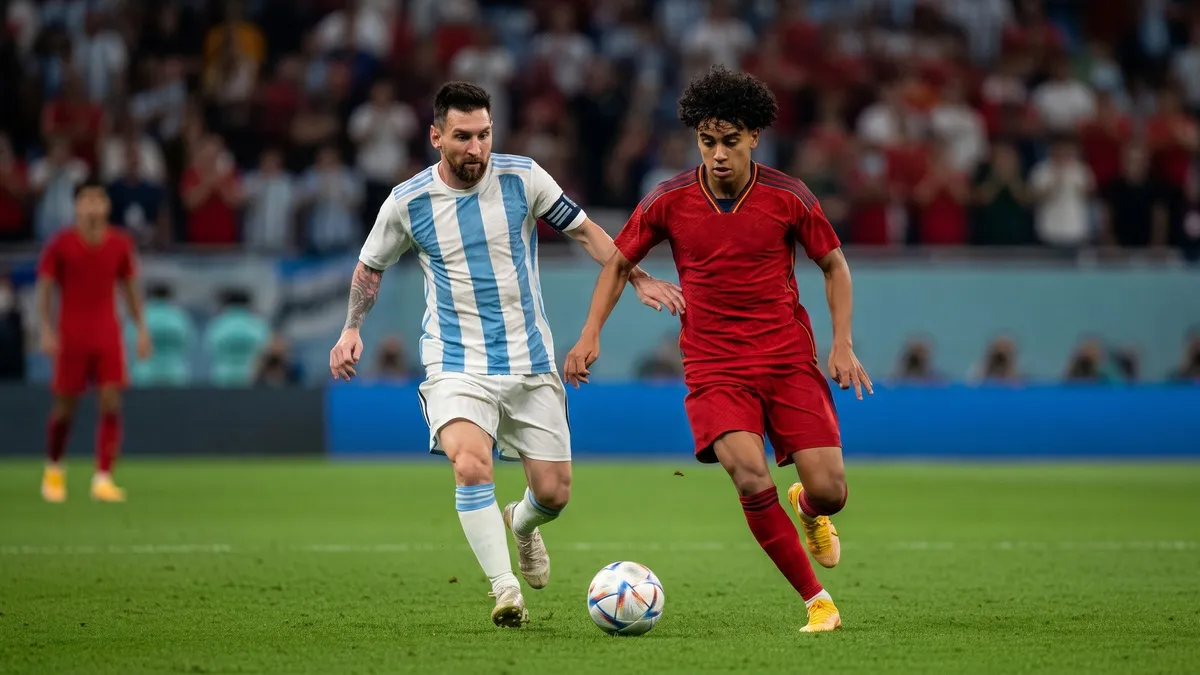
The Spain vs Argentina World Cup final felt like a chess match where one side had more pieces. Spain’s 1-0 win was not about a moment of chaos, it was about control. They squeezed the middle, slowed Argentina’s counters, and kept the game in front of them. Argentina looked like they were waiting for the pitch to open up, but Spain never offered that space.
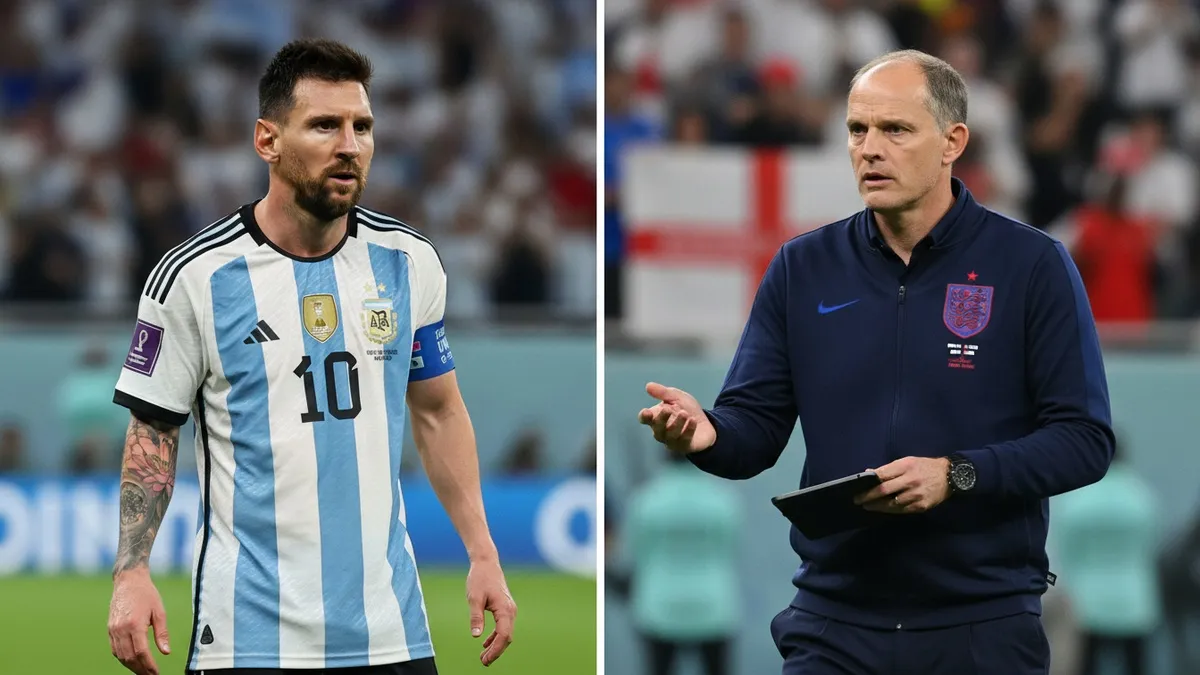
That’s why Gary Neville’s criticism landed with such force. He basically said what a lot of people thought but didn’t want to say out loud: Argentina did not look like a complete team. They looked like a plan built around Lionel Messi doing something outrageous. In a 2026 World Cup analysis sense, it’s a brutal takeaway because it questions the whole structure, not just the final.
Messi’s tournament numbers were insane, eight goals and a constant gravity that dragged defenders out of shape. But in the Spain vs Argentina World Cup final, Spain defended the idea of Messi as much as the man. They blocked the passing lanes into him, forced him wider, and made every touch feel like it came with a tax. Argentina’s supporting cast did not punish Spain for overloading those zones.
Ian Wright’s reaction hit a different note and it mattered. He saw the human side of it, the emotional weight when a player carries a nation and comes up short. That empathy doesn’t cancel Neville’s point, it just adds context. Messi can be brilliant and Argentina can still be too dependent. Both things can be true, especially in finals.
Going forward, Spain’s victory should push them toward a new cycle with confidence in their game model, not just a one-off run. For Argentina, the defeat will spark the hard conversation: what does the team look like when Messi is tightly managed, or when he is not there at all? The Spain vs Argentina World Cup final didn’t end a legacy, but it exposed the next problem to solve.
Nico Williams transfer news is back on the Arsenal radar, and it makes sense given how their summer has twisted. They missed on a couple of forward options, then suddenly Leandro Trossard is off to Besiktas and the left side looks thin. Arteta’s title-winning squad needs fresh legs out wide, not just cover. Williams is the sort of signing that keeps standards high.
What Arsenal really lack is a true one-v-one winger who can live on the touchline and still hurt you inside. Williams gives you that. He stretches full-backs, carries the ball through pressure, and he’s quick enough to turn a safe pass into a chance. In Arteta’s setup, that matters because teams sit deep at the Emirates now. You need someone who can break the pattern without everything going through the right.
The World Cup angle helps too. Even with limited minutes, he looked comfortable in big moments for Spain, and that calmness tends to translate. It also pushes his price up, which is why the release clause talk is central to the Nico Williams transfer news cycle. If it really is around £77m, Arsenal have a clear decision: pay it and control the deal, or haggle and risk a rival jumping in.
Athletic Club never make it easy, and their whole identity is built on keeping stars. So Arsenal transfer targets like Williams usually come down to player choice and timing, not charm. Chelsea and others can appear quickly when a clause exists. For Arsenal, the pitch is simple: you just won the league, now come be the next piece. Premier League signings at this level are about momentum, and Arteta knows it.
If they pull it off, it is not just replacing Trossard. It changes the rotation and the game plan. Martinelli can compete rather than carry, and Arsenal can attack both sides with real threat. That is how you stay on top after ending a 22-year wait. The best teams act like champions in the market, not like they are hoping last season repeats itself.
The 2026 World Cup felt like two tournaments running at once. On the pitch, it was sharp, fast, and full of proper moments you will still talk about in ten years. Off it, the noise never stopped. This 2026 World Cup analysis has to hold both truths. Fans got drama, goals, and big names delivering. But the event also carried a constant hum of distrust.
Kylian Mbappé taking the Golden Boot mattered because it was not just a numbers thing. It was a statement about who owns the next era, even with Lionel Messi still pulling strings and Jude Bellingham arriving like he belongs. Mbappé’s finishing was ruthless and repeatable, the kind that survives different opponents and different game states. In any 2026 World Cup analysis, that consistency is the real story.
Spain making history by holding both men’s and women’s World Cups at the same time is massive, and not just for the trophy cabinet. It points to a federation pipeline that is actually joined up, with identity, coaching, and player development aligned. You can argue about styles all day, but winning both tournaments says something deeper: they are producing teams that handle pressure, adapt, and keep the ball when legs go.
For the United States, the milestones were real, not just feel-good. First knockout win, 11 goals, and a sense that they can hurt you in different ways. Folarin Balogun brought edge in the box, and the crowd energy at home games made it feel like a proper football country for once. USA soccer achievements are progress, but the next step is doing it away from home too.
Then you get to the FIFA controversies, and this is where the aftertaste sits. Ticket pricing felt detached from ordinary fans, and the lack of transparency around decisions left people guessing. Political interference talk did not help, because once supporters think the tournament is being steered, every close call gets read as part of the plot. That is the danger this 2026 World Cup analysis cannot ignore.
Seven clean sheets in eight games wins you a Golden Glove, no arguments. Unai Simon has every right to dine out on Spain World Cup 2026 for years. But the interesting bit is how little he actually had to do compared to most tournament keepers. When Joe Hart points out Spain faced only 10 shots on target all tournament, it reframes the award as a team flex.
Spain World Cup 2026 felt like a throwback to the best Spanish sides, not because they passed teams to death, but because they controlled space. De la Fuente’s structure kept opponents playing in front of them, then squeezed the middle until attacks died. That is why Simon’s clean sheets World Cup run looks almost “quiet”. His big contribution was reliability, not miracle saves.
The group stage wasn’t fireworks. Spain looked a bit stiff, like they were still figuring out the rhythm of the tournament. Then Lamine Yamal came back and suddenly the whole thing had a different edge. He gave them a release valve and a threat defenders actually feared. Mikel Merino’s work was just as important, arriving at the right moments and keeping Spain’s midfield honest and balanced.
Where Luis de la Fuente tactics really popped was in the big match plans. Against Austria they took away transitions early and forced longer phases that suited Spain’s rest defence. Spain vs France analysis tells a similar story. They didn’t just “defend well”. They baited France wide, protected the box, and made the dangerous players receive with their back to goal. Simon benefited, but that’s the point.
The bigger question now is what Spain football success looks like after this. If this is the baseline, Spain World Cup 2026 is less a peak and more a platform. De la Fuente has stability, a young star in Yamal, and a keeper in Simon who doesn’t wobble. Keep that defensive standard and more trophies are not a wild thought, just the next logical step.
That Spain World Cup victory felt like it had been loading for 105 minutes, then suddenly it was done. Spain kept the ball, kept the territory, and never let Argentina turn the final into a scrap of transitions. Argentina defended like their lives depended on it, but they were always reacting. Even at 0-0, it looked more like Spain deciding when to strike than both teams searching.
The Ferran Torres goal in the 106th minute was classic late-final punishment. Extra time legs, one sloppy clearance, one half-second of hesitation, and Spain were in. Torres did not overthink it. He attacked the space and finished clean. It also came right after Argentina’s structure started to wobble, especially once Enzo Fernandez saw red and the midfield stopped being a screen.
Argentina vs Spain final talk will circle around Lionel Messi, because it always does, but Spain did a smart job of making him play in crowded pockets. He still had moments, but not the kind that tilt a final. The Messi Silver Ball felt like a nod to the tournament rather than this match. Spain’s control meant he rarely got to run at a back line facing its own goal.
Unai Simon’s Golden Glove is the story inside the story. Conceding one goal across a whole tournament is not just good keeping. It is a system that protects the middle, wins second balls, and forces shots from bad areas. Spain’s back line stayed compact and calm even when Argentina tried to load the box late. Pau Cubarsi winning Young Player fits too, because Spain trusted him in the hardest games.
And yeah, Kylian Mbappe taking the Bronze Ball is a reminder that individual awards live in their own lane. This final was about control versus resistance, and control won. Spain World Cup victory number two, first since 2010, and it did not come from chaos or romance. It came from patience, discipline, and one decisive punch when Argentina finally blinked.
The Argentina FIFA investigation feels like the hangover from a final that never cooled down. Spain’s 1-0 win at MetLife was tight, tense, and full of little battles, but the story shifted fast once the whistle went. FIFA moving quickly tells you they think this is more than standard final frustration. It also lands on a team already tagged as overly combative this tournament.
Enzo Fernandez’s red card is the obvious starting point because it changes how FIFA frames everything. A straight red in a World Cup final is rare, and it gives the Disciplinary Committee a clean piece of evidence to build around. If they decide the tackle was part of a pattern, not a one-off, sanctions can stretch beyond a suspension and into wider “team conduct” territory.
Then you’ve got the post-match stuff, which is usually where these cases get messy. Nahuel Molina’s reported altercation, plus assistant coach Roberto Ayala getting pulled into it, drags the staff into the spotlight. That matters because FIFA love accountability lines. If officials feel the bench helped escalate things, the Argentina Football Association can be hit with fines and warnings that follow them into qualifiers.
The deeper issue is reputation. This Argentina FIFA investigation is not happening in a vacuum. Their edge has been praised as winning mentality by fans, and criticised as cynicism by opponents. If FIFA sanctions land, every 50-50 in future games gets refereed through that lens. Players like Leandro Paredes, who live on the line, end up paying the “known quantity” tax with faster bookings.
What Argentina need now is boring discipline. Accept the result, cooperate, and stop giving clips for prosecutors to stitch into a narrative. Spain will walk away with the trophy and a clean story. Argentina risk leaving this tournament remembered less for football and more for control. The investigation outcome will matter, but so will how they behave while it runs.
Julian Alvarez World Cup posts usually land like a quick thank-you and move on. This one felt heavier. Argentina losing a World Cup final to Spain is the kind of night that sticks to a squad for years, and he didn’t hide from it. He went straight to gratitude, pride, and responsibility. That matters because fans can smell excuses a mile off, especially after a final.
Alvarez has become the type of forward who carries emotion without turning it into theatre. His Instagram message hit the right note: you can be gutted and still be proud. Argentina’s recent era set a brutal standard, so any defeat gets framed as failure. But the Argentina national team is still stacked with talent and edge. The real test is how they respond, not how they mourn.
The Spain defeat wasn’t just about one missed chance or one tactical tweak. Spain’s control can suffocate you, and finals are often decided by who stays calm when the game turns ugly. Alvarez thrives in chaos, pressing and running channels, but finals can shrink those moments. That’s why this Julian Alvarez World Cup reaction feels like leadership. He’s telling supporters the pain is shared, and the work continues.
Then there’s the club layer. With Barcelona transfer negotiations reportedly ongoing, every public line gets read like a clue. But his message was pure national-team talk, not brand management. If anything, it reinforces what Barca would be buying: a forward who connects with a fanbase and doesn’t duck the hard nights. Atletico Madrid know that profile too, which is why any deal will be complicated.
The bigger takeaway is timing. Players usually go quiet after a World Cup final loss, especially when their future is noisy. Alvarez leaned into the relationship with fans instead. It’s smart, but also sincere. If Argentina are going to turn this Spain defeat into fuel, they need voices like his setting the tone early. Another Julian Alvarez World Cup run will come around fast.
The Argentina vs Spain World Cup final had that horrible feeling early, like you are waiting for Argentina to wake up and it never quite happens. Spain scored and then controlled the temperature of the game. Argentina looked like champions carrying weight, not swagger. No shot on target in the first half tells you everything. They were not just blunt, they were passive.
That is why the half-time scene matters. Emiliano Martinez going off is not theatre, it is a keeper seeing the whole pitch and knowing the team is shrinking. His message was basically: stop being polite, start competing. Lionel Messi backing it up with a call for character hits harder because he has lived both sides of finals. It is also a warning sign when your leaders have to drag the mood up.
Tactically, Spain made it miserable. Their shape stayed tight between the lines, they pressed in short bursts, and they forced Argentina wide into low-percentage crosses. When Argentina tried to play through midfield, the passing lanes were already closed. Even when Messi found pockets, Spain’s coverage arrived fast and clean. Their goalkeeper did not need miracles because the chances never became clear.
Argentina were better after the break in the Argentina vs Spain World Cup final, but it was more emotion than structure. You could see the urgency, the tackles, the forward runs. You could also see the gaps when they lost the ball. That is the trade-off when you chase a final. The bigger question now is what this loss does to Argentina football. If the response to pressure is a half-time speech, not an on-pitch plan, the next cycle needs fresh legs and new ideas around Messi, even with his Inter Miami chapter still ongoing.
Inter Miami are about to feel what a Messi De Paul recovery hiatus really means. After that brutal World Cup run with Argentina, the pair are stepping away for a mandatory 21-day reset, which takes them out of upcoming MLS games and the All-Star Game on July 29. It is not a club choice dressed up as caution. It is the sport finally admitting the calendar has gone too far.
Messi’s numbers tell you how hard he pushed it. Eight goals and four assists is not just production, it is constant involvement, constant contact, constant chasing the next moment. De Paul is the engine in that Argentina side, the guy who makes the press stick and the transitions bite. A Messi De Paul recovery hiatus is basically removing Miami’s brain and lungs at the same time.
The bigger point is the rule shift. FIFPRO have been banging on about a proper post-season break for years because soft-tissue injuries and fatigue spikes are not bad luck, they are predictable. FIFA backing the 21-day break matters because it takes the decision out of the “play him if he says he’s fine” grey area. World Cup recovery and injury prevention becomes a regulation, not a negotiation.
For Miami, sitting second in the East is great, but it also raises the stakes. They cannot just tread water and hope Messi returns to rescue everything. Tata Martino has to find goals and control without the usual shortcuts. That likely means more structured possession, more minutes for the wide runners, and accepting uglier wins. The Messi De Paul recovery hiatus should hurt now, but it is meant to buy fitness for the decisive stretch.
The Shandre Campbell transfer makes a lot of sense when you look past the “big club to smaller club” optics. At Club Brugge, he was always going to be fighting for scraps on the wing, especially with the club’s constant churn of ready-made attackers. Kortrijk is a different world. They need direct running, end product, and someone who wants the ball in transition.
Campbell’s Club NXT numbers were not a fluke either. Eleven goals and three assists in 25 games from wide areas tells you he arrives in the box and he backs himself. That is a skill Brugge liked, but the first team is ruthless. When you are 21 and learning the tempo of the Jupiler Pro League, a couple of quiet games can mean weeks out.
His 18 senior appearances and two goals for Brugge show he was not miles off, just stuck in a queue. Brugge can afford to rotate and protect assets. Kortrijk cannot. That is why the Shandre Campbell transfer evolving from sale talks to a loan with option, then landing as a full deal, feels like both clubs finally agreeing on what he actually needs: minutes that matter.
Michiel Jonckheere knowing him from Brugge is a big detail. Coaches trust what they have seen up close, not what a highlight reel tells them. If Jonckheere can give Campbell a clear role, probably starting wide but allowed to attack the half-spaces, you can see a pathway to consistency. Kortrijk will ask him to track back too, and that balance will decide how fast he grows.
A contract to 2030 is long, but it also screams commitment from KV Kortrijk. They are betting that the South African winger’s speed and creativity can tilt tight games, and maybe even become a sellable asset later. For Campbell, staying in Belgium matters. The Shandre Campbell transfer keeps him in the same league, with fewer excuses and a cleaner runway.
Stay tuned for more updates as the transfer window heats up. Keep an eye on player movements and potential surprises in the coming days.

Julian Mercer is a lifelong student of the game whose passion for football was sparked at an early age, after stepping onto the grass of Camp Nou as a six-year-old — a moment that left a lasting impression and set him on a permanent path into the sport. Since then, football has been both his lens on the world and his favourite language. Blending traditional fandom with a deep interest in tactics, squad building, and long-term team development, Julian has spent decades analysing the game from every angle. His fascination with football strategy was further shaped through years of immersive play in Football Manager, a series he has followed since the mid-1990s, developing a sharp eye for patterns, player profiles, and the fine margins that define success. At My World Of Football, Julian focuses on the stories beneath the surface — from tactical evolutions and managerial philosophies to the narratives that connect clubs, players, and supporters across generations. His writing aims to balance insight with accessibility, always grounded in a genuine love for the game.
Continue reading more football news