Football News Today: Ronaldo sparks FIFA claims, Messi
Big stories today: Ronaldo faces FIFA claims, Messi retires after World Cup. Plus, transfer buzz and fallout from Argentina's loss in the final.
Big stories today: Ronaldo faces FIFA claims, Messi retires after World Cup. Plus, transfer buzz and fallout from Argentina's loss in the final.
What a day in football. Ronaldo's Instagram antics have stirred the pot, hinting at FIFA corruption. Meanwhile, Messi hangs up his boots after a heartbreaking World Cup final against Spain. Argentina's loss has left fans reeling, with Enzo Fernandez at the center of post-match chaos. Transfers are heating up too, with big moves on the horizon. Let's dive into the latest news.
Cristiano Ronaldo doesn’t need to say much to move a conversation. One Instagram like on a post pushing FIFA corruption allegations, and suddenly the whole World Cup 2026 refereeing debate is back on the boil. It lands right after Argentina’s 1-0 loss to Spain in the final, when fans were already primed to re-litigate every marginal call that went Argentina’s way earlier.
That’s the tricky part. People aren’t just reacting to one match, they’re reacting to a pattern they think they’ve seen. Spanish journalist Pilar Rodriguez Losantos basically framed it as institutional protection, arguing Argentina should have gone out earlier. That kind of claim spreads fast because it matches what online clips and slowed-down replays “feel” like, even when the full context is messier.
Egypt’s formal complaint is what gives the noise a bit of weight. Federations do not love picking fights with FIFA unless they think the stakes justify it. If you’re Egypt and you feel a controversial loss to Argentina swung on key decisions, you push it up the chain and force someone to answer. It also broadens the story beyond Spain’s frustration and into a wider argument about officiating bias.
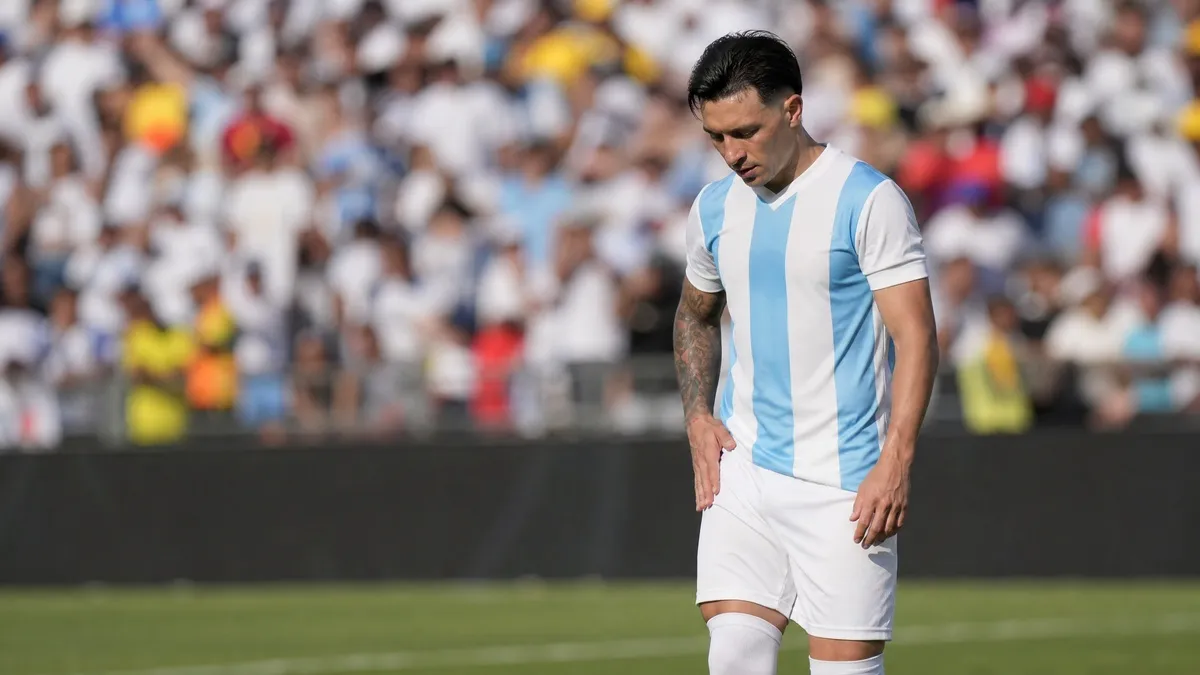
FIFA’s refereeing chief denying bias is standard, but it’s also the accountability problem. Fans hear “no issues” and think it’s a cover-up. FIFA corruption allegations thrive in that gap between opaque processes and the public’s demand for clarity. Lisandro Martinez defending officials will play well inside Argentina’s camp, but it won’t convince neutrals who want audio, explanations, and consistent thresholds.
And Ronaldo liking it adds gasoline because it taps the Messi-Ronaldo rivalry without either man stepping to a microphone. Ronaldo at Al-Nassr and Messi at Inter Miami are both in the late chapters internationally, so every tournament moment gets framed as legacy management. That’s why this won’t fade quickly. It’s not just about referees. It’s about trust.
With the 2026 World Cup finally done, the noise swings straight back to Premier League transfers 2026, and it is funny how much business got done while everyone pretended they were only watching international football. Clubs used the tournament’s distraction to move early, lock in prices, and avoid the August panic tax. You can already see a split between teams buying certainty and teams buying hope.
Tottenham going big on Sandro Tonali and Mateus Fernandes screams “we want control” more than “we want vibes”. Tonali is a ready-made tempo setter who can play through pressure and keep the ball moving, which Spurs badly need when games get messy. Fernandes feels like the upside play next to him. The risk is obvious too. You pay heavy fees, you need immediate structure around them.
Chelsea smashing a record for Morgan Rogers at £117m is the purest example of the modern market. It is not just about talent, it is about age curve, resale, and buying a profile that fits a coach’s first idea. Rogers has to carry a lot of expectation now, and Chelsea have not always been kind to expensive attackers. It will work only if they commit to a clear role and stop shuffling the front line weekly.
Ipswich breaking their record for Emersonn at £26.5m is brave, and a bit scary. That fee puts pressure on a striker before he even learns the league’s rhythms, and newly promoted sides rarely get patience from their own survival maths. Aston Villa’s Joao Gomes for £38m feels safer: proven Premier League legs and a real rotation option. Crystal Palace grabbing Oscar Mingueza looks like the shrewdest of the 2026 World Cup transfers, a smart fit for their build-up without paying superstar prices.
Elsewhere, Arsenal landing Illan Meslier on a free is the kind of low-drama squad move that wins points in February. Bournemouth paying £26m for Alvaro Rodriguez is a proper development bet, but you need minutes and a plan, not just a loan carousel. Newcastle missing targets again is the worrying thread running through this summer transfer window. When you keep arriving late, you pay more or settle, and neither is how you climb the table.
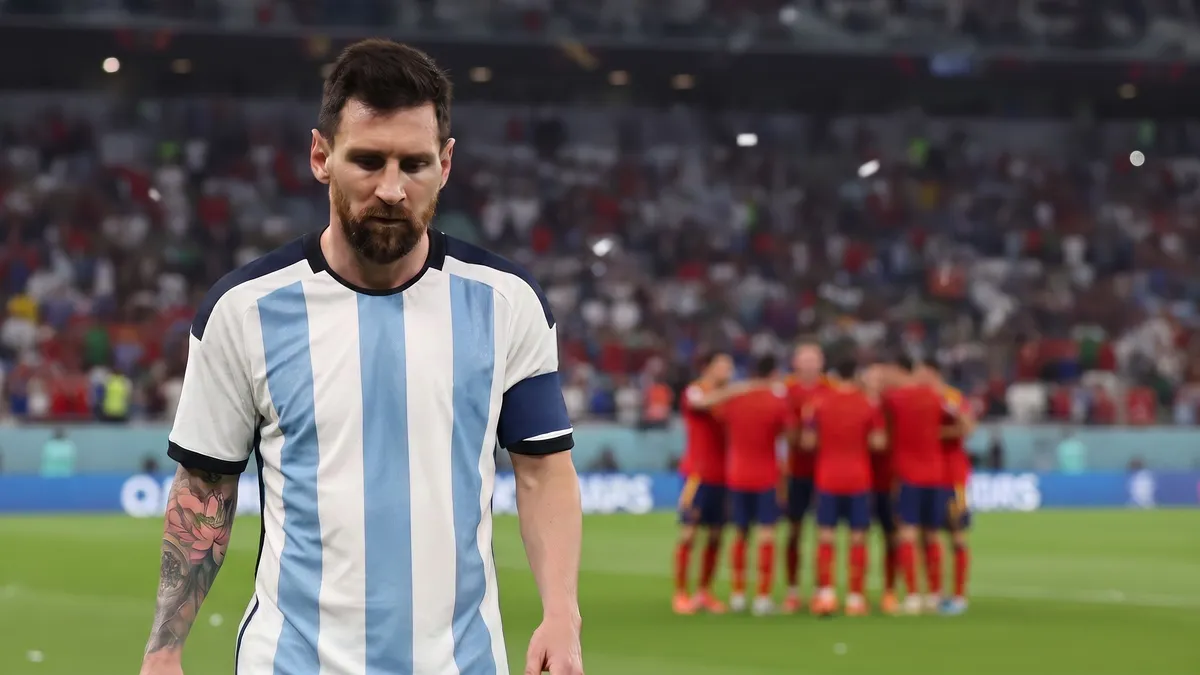
Lionel Messi retirement hit like a cold splash because it came right after the 2026 World Cup final loss to Spain, not weeks later in some glossy sit-down. The dressing-room goodbye matters. That is where squads feel the weight, not on a stage. Messi had chased a second straight world title and still carried Argentina deep into the tournament with eight goals and four assists.
What makes this Lionel Messi retirement different from the usual “end of an era” line is how much Argentina’s whole attacking identity still bent around him, even in 2026. Scaloni’s setups over the years often worked because Messi could turn low possession into one killer sequence. Spain took that away in the final by shrinking the central pockets and forcing Argentina wide, where the play got slower and easier to read.
There is also the emotional hangover for the Argentina national team. Messi’s speech, as reported in the moment, lands on players who grew up watching him win everything at Barcelona and then finally crack it with Argentina. That is a weird mix of gratitude and panic. You lose the captain, the set-piece brain, and the guy opponents fear even when he is walking. Replacing that is not one call-up, it is a new hierarchy.
Inter Miami now becomes the place where Messi controls his calendar and his body, and that is the honest subtext. International football asks for travel, altitude, and short turnarounds. Club football in MLS can be managed. His legacy is already locked in, from the 670-plus goals and 35 titles at Barcelona to the PSG chapter, but Argentina will feel this most. Lionel Messi retirement forces them to stop waiting for the bailout and start building a team that wins without the safety net.
Ferran Torres has done the classic thing that turns a good summer into a mad one: score a huge goal, then look up and see half of Europe watching. The Spain World Cup hero tag changes the tone of every conversation. This Ferran Torres transfer news feels less like idle gossip and more like a proper market moment, because his contract clock is now loud.
Barcelona’s side of it is simple and messy. They cannot keep operating like a club with unlimited patience. If Torres has only a year left, Barça either renew him on terms they can actually afford, or they sell while they still control the fee. That financial pressure is why Ferran Torres transfer news keeps landing with weight. It is not about wanting him out. It is about needing clarity.
PSG being linked makes sense on football and on vibes. They can offer wages Barça will struggle to match, and they love forwards who can play across the line. If personal terms really are close, the leverage shifts fast. Barça would have to decide whether to cash in early or risk a player running down his deal. That is where these stories usually get real.
Real Madrid sniffing around is the spiciest part, but it is also logical. They track Spanish internationals relentlessly, and they know the value of picking at Barça’s weak points. Even if Madrid never bid, their interest can inflate the price and unsettle negotiations. For Liverpool and Arsenal, the appeal is different: Torres offers rotation plus starting-level quality, and he fits systems that want wide forwards who press and finish.
The key detail in this Ferran Torres transfer news is not the list of clubs. It is timing. A year left means Barcelona cannot wait until August to act, especially if PSG are serious. Torres also has to choose what he wants next: guaranteed status, a specific role, or the biggest pay packet. The summer transfer window will test all three.
The Argentina World Cup final defeat will sting because it felt like one moment tipped a tight game. Spain kept the ball, slowed the tempo, and waited for Argentina to blink. Argentina actually managed the early nerves well, but once it went to extra time you could see the legs going. Ferran Torres only needed one clean look, and he took it like a club forward does.
Those Lionel Messi speeches before kickoff matter because Argentina’s best spell came when they followed that message. Keep it calm, pick the right pass, don’t turn it into chaos. Messi didn’t need to sprint past people to influence it. He just kept pointing teammates into better positions. The problem is composure is harder to hold when the game gets stretched and you start chasing.
The Enzo Fernandez red card changed the whole geometry. With ten men, Argentina had to defend deeper, and that invited Spain onto the edge of the box for longer spells. It also killed the counter, because you lose that extra runner who makes the first pass forward viable. In Spain vs Argentina highlights, you’ll see Argentina’s front line isolated, and Spain patiently recycling until gaps appeared.
Emiliano Martinez motivation at halftime sounded like pure survival mode: play with heart, go forward, don’t die slowly. That’s the keeper talking, and it’s fair. But urgency can turn into rushed clearances and cheap turnovers, and Spain love that. The Argentina World Cup final defeat also opens the awkward transition chat. Messi and Martinez can still lead, but the next cycle needs new legs and a new midfield spine.
Enzo Fernandez Argentina World Cup defeat is one of those lines that sticks because it captures the whole mood in East Rutherford. Argentina did not get blown away. They got edged 1-0 by Spain, and that hurts more. Ferran Torres’ moment was the difference, but the bigger story was how tight the game stayed and how small the margins felt for 90 minutes.
Fernandez’s red card late on made the ending even messier. He is not a reckless player, but finals do that to you. When you are chasing an equaliser, every duel turns into a referendum on desire. Argentina already looked short of control in midfield by then, and the sending off killed any last structured push. It also sets up an ugly talking point that can follow him for months.
That is why his Instagram message mattered. Enzo Fernandez Argentina World Cup defeat was framed as gratitude, not excuses. He leaned into the idea of honour and responsibility, which lands with Argentina fans because they live every tournament like it is personal. Supporters do not need a speech about tactics right now. They need to hear the players felt it too, and that the shirt still means something.
The chaotic aftermath is the part FIFA will focus on, with an investigation now hanging over both camps. Post-match confrontations always look worse in a final because there is nowhere for the emotion to go. Nahuel Molina and others got pulled into flashpoints, and it risks turning a football story into a disciplinary one. For Argentina, it is salt in the wound after trying to retain the title.
Spain deserve their victory, but Argentina will replay the “what if” moments all winter. Could they have found one clean transition, one better set-piece, one calmer decision in the box? Enzo Fernandez Argentina World Cup defeat will be remembered for the red card and the message, yet it should also be a reminder that this team’s edge is emotional intensity. Sometimes it wins you everything. Sometimes it tips over.
Crysencio Summerville transfer news has turned into a proper tug-of-war, and West Ham United are stuck in the middle with relegation forcing their hand. When a club drops, the wage bill suddenly feels heavy and the best assets become exit routes. Summerville is exactly that. He is young, productive, and after a big World Cup 2026, he is now priced like a difference-maker.
AS Roma’s €47m plus bonuses feels like a serious European offer, but it also reads like a club trying to stay disciplined under tighter spending rules. Roma can sell him a clear role, big nights, and a coach who will demand work without the ball. The problem is Al-Hilal have walked in with €80m and a salary that changes a career. That gap is not a small negotiation issue.
From Summerville’s side, this is less about football romance and more about timing. He is a Dutch international in his prime window. Italy gives him Champions League-level exposure if Roma get it right, plus the weekly edge that keeps you sharp. Saudi Pro League money is on another planet though, with talk of €16m tax-free versus roughly €5m in Italy. That is generational.
West Ham United will naturally lean toward Al-Hilal because relegation maths is brutal. An €80m fee can patch multiple holes, balance PSR worries, and fund the Championship grind. But they also need to convince buyers that Summerville is committed, because a reluctant star can sink a deal late. Crysencio Summerville transfer news now hinges on his camp picking the project, not just the price.
Feyenoord are the quiet winners either way, thanks to FIFA’s solidarity mechanism. They already benefited when West Ham paid around €30m, after selling him to Leeds for peanuts back in 2020. Another big move means another cheque, somewhere around €870k to €1.44m depending on the final fee and route. For Dutch clubs, that is academy fuel and a reminder to keep developing wingers.
Enzo Fernandez Chelsea transfer news has gone from background noise to a proper talking point after that World Cup final red card. It is not just the sending off, it is the vibe it leaves behind. Chelsea fans can forgive bad games, even big mistakes, if they see a player owning it and grafting. What they struggle with is the sense a player thinks he is bigger than the club.
Keith Wyness calling out the risk of alienating supporters feels harsh, but it is not random. Chelsea is a mood club. When Stamford Bridge turns, it turns fast, especially on expensive signings who look distracted. Fernandez is a quality passer and he sets tempo, but he also needs structure around him. If his head is elsewhere, the whole midfield balance goes. That is why Enzo Fernandez exit chatter lands so quickly.
Real Madrid and PSG being linked is predictable because elite clubs shop for elite talent, and Chelsea would listen if the money is silly. The bigger question is what Chelsea would be without him. Their best version needs a controller, not just runners. That is where the Manu Kone replacement idea comes in. Kone has shown with France he can cover ground, win duels, and still play forward early.
Kone also fits the Premier League transfers trend: athletic, press-resistant, and happy doing the dirty work. He would not replace Fernandez like-for-like as a deep playmaker, but he could let Chelsea build a more mobile midfield, especially with someone like Andrey Santos developing as a passer. The problem is Manchester United sniffing around too. If both clubs want him, the fee and wages climb fast, and suddenly Chelsea midfield options look a lot less straightforward.
The 2026 World Cup analysis starts with a weird truth: the football was often brilliant, and the tournament still felt exhausting. Spain lifting the trophy while also holding the women’s title is properly historic, not just a trivia note. It says something about a federation building a pipeline, not a one-off golden generation. On the pitch, they looked like a team with answers, not vibes.
Kylian Mbappé taking the Golden Boot felt inevitable once the knockout rounds opened up. He did the classic superstar thing: quiet spells, then sudden damage. It also underlined how international football is shifting. Systems matter, but elite match-winners still bend tournaments. You could feel defenders backing off, teams changing their whole risk profile just because he was on the shoulder. That is Golden Boot impact, not just goals.
For U.S. fans, this was the first time the men’s team didn’t just “compete” but actually landed punches. Three wins and 11 goals is a proper statement, especially in a World Cup where cautious game plans usually choke the life out of groups. The 2026 World Cup analysis here is about belief. When you score early and keep playing forward, you stop treating big nations like mythical beasts.
Then you hit the FIFA controversies, and the mood flips. The Folarin Balogun suspension saga was the worst kind of noise: unclear process, inconsistent messaging, and political interference in sports vibes that make supporters feel powerless. Even when decisions might be defensible, secrecy kills trust. It dragged attention away from Spain’s football and players like Lionel Messi, who still pulled crowds and moments.
The lasting feeling is a rollercoaster. You remember the goals, the atmospheres, the tactical tweaks. You also remember the administrative fog that made everything feel provisional. That’s the frustrating part of this 2026 World Cup analysis: fans did their bit, players did theirs, and the game still had to fight its own governing body. People will come back next time, but they should not have to.
The Argentina FIFA investigation feels like the predictable postscript to a final that boiled over. Losing 1-0 to Spain hurts, but FIFA will care more about what followed at MetLife Stadium. When a team’s edge turns into constant flashpoints, it stops being “competitive” and starts becoming a disciplinary pattern. And FIFA hates patterns, because they force the governing body to act.
Enzo Fernandez is the obvious starting point. Two bookings, red card, and a match where his temperature never dropped. In a final, that matters because it changes the whole risk profile of your midfield. Argentina needed control and calm, not another duel to win. When your key players are walking the line, referees tighten up, opponents play for contact, and suddenly every tackle becomes a potential headline.
Nahuel Molina’s incident with Rodri is the kind of thing that doesn’t need a punch to become a problem. FIFA looks for escalation, gestures, and intent, especially if it sparks a wider confrontation. Add Leandro Paredes, a player with a long history of pushing limits, and the Argentina FIFA investigation starts to look less like a one-off and more like a culture question. That is what prosecutors are appointed to test.
Roberto Ayala getting involved with Dani Olmo is the detail that should really worry the AFA. Players lose it, fine, but staff are meant to de-escalate. If coaches are in the mix, FIFA can widen the net to the bench and the federation. With this coming after a similar review from the semi-final, the risk is sanctions that go beyond a single suspension and start touching future match bans and fines.
Julian Alvarez World Cup posts are usually all smiles, but this one hit different. After Argentina fell to Spain in the 2026 final, he went straight to gratitude, not excuses. It matters because fans don’t just want goals, they want honesty. Alvarez basically said, we felt you with us the whole way. That’s a captain’s mindset, even if the armband wasn’t on his arm.
Argentina’s run to the final was never going to be comfortable. The squad is in that awkward but exciting stage where the Messi era still casts a shadow, while new leaders have to speak up in real time. In the Argentina Spain final, the margins were tiny and the emotional weight was massive. Alvarez talking about pride is him protecting the group’s identity: you can lose a match, but not the feeling of what Argentina are.
What makes the Julian Alvarez World Cup story even spicier is the timing with Barcelona. When a player is in transfer talks, every public message gets read like a clue. But this didn’t feel like image management. It felt like a lad processing a gut punch. Still, Barca will love the tone. They want forwards who carry pressure well, not ones who disappear when the lights get too bright.
From Atletico Madrid’s side, this is exactly why they’ll play hardball. Alvarez has become the rare forward who can press, run channels, and still keep his head in big moments. Atletico Madrid transfer news will keep swirling, but the World Cup 2026 highlights reminded everyone he’s not just a system player. If Barcelona’s offer is real, it will need to reflect that, not just in fee but in role.
The best bit of the Julian Alvarez Instagram message was the forward-looking line. Not “we’ll be back” as a slogan, but “we’ll keep striving” as a promise. That’s how national teams stay alive after a final loss. Messi’s presence, even in a reduced role, still shapes the standards. Alvarez is clearly ready to inherit some of that responsibility, and Argentina will need him to.
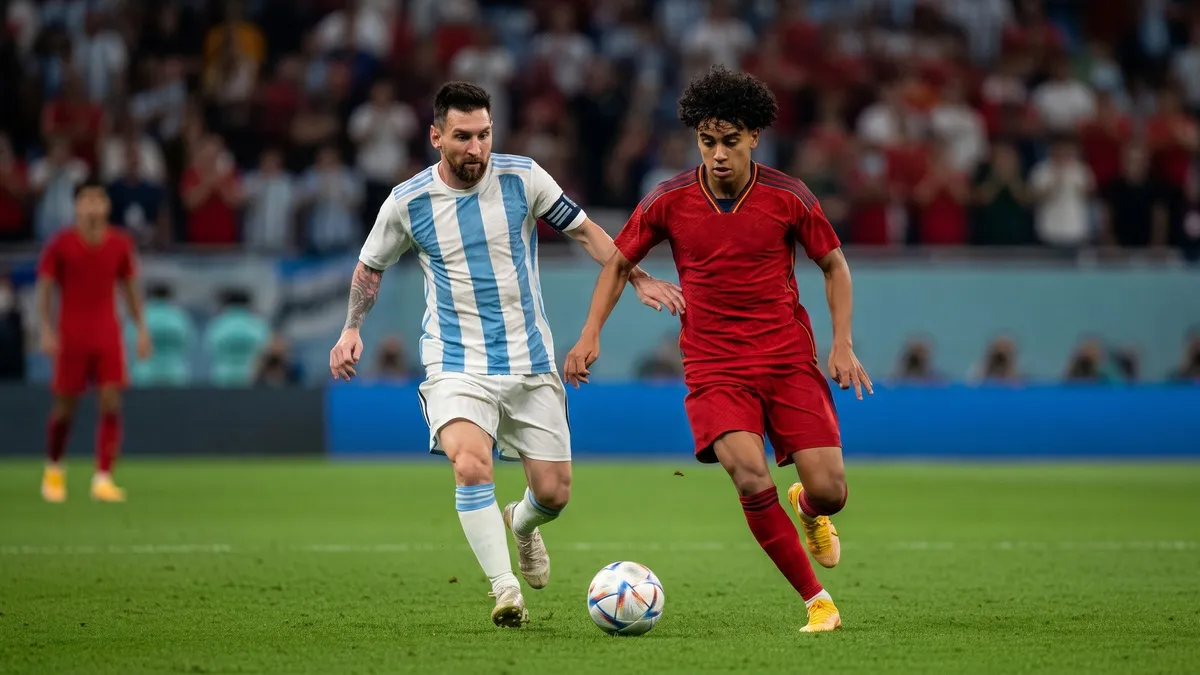
The Argentina vs Spain World Cup final had that weird feel early on, like Argentina were waiting for the game to start. No shot on target in the first half is brutal in any match, never mind a final. Spain kept the ball without getting reckless, and Argentina’s front line looked disconnected. It was sterile possession from one side, sterile threat from the other.
That’s why the halftime stuff matters. Emiliano Martinez speech clips will do the rounds because it’s so on-brand: the keeper barking at everyone to go forward, to take risks, to stop playing safe. Messi’s message was more pointed. He wasn’t asking for tactics, he was asking for personality. When your captain has to remind you what “character” looks like, it usually means the structure has already failed.
Spain deserve credit because their defending wasn’t just deep blocks and last-ditch tackles. They were organised in the boring, winning way. They shut off central lanes, forced Argentina wide, then squeezed the second ball so Argentina couldn’t build pressure. In the Argentina vs Spain World Cup final, you could see Spain’s back line stepping in sync, midfielders screening passes into feet, and the wingers tracking runners so Argentina never got free.
The bigger worry for the Argentina football team is what this says about their ceiling now. A 1-0 loss can be fine, but not when it comes with so little creation. Messi can still lift a room, even with his Inter Miami legs, but you cannot rely on speeches to fix a final. Argentina vs Spain World Cup final will be remembered as a warning: the champions had heart, but Spain had the plan.
Ajax dropping close to twenty million euros on Marcos Leonardo Ajax is not a normal Eredivisie flex. It is a statement that last season’s gap to PSV was not just bad form, it was unacceptable. The Al-Hilal transfer angle also matters. He is not arriving from a mid-table league with questions about level. He is arriving as a player Ajax chose to pay for, right now.
Hans Kraaij’s read is basically what fans want to hear: not “he’s the next Messi”, but “he scores”. That’s the key with Marcos Leonardo Ajax. Ajax have had plenty of pretty footballers who drift wide, combine nicely, and end up with ten shots from 20 metres. Leonardo sounds like the opposite. A penalty-box striker who lives off second balls, cutbacks, and chaos. That changes how opponents defend Ajax.
But the fee also changes the pressure. If you spend that much, you cannot hide behind “new coach”, “young squad”, or “transition year”. That’s where the Jordi Cruijff philosophy line hits. Ajax do not do excuses. They do titles. The club’s whole identity is built on standards, not sympathy. Marcos Leonardo Ajax becomes the symbol of that reset, fair or not.
On the pitch, the big question is supply. A goal magnet still needs service, and last year Ajax’s attack often looked disconnected, with too many touches and not enough runners. If Leonardo pins centre-backs and attacks the six-yard box, Ajax’s wingers and full-backs have to deliver earlier and with intent. Fans are buzzing for his debut because it hints at something simpler and nastier: win the box, win the game.
Still, the Eredivisie season is not won by one signing. PSV set the pace with consistency, not just talent. Ajax need a functioning press, fewer cheap turnovers, and a calmer back line. Marcos Leonardo Ajax can swing tight matches, especially at home. But the real test is whether Ajax build a team that makes his goals feel inevitable, not heroic.
Ruud Nijstad signing on at FC Twente until 2029 is one of those moves that tells you as much about the player as the market. He had Eintracht Frankfurt sniffing around and PSV pushing, yet he chose the familiar. The Ruud Nijstad PSV decision isn’t anti-ambition. It’s a bet that steady minutes and a stable base beat a quick leap into a bigger pond.
For young Dutch defenders, the danger is obvious. One summer you are “promising”, the next you are a loan option who never quite settles. Twente can offer Nijstad a clear role, a coaching staff that knows his habits, and a crowd that will live with the odd mistake. That matters for a centre-back. Confidence is half your game, and it’s hard to build when you are constantly proving you belong.
PSV made it tempting, and the chat with Peter Bosz sounds like it went well. Bosz can sell a project because his teams play on the front foot, and defenders get asked to defend big spaces. That can accelerate development, or expose you. The Ruud Nijstad PSV decision feels like he weighed that risk. At Twente, he can keep sharpening the basics without the weekly title pressure.
Frankfurt interest adds another layer. The Bundesliga is a different physical and tactical test, plus the off-pitch adjustment is real. Nijstad also brushed off the Barcelona noise, which is refreshing. Prestige does not help if you are watching from the bench. By extending now, he controls the timing. Have a strong season, become a leader, then revisit the Ruud Nijstad PSV decision type choices from a position of strength.
Unai Simon walking off with the Unai Simon Golden Glove at Spain World Cup 2026 sounds like a keeper’s tournament, but it really wasn’t. Seven clean sheets in eight games is wild, yet Spain barely asked him to be heroic. Opponents managed only 10 shots on target across the whole run. That is not luck. That is Spain deciding games happen 40 metres away from their box.
The funny bit is Spain didn’t look untouchable at the start. The group stage had a wobble, the kind where everyone starts nitpicking the nine, the tempo, the full-backs. Then Lamine Yamal came back and the whole thing clicked. Not just because he’s a chaos merchant in the final third, but because his width pins teams back. Spain’s press gets shorter, their rest defence gets cleaner, and suddenly nobody can breathe.
From there, it felt like opponents were playing a different sport. The 4-0 against Saudi Arabia was the clearest example. Spain didn’t just win, they removed the idea of a counterattack. The Spain vs France semi-final was the adult version of the same story. France had athletes and moments, but Spain had control. They made France take low-percentage decisions, then punished the gaps when frustration kicked in.
Mikel Merino’s late goals mattered because they showed Spain had different ways to finish teams. When matches tighten, you need someone arriving at the right time, not just pretty combinations. Luis de la Fuente deserves credit for that stability. Other national sides looked like club teams thrown together in a week. Spain looked like a system with options. If Spain World Cup 2026 is the baseline, Spain football dominance in the next cycle is not a crazy shout.
Keep an eye on transfer updates as clubs scramble to strengthen. The fallout from the World Cup will keep us buzzing for days. Stay tuned!

Julian Mercer is a lifelong student of the game whose passion for football was sparked at an early age, after stepping onto the grass of Camp Nou as a six-year-old — a moment that left a lasting impression and set him on a permanent path into the sport. Since then, football has been both his lens on the world and his favourite language. Blending traditional fandom with a deep interest in tactics, squad building, and long-term team development, Julian has spent decades analysing the game from every angle. His fascination with football strategy was further shaped through years of immersive play in Football Manager, a series he has followed since the mid-1990s, developing a sharp eye for patterns, player profiles, and the fine margins that define success. At My World Of Football, Julian focuses on the stories beneath the surface — from tactical evolutions and managerial philosophies to the narratives that connect clubs, players, and supporters across generations. His writing aims to balance insight with accessibility, always grounded in a genuine love for the game.
Continue reading more football news