Guardiola Manchester City future in doubt after Madrid
Guardiola Manchester City future faces fresh doubts after a 5-1 Real Madrid defeat. City now chase domestic glory, starting with the Carabao Cup final.
Guardiola Manchester City future faces fresh doubts after a 5-1 Real Madrid defeat. City now chase domestic glory, starting with the Carabao Cup final.
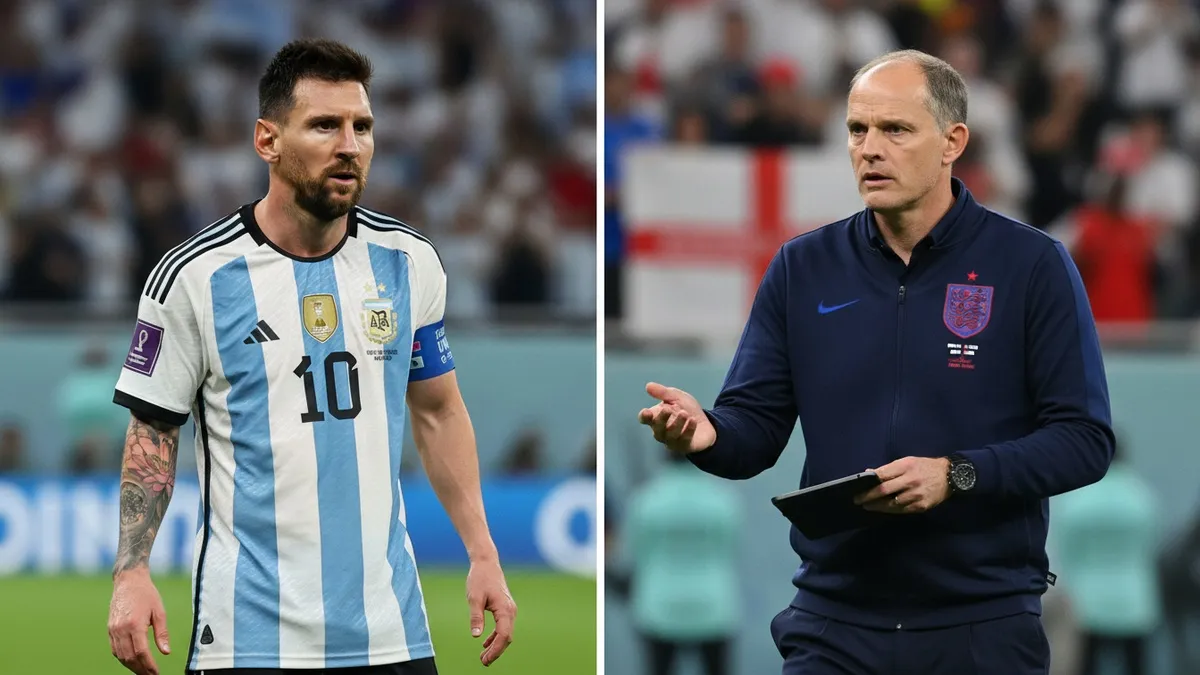
Manchester City’s season was supposed to be defined by control, rhythm, and inevitability, yet Europe delivered a brutal reminder that nothing is guaranteed. After a 5-1 aggregate Champions League exit to Real Madrid, the Guardiola Manchester City future conversation has moved from background noise to front-page urgency. Pep Guardiola, still contracted until 2027, sounded reflective rather than defiant, hinting that even he must reassess his appetite for the grind. With a Carabao Cup final against Arsenal looming, City’s next ninety minutes could shape far more than a trophy cabinet.
The Real Madrid defeat was more than a bad night; it was a two-leg dismantling that made City look oddly human. In the aftermath, Guardiola Manchester City future speculation surged because his comments carried the tone of a man weighing emotional cost, not just tactical tweaks. A 5-1 aggregate scoreline is loud enough to drown out excuses, and it inevitably reframes every decision. For City, the Champions League exit felt like losing the plot of the season.
Guardiola has lived through European heartbreak before, but this one landed differently because it arrived with an air of finality. The Guardiola Manchester City future storyline now sits beside questions about recruitment, intensity, and whether the squad needs a refresh to match his standards. City weren’t simply beaten by moments; they were beaten by a team that looked comfortable in chaos. That contrast, control versus chaos, is where Guardiola’s self-questioning begins to make sense.
Vinicius Jr didn’t just attack City’s back line; he attacked their confidence, accelerating every decision until mistakes became inevitable. His pace forced City’s defenders into awkward distances, and his directness made Guardiola’s usual risk-reward calculations look suddenly expensive. In that context, the Champions League exit wasn’t only about finishing chances or a refereeing gripe. It was about Madrid’s ability to turn transitional moments into a psychological advantage, leg after leg.
When City go out in Europe, the debate is rarely limited to one tie; it becomes a referendum on philosophy and longevity. The Guardiola Manchester City future question matters because his brand is so intertwined with City’s identity that any wobble feels existential. Fans can accept defeat, but they struggle with the idea of an era quietly ending. This Champions League exit has forced everyone to ask whether the project is evolving or simply repeating itself.
On paper, the Guardiola contract provides stability: a deal running to 2027 should calm the noise and keep planning coherent. In reality, elite management is rarely governed by paperwork, and the Guardiola Manchester City future talk reflects that truth. Guardiola has always treated motivation as a finite resource, something you either feel or you don’t. After a Real Madrid defeat that stung, he sounded like a man checking the fuel gauge.
City’s hierarchy will point to the contract and the domestic platform still available, but the deeper issue is emotional alignment. The Guardiola Manchester City future hinges on whether he believes he can reinvent the message for a squad that has heard it all. Even great managers can become prisoners of their own standards, and the minute those standards slip, the job becomes heavier. That’s why his hints, however subtle, have carried such weight.
A long contract can be a shield, yet it can also amplify pressure because it implies long-term responsibility for every downturn. If Guardiola stays, the rebuild—if one is needed—must be his, not a successor’s, and that is a serious psychological commitment. The Guardiola Manchester City future debate is therefore less about whether he can leave and more about whether he wants to start over. Timing matters, especially with a squad built to win now.
Being Manchester City manager is not only about tactics; it is about living inside a permanent spotlight where second place feels like failure. Guardiola’s intensity is a competitive advantage, but it also increases the risk of burnout, especially after a Champions League exit. The Guardiola Manchester City future discussion is, at its core, a human story about energy and purpose. When the margins are this fine, emotional fatigue becomes a tactical problem.
Guardiola has indicated he’ll assess his situation after the Carabao Cup final, and that alone gives the match an extra layer of drama. Silverware has a way of quieting doubts, at least temporarily, and it can reframe a season that currently feels bruised by the Champions League exit. The Guardiola Manchester City future could be influenced by the simplest football truth: winning feels like oxygen. Lose, and the air gets thinner.
Arsenal are the perfect opponent for this moment because they represent both a domestic threat and a stylistic mirror. Beat them, and City can claim momentum and reassert superiority in England; lose, and the Real Madrid defeat starts to look like the beginning of a slide. Guardiola Manchester City future talk will spike either way, but a trophy can buy time and belief. Finals don’t answer every question, yet they shape the mood in which decisions are made.
The challenge for Guardiola is to restore the sense of control that vanished in Europe, without stripping City of the aggression needed to win a final. Arsenal will press, run, and test City’s spacing, so the response must be collective rather than a clever tweak. If City look calm and authoritative, the Guardiola Manchester City future narrative shifts toward renewal. If they look anxious, the doubts grow louder, even with a contract until 2027.
Players listen when a manager sounds uncertain, even if he never says the words outright, and that’s why this final matters internally. A win allows Guardiola to reframe the season as unfinished business rather than a failed European mission. The Guardiola Manchester City future conversation is partly about whether the squad still believes the next message will be fresh. Lift a trophy, and belief becomes easier to manufacture; lose, and belief becomes a negotiation.
It felt almost surreal that on a night of disappointment, Guardiola climbed the historical charts by surpassing Sir Alex Ferguson in Champions League matches managed. That milestone underlines how long he has lived at the tournament’s sharp end, where one bad tie can rewrite reputations. Yet records don’t soften a 5-1 aggregate Champions League exit, and Guardiola knows it. The Guardiola Manchester City future debate isn’t about his legacy overall; it’s about his next step.
There is a strange tension in Guardiola’s career: he is both a modern icon and a manager still chasing the perfect European campaign with every club. City have already experienced the highs with him, but the Real Madrid defeat reopened the old wound of Europe’s unpredictability. In that sense, the record is a reminder of endurance, not comfort. The Guardiola Manchester City future question is whether he wants to keep paying the emotional entry fee.
The longer you stay at the top, the more people expect you to have solved football’s hardest puzzles, including Madrid’s aura in knockout ties. Guardiola’s experience becomes a stick to beat him with when the Champions League exit feels one-sided, even if the margins in elite football are often thin. The Guardiola Manchester City future narrative is sharpened by that paradox: the more he’s done, the less patience there is for failure. Greatness, in this space, is a demanding landlord.
Comparing Guardiola to Ferguson is tempting because both dominated domestically, but the modern landscape is less forgiving and more immediate. Social media cycles compress context, and every Real Madrid defeat becomes a referendum on the manager’s shelf life. The Guardiola Manchester City future conversation reflects that modern pressure, where even a contract until 2027 can’t guarantee calm. If anything, it highlights how rare long-term dynasties have become in the current era.
With Europe gone, City’s priorities become brutally clear: win domestically, or risk a season being framed as underachievement. This is where City season analysis gets interesting, because Guardiola’s teams are usually judged by the highest standard available. The Guardiola Manchester City future storyline will be influenced by whether he can redirect pain into focus. Domestic glory won’t erase the Real Madrid defeat, but it can restore the sense that City remain the benchmark.
The Premier League run-in and cup competitions demand a different kind of mentality than Europe, more about consistency than myth. Guardiola’s best teams thrive on routine excellence, yet the Champions League exit can either fracture rhythm or galvanise it. The Guardiola Manchester City future question becomes practical here: does he still enjoy the week-to-week craft of turning small advantages into wins? If he does, domestic targets offer a convincing reason to stay.
Every great cycle needs renewal, and the Real Madrid defeat hinted that City may need fresh legs and new emotional leaders. That doesn’t mean ripping up the squad, but it does mean making hard calls that only a fully committed manager should make. The Guardiola Manchester City future matters because recruitment and exits depend on clarity at the top. If he stays, he must shape the next iteration; if he leaves, City need a different blueprint.
City are not built to accept drift, and a trophyless finish would turn the Champions League exit into the defining image of the season. In that scenario, the Guardiola Manchester City future debate would become less speculative and more insistent, driven by the fear of decline. Even with a Guardiola contract until 2027, football decisions often follow emotion and momentum. Win something, and the pressure eases; win nothing, and every silence becomes suspicious.
Guardiola’s plan to evaluate after the Carabao Cup final is a classic Guardiola move: delay the existential questions until the next game is played. Yet the very act of postponing implies the question is real, and that’s why the Guardiola Manchester City future topic has dominated conversation. City will want certainty for planning, but Guardiola will want honesty with himself. After the Real Madrid defeat, he seems to be searching for the feeling that the next chapter is necessary.
There is also the broader ecosystem to consider: City’s standards, the squad’s hunger, and the club’s need to stay ahead of rivals who are improving fast. The Guardiola Manchester City future could still be long, because his coaching remains elite and his connection with the club has been strong. But modern football rarely allows quiet transitions, and any hint becomes a headline. Whatever he decides, the aftermath of this Champions League exit will frame it.
From the board’s perspective, the ideal outcome is straightforward: Guardiola recommits, the squad refreshes intelligently, and the club pushes on. A public reaffirmation would calm the Guardiola Manchester City future noise and protect the dressing room from uncertainty. But if Guardiola is wavering, the club must prepare without appearing to push him out, especially with a contract until 2027. The best-run clubs plan for every scenario, even the one they don’t want.
Guardiola has never seemed motivated by comfort, and that’s why the Guardiola Manchester City future question is tied to whether he still feels challenged. If he believes the squad can evolve and the hunger can be rebuilt, staying makes emotional sense as well as professional sense. If he feels the message has peaked, he may prefer to leave on a defined moment rather than a slow fade. After a Real Madrid defeat, that instinct can become stronger.
For now, the only certainty is that the Guardiola Manchester City future will be shaped by what happens next, not what happened in Madrid. The Champions League exit hurt, but football offers immediate redemption, and the Carabao Cup final is a chance to change the tone of the conversation. Guardiola’s record in Europe proves he’s built for the biggest nights, even when they go wrong. City’s season analysis will ultimately hinge on domestic glory, and on whether Guardiola still wants to write the next chapter.

Julian Mercer is a lifelong student of the game whose passion for football was sparked at an early age, after stepping onto the grass of Camp Nou as a six-year-old — a moment that left a lasting impression and set him on a permanent path into the sport. Since then, football has been both his lens on the world and his favourite language. Blending traditional fandom with a deep interest in tactics, squad building, and long-term team development, Julian has spent decades analysing the game from every angle. His fascination with football strategy was further shaped through years of immersive play in Football Manager, a series he has followed since the mid-1990s, developing a sharp eye for patterns, player profiles, and the fine margins that define success. At My World Of Football, Julian focuses on the stories beneath the surface — from tactical evolutions and managerial philosophies to the narratives that connect clubs, players, and supporters across generations. His writing aims to balance insight with accessibility, always grounded in a genuine love for the game.
Continue reading more football news