Myworldoffootball
Jeremie Frimpong Arsenal celebration sparks final storm
Jeremie Frimpong Arsenal celebration ignites backlash after PSG beat Arsenal on pens in the Champions League final, with Chelsea posts and Slot tribute.
Jeremie Frimpong Arsenal celebration ignites backlash after PSG beat Arsenal on pens in the Champions League final, with Chelsea posts and Slot tribute.
Budapest staged a Champions League final that felt like it had everything—tactics, tension, and a penalty shootout that left Arsenal supporters staring into space. Yet the loudest aftershock didn’t come from PSG’s trophy lift or Arsenal’s heartbreak; it came from a phone screen. The Jeremie Frimpong Arsenal celebration went viral within minutes, with the Liverpool defender appearing to revel in Arsenal’s collapse. As backlash grew, he insisted it was about winning a bet, while the wider football internet piled in.
Arsenal had the script in their hands early, moving the ball with purpose and pinning PSG back long enough to make belief feel rational. Kai Havertz’s opener gave Mikel Arteta’s side that precious thing in finals: a lead to defend and a platform to counter. PSG, though, never looked panicked, and their ability to keep possession under pressure slowly squeezed Arsenal’s legs. By full-time, the match had become a nerve test rather than a showcase.
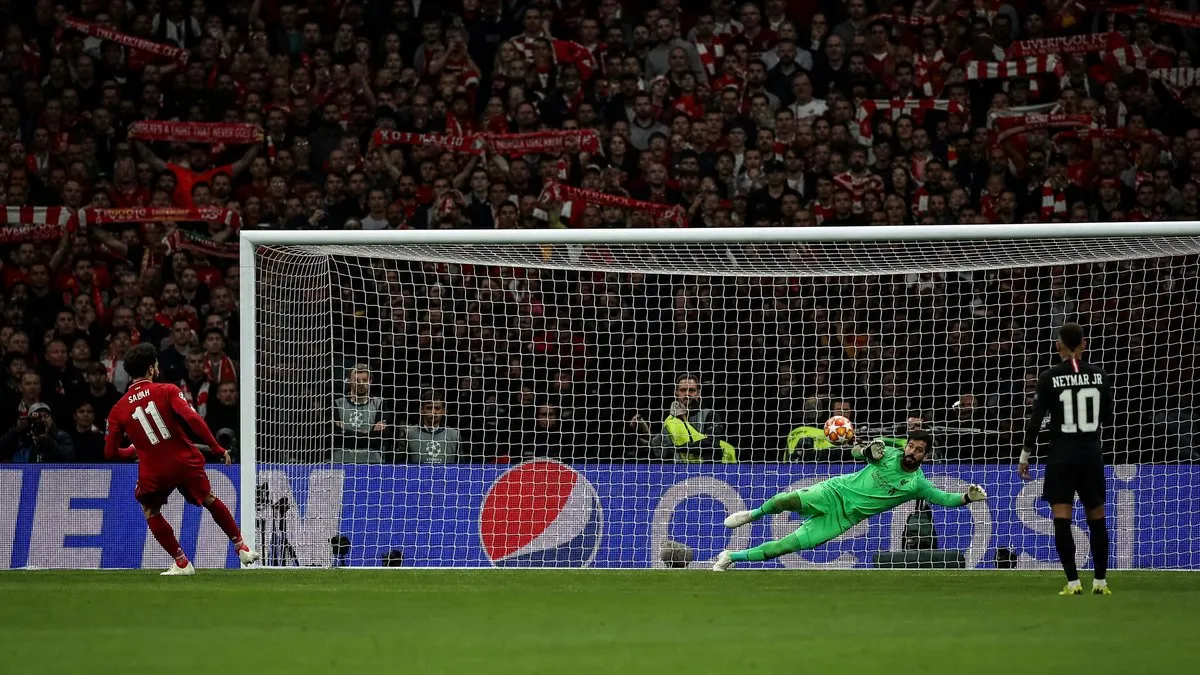
When the shootout arrived, it was the kind that turns reputations into folklore and mistakes into lifelong flashbacks. Gabriel Magalhaes’ missed penalty became the hinge moment, the one Arsenal fans will replay in silence for years. PSG’s bottle held, and their title defence was confirmed with a clinical calm that contrasted sharply with Arsenal’s visible strain. In the immediate aftermath, the Jeremie Frimpong Arsenal celebration began circulating as if it were part of the official highlights package.
Havertz’s goal mattered because it seemed to validate Arsenal’s plan: press high, win second balls, and get runners beyond PSG’s midfield. For long stretches, Arsenal looked organised enough to keep control without dominating, which is often the sweet spot in finals. But PSG’s response was patient, and Ousmane Dembele’s threat on transitions forced Arsenal’s full-backs to hesitate. That tiny hesitation is where finals are lost, long before penalties arrive.
Penalty shootouts are marketed as lotteries, but players know they are also psychological audits. Gabriel stepped up with the weight of a club’s recent history pressing into his shoulders, and the miss felt like a collective exhale in the PSG end. Arsenal’s other takers didn’t crumble, yet the damage was done because shootouts punish imperfection with brutal efficiency. The Jeremie Frimpong Arsenal celebration, arriving so quickly after the miss, poured salt into an already raw wound.
Footballers celebrate rivals losing all the time, but timing and tone decide whether it passes as banter or reads as spite. The Jeremie Frimpong Arsenal celebration landed in the immediate emotional fallout of a final, when Arsenal fans were still processing the defeat. That made the reaction feel less like playful needle and more like a deliberate twist of the knife. Online, the clip and screenshots travelled faster than nuance ever could, and outrage became the default language.
What sharpened the response was the badge next to Frimpong’s name. As a Liverpool defender, he represents a club with its own history of rivalry, tension, and title races with Arsenal, even when the relationship isn’t classically toxic. Fans interpreted the Jeremie Frimpong Arsenal celebration as a statement of tribal delight rather than a personal moment. In an era where every post is treated as a press conference, the line between private emotion and public provocation has basically vanished.
Social media has turned players into broadcasters, and that comes with an invisible contract: everything is “content,” even when it’s impulsive. The Jeremie Frimpong Arsenal celebration illustrates how a few seconds of exuberance can become a week-long narrative, complete with think-pieces and fan campaigns. Supporters don’t just watch football now; they monitor reactions to football, hunting for slights and symbols. The result is a culture where celebration itself becomes a contested space.
Frimpong’s Liverpool status made the optics complicated because fans immediately tried to map the reaction onto broader club politics. Some saw it as Liverpool enjoying Arsenal’s pain, others as a player freelancing without considering the wider consequences. Either way, the Jeremie Frimpong Arsenal celebration became a proxy argument about respect, class, and what elite professionals “should” do online. That moral framing is powerful, even if football has never been a sport built on restraint.
As the criticism swelled, Frimpong moved to clarify that his reaction was linked to a bet he had won, not a personal vendetta against Arsenal. It was an attempt to pull the story back to earth, to recast the Jeremie Frimpong Arsenal celebration as a private joke that leaked into public view. But explanations rarely travel as far as the original clip, and the internet tends to treat clarifications as admissions rather than context. The damage, in narrative terms, was already done.
There’s also a credibility problem baked into the “it was just a bet” defence. Fans have heard variations of it before, and many view it as a convenient shield when a post lands badly. Even if it’s true, the Jeremie Frimpong Arsenal celebration still reads as gloating to anyone without access to the inside joke. In football culture, intent matters less than effect, and the effect here was a rival fanbase feeling mocked at their most vulnerable.
Backlash operates like a relay race: one account posts outrage, another amplifies it, and soon the story has “momentum” that feels independent of facts. The Jeremie Frimpong Arsenal celebration was perfect fuel because it had a clear villain, a clear victim, and a high-stakes setting. Add the Champions League final context and you have a narrative that practically writes itself. By the time explanations emerge, the audience has already chosen its preferred version.
Supporters often claim they want authenticity from players, but they also want that authenticity to align with their own moral code. The Jeremie Frimpong Arsenal celebration forced a question: is it acceptable for a player to publicly enjoy another club’s misery, especially after a final? Some fans argued it’s just football, the same tribalism that fills terraces every weekend. Others insisted professionals should show empathy, particularly when the defeat was decided by penalties.
Just when the story might have settled into a Frimpong-versus-Arsenal spat, Chelsea wandered into frame with a cheeky Instagram post that widened the blast radius. It was the kind of social media wink clubs now deploy to stay relevant in the conversation, even when they aren’t on the pitch. The post didn’t need to mention the Jeremie Frimpong Arsenal celebration directly to be linked to it; fans did the connecting work instantly. In modern football discourse, implication is often louder than statement.
Chelsea’s involvement mattered because it highlighted how clubs themselves have adopted the language of banter accounts. That shift changes expectations: if official channels are joking about rivals, why should players be held to a completely different standard? The Jeremie Frimpong Arsenal celebration became part of a broader debate about institutional tone and the way social teams chase engagement. Chelsea’s post also reminded everyone that Arsenal’s defeat wasn’t just personal pain; it was cultural currency for rivals.
Football clubs used to communicate like banks, offering sterile updates and sponsor-friendly platitudes. Now they behave like characters in a shared universe, trading jabs and posting memes to win the attention economy. Chelsea’s contribution to the conversation showed how quickly a Champions League final can become a content opportunity, not just a sporting event. In that environment, the Jeremie Frimpong Arsenal celebration wasn’t an outlier—it was part of the same ecosystem of instant reaction.
There’s a particular cruelty to laughing at a penalty shootout loss because it feels like mockery of nerves rather than performance. Arsenal didn’t get outclassed for 90 minutes; they were edged in the sport’s most unforgiving tiebreaker. That’s why the Jeremie Frimpong Arsenal celebration and Chelsea’s post landed with extra bite, as if they were mocking the human element of the game. Fans can accept losing; they struggle to accept being laughed at while grieving.
Lost beneath the noise is the reality that PSG earned their victory with the kind of composure champions display when the match turns ugly. They didn’t chase the game recklessly after Havertz scored, and they didn’t unravel when Arsenal pressed. Ousmane Dembele’s presence mattered even when he wasn’t scoring, because he stretched Arsenal’s defensive line and forced constant cover decisions. The Jeremie Frimpong Arsenal celebration may have dominated timelines, but PSG’s game management deserved equal attention.
For Arsenal, the defeat will be analysed in tiny moments rather than sweeping failures. Finals often come down to one clearance not made, one duel lost, one penalty struck a fraction too close to the keeper. Gabriel’s miss will headline the post-mortem, but Arsenal also had phases where they could have killed the game and didn’t. That is why the Jeremie Frimpong Arsenal celebration felt so provocative: it reduced a complex, painful night into a single punchline.
Dembele is the kind of player who creates panic through possibility; defenders defend the threat of what he might do as much as what he is doing. PSG used that gravity smartly, pulling Arsenal’s shape wider and opening pockets for midfield runners to receive. They also showed a champion’s willingness to suffer, absorbing pressure without losing their structure. When the shootout arrived, PSG looked like a team that had rehearsed the feeling, which is often the real advantage.
Arsenal’s progress has been real, but elite football punishes teams that don’t seize their moments. The final offered Arsenal a chance to define themselves as winners, and instead they left space for others to define them as nearly-men. That’s why the Jeremie Frimpong Arsenal celebration gained traction: it attached itself to an old stereotype Arsenal have been trying to shed. The next step for Arteta’s side is not just tactical maturity, but emotional authority in decisive matches.
Adding another layer, Frimpong also paid tribute to Arne Slot, his recently departed manager, who was relieved of his duties just before the final. That detail complicated the public reading of events, because it suggested Frimpong’s headspace was split between personal upheaval and football theatre. The Jeremie Frimpong Arsenal celebration, in that light, looked less like a calculated dig and more like a chaotic release after a turbulent period. Still, fans rarely grant that kind of grace in the immediate aftermath.
From a Liverpool perspective, the episode raises questions about how players manage their public identities when the club itself is in transition. A dressing room dealing with managerial change needs calm messaging, not viral distractions, yet modern players live in a constant feedback loop. The Jeremie Frimpong Arsenal celebration became a story Liverpool didn’t necessarily want, but couldn’t avoid. And Slot’s name being invoked reminded everyone that footballers’ emotions are rarely about just one match.
When a manager exits abruptly, players often respond with public tributes that double as personal coping mechanisms. Frimpong’s nod to Slot suggested genuine respect, but it also hinted at instability and the need to reaffirm bonds when structures shift. In that context, the Jeremie Frimpong Arsenal celebration can be read as part of a messy emotional cocktail: relief, adrenaline, and the strange joy of football chaos. It doesn’t excuse the optics, but it explains the temperature.
Big clubs typically prefer to let these storms burn out rather than escalate them with formal statements. The challenge is that silence can look like endorsement, while overreaction can make the story bigger than it needs to be. Liverpool will likely want Frimpong focused on football, not defending the Jeremie Frimpong Arsenal celebration across comment sections. The modern approach is quiet internal guidance: tighten posting habits, avoid rivals’ pain, and remember that every screenshot lasts forever.
The Budapest final will be remembered for PSG’s nerve and Arsenal’s agony, but the week after has been shaped by the Jeremie Frimpong Arsenal celebration and the way football now lives online as much as on grass. Frimpong’s bet explanation may be true, and Chelsea’s Instagram wink may be harmless, yet the emotional reality for Arsenal fans is the same: defeat echoed by mockery. In the end, the lesson is simple—trophies are decided in moments, and so are reputations, especially when the timeline is watching.

Julian Mercer is a lifelong student of the game whose passion for football was sparked at an early age, after stepping onto the grass of Camp Nou as a six-year-old — a moment that left a lasting impression and set him on a permanent path into the sport. Since then, football has been both his lens on the world and his favourite language. Blending traditional fandom with a deep interest in tactics, squad building, and long-term team development, Julian has spent decades analysing the game from every angle. His fascination with football strategy was further shaped through years of immersive play in Football Manager, a series he has followed since the mid-1990s, developing a sharp eye for patterns, player profiles, and the fine margins that define success. At My World Of Football, Julian focuses on the stories beneath the surface — from tactical evolutions and managerial philosophies to the narratives that connect clubs, players, and supporters across generations. His writing aims to balance insight with accessibility, always grounded in a genuine love for the game.
Continue reading more football news