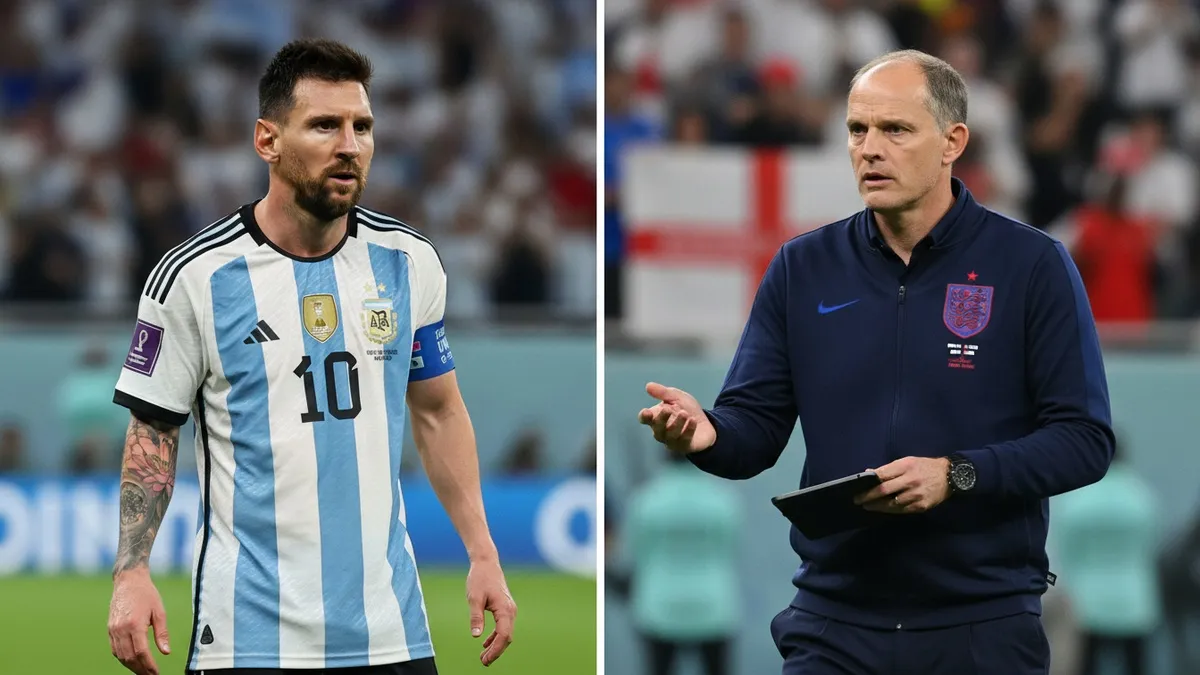
Joey Veerman Ronald Koeman feud erupts after PSV win
Joey Veerman blasts Ronald Koeman after PSV’s 5-1 vs FC Twente. Marciano Vink fears the rift is irreparable, raising Oranje doubts.
Joey Veerman blasts Ronald Koeman after PSV’s 5-1 vs FC Twente. Marciano Vink fears the rift is irreparable, raising Oranje doubts.
PSV’s 5-1 demolition of FC Twente should have been a clean celebration of attacking football, yet the loudest moment arrived in the post-match tunnel. In a raw football interview, Joey Veerman aimed directly at the Netherlands national team setup, insisting he was “done” and that Ronald Koeman “doesn’t need to call anymore.” The Joey Veerman Ronald Koeman storyline now feels bigger than one selection dispute, because it touches pride, trust, and the fragile player-coach relationship that can define an international career.
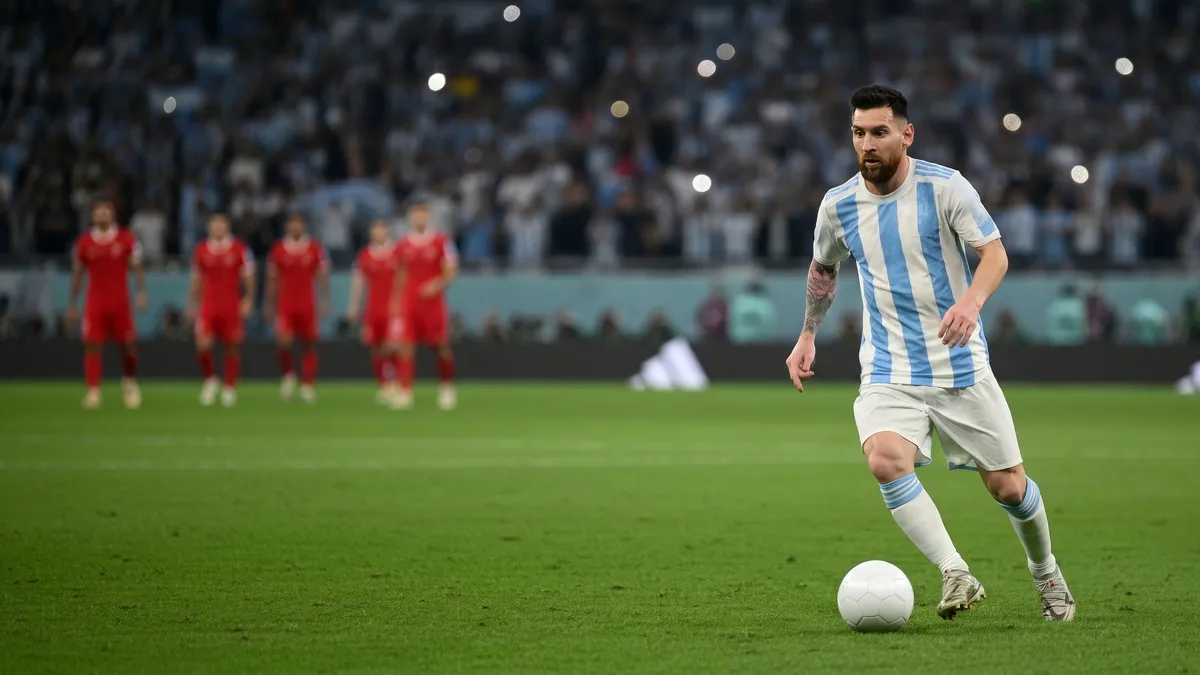
The match itself was a statement, with PSV overwhelming FC Twente through tempo, quick combinations, and relentless second-ball pressure. Veerman’s passing range helped PSV move play from congestion into space, turning Twente’s defensive shape into a series of late reactions. The irony is that a performance like this usually strengthens an Oranje case, yet it became the backdrop for the Joey Veerman Ronald Koeman confrontation that dominated headlines.
In the immediate aftermath, Veerman’s tone was not the measured frustration fans often hear from players omitted by the Netherlands national team. He sounded final, not hopeful, and that distinction matters because it reframes the story from “selection debate” to “relationship breakdown.” When Joey Veerman Ronald Koeman becomes the headline, the football is no longer just evidence; it is ammunition in a personal dispute that now risks hardening on both sides.
Veerman’s words carried the bluntness of a player who believes the conversation has moved beyond tactics and form. By saying Koeman shouldn’t call anymore, he effectively removed the usual pathway back—good performances, a new camp, a fresh start. The Joey Veerman Ronald Koeman dynamic has always included questions about fit, but this was about respect and perceived judgment, which is far harder to repair than a disagreement over a role.
International football thrives on short windows, so trust is compressed into a few training sessions and meetings. If a coach doubts a player’s personality, and the player feels publicly labeled, the player-coach relationship can sour quickly and become self-fulfilling. That is why the Joey Veerman Ronald Koeman clash matters beyond one call-up: it threatens to turn every future omission into a public referendum on character rather than performance.
The spark for Veerman’s outburst was Koeman’s suggestion that character played a role in the midfielder’s absence. In modern squads, “character” can be a catch-all term, covering intensity, coachability, or how a player handles being on the fringes. But when aired publicly, it lands like a verdict rather than feedback, and the Joey Veerman Ronald Koeman narrative instantly becomes personal, with fans forced to choose whom they believe.
Koeman has also been clear that Veerman is not his top option for the left 6-position, even when injuries opened the door. That is a tactical explanation, but it now sits alongside the character comment, creating a mixed message that fuels suspicion. The Joey Veerman Ronald Koeman tension grows because supporters can accept a stylistic mismatch, yet they bristle when the debate shifts toward insinuations about professionalism or attitude.
Koeman’s preferred left-sided midfielder often has to cover ground, protect transitions, and still progress play under pressure. Veerman’s strengths—vision, timing, and vertical passing—can shine in structured possession, but the Netherlands national team frequently faces chaotic moments against elite opponents. The Joey Veerman Ronald Koeman dispute partly lives in that gray area: is the role about control through the ball, or control through athletic coverage and duels?
Once a coach references character, every tactical argument becomes emotionally loaded. A player can accept “you don’t fit my midfield balance,” but “I doubt your character” feels like an attack on identity, not a football decision. That is why the Joey Veerman Ronald Koeman story escalated so quickly: Veerman’s response was less about the left 6-position and more about the feeling that he had been reduced to a stereotype.
Former international Marciano Vink did not sugarcoat the fallout, suggesting the relationship could be irreparable. Coming from a player who has lived the pressures of Oranje camps, that assessment carries weight because it recognizes how pride operates at the top level. The Joey Veerman Ronald Koeman situation is not just a disagreement; it is a public standoff where backing down can look like weakness, and that makes reconciliation harder.
Vink also argued Veerman should have been included, pointing to his Champions League performance as evidence he can handle elite intensity. That angle matters because it shifts the conversation from “Eredivisie comfort” to “European proof,” a key distinction in national team debates. If Champions League nights are the currency of credibility, then the Joey Veerman Ronald Koeman conflict becomes a question of whether the coach is ignoring evidence or prioritizing a different profile entirely.
Pundits who played for the Netherlands national team often detect patterns in how coaches communicate, and they know how quickly labels stick. Vink’s warning implies that once a coach publicly frames a player as a character concern, the player’s margin for error disappears. In the Joey Veerman Ronald Koeman case, even a strong run of form might not be enough, because the debate has shifted from “can he help us?” to “can we trust him?”
Veerman’s Champions League performance has shown composure under pressure, quick scanning, and the courage to play forward when opponents press high. Those traits are exactly what Oranje sometimes lacks when matches become tight and sterile. That is why the Joey Veerman Ronald Koeman dispute feels so frustrating to many fans: they see a midfielder offering solutions to a known problem, while the coach appears unconvinced by the fit or the personality package.
At PSV, Veerman operates in a structure designed to maximize his passing angles and decision-making. He often receives with options ahead of him, and PSV’s movement creates lanes that reward his early release and disguised balls into the half-spaces. It is fair to ask whether the Netherlands national team can replicate those conditions, yet the Joey Veerman Ronald Koeman debate persists because international football also needs players who can create order quickly.
The 5-1 against PSV FC Twente underlined how Veerman can dictate rhythm when his team wins the ball back high and keeps the opponent pinned. That context matters because Oranje frequently faces deep blocks, where patience and distribution are vital. The Joey Veerman Ronald Koeman tension grows when supporters see a midfielder thriving in the exact type of game-state the Netherlands often encounters, then hear he is not a preferred option.
Club teams train daily, building automatisms that allow a passer like Veerman to play almost on instinct. International camps are shorter, so the coach often picks players who can survive without that shared rhythm, leaning on athleticism and simple patterns. The Joey Veerman Ronald Koeman question is whether Veerman’s strengths are “system-dependent” or “solution-based,” and whether Koeman is prioritizing robustness over artistry in midfield.
Against FC Twente, Veerman’s value wasn’t only in assists or final passes; it was in how quickly he accelerated PSV’s attacks after regains. He repeatedly chose the progressive option, forcing Twente’s midfield to turn and chase rather than set their defensive stance. That is why the Joey Veerman Ronald Koeman story feels so charged: the football evidence suggests a player at the peak of confidence, precisely when international doors appear closed.
Koeman’s selections are often framed as a search for balance, especially in midfield where one player’s strengths can expose another’s weaknesses. If Veerman is viewed as less mobile or less aggressive in duels, the coach may fear being punished in transition against top nations. Yet the Joey Veerman Ronald Koeman dispute shows how quickly a technical conversation becomes reputational, because once the coach hints at character issues, every omission looks like a moral judgment.
Injuries to other midfielders should have created an opening, and that is why this episode stings for Veerman and his supporters. When a player sees the door ajar and still doesn’t get the nod, he assumes something deeper is blocking the path. The Joey Veerman Ronald Koeman saga now raises a bigger question for Oranje: can they afford to exclude a form player if the alternative options are also imperfect fits?
National teams often run on hierarchy, with trusted lieutenants who understand the coach’s language and expectations. Breaking into that circle can be harder than simply playing well, because camps are short and mistakes are magnified. The Joey Veerman Ronald Koeman conflict hints that Veerman may not be in that inner ring, and once a player feels permanently “outside,” frustration can spill into public statements that further entrench the divide.
When a player criticizes the coach openly, the coach faces a dilemma: call him up and risk undermining authority, or keep him out and confirm the player’s sense of exile. Either route has consequences for dressing-room culture and media noise. That is why the Joey Veerman Ronald Koeman issue is so delicate for the Netherlands national team, because it’s no longer just about the left 6-position; it’s about who sets the rules of engagement.
There are only a few realistic routes forward: a private conversation that resets boundaries, a public cooling-off period where both sides soften language, or a stubborn stalemate that becomes permanent. Veerman’s “don’t call anymore” line suggests he is leaning toward closure, but football careers rarely follow straight lines. The Joey Veerman Ronald Koeman narrative could still shift if results demand creativity, or if Koeman decides the squad needs Veerman’s passing more than it needs a point proven.
For PSV, the immediate concern is keeping Veerman focused and protected from the weekly swirl of Oranje questions. For the Netherlands national team, the risk is losing a player at his peak because of an avoidable breakdown in communication. The Joey Veerman Ronald Koeman rift also serves as a warning about how modern media amplifies every phrase, turning a coach’s aside into a player’s headline, and a player’s frustration into a national debate.
Sometimes the easiest repair is tactical: redefine the role so neither side feels they have lost. If Koeman doesn’t see Veerman as the left 6, could he be considered as a right-sided controller, or as a game-state substitute when Oranje needs incision? A compromise like that could cool the Joey Veerman Ronald Koeman conflict, because it reframes the issue as usage rather than worthiness, allowing both men to claim consistency.
The longer the story runs, the more each new quote becomes a test of loyalty and pride. If Veerman and Koeman stop discussing each other publicly, the temperature drops, and football can re-enter the conversation through performances rather than soundbites. The Joey Veerman Ronald Koeman saga doesn’t need a dramatic apology to end; it may need time, a couple of international windows, and a mutual decision to let selection be the message instead of the microphone.
The uncomfortable truth is that the Joey Veerman Ronald Koeman clash now sits at the intersection of form, fit, and ego, with the Netherlands national team caught in the middle. Veerman’s PSV displays, including the emphatic PSV FC Twente rout, keep supplying evidence that he can influence big games, while Koeman’s stance suggests he wants different guarantees in midfield. Whether the bridge is rebuilt or finally collapses, this episode will shape how players and coaches manage honesty in public—and how quickly a football interview can redraw an international future.

Julian Mercer is a lifelong student of the game whose passion for football was sparked at an early age, after stepping onto the grass of Camp Nou as a six-year-old — a moment that left a lasting impression and set him on a permanent path into the sport. Since then, football has been both his lens on the world and his favourite language. Blending traditional fandom with a deep interest in tactics, squad building, and long-term team development, Julian has spent decades analysing the game from every angle. His fascination with football strategy was further shaped through years of immersive play in Football Manager, a series he has followed since the mid-1990s, developing a sharp eye for patterns, player profiles, and the fine margins that define success. At My World Of Football, Julian focuses on the stories beneath the surface — from tactical evolutions and managerial philosophies to the narratives that connect clubs, players, and supporters across generations. His writing aims to balance insight with accessibility, always grounded in a genuine love for the game.
Continue reading more football news