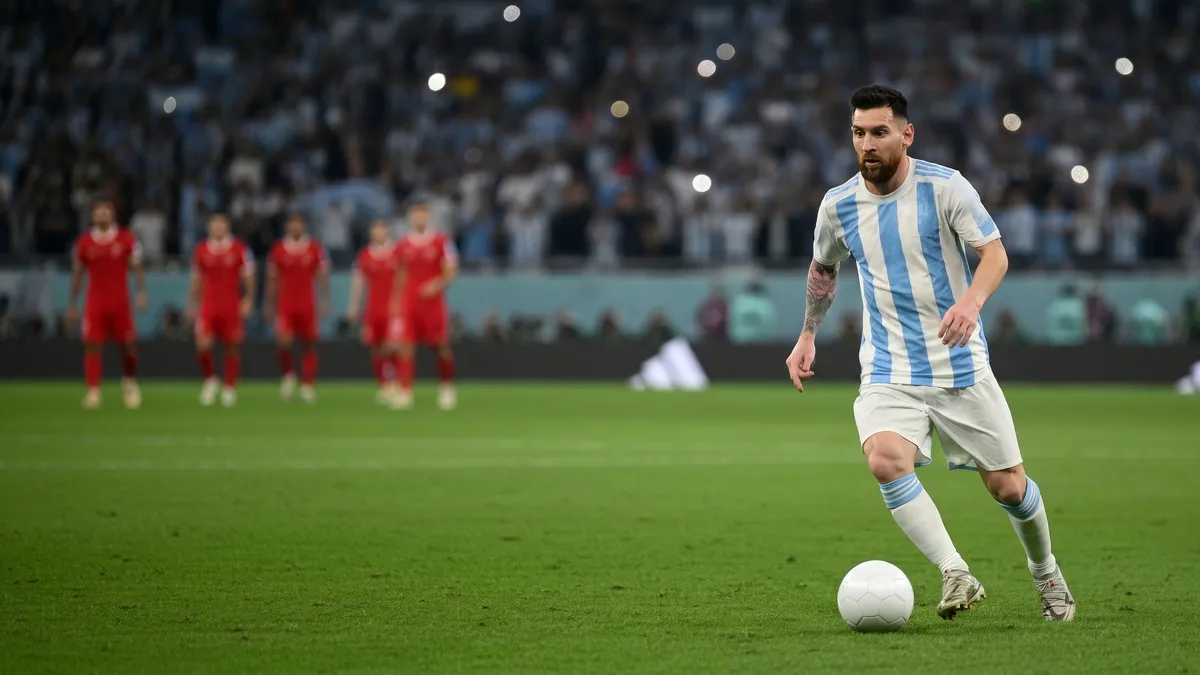
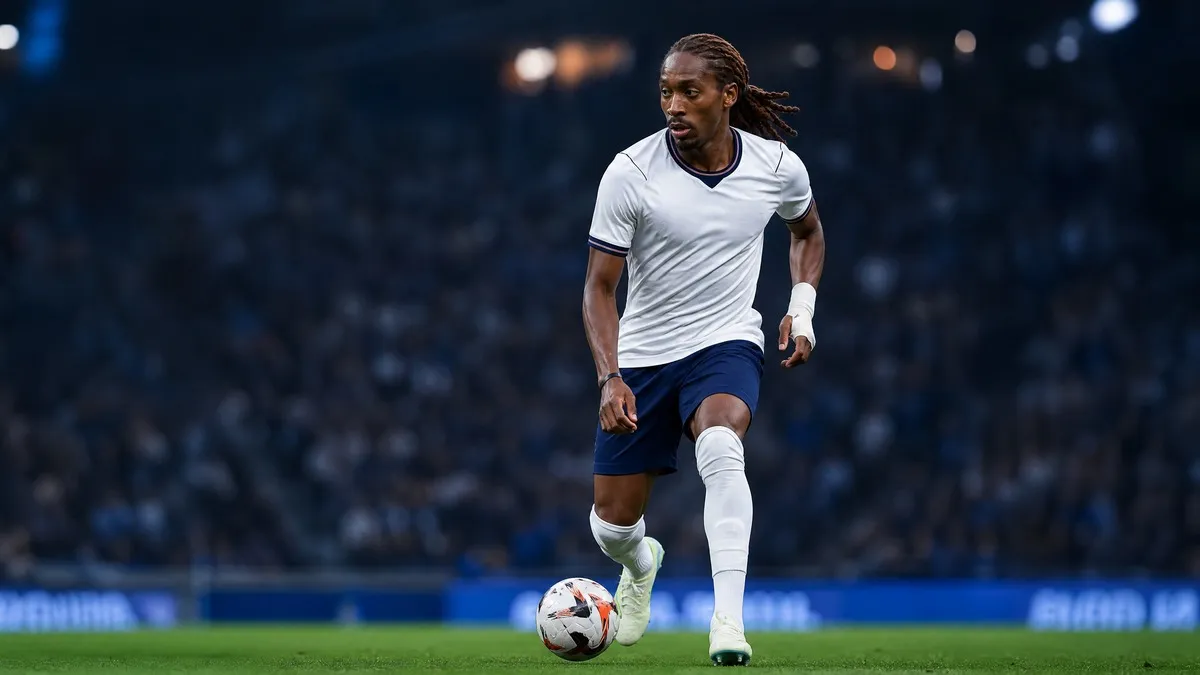
Kodai Sano Ajax transfer news: deal stalls, Regeer reacts
Kodai Sano Ajax transfer news: why NEC blocked the winter move, how Youri Regeer views midfield competition, and what Eredivisie standings mean next.
Kodai Sano Ajax transfer news: why NEC blocked the winter move, how Youri Regeer views midfield competition, and what Eredivisie standings mean next.
For a few days in the winter window, it felt like the next chapter in Amsterdam was already written: Kodai Sano arriving, Ajax reshaping the midfield, and NEC cashing in at the right moment. Then the momentum vanished, not because Ajax cooled, but because NEC refused to play along and the deal never reached the finish line. In the middle of that noise, Youri Regeer spoke with the calm of a player defending his turf, insisting he still wants to be Ajax’s defensive midfielder.
The most telling detail in this Kodai Sano Ajax transfer news cycle was how quickly optimism turned into a closed door. Ajax’s interest was real and the timing made sense, with the club searching for reliability and tempo control in the No. 6 role. Yet NEC’s stance signaled a broader message: they were not prepared to weaken mid-season, even for a fee that might look attractive on paper. That refusal shaped everything that followed.
NEC’s lack of cooperation wasn’t just stubbornness; it was leverage built on context. Selling a key midfielder in winter can destabilize a dressing room and send a signal to rivals that survival or European ambition is negotiable. In NEC transfer news, clubs often talk about “sporting reasons,” but the phrase has teeth when the table is tight and points are precious. By holding firm, NEC protected their structure and their narrative.
When NEC blocks a move, they’re protecting more than a player’s minutes; they’re protecting the rhythm of the team. Midfielders like Sano glue phases together, covering for full-backs, offering outlets under pressure, and managing transitions when games get chaotic. In NEC transfer news, those qualities are hard to replace in January, when scouting is rushed and the market is inflated. Keeping Sano can be worth more than any immediate fee.
From Ajax’s perspective, the stalled move adds a different kind of cost: uncertainty. The club has to plan training loads, roles, and recruitment priorities while the outside world keeps repeating Kodai Sano Ajax transfer news as if it’s inevitable. Waiting can also mean missing alternative targets, or forcing internal solutions to carry extra responsibility. Ajax can live with patience, but only if results and performances keep the pressure manageable.
Youri Regeer Ajax comments cut through the transfer static with a simple message: he wants to remain the defensive midfielder. That’s not a generic vote of confidence; it’s a positional identity, a request to be judged on his ability to read danger and start attacks, not on the next headline. Regeer’s stance also reframes the Kodai Sano Ajax transfer news as competition rather than replacement. He’s telling supporters and coaches that he’s ready for that fight.
Regeer’s calm doesn’t mean he’s immune to the emotional weight of rumors. Players read the same reports fans do, and they understand what a new signing implies about trust and hierarchy. Youri Regeer Ajax has been asked to carry responsibility in a team that is still searching for consistency, and that role can feel fragile when recruitment stories accelerate. Still, Regeer’s focus is practical: do the job, win duels, and keep the ball moving.
There’s a difference between healthy competition and a destabilizing audition, and Regeer seems intent on keeping it in the first category. By publicly stating his preference to stay at defensive midfield, Youri Regeer Ajax is also asking for clarity in coaching decisions. He doesn’t want to be shifted around as a stopgap while transfer talk swirls. In a squad with constant scrutiny, that clarity can protect confidence and performance.
Every repeated update in Kodai Sano Ajax transfer news functions like a small test of nerve for the current squad. Even if a player believes he’s first choice, he knows football is a business and roles can change quickly. That pressure can sharpen training intensity, but it can also create overthinking in matches, where one mistake feels like evidence for recruitment. Regeer’s response suggests he’s choosing steadiness over paranoia.
It’s easy to treat transfers as isolated transactions, but this story is tied to Eredivisie standings in a very direct way. NEC’s willingness to sell, Ajax’s urgency to buy, and Sano’s own appetite for a jump all shift depending on what the table says each week. If NEC are battling for position, they can justify resisting offers longer. If Ajax are chasing targets, they may push harder, making Kodai Sano Ajax transfer news resurface with greater force.
Eredivisie standings also influence how both clubs sell the decision to their supporters. NEC fans tolerate a summer sale more easily if the season has been protected; Ajax fans accept patience if results stabilize and the midfield looks functional. The league table becomes a scoreboard for transfer logic, not just match outcomes. That’s why this saga feels unfinished, with the next twist likely arriving alongside a run of results.
NEC’s calculation is brutally simple: how many points is Sano worth between now and May, and how much money compensates for those points? In NEC transfer news, winter sales often come with hidden costs, like losing compactness, dropping deeper, or conceding more transitions. If the club believes Sano’s presence keeps them stable, then the “lost” fee becomes a strategic investment. Eredivisie standings make that investment measurable week by week.
Ajax’s internal tone changes with every swing in Eredivisie standings, because expectations are never neutral in Amsterdam. A few dropped points can turn a “nice addition” into an urgent fix, and that’s when Kodai Sano Ajax transfer news starts to feel like a referendum on ambition. If the midfield struggles to control games, the club’s decision-makers face louder questions. In that environment, patience is a luxury that must be earned through performances.
Ajax midfield competition is not just about who starts; it’s about what style the team commits to. A player like Sano suggests a desire for more defensive security, quicker recoveries, and cleaner first passes under pressure. That can free attacking midfielders to take risks, but it can also reduce the margin for error for the incumbent No. 6. In this context, Kodai Sano Ajax transfer news is really a debate about Ajax’s identity in possession and transition.
For Regeer, the fear isn’t necessarily being benched; it’s being redefined. Youri Regeer Ajax wants to be judged as a specialist defensive midfielder, not as a utility piece who gets moved to accommodate a new arrival. When a club recruits for your position, it can signal that your strengths are appreciated but not fully trusted. That’s why Regeer’s public insistence matters: it’s a request for continuity and a challenge to himself.
If Ajax eventually land Sano, the tactical appeal is clear: steadier coverage behind the ball and a calmer platform for build-up. In Kodai Sano Ajax transfer news, the subtext is that Ajax want fewer chaotic games decided by transition swings. A disciplined No. 6 can reduce emergency defending and help the team press with better rest defense. Those are small margins, but in top leagues, small margins decide seasons.
The Sano Regeer rivalry, if it fully materializes, would be about roles as much as minutes. Coaches can start both, but then someone must adapt: one sits deeper, one steps higher, or one becomes the first sub when chasing a goal. That flexibility can be healthy, yet it can also blur identity, especially for a young player still building authority. Ajax midfield competition is easiest when roles are crisp, not constantly renegotiated.
Transfer rumors don’t stay on social media; they leak into training ground conversations, agent calls, and even the way players interpret coaching feedback. Kodai Sano Ajax transfer news created a background hum that inevitably affects how midfielders view each other’s mistakes and successes. A misplaced pass becomes “proof” that recruitment is needed, while a clean performance becomes “evidence” the squad can cope. The danger is that players start performing for narratives rather than for matches.
Regeer’s comments show a player trying to keep the focus on controllables, but that doesn’t erase the reality of modern squads. Players know clubs plan two windows ahead, and they know decisions can be made quietly long before announcements. Youri Regeer Ajax is essentially managing two opponents: the team across the pitch and the uncertainty around his own position. That dual battle is exhausting, yet it can also accelerate maturity if handled well.
One of the sharpest emotional impacts of transfer chatter is the fear of becoming temporary. When Kodai Sano Ajax transfer news spikes, incumbents can feel like placeholders, even if coaches reassure them privately. Trust becomes fragile: does a manager correct you because he believes in you, or because he needs you to survive until the next signing arrives? Regeer’s insistence on staying at No. 6 reads like a refusal to accept temporary status.
Well-run clubs set communication routines to prevent rumor cycles from poisoning the group. Ajax and NEC will both try to keep messages consistent: focus on training, respect contracts, and let executives handle NEC transfer news or recruitment. Yet footballers are human, and silence can feel like secrecy. The best approach often combines clarity with competition, telling players exactly where they stand while challenging them to raise levels. In that environment, pressure becomes fuel rather than fear.
The winter failure doesn’t end the story; it simply shifts it into a longer negotiation shaped by form, finances, and Eredivisie standings. If NEC finish strongly, they can demand a higher fee and still claim they acted in the club’s best sporting interests. If Ajax finish with a clear need at No. 6, they can return with renewed urgency and a clearer budget. Either way, Kodai Sano Ajax transfer news will likely reappear when the market opens and the stakes reset.
For Regeer, the next months are a chance to turn statements into certainty. Youri Regeer Ajax can make recruitment feel optional by delivering consistent defensive midfield performances, especially in high-pressure matches where control matters. For Sano, patience may be the price of the right move, because a summer transfer often offers cleaner integration and fewer hard feelings. The key is that all parties will keep one eye on results, because results decide bargaining power.
Eredivisie standings can change the speed of everything, even outside official windows. A late-season surge can convince NEC they can sell from a position of strength, while a wobble can make them even more protective. Ajax, meanwhile, may interpret the table as a mandate to act decisively, especially if midfield control remains inconsistent. That’s why Kodai Sano Ajax transfer news is not a one-time headline; it’s a story attached to weekly outcomes.
The most realistic endgame is not a dramatic winner-takes-all duel, but a layered midfield where roles evolve. Ajax could still pursue Sano, while Regeer fights to remain the defensive midfielder through performance and tactical growth. If the club signs Sano, it doesn’t automatically erase Regeer; it can create rotation, different profiles for different opponents, and a higher baseline. But the Sano Regeer rivalry will remain, because elite clubs are built on constant selection pressure.
In the end, this saga is a reminder that transfers are never just about talent; they’re about timing, leverage, and the human cost of uncertainty. Kodai Sano Ajax transfer news became a flashpoint because it touched all three: NEC’s refusal to cooperate, Ajax’s need for midfield stability, and Regeer’s desire to own the No. 6 role. As Eredivisie standings shift, the story will keep breathing, and both clubs will keep calculating. For fans, the intrigue is simple: the next result might not just change the table, it might change the next signing.

Julian Mercer is a lifelong student of the game whose passion for football was sparked at an early age, after stepping onto the grass of Camp Nou as a six-year-old — a moment that left a lasting impression and set him on a permanent path into the sport. Since then, football has been both his lens on the world and his favourite language. Blending traditional fandom with a deep interest in tactics, squad building, and long-term team development, Julian has spent decades analysing the game from every angle. His fascination with football strategy was further shaped through years of immersive play in Football Manager, a series he has followed since the mid-1990s, developing a sharp eye for patterns, player profiles, and the fine margins that define success. At My World Of Football, Julian focuses on the stories beneath the surface — from tactical evolutions and managerial philosophies to the narratives that connect clubs, players, and supporters across generations. His writing aims to balance insight with accessibility, always grounded in a genuine love for the game.
Continue reading more football news