La Liga Winners in the Last 10 Years: A Decade of Dominance
Complete La Liga winners list last 10 years. Discover every champion from 2015-2025, including Barcelona and Real Madrid's dominance!
Complete La Liga winners list last 10 years. Discover every champion from 2015-2025, including Barcelona and Real Madrid's dominance!
The last ten years of La Liga have belonged to just three clubs. FC Barcelona, Real Madrid, and Atletico Madrid have shared every single title since 2015. No other team has come close. These two clubs, Real Madrid and Barcelona, are the two clubs that have dominated the league.
La Liga, Spain's premier football league, is renowned for its high level of competition and global following. The rivalry between Real Madrid and Barcelona, known as 'El Clásico,' has defined La Liga for decades.
So who won La Liga in the past decade? Barcelona claimed five championships. Real Madrid took four. Atletico Madrid broke through once, in 2020-21. That’s the complete la liga winners list last 10 years.
But numbers only tell part of the story. Each title had its own drama. Messi’s final years at Barcelona. Zidane’s tactical genius at Real Madrid. Simeone’s Atletico defying the odds on the final day. These campaigns deserve more than a simple list.
These three clubs have shared every title in the last decade. Barcelona and Real Madrid have won 64 of the 94 championships, representing an extraordinary 68% dominance of Spanish football.
This article goes deeper. We break down how each champion won their title. The tactics. The key players. The defining moments. And why clubs like Valencia, Sevilla, and Athletic Bilbao have been blocked from competing at the highest level.
For the complete historical record, see our full la liga winners list.
La Liga stands as one of the world’s most prestigious football leagues, renowned for its thrilling matches, legendary players, and a competition format that has set the standard for top-flight football. Since its establishment in 1929, the Spanish league has evolved into a 20-team contest, with each club facing every other side twice—once at home, once away—across a demanding 38-match season. The team that accumulates the most points by the end of the campaign is crowned La Liga champion, etching their name into the history books alongside giants like Real Madrid, FC Barcelona, and Atlético Madrid.
The league table is determined not just by points, but by a sophisticated tiebreaker system that ensures fairness and drama right up to the final whistle. If two or more teams finish level on points, their head-to-head record comes into play, with the team boasting the better results in those direct encounters ranking higher. Should the head-to-head be even, overall goal difference across the season is considered, followed by total goals scored if needed. This system rewards consistency, attacking flair, and resilience in the biggest moments—qualities that have defined La Liga champions for generations.
Promotion and relegation are central to La Liga’s competitive edge. Each season, the three lowest-placed teams drop to the Segunda División, while the top two from the second tier earn direct promotion, joined by a third via playoffs. This constant movement keeps the league fresh and fiercely contested, as clubs battle not only for the title but also to secure their place at the highest level of Spanish football.
La Liga’s history is as rich as it is dramatic. The league was interrupted for three years by the Spanish Civil War, but since resuming, it has grown in stature and global influence. The original competition featured just 10 teams, but expansion over the decades has intensified the race for the title and allowed more clubs to dream of glory. The rise of European competitions like the Champions League has only added to the stakes, with La Liga teams regularly competing—and triumphing—on the continental stage.
The league’s structure has also fostered the dominance of its most successful clubs. Real Madrid, Barcelona, and Atlético Madrid have mastered the marathon of a 38-game season, using squad depth, tactical innovation, and relentless ambition to collect La Liga titles. Their success has inspired investment in world-class stadiums, cutting-edge training facilities, and youth academies that continue to produce the next generation of Spanish and global stars.
Today, La Liga is broadcast in over 200 countries, captivating fans with its blend of tradition, rivalry, and world-class football. The competition format—rooted in history but always evolving—ensures that every match, every goal, and every point matters. It’s this relentless pursuit of excellence, from the first kick to the final whistle, that has made La Liga a benchmark for football leagues around the world.
The table below shows every La Liga champion from the 2015-16 season to 2024-25. Ten seasons. Three winners. That tells you everything about modern Spanish football.
Season | Champion | Pts | Runners Up | Key Player |
2024-25 | FC Barcelona | 88 | Real Madrid | Lamine Yamal |
2023-24 | Real Madrid | 95 | FC Barcelona | Jude Bellingham |
2022-23 | FC Barcelona | 88 | Real Madrid | Robert Lewandowski |
2021-22 | Real Madrid | 86 | FC Barcelona | Karim Benzema |
2020-21 | Atletico Madrid | 86 | Real Madrid | Luis Suárez |
2019-20 | Real Madrid | 87 | FC Barcelona | Sergio Ramos |
2018-19 | FC Barcelona | 87 | Atletico Madrid | Lionel Messi |
2017-18 | FC Barcelona | 93 | Atletico Madrid | Lionel Messi |
2016-17 | Real Madrid | 93 | FC Barcelona | Cristiano Ronaldo |
2015-16 | FC Barcelona | 91 | Real Madrid | Luis Suárez |
Barcelona have won five La Liga titles in this period. Real Madrid claimed four. Atletico Madrid managed one. No other club finished higher than third.
The pattern is clear. Real Madrid and Barcelona swap the trophy between themselves most seasons, each securing multiple titles and demonstrating their consistent dominance. Only Atletico Madrid have found a way to interrupt. Valencia finished third twice during this decade. Real Sociedad and Athletic Bilbao have pushed for European spots. But the title race itself remains closed to everyone else. Real Madrid and Barcelona have dominated La Liga throughout its history.
Real Madrid or FC Barcelona have been runners up in nine of the ten seasons. The one exception came in 2018-19, when Atletico Madrid finished second behind Barcelona. Even in their best years, other clubs cannot break into the top two.
This dominance extends beyond the last decade. For the complete history of every Spanish league champion since the primera división began in 1929, check our full la liga winners list. Together, Real Madrid and Barcelona have won 64 of the 94 La Liga championships, representing 68% of the titles.
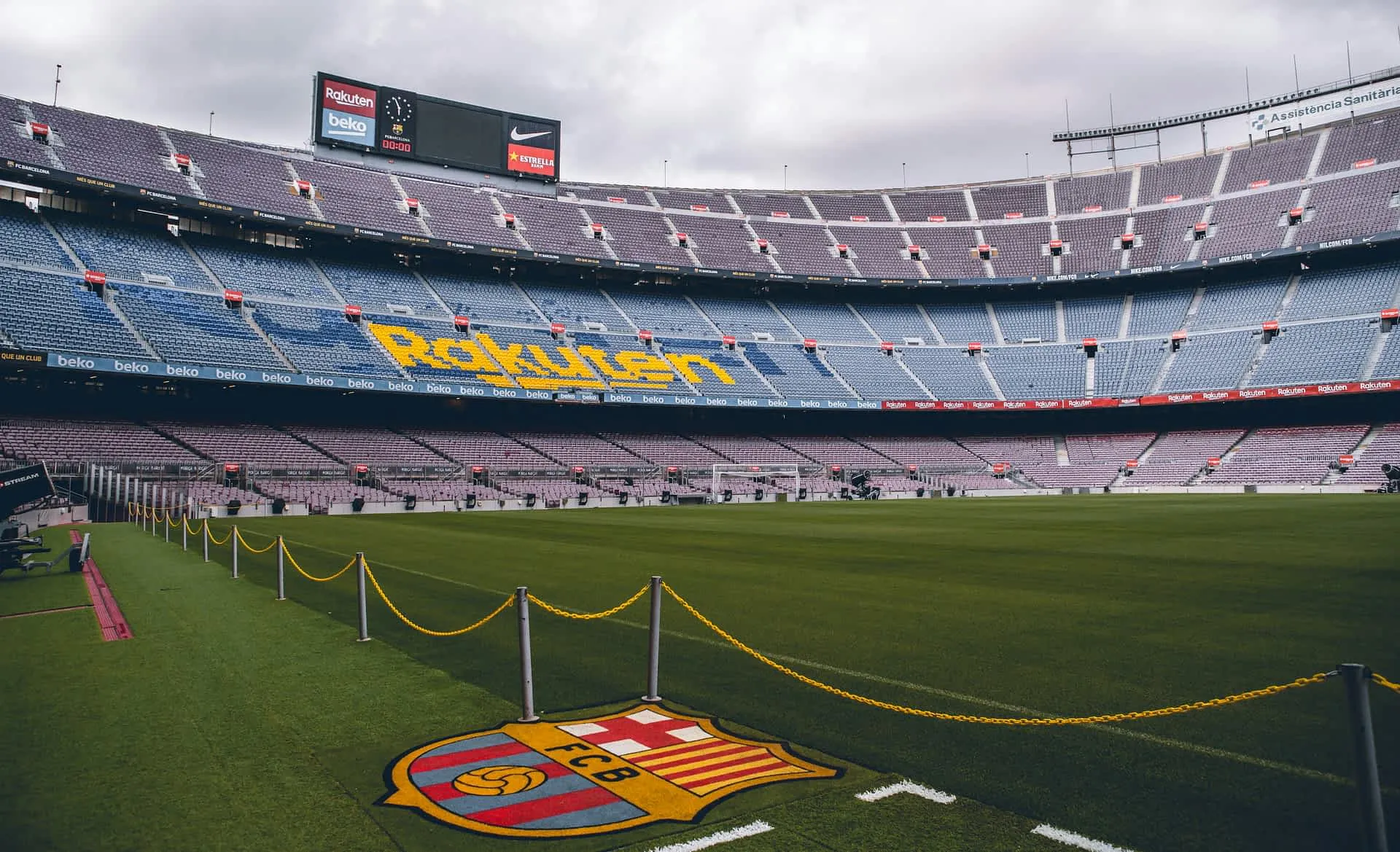
FC Barcelona won five La Liga titles in the last decade. Each championship had its own character. From the attacking brilliance of MSN to Hansi Flick’s young revolution, Barcelona found different ways to win.
In the 2024-25 season, Barcelona emerged as champions, edging past Real Madrid in a competitive title race. This season marked Lamine Yamal's first title with the club. Barcelona secured their 28th title in 2024-25, with Real Madrid finishing as runners-up.
The 2015-16 season showcased the most devastating attack in La Liga history. Messi, Suárez, and Neymar scored 131 goals between them across all competitions. Defenders had no answer.
Luis Enrique built his team around this front three. The tactical approach was simple. Get the ball to MSN and let them destroy opponents. Barcelona played direct, vertical football. They could hurt teams in transition or through patient build-up.
Luis Suárez finished as La Liga top scorer with 40 goals. Messi added 26. Neymar contributed 24. Barcelona accumulated 91 points and finished one point ahead of Real Madrid. The title race went to the final day. Barcelona won at Granada while Real Madrid beat Deportivo La Coruña. Goal difference didn't matter. Barcelona emerged as champions on points.
This was the peak of the MSN partnership. Neymar left for Paris the following summer. Barcelona would not look this dangerous again until years later.
Ernesto Valverde delivered back-to-back La Liga titles with a different approach. His Barcelona teams prioritized control and defensive solidity. The football wasn't always beautiful. But it was effective.
The 2017-18 season brought 93 points. Barcelona lost just one league match all campaign. They finished 14 points ahead of Atletico Madrid. Real Madrid slumped to third place, 17 points behind. Messi scored 34 La Liga goals and dominated from start to finish.
The 2018-19 title came with 87 points. Barcelona secured the championship with three games remaining. Messi again led the charge with 36 goals scored in the league. This would be his final La Liga title at Camp Nou.
Valverde's Barcelona lacked the spark of previous eras. The Champions League collapses against Roma and Liverpool exposed limitations. But domestically, they remained the most successful club in Spain during this period.
Messi's departure in 2021 forced Barcelona to rebuild. It took time. But the club found its way back to the top.
Xavi Hernández returned as manager in November 2021. His first full season delivered the 2022-23 La Liga title. Barcelona finished with 88 points, nine ahead of Real Madrid. Robert Lewandowski arrived from Bayern Munich and scored 23 league goals. Young talents like Pedri and Gavi established themselves as starters. Barcelona looked like a team reborn.
The 2023-24 season brought disappointment. Real Madrid reclaimed the title with 95 points. Barcelona finished second, seven points behind. Questions emerged about Xavi's future. The club needed fresh ideas.
Hansi Flick provided them. The German manager arrived in summer 2024 and transformed Barcelona immediately. His high defensive line and intense pressing created chaos for opponents. Barcelona scored 102 La Liga goals across the season.
Lamine Yamal emerged as the star. The teenage winger won his first La Liga title at just 17 years old. Has Yamal won La Liga before? Yes. The 2024-25 championship marked his first. Many more could follow.
Barcelona finished with 88 points and beat Real Madrid in all four Clásicos. The domestic treble confirmed their return to the elite. Flick achieved in one season what others couldn't in years.
Real Madrid won four La Liga titles in the last decade. Two different managers delivered these championships. Both understood what it takes to succeed at the Bernabéu. Winning is the only currency that matters in Madrid.
Zinedine Zidane became Real Madrid manager in January 2016. Within 18 months, he achieved something remarkable. The 2016-17 season brought both La Liga and the Champions League. No Real Madrid manager had completed this double since the 1950s.
Real Madrid CF finished with 93 points that season. They matched Barcelona's total but won the title on head-to-head record. Cristiano Ronaldo scored 25 league goals. The team showed incredible consistency across both competitions. Zidane rotated his squad brilliantly. Everyone stayed fresh. Everyone stayed hungry.
The 2019-20 title arrived in unusual circumstances. COVID-19 suspended La Liga for three months. When football returned, Real Madrid were two points behind Barcelona. They won every remaining match. Ten straight victories sealed the championship with 87 points.
Sergio Ramos led from the back during this run. His penalties and defensive leadership proved decisive. Zidane's tactical flexibility confused opponents. He shifted between formations based on the opposition. Real Madrid ground out results when needed and attacked when opportunities arose.
Zidane left Real Madrid twice. Both times as a winner. His record speaks for itself.
Carlo Ancelotti returned to Real Madrid in 2021. He had won La Liga with the club before, in 2013-14. His second spell brought two more championships.
The 2021-22 season belonged to Karim Benzema. The French striker scored 27 La Liga goals and won the Ballon d'Or. Real Madrid finished with 86 points, 13 ahead of Barcelona. The title was secured with four matches remaining. Benzema carried the team through crucial moments all season.
How many league titles has Real Madrid won in the last 10 years? Four. The most recent came in 2023-24. Ancelotti's team accumulated 95 points. This stands as the most points Real Madrid have ever achieved in a La Liga season under the three-points-for-a-win system.
Jude Bellingham transformed Real Madrid that year. The English midfielder arrived from Borussia Dortmund and scored crucial goals throughout the campaign. His partnership with Vinícius Júnior created problems for every defence. Real Madrid blended experience and youth perfectly.
Ancelotti managed the squad with calm authority. He trusted his players. They repaid him with consistent performances. Real Madrid remain the most successful club in La Liga history.
Real Madrid's domestic success connects directly to their European dominance. How many UCLs did Real Madrid win since 2000? Six. No other club comes close in this period.
The European Cup victories came in 2002, 2014, 2016, 2017, 2018, and 2022. These triumphs reinforced Real Madrid's status as the biggest club in the world. Players want to join. Sponsors line up. The cycle of success continues.
Continental glory demands squad depth. Real Madrid invested in players who could compete on multiple fronts. This same depth helped them win La Liga titles. The connection between domestic and European success remains strong.
Real Madrid now hold 36 titles in La Liga. Barcelona have 28. The gap has widened over the past two decades. Who has more titles, Barcelona or Real Madrid? Real Madrid lead by eight championships. Their dominance shows no signs of ending.
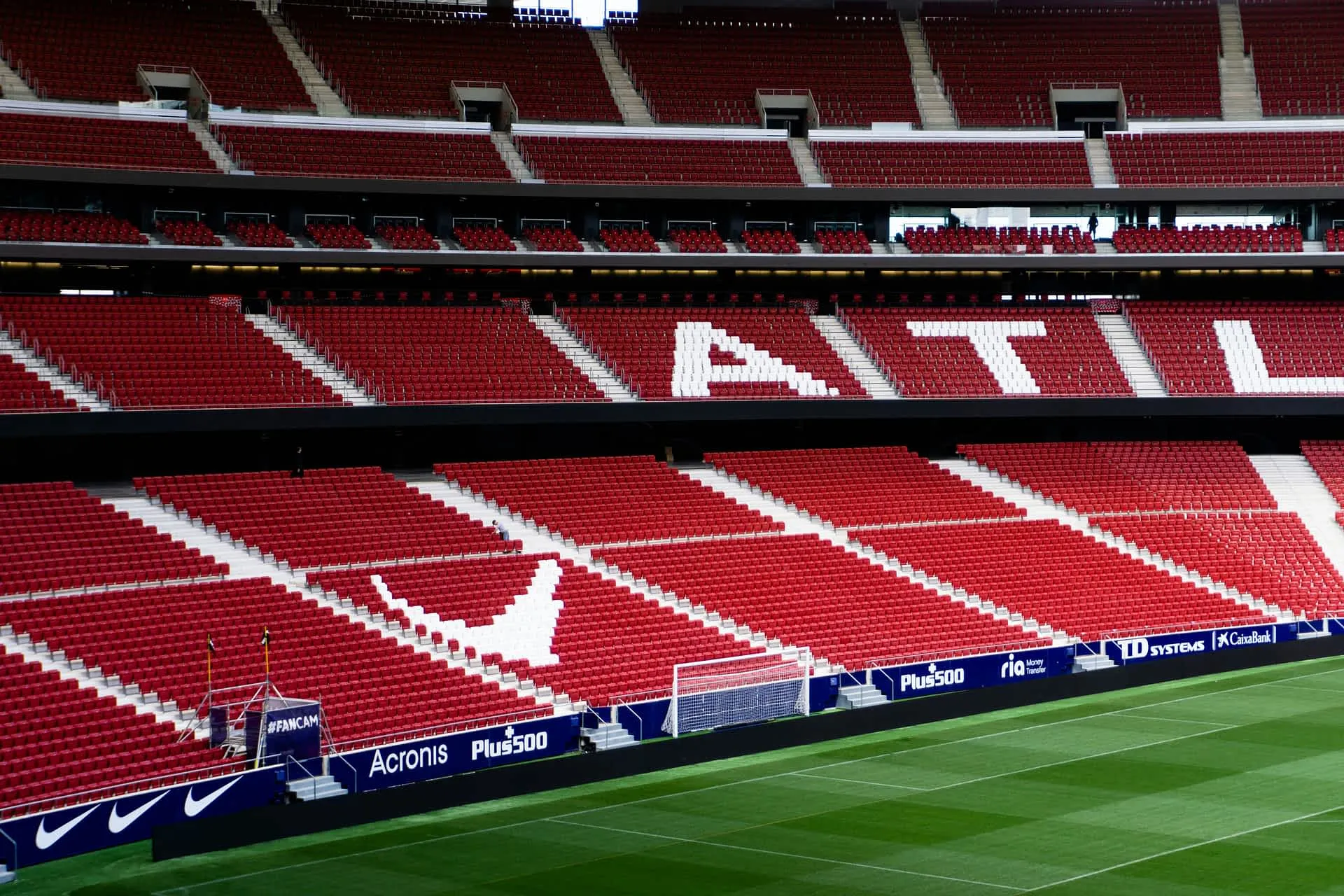
Atletico Madrid have won just one La Liga title in the last decade. But that single championship matters enormously. It proved the duopoly can be broken. Diego Simeone showed what it takes to beat Real Madrid and Barcelona over 38 matches.
The 2020-21 season produced one of La Liga's greatest title races. Atletico Madrid led for most of the campaign. Then they wobbled. Real Madrid and Barcelona closed the gap. Everything came down to the final day.
Atletico travelled to Real Valladolid needing a win. Real Madrid faced Villarreal at home. If Atletico dropped points and Real Madrid won, the title would slip away. The pressure was immense.
Luis Suárez delivered. Barcelona had let him leave the previous summer. They thought he was finished. Suárez scored 21 La Liga goals that season. His strike against Valladolid secured a 2-1 victory. Atletico Madrid were champions with 86 points. Real Madrid finished two points behind.
Simeone built this team around defensive organization. Atletico conceded just 25 goals all season. Only one team in La Liga history had conceded fewer in a title-winning campaign. Jan Oblak dominated his penalty area. The back line held firm week after week.
But this wasn't just about defence. Atletico de Madrid found the right balance. Suárez provided clinical finishing. João Félix offered creativity. Marcos Llorente added energy from midfield. The team had answers for every situation.
Simeone had won La Liga before, in 2013-14. That title also went to the final day. He understands what it takes to sustain a challenge across an entire season. His Atletico Madrid teams never stop fighting. They embody the spirit of their manager.
Atletico Madrid’s success offers a blueprint. But following it requires resources and resilience that most clubs cannot match.
Squad depth separates contenders from pretenders. La Liga runs 38 matches. Add Copa del Rey and European competition. Players get injured. Form fluctuates. Only teams with quality throughout their squad can maintain title challenges. Atletico Madrid had the bench strength to rotate without losing quality.
Mental resilience matters just as much. Real Madrid and Barcelona expect to win. They handle pressure naturally. Challenging them means dealing with constant scrutiny. Every dropped point gets magnified. Simeone’s players showed they could handle this burden. Many other squads have cracked under similar pressure.
Why have other clubs failed? Valencia came close in the early 2000s but lacked the financial power to sustain their challenge. Sevilla have built excellent cup teams but cannot compete over a full league season. Athletic Bilbao’s Basque-only policy limits their recruitment options. Real Sociedad punch above their weight but remain a level below.
The gap is financial as much as sporting. Real Madrid and Barcelona generate revenues that dwarf every other Spanish club. Atletico Madrid have closed this gap through smart recruitment and elite coaching. Unlike other leagues, where tiebreakers are often decided by goal difference or overall points, La Liga uses head-to-head record, a structure that can favor established powers in close title races. Breaking the duopoly requires everything to align perfectly. Simeone made it happen in 2020-21. Doing it consistently remains almost impossible.
La Liga began in 1929 with 10 founding clubs, and FC Barcelona won the inaugural championship.
Nine clubs have won La Liga since 1929. But only three have lifted the trophy in the last two decades. Valencia, Sevilla, Athletic Bilbao, and Real Sociedad once challenged for titles. Espanyol, another historic club, has participated in La Liga throughout its history but has never won the title. Now they fight for Europa League spots. The gap has become a chasm, and clubs are constantly in search of new talent to close it.
Money explains most of the problem. Real Madrid and Barcelona operate in a different financial universe. Their revenues dwarf every other Spanish club.
Real Madrid generated over €800 million in the 2023-24 season. Barcelona weren’t far behind despite their publicized financial struggles. Atletico Madrid sit third in Spain’s money league. After that, the drop-off is severe. Valencia, Sevilla, and Athletic Bilbao generate roughly a quarter of what the big two earn.
Transfer spending reflects this reality. Real Madrid can sign Jude Bellingham for €100 million. Barcelona can afford Lewandowski’s wages. Other clubs sell their best players to survive. When Valencia develop a talent, he leaves. When Sevilla find a gem, bigger clubs come calling.
Wage structures create another barrier. Top players earn €10-15 million annually at Real Madrid or Barcelona. Other clubs cannot match these salaries. Competing for the same targets is impossible. The best Spanish players end up at the same three clubs. Everyone else takes what’s left.
Squad depth suffers most. Valencia might field a competitive starting eleven. But injuries and fixture congestion expose thin squads. In a league of 20 teams, each club must play 38 matches, making significant resources and depth essential. A title challenge requires 20 quality players. Most Spanish clubs have 12 or 13 at best.
The Basque clubs represent Spanish football’s romantic alternatives. Both have proud histories. Both develop excellent players. Neither can realistically win La Liga anymore, especially given how many teams—20 in total—compete in La Liga each season, making it even more challenging for clubs like Athletic Bilbao and Real Sociedad to overcome the depth and resources of bigger clubs.
Real Sociedad have finished in the top six for four consecutive seasons. They qualified for the Champions League in 2023-24. Martin Ødegaard, Mikel Oyarzabal, and Alexander Isak all developed at the club. European qualification now represents their ceiling. Competing with Real Madrid and Barcelona over 38 matches remains beyond reach.
Athletic Bilbao operate under unique constraints. Their Basque-only transfer policy limits recruitment to players from the region. This identity matters deeply to the club and its supporters. But it blocks paths that other clubs can take. Athletic cannot simply buy their way to competitiveness.
Athletic Bilbao last won La Liga in 1983-84. Real Sociedad’s last title came in 1981-82. Both clubs have waited over 40 years. The wait will likely continue. Their models produce consistent mid-table finishes and occasional European adventures. Titles require resources they cannot access.
Girona’s 2023-24 season offered a glimpse of possibility. The Catalan club finished third with 81 points. They qualified for the Champions League for the first time in their history. For one season, they competed with the elite.
Michel’s team played attractive, attacking football. Artem Dovbyk scored 24 goals and won the Pichichi trophy. Girona punched well above their weight. Spanish football celebrated their success.
But sustainability remains the question. Dovbyk left for Roma. Other key players attracted interest from bigger clubs. Girona’s 2024-25 season saw them fighting relegation rather than chasing Europe. The gap between a brilliant season and genuine contention is vast.
La Liga is one of the most prestigious football leagues in the world, bringing together the finest clubs in Spain to compete at the highest level. As a global sport, football’s competitive landscape makes it extremely difficult for new challengers to break the dominance of established teams.
What would a new challenger need? First, exceptional coaching that maximizes limited resources. Second, a recruitment strategy that finds value others miss. Third, stability over multiple seasons to build momentum. Fourth, luck with injuries at crucial moments. Finally, Real Madrid and Barcelona would both need poor campaigns simultaneously.
It happened for Atletico Madrid in 2020-21. Every factor aligned. Expecting this regularly from other clubs ignores reality. The Spanish league structure favours the established powers. Breaking through requires near-perfection. Sustaining that level is almost impossible.
Three clubs have won La Liga in the past 20 years. Real Madrid claimed nine titles. FC Barcelona won eleven. Atletico Madrid took two championships, in 2013-14 and 2020-21. No other club has won the Spanish league since Valencia in 2003-04.
Barcelona have won 12 La Liga titles since 2000. Their championships came in 2004-05, 2005-06, 2008-09, 2009-10, 2010-11, 2012-13, 2014-15, 2015-16, 2017-18, 2018-19, 2022-23, and 2024-25. The Messi era delivered most of these trophies.
Real Madrid have won four La Liga titles in the last 10 years. Zinedine Zidane delivered championships in 2016-17 and 2019-20. Carlo Ancelotti added two more in 2021-22 and 2023-24. Real Madrid remain the most successful club in Spanish football history.
Yes. Two teams have reached 100 points in La Liga. Real Madrid achieved this in 2011-12 under José Mourinho. Barcelona matched the record in 2012-13 under Tito Vilanova. Both campaigns produced extraordinary consistency across 38 matches.
Yes. Lamine Yamal won his first La Liga title in 2024-25. The teenage winger played a crucial role in Barcelona's championship under Hansi Flick. At just 17, he became one of the youngest players to win the Spanish league. Many more titles could follow.
Real Madrid have more La Liga titles than Barcelona. The current count stands at 36 titles for Real Madrid versus 28 for Barcelona. Real Madrid lead by eight championships in the all-time standings.
Real Madrid have won six Champions League titles since 2000. Their European Cup victories came in 2002, 2014, 2016, 2017, 2018, and 2022. No other club has matched this level of continental dominance in the modern era.
Yes. La Liga winners receive the championship trophy at the end of the season. The current trophy was introduced in 2008. Champions also receive a small replica to keep permanently. The presentation typically takes place after the final home match of the season.
Real Madrid have the most La Liga titles with 36 championships. Barcelona sit second with 28 titles. Atletico Madrid hold third place with 11. Athletic Bilbao have won eight titles. For the complete breakdown, see our guide on most la liga titles.
Nine clubs have won La Liga since the competition began in 1929. Real Madrid lead with 36 titles. Barcelona have 28. Atletico Madrid have 11. Athletic Bilbao won eight championships. Valencia claimed six titles. Real Sociedad have two. Deportivo La Coruña, Sevilla, and Real Betis each won the league once. For the complete history, check our full la liga winners list.

Julian Mercer is a lifelong student of the game whose passion for football was sparked at an early age, after stepping onto the grass of Camp Nou as a six-year-old — a moment that left a lasting impression and set him on a permanent path into the sport. Since then, football has been both his lens on the world and his favourite language. Blending traditional fandom with a deep interest in tactics, squad building, and long-term team development, Julian has spent decades analysing the game from every angle. His fascination with football strategy was further shaped through years of immersive play in Football Manager, a series he has followed since the mid-1990s, developing a sharp eye for patterns, player profiles, and the fine margins that define success. At My World Of Football, Julian focuses on the stories beneath the surface — from tactical evolutions and managerial philosophies to the narratives that connect clubs, players, and supporters across generations. His writing aims to balance insight with accessibility, always grounded in a genuine love for the game.
Continue reading more football news