Lionel Messi World Cup records: 2026 history chase
Lionel Messi World Cup records are in sight at World Cup 2026: sixth tournament, Klose’s goal mark, assist feats, and Argentina’s title defense.
Lionel Messi World Cup records are in sight at World Cup 2026: sixth tournament, Klose’s goal mark, assist feats, and Argentina’s title defense.
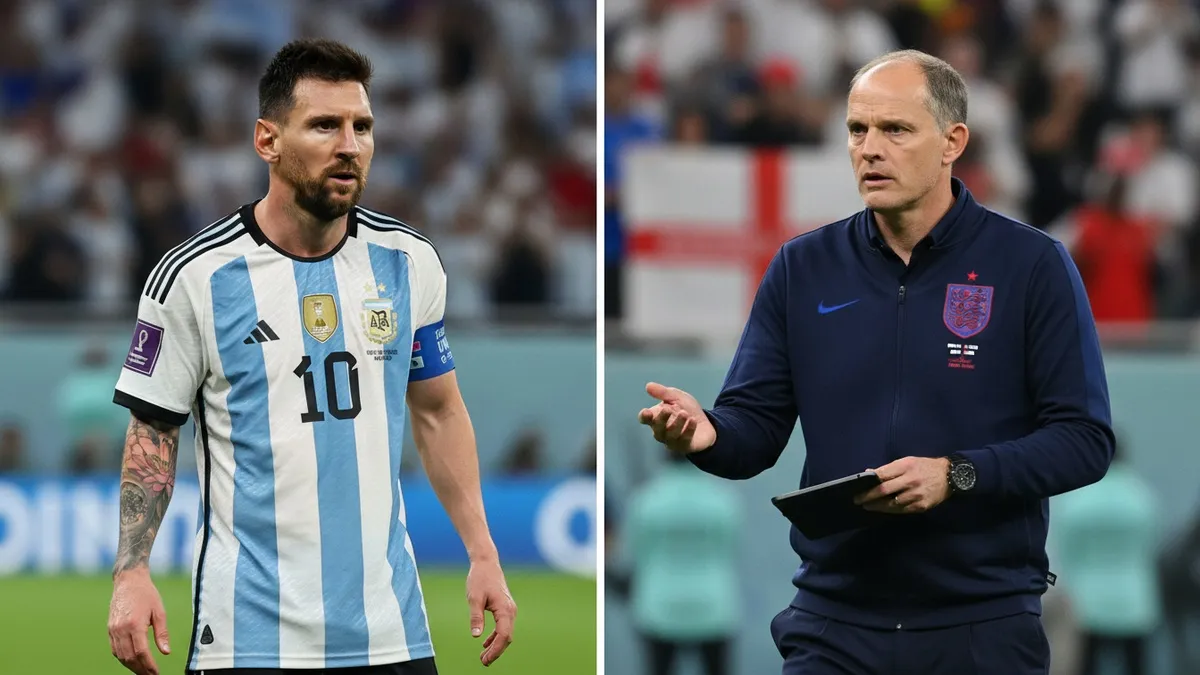
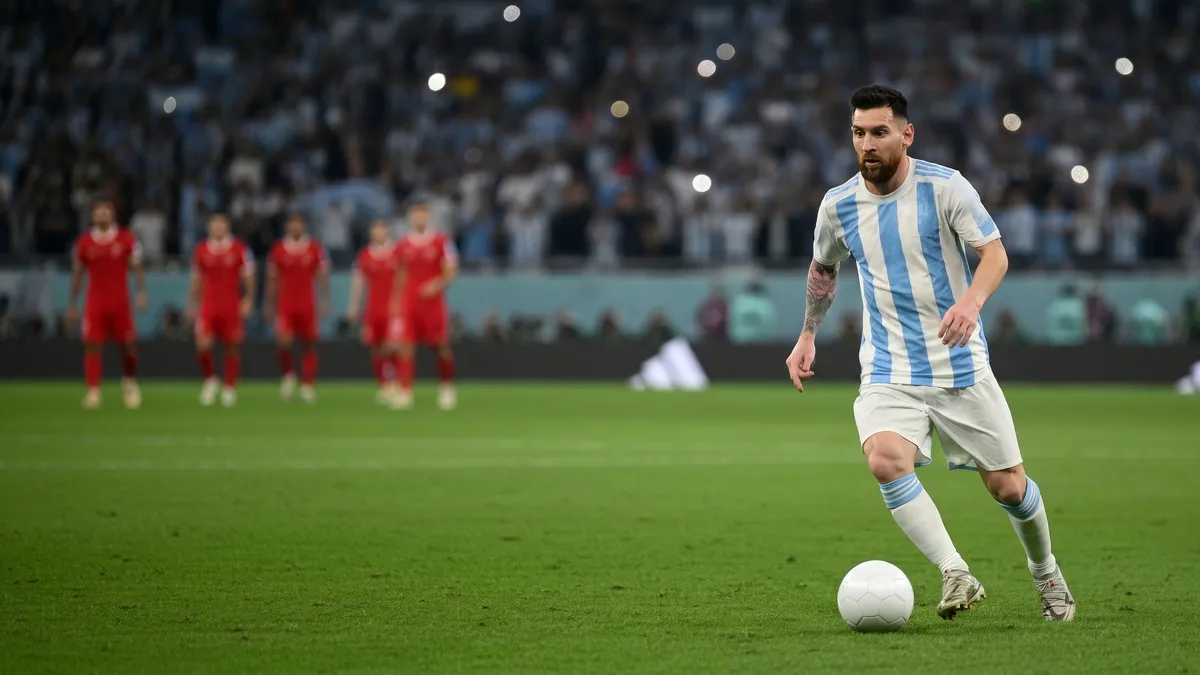
Lionel Messi is heading toward the kind of footballing horizon that usually belongs to myth, not match schedules. At World Cup 2026, Argentina’s captain could become the first man to appear at six men’s World Cups, stretching a career that began in the Barcelona glare into a new decade of global spotlight. The Lionel Messi World Cup records conversation is no longer about what he has done, but what he can still rewrite. With Argentina opening against Algeria on June 16, the next chapter arrives fast.
The most striking line on Messi’s 2026 résumé is the simplest: six World Cups would be unprecedented in the men’s game. That single fact would instantly expand the Lionel Messi World Cup records portfolio, because longevity at this level is a skill, not a coincidence. The physical load of international football, plus the tactical demands of knockout tournaments, usually trims careers before they reach a sixth edition. Messi, however, keeps finding ways to stay decisive.
There is also context around the timing, because World Cup 2026 brings a new format and a different rhythm. More teams and more games can mean more opportunities, but also more moments where legs and minds are tested. For Messi, that balance is the heart of the Lionel Messi World Cup records chase: adding history without losing sharpness. Argentina’s staff will manage his minutes, yet the tournament still tends to pull him into the center.
Six World Cups is not merely a number for collectors; it is an argument about sustained excellence across eras. Messi would have competed against different tactical trends, different defensive interpretations, and different generations of rivals, all while remaining the focal point. That is why Lionel Messi World Cup records matter to fans: they reflect adaptability as much as talent. It is also why comparisons to other icons become unavoidable when the calendar turns to June.
Longevity always invites name-checks, and Cristiano Ronaldo remains the most obvious contemporary yardstick for endurance and ambition. Guillermo Ochoa’s own World Cup journey has shown how rare repeated selections are, even for specialists in one position. Yet Messi’s pursuit is unique because he carries both creative responsibility and scoring expectation. The Lionel Messi World Cup records narrative sits at the intersection of durability and dominance, where few careers can even enter the conversation.
Defending a World Cup is football’s most brutal assignment, because the champions become everyone’s benchmark and everyone’s target. Argentina will arrive with the confidence of winners, but also with the exhausting reality that every opponent will treat them like a final. That environment shapes the Lionel Messi World Cup records story, because personal milestones tend to grow louder when the team is expected to repeat. Messi has already lived that noise for years.
Back-to-back World Cups are rare, and that rarity is exactly why Argentina’s campaign feels so charged. The squad has matured around Messi, with a spine that understands tournament management and the emotional swings of knockout football. Still, the margin between celebration and heartbreak is tiny, particularly when the bracket tightens. If Argentina go deep again, Lionel Messi World Cup records will be collected in the most meaningful currency: wins under pressure.
Argentina’s modern identity is not simply “Messi and hope,” but a more balanced system that protects him and amplifies him. Midfield legs can close spaces, full-backs can provide width, and the front line can share the running so Messi can choose his moments. That tactical support matters in the Lionel Messi World Cup records hunt, because it creates the conditions for him to deliver final passes and late-box arrivals. The best records are usually built on smart team design.
Captaining a defending champion is different from captaining a challenger, because the jersey comes with a gold badge and a psychological target. Messi’s leadership has shifted from youthful urgency to calm command, and that calm can stabilize a squad when games turn chaotic. It also frames Lionel Messi World Cup records as more than personal glory, because every milestone will be measured against whether Argentina still look like champions. In 2026, the story is legacy under expectation.
The headline statistic that hooks casual fans is the scoring chart, and Messi is close enough to touch the summit. With 13 World Cup goals already, he is within striking distance of Miroslav Klose’s benchmark, a mark that has stood as the tournament’s scoring north star. That proximity turns every group match into a potential record moment, and it intensifies the Lionel Messi World Cup records drumbeat. One clean finish can change the history books.
Yet Messi’s World Cup scoring has never been a straight line, and that’s what makes it compelling. He has scored in different ways across different tournaments: solo runs, placed finishes, penalties, and late dagger goals that carry narrative weight. The Lionel Messi World Cup records debate often forgets that his role has varied, sometimes as a creator first and other times as the primary finisher. World Cup 2026 could blend those identities again.
World Cup 2026 could offer more matches for teams that go deep, which naturally expands the chance to climb scoring lists. But more games also mean more physical wear, and the best defenders still show up when trophies are on the line. If Messi passes Klose, Lionel Messi World Cup records will gain a headline that even non-football audiences recognize. The key, though, is that the goal chase cannot distract from Argentina’s need for ruthless efficiency.
Whenever Messi approaches a historical summit, Cristiano Ronaldo’s achievements become part of the atmosphere, whether either player asks for it or not. Their careers have trained fans to watch records like a live scoreboard, and major tournaments magnify that instinct. The Lionel Messi World Cup records story will be compared to Ronaldo’s tournament output, leadership style, and clutch moments. It is a rivalry by reflection now, one that keeps both legacies in constant public dialogue.
Goals sell posters, but assists reveal a player’s control over matches, and Messi’s creative footprint is as historic as his finishing. He holds the unique distinction of registering assists across five different World Cups, a marker of sustained playmaking that few can match. That detail belongs at the center of Lionel Messi World Cup records because it shows how he influences games even when he doesn’t score. In tight tournament football, one disguised pass can be the difference.
Assist numbers also capture the way Messi reads pressure, because World Cup defenses often sit deeper and dare stars to force impossible shots. Messi’s best response has been patience: drawing bodies, shifting angles, then slipping a teammate in at the exact moment the line breaks. The Lionel Messi World Cup records file is thick with those sequences, where the crowd rises before the ball even arrives. In 2026, Argentina’s runners will again live off that timing.
Football has changed dramatically since Messi’s first World Cup, with pressing schemes, compact blocks, and data-driven scouting all rising in sophistication. Yet his passing output has remained relevant because it is built on fundamentals that don’t expire: first touch, balance, and the ability to disguise intent. That is why Lionel Messi World Cup records in assists feel timeless rather than era-dependent. Even when opponents know what he wants, they still struggle to stop it.
Messi’s education at FC Barcelona shaped his relationship with space, especially the habit of turning small pockets into big advantages. The positional patterns, quick combinations, and third-man runs he mastered in club football have repeatedly reappeared in Argentina’s best World Cup moments. When fans talk about Lionel Messi World Cup records, they are often describing Barcelona principles translated onto the biggest international stage. It is a reminder that style can travel, even when teammates change.
World Cups often come down to the most uncomfortable football imaginable: penalties, where the stadium holds its breath and reputations swing on one strike. Messi’s tournament history includes participation in multiple shoot-outs, adding another layer to Lionel Messi World Cup records that isn’t captured by open-play highlights. These are the moments where leadership becomes visible, because the captain’s body language can settle or shake a lineup. In 2026, Argentina may again need that calm.
Penalty drama also reframes what “greatness” looks like, because it is less about artistry and more about emotional control. Messi’s approach has evolved with age, leaning on routine and clarity rather than improvisation, and that evolution mirrors Argentina’s broader shift into a more resilient tournament team. The Lionel Messi World Cup records conversation gains depth when it includes these pressure tests, because they are the scenes that define champions. One shoot-out can become a nation’s memory.
Teams that have survived shoot-outs often carry a subtle advantage: they don’t panic when a match stalls into tension. Argentina’s recent tournament experiences have given them that hardened edge, and Messi’s presence is central to it because he sets the emotional temperature. Lionel Messi World Cup records include not only numbers but also a portfolio of high-stakes minutes that younger squads haven’t lived. In 2026, that psychological muscle could be as valuable as any tactical plan.
Penalty shoot-outs are also where goalkeepers become national heroes, and Guillermo Ochoa’s reputation under pressure illustrates how one player can bend a tournament’s storyline. For Messi, facing elite keepers is part of the Lionel Messi World Cup records journey, because breaking records often requires beating specialists at their own craft. The duel is part technique, part nerve, part study, and part bluff. If Argentina meet a shoot-out again, the margins will be microscopic.
Every World Cup campaign begins with a match that sets the mood, and Argentina’s opener against Algeria on June 16 will carry extra electricity. It is the first chance for Messi to turn the Lionel Messi World Cup records talk into something tangible, whether that’s a goal, an assist, or simply a performance that signals he is ready for another long run. Openers can be awkward, but they also offer a clean slate. Argentina will want control early.
Algeria, like many underdogs, will likely approach the match with compact discipline and a readiness to counter, forcing Argentina to break lines rather than sprint into space. That challenge can suit Messi, who thrives when defenders over-commit and passing lanes appear for a split second. Lionel Messi World Cup records often grow in precisely these games, where patience becomes a weapon and one moment decides everything. The opener is less about style and more about certainty.
A convincing first result is not just three points; it is a message to the rest of the tournament that the champions have arrived. Argentina’s best World Cup runs have been built on rhythm, and rhythm starts with a group-stage performance that removes doubt. If Messi contributes early, Lionel Messi World Cup records will feel alive from day one rather than a late-tournament subplot. For a defending champion, the psychological value of an early statement is enormous.
The delicate balance for Argentina is keeping Messi’s milestones in the background while the collective mission stays loud. Teammates will know the numbers, fans will chant them, and broadcasters will count them down, but the dressing room must treat them as a byproduct of winning. Lionel Messi World Cup records have always mattered most when attached to progress, not distraction. If Argentina can keep that perspective, the tournament can serve both history and hardware.
World Cup 2026 is shaping up as a rare intersection of time, talent, and opportunity, with Messi standing at the center of it all. The possibility of a sixth tournament, the chase for the scoring summit, and the continuation of his assist legacy combine into a single, rolling storyline that will follow Argentina from the group stage onward. Lionel Messi World Cup records will be tracked in every touch, yet the ultimate verdict will still be the oldest one in football: did the champions win again? Starting against Algeria on June 16, we’re about to find out.

Julian Mercer is a lifelong student of the game whose passion for football was sparked at an early age, after stepping onto the grass of Camp Nou as a six-year-old — a moment that left a lasting impression and set him on a permanent path into the sport. Since then, football has been both his lens on the world and his favourite language. Blending traditional fandom with a deep interest in tactics, squad building, and long-term team development, Julian has spent decades analysing the game from every angle. His fascination with football strategy was further shaped through years of immersive play in Football Manager, a series he has followed since the mid-1990s, developing a sharp eye for patterns, player profiles, and the fine margins that define success. At My World Of Football, Julian focuses on the stories beneath the surface — from tactical evolutions and managerial philosophies to the narratives that connect clubs, players, and supporters across generations. His writing aims to balance insight with accessibility, always grounded in a genuine love for the game.
Continue reading more football news