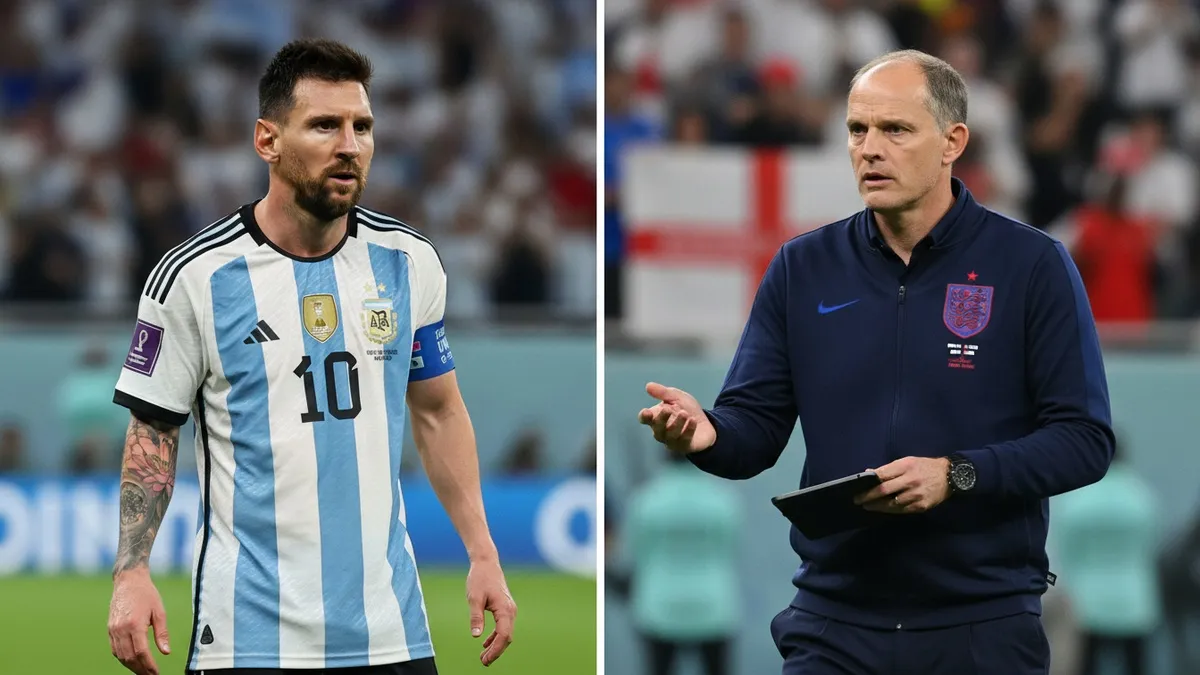
Luis Enrique Defends Brahim Diaz's AFCON Penalty Miss
Luis Enrique supports Brahim Diaz after his AFCON penalty miss against Senegal. Ramos shares insights on pressure and resilience.
Luis Enrique supports Brahim Diaz after his AFCON penalty miss against Senegal. Ramos shares insights on pressure and resilience.
In a dramatic twist during the AFCON final, Brahim Diaz's penalty miss became the focal point of an intense match between Morocco and Senegal. Paris Saint-Germain's manager Luis Enrique has emerged as a staunch defender of the young player, highlighting the psychological pressure he faced. While Morocco's hopes were dashed with a 1-0 loss, the incident has sparked a broader conversation about the expectations placed on young athletes in high-stakes games.
Luis Enrique, known for his astute observations, empathized with Brahim Diaz's situation, emphasizing the immense psychological burden he bore. The AFCON final presented Diaz with a daunting task, as he stood ready to take a crucial penalty amidst a cacophony of expectations and nerves. Enrique articulated that such moments can define careers, often unfairly skewed by a single outcome.
The AFCON final was a stage where every move was amplified, and Brahim Diaz was no exception. Luis Enrique, with his wealth of experience, understood the heavy expectations young players like Diaz endure. The manager highlighted that such pressure-cooker scenarios could either break or build a player's career, urging the football community to offer support rather than criticism.
Luis Enrique called for compassion and patience, reminding fans and pundits alike that football is not just about results. He urged a focus on the process and growth of young talents like Diaz. Enrique's defense was not just about a missed penalty, but a broader appeal for empathy in a sport often dominated by instant judgment.
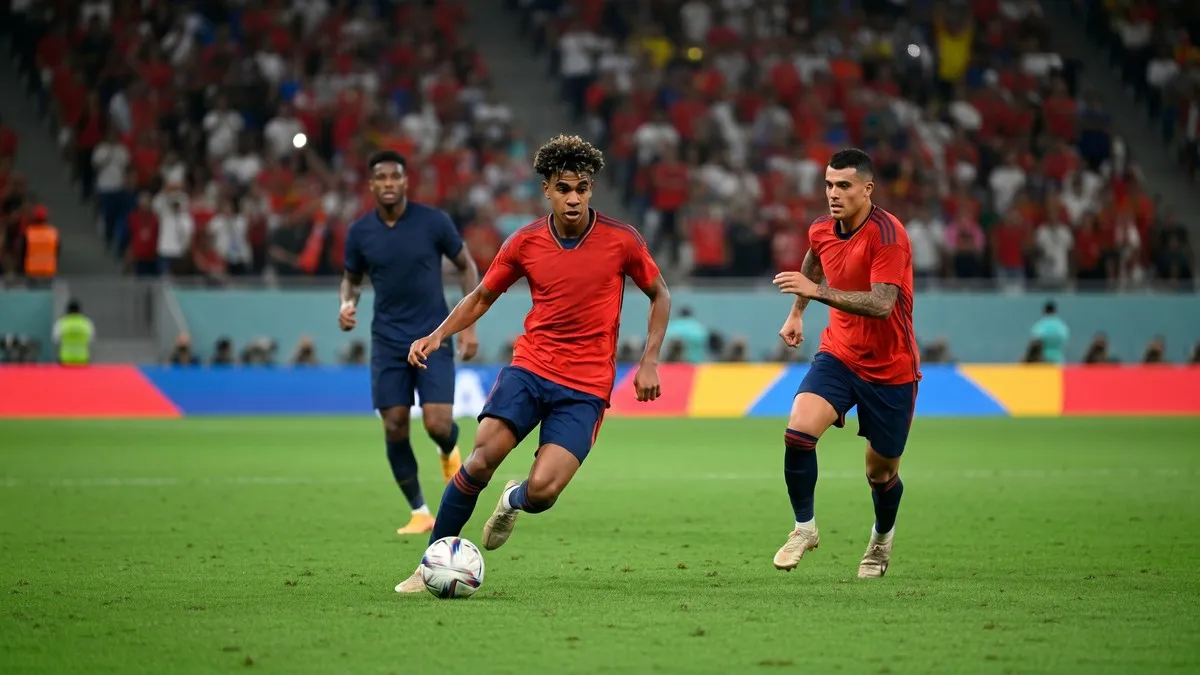
The AFCON final between Morocco and Senegal was a gripping contest, with Senegal emerging victorious by a narrow margin. The match was a testament to the intensity and drama that international football brings. Brahim Diaz's penalty miss was a pivotal moment, overshadowing the tactical brilliance and individual performances that characterized the game.
Senegal's strategic gameplay ultimately gave them the upper hand in the AFCON final. Their resilience and well-coordinated defense kept Morocco's attacks at bay, demonstrating why they are one of Africa's top teams. The match was a showcase of tactical acumen, with Senegal executing their game plan to perfection.
Morocco, despite their loss, displayed moments of brilliance that could have turned the game in their favor. Brahim Diaz's penalty miss was one of several opportunities where Morocco could have changed the outcome. The team showed promise, but the final highlighted the fine margins that separate victory from defeat in football.
Sergio Ramos, renowned for his leadership and experience, extended his support to Brahim Diaz following the AFCON final. Ramos, who has faced similar pressures in his illustrious career, shared insights on handling such situations. His words were a reminder that even seasoned players understand the challenges of critical moments.
Sergio Ramos has been in Brahim Diaz's shoes, facing high-stakes penalties that could alter the course of a match. Drawing from his own experiences, Ramos emphasized the importance of resilience and learning from setbacks. His support for Diaz was not just empathetic but also educational, offering guidance to navigate future challenges.
Ramos highlighted football's unique ability to offer chances for redemption. A missed penalty is not the end but an opportunity to grow stronger. His encouragement to Diaz was a testament to the sport's emphasis on perseverance and the potential for comebacks. Ramos's words were a beacon of hope for young players facing similar pressures.
The Panenka penalty, a blend of audacity and skill, has a storied reputation in football. Brahim Diaz's attempt during the AFCON final was met with mixed reactions, exemplifying the fine line between genius and folly. The technique has been celebrated and criticized, depending on its execution, making it a topic of ongoing debate.
The Panenka technique has seen moments of glory and despair, with legendary players both succeeding and failing. Its history is filled with iconic goals and infamous misses, illustrating the high stakes involved. Brahim Diaz's attempt adds to this narrative, reminding us of the inherent risks and rewards of such bold moves.
The Panenka is as much a psychological battle as it is a physical one. The decision to attempt this technique is a mental gamble, challenging both the player and the goalkeeper. For Brahim Diaz, the pressure of the AFCON final added another layer of complexity, highlighting the mental fortitude required to execute it successfully.
The incident with Brahim Diaz has ignited discussions about the pressures young athletes face in modern football. The expectations are immense, with young players thrust into the spotlight early in their careers. This AFCON final serves as a case study in the psychological challenges that come with playing at the highest level.
Young athletes like Brahim Diaz must navigate the demands of immediate success and long-term development. The football world often prioritizes results, sometimes at the expense of a player's growth. Diaz's penalty miss highlights the need for a balanced approach, where support systems are in place to foster talent and resilience.
Mentorship from experienced players and managers is crucial in supporting young talents. Figures like Luis Enrique and Sergio Ramos play a vital role in guiding emerging players through challenging times. Their influence can help mitigate the pressures and foster an environment where young athletes can thrive without fear of failure.
Resilience is a cornerstone of football, where setbacks are an inevitable part of the journey. Brahim Diaz's experience during the AFCON final is a reminder of the sport's unpredictability. However, it is also an opportunity to cultivate resilience, turning adversity into a stepping stone for future success.
Football is replete with stories of redemption, where players have overcome initial failures to achieve greatness. Brahim Diaz's journey is just beginning, and his AFCON penalty miss could be the catalyst for personal and professional growth. The path to redemption is paved with determination and perseverance, key attributes for any aspiring footballer.
Mental toughness is essential for players facing the pressures of modern football. Brahim Diaz's experience highlights the importance of psychological resilience in navigating high-pressure situations. Building mental strength is a continuous process, requiring support, mentorship, and self-reflection to thrive at the highest levels of the sport.
In conclusion, Brahim Diaz's penalty miss during the AFCON final has sparked a multifaceted discussion within the football community. With support from figures like Luis Enrique and Sergio Ramos, Diaz is poised to learn and grow from this experience. The incident underscores the complexities of modern football, where resilience, mentorship, and mental toughness play crucial roles in shaping the careers of young athletes.

Julian Mercer is a lifelong student of the game whose passion for football was sparked at an early age, after stepping onto the grass of Camp Nou as a six-year-old — a moment that left a lasting impression and set him on a permanent path into the sport. Since then, football has been both his lens on the world and his favourite language. Blending traditional fandom with a deep interest in tactics, squad building, and long-term team development, Julian has spent decades analysing the game from every angle. His fascination with football strategy was further shaped through years of immersive play in Football Manager, a series he has followed since the mid-1990s, developing a sharp eye for patterns, player profiles, and the fine margins that define success. At My World Of Football, Julian focuses on the stories beneath the surface — from tactical evolutions and managerial philosophies to the narratives that connect clubs, players, and supporters across generations. His writing aims to balance insight with accessibility, always grounded in a genuine love for the game.
Continue reading more football news