Manchester City title race: Guardiola’s no-mistake warning
After a Real Madrid defeat, Pep Guardiola says Manchester City must beat West Ham to keep the Manchester City title race alive with Arsenal seven ahead.
After a Real Madrid defeat, Pep Guardiola says Manchester City must beat West Ham to keep the Manchester City title race alive with Arsenal seven ahead.
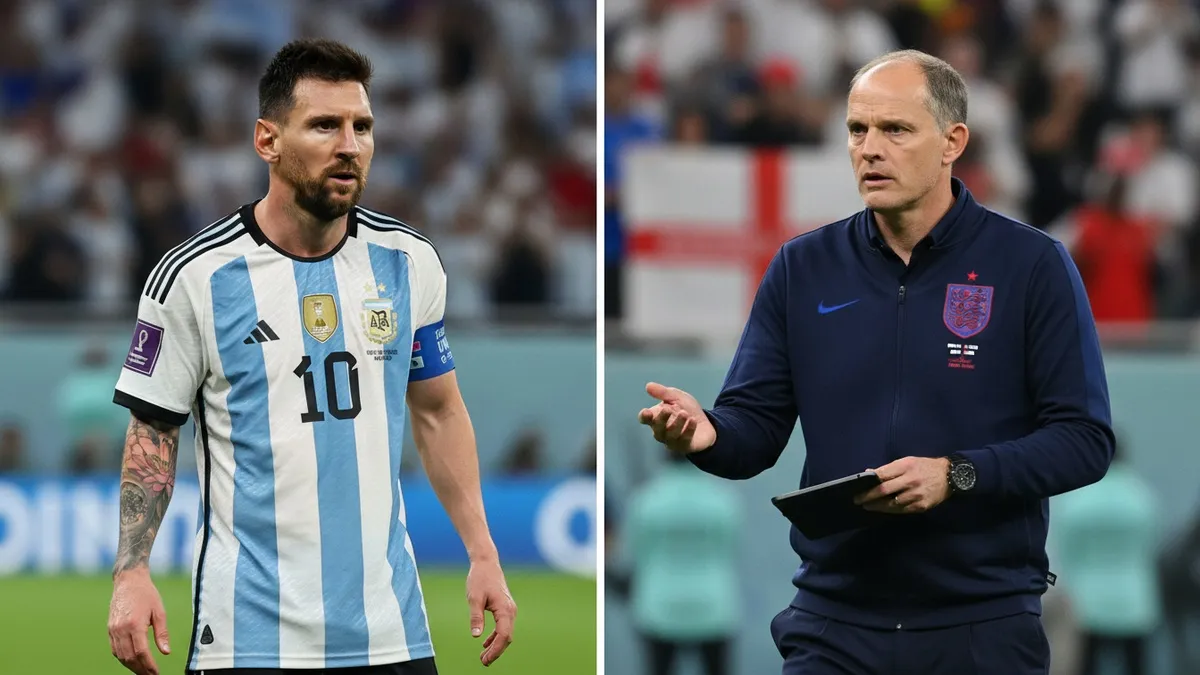
Manchester City walked off after a jolting 3-0 loss to Real Madrid, and the scoreline felt like more than a European bruise—it sounded an alarm for the Manchester City title race. Pep Guardiola didn’t dress it up as “one bad night,” because the calendar doesn’t allow it, with West Ham United next and Arsenal holding a seven-point lead. City have already blinked with a draw at Nottingham Forest, and the manager’s message is blunt: respond now, or watch the chase end.
The Real Madrid defeat wasn’t simply a tactical setback; it was a punch to City’s identity, the kind that makes even a dominant side question its timing and spacing. Guardiola’s teams live on control, yet Madrid turned City’s possession into a trap and punished the moments City usually survive. That’s why the Manchester City title race suddenly feels fragile, because the same sloppiness that costs you in Europe can quietly cost you on a cold Premier League weekend.
Guardiola’s post-match tone carried an edge, the sort reserved for periods when he senses standards drifting. He spoke about urgency and consequences, not to dramatise but to clarify that there are no second chances in April and May. When you’re chasing an Arsenal lead, every match becomes a final, and the Manchester City title race becomes a weekly referendum on mentality. West Ham, fighting for their lives, won’t offer a gentle reset.
Guardiola has always used defeats as teaching tools, but this time he framed it as a deadline rather than a lesson plan. The message to the dressing room is that the Manchester City title race cannot wait for confidence to return naturally; it must be seized through performance. He wants sharper duels, faster recoveries, and a ruthless edge in both boxes, because title chases punish hesitation. West Ham is the test where talk becomes proof.
European nights drain more than legs; they drain concentration, and that’s where the Premier League is merciless. A team can dominate for 70 minutes and still lose points if one transition is misread, and City have shown those cracks recently. In the Manchester City title race, the margin is thinner because Arsenal set a relentless pace, so any emotional dip after the Real Madrid defeat becomes a competitive advantage for everyone else.
West Ham United’s situation adds a distinct edge to this fixture, because relegation battles create their own kind of clarity. When survival is on the line, teams defend with extra bodies, run through cramps, and treat set pieces like lottery tickets that must be bought. That intensity collides with the Manchester City title race, where City need calm execution, not chaos. Guardiola knows the stadium atmosphere can turn every throw-in into a mini-crisis.
From City’s perspective, this is the type of match that defines champions more than glamorous headliners do. You can’t win the Premier League without navigating ugly away days against desperate opponents, especially when your rivals are stacking wins. The Manchester City title race demands three points, but it also demands authority: early control, a lead that forces West Ham to open up, and the discipline to avoid gifting belief through cheap turnovers.
Even when West Ham are struggling, Moyes’ teams tend to know what they want: defensive compactness, physical duels, and direct attacks that bypass midfield risk. Against City, that often means conceding territory but contesting the moments that matter, particularly corners and second balls. For the Manchester City title race, those are danger zones, because one conceded set piece can erase 60 minutes of dominance and turn the match into a scrap.
Relegation-threatened crowds can be tense, but they can also become ferocious when they sense vulnerability. If City start slowly, the noise rises, the tackles fly in, and West Ham’s belief grows with every blocked cross. Guardiola’s side must manage the emotional temperature, because the Manchester City title race is as much about composure as quality. An early goal quiets the ground; a careless concession ignites it.
The draw against Nottingham Forest is the kind of result that looks small in isolation but huge in a title chase defined by fine margins. City had chances, had territory, and still dropped points, which is exactly what Arsenal have avoided for long stretches. In the Manchester City title race, those moments become the difference between “pressure” and “catching up.” Guardiola’s frustration comes from knowing the pattern: dominance without the killer blow.
That Forest match also revealed a subtle issue: City’s control can become sterile if the tempo drops and opponents settle into their defensive shape. When the ball moves slowly, blocks slide comfortably, and City’s final pass becomes predictable. The Manchester City title race requires variety—cut-backs, shots from the edge, aggressive runs beyond the line—because opponents will happily accept 70% possession if it stays in front of them. West Ham will offer the same invitation.
A seven-point Arsenal lead isn’t just arithmetic; it changes how every City match feels. The chasers don’t only need to win, they need to win while looking convincing, because doubt spreads quickly in a squad used to leading from the front. The Manchester City title race becomes a weekly stress test, where one draw can feel like a defeat and one defeat can feel terminal. That’s why Guardiola’s language is so absolute.
City’s dropped points have often come from two sources: transitional moments and finishing that doesn’t match the volume of chances created. Guardiola will demand better counter-pressing structure, particularly around the full-back zones, and more decisive actions inside the box. In the Manchester City title race, you can’t rely on late surges every week, because opponents learn to waste time, slow momentum, and cling to hope. Efficiency is the cure.
Kevin De Bruyne remains City’s most natural accelerator, the player who can turn a safe possession spell into a chance with one disguised pass. After the Real Madrid defeat, City need that edge more than ever, because West Ham will sit deep and wait for mistakes. In the Manchester City title race, De Bruyne’s value isn’t only assists; it’s the way he forces defenders to turn and run, creating panic that static circulation never produces.
Guardiola must also manage De Bruyne’s minutes and intensity, because the schedule and the stakes can tempt overuse. Yet this is the moment when leaders take responsibility, and De Bruyne has always been at his best when the game needs personality. The Manchester City title race asks for players who demand the ball when the crowd is hostile and the opponent is stubborn. If City score early, it may be because De Bruyne refused to let the match drift.
West Ham’s compact shape aims to deny central access, but De Bruyne thrives by appearing in half-spaces at awkward angles. If City can pin West Ham’s full-backs deep with wide threats, De Bruyne can receive between the lines and slide passes across the face of the defence. That pattern is crucial to the Manchester City title race, because it creates high-quality chances rather than hopeful crosses. The key is quick support runs to meet his service.
After a 3-0 defeat, the first 15 minutes of the next match are about emotional repair as much as tactics. De Bruyne’s role is to keep standards high: demand sharper pressing triggers, insist on quicker ball speed, and show teammates that anxiety can’t dictate choices. In the Manchester City title race, leadership is often invisible in highlights, but it’s audible in moments when a team could panic. City need that calm authority at West Ham.
Erling Haaland is judged on goals, and in a title chase that’s fair, because the striker’s conversion rate can turn pressure into points. Against deep defences, City sometimes create chances that are half-chances, and Haaland’s job is to make them count anyway. In the Manchester City title race, a single clinical finish can change the entire afternoon: it forces West Ham to chase, opens spaces, and reduces the risk of a late sucker punch.
Yet Haaland’s impact isn’t limited to the penalty area, especially in matches where City need to keep opponents pinned back. His runs occupy centre-backs, his physicality wins second balls, and his presence changes how teams defend set pieces. Guardiola will want Haaland to be aggressive without becoming frustrated if early service is limited. The Manchester City title race often rewards patience, but it punishes passivity, and Haaland must embody the difference.
When City’s wide players hesitate, Haaland becomes isolated, and opponents can defend him with numbers. The solution is sharper delivery zones: low crosses, cut-backs from the byline, and early balls behind a stepping defensive line. In the Manchester City title race, creating those patterns consistently is essential, because opponents like West Ham will happily block central lanes all day. City must stretch the pitch, then attack the gaps with conviction.
Not every title-winning goal is pretty, and Haaland can be the difference in scrappy moments when a match refuses to open up. A corner, a recycled cross, or a loose ball in the six-yard box can decide the day, especially away from home. The Manchester City title race may come down to these ugly details, where a striker’s instincts matter more than the team’s patterns. City should welcome that reality rather than resist it.
Guardiola’s biggest challenge is choosing the right response without overreacting to one catastrophic night. Rotation can refresh legs, but too many changes can disrupt chemistry, especially in a match that demands control from the first whistle. The Manchester City title race is unforgiving, so Guardiola must balance energy with familiarity, trusting his core while rewarding those who bring urgency. West Ham will test City’s physical readiness and their emotional sharpness in equal measure.
Tactically, City may need a slightly more conservative rest-defence structure to protect against counters, particularly if West Ham target quick outlets. That doesn’t mean abandoning ambition; it means ensuring the attacking shape doesn’t leave the back line exposed to one long ball and a sprint. In the Manchester City title race, risk must be calculated, not reckless, because a single concession can turn a must-win into a frantic chase. Guardiola’s tweaks will be subtle but decisive.
City’s best defensive moments come when their press is coordinated, with clear triggers that force opponents into predictable passes. Against West Ham, that might mean pressing the first touch of the pivot, locking the ball to one side, and preventing the early long pass into space. In the Manchester City title race, those details protect momentum, because sustained pressure creates repeat chances and keeps the opponent pinned. If the press is half-hearted, the game becomes random.
One of Guardiola’s quiet strengths is teaching teams to manage matches like chess, but recent results suggest City have occasionally played too fast at the wrong moments. If City go ahead, they must avoid inviting chaos through rushed attacks that hand West Ham transitions. The Manchester City title race isn’t won only by scoring; it’s won by controlling the opponent’s hope. Smart fouls, patient circulation, and targeted bursts of speed can kill a game cleanly.
Whatever City say publicly, everyone inside the squad understands the stakes: the Manchester City title race is nearing the point where “almost” counts as nothing. The Real Madrid defeat can either become a scar or a spark, and Guardiola is betting on the latter by demanding an immediate reaction at West Ham United. With Arsenal’s lead setting the pace, City need three points and a performance that restores certainty. If they stumble again, the chase may not end mathematically, but it will feel over.

Julian Mercer is a lifelong student of the game whose passion for football was sparked at an early age, after stepping onto the grass of Camp Nou as a six-year-old — a moment that left a lasting impression and set him on a permanent path into the sport. Since then, football has been both his lens on the world and his favourite language. Blending traditional fandom with a deep interest in tactics, squad building, and long-term team development, Julian has spent decades analysing the game from every angle. His fascination with football strategy was further shaped through years of immersive play in Football Manager, a series he has followed since the mid-1990s, developing a sharp eye for patterns, player profiles, and the fine margins that define success. At My World Of Football, Julian focuses on the stories beneath the surface — from tactical evolutions and managerial philosophies to the narratives that connect clubs, players, and supporters across generations. His writing aims to balance insight with accessibility, always grounded in a genuine love for the game.
Continue reading more football news