Myworldoffootball
Marco Silva leaves Fulham: Benfica move confirmed
Marco Silva leaves Fulham after five years to become Benfica boss on a deal to 2028, as Fulham plan a new era and Mourinho eyes Real Madrid.
Marco Silva leaves Fulham after five years to become Benfica boss on a deal to 2028, as Fulham plan a new era and Mourinho eyes Real Madrid.
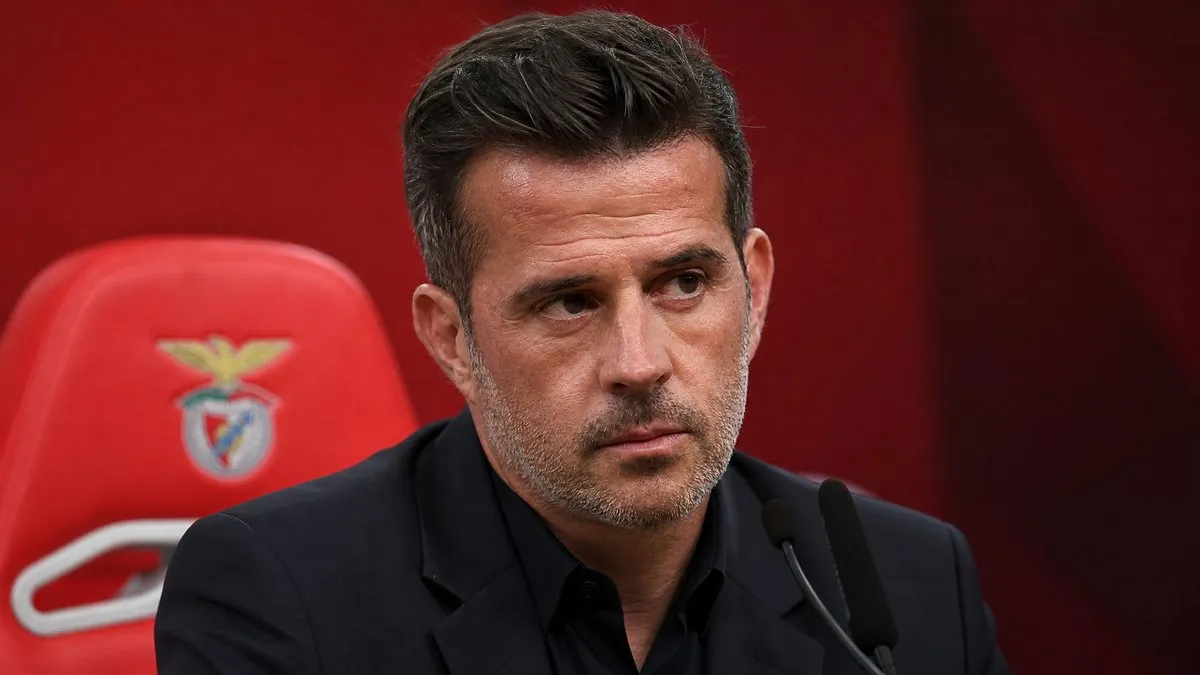
It’s official: Marco Silva leaves Fulham, closing a five-year chapter that quietly became one of the Premier League’s most stable mid-table stories. Fulham confirmed the split after another season of calm consolidation, and Silva has already been unveiled in Lisbon as Benfica’s next head coach, replacing José Mourinho on a contract running to June 2028. For Fulham fans, the emotions are complicated—gratitude for the progress, and anxiety about what comes next in a league that punishes hesitation.
The confirmation that Marco Silva leaves Fulham lands with the kind of weight that only comes when a club has grown used to competence. Over five seasons, Fulham became predictable in the best sense: organised, competitive, and rarely dragged into chaos. In a division where drama is currency, Silva built a team that could absorb bad spells without collapsing. That steadiness is why his exit reads like a genuine turning point.
There’s also the timing, which makes the news feel sharper. Fulham’s recent four consecutive mid-table finishes are not glamorous, but they are valuable, and they suggest a platform rather than a ceiling. When Marco Silva leaves Fulham after delivering that platform, it forces the club to answer an uncomfortable question: was he the architect of stability, or merely the steward? The next appointment will reveal how deep the foundations truly go.
In the official Fulham FC news release, owner Shahid Khan struck a tone that balanced thanks with readiness. He praised the work done across the five years, then pointedly emphasised the club’s preparedness for a new head coach, a phrase that reads like reassurance to supporters and a message to the market. When Marco Silva leaves Fulham, the club cannot afford a sentimental pause. The Premier League calendar punishes slow decisions.
In the wider stream of Premier League updates, managerial changes often blur together, but this one cuts through. Fulham have been a reference point for how to build a competitive squad without financial recklessness, and Silva’s presence was central to that identity. When Marco Silva leaves Fulham, rival clubs take note because it creates a rare opening: a well-run team with a clear style, suddenly available to be reshaped by a new voice.
The simplest way to frame Silva’s Fulham tenure is results: four straight mid-table finishes that kept the club away from the relegation panic room. But the more revealing detail is how those finishes were achieved, with a side that could win ugly, press intelligently, and manage game states without losing its head. When Marco Silva leaves Fulham, he takes with him a set of routines and standards that were built day by day, not bought overnight.
Fulham’s progress under Silva also felt sustainable because it was rarely dependent on one trick. The team showed tactical flexibility—able to be aggressive at home and pragmatic away—while maintaining a recognisable identity. That matters because mid-table safety is not just a points total; it’s a culture of performance. As Marco Silva leaves Fulham, the club must protect that culture, or risk sliding into the league’s unforgiving middle-class scramble.
Silva’s best Fulham sides were defined by spacing and discipline, with clear roles that reduced chaos in transition. Selection was rarely theatrical; he trusted combinations, rotated with purpose, and leaned on players who could execute instructions under pressure. That predictability was a strength rather than a limitation, because it created confidence week to week. When Marco Silva leaves Fulham, the next coach inherits not just players, but habits that can either be preserved or disrupted.
Mid-table can be a psychological trap, where clubs drift and supporters disengage, but Silva managed to sell it as a step in a longer climb. The football was competitive, the atmosphere at Craven Cottage stayed warm, and the sense of identity sharpened. In that sense, the story of Marco Silva leaves Fulham is also about perception: he made Fulham feel like a club with direction, not just survival instincts.
The Benfica manager appointment is the headline twist that re-frames everything. Silva isn’t simply changing jobs; he’s stepping into one of Europe’s most demanding environments, where titles are expected and patience is rationed. Benfica’s decision to replace José Mourinho with Silva signals a desire for modern structure and sustained league dominance, rather than short-term theatre. When Marco Silva leaves Fulham for this stage, it’s a clear statement of ambition from both parties.
What makes the move fascinating is the contrast in expectations. At Fulham, stability was a triumph; at Benfica, stability without silverware can be interpreted as stagnation. The pressure is immediate, the scrutiny relentless, and the tactical debates louder. Still, Silva arrives with Premier League credibility and a proven ability to build coherent teams. That’s why Marco Silva leaves Fulham feels less like an escape and more like a calculated step up.
The Silva contract details matter because a deal running to June 2028 is not a casual punt. Benfica are effectively telling their supporters they want a project manager, not a temporary firefighter, and that they’re willing to invest time in his methods. For Silva, it offers security and authority, two currencies that can be scarce at elite clubs. When Marco Silva leaves Fulham, he does so with a runway long enough to shape recruitment, youth integration, and style.
Replacing Mourinho is never just a personnel change; it’s a philosophical pivot. Where Mourinho often brings siege mentality and high-stakes pragmatism, Silva is associated with structured pressing, proactive patterns, and a calmer public tone. Benfica’s squad will feel that shift immediately in training intensity, positional demands, and match preparation. The narrative that Marco Silva leaves Fulham to follow Mourinho also invites constant comparisons, especially if early results wobble.
Shahid Khan’s message was more than a thank-you note; it was a reminder of what Fulham believe they are. He praised Silva’s professionalism and highlighted the club’s readiness to move forward, which is both comforting and slightly unsettling. Comforting because it suggests planning, unsettling because it underlines finality. When Marco Silva leaves Fulham, Fulham must communicate clearly to supporters, or risk the emotional drift that can follow a respected manager’s exit.
Silva’s own open letter to fans leaned into the idea of Fulham as a family, and that phrasing resonated because it matched the lived experience at Craven Cottage. He spoke about the bond built with supporters, the staff, and the players, and it felt like a sincere goodbye rather than a PR exercise. That’s important, because when Marco Silva leaves Fulham, the club loses not only a coach but a connector—someone who made the project feel human.
In Fulham FC news cycles, the first 72 hours after a managerial departure can define the mood for weeks. If the club sounds decisive, fans stay calm; if it sounds vague, rumours fill the gaps. Khan’s emphasis on readiness was smart, but it now demands follow-through in the form of a clear search process and quick appointment. Because Marco Silva leaves Fulham at a time when pre-season planning, transfers, and staff continuity are all on the line.
Fulham supporters have lived through enough resets to know that “new era” can mean anything from smart evolution to expensive confusion. Gratitude for mid-table security sits alongside fear that the club could misread its own success and gamble on the wrong profile. The farewell letter softened the blow, but it also sharpened the stakes. When Marco Silva leaves Fulham, the fans aren’t just losing a manager; they’re losing a sense of predictability.
The Mourinho Real Madrid rumors add a layer of intrigue because they suggest this story is part of a broader managerial chain reaction. If Mourinho is indeed in talks with Madrid, Benfica’s decision to move quickly for Silva looks even more strategic, securing a coach before the market overheats. Europe’s elite benches are rarely stable, and one high-profile move often triggers three more. That’s why Marco Silva leaves Fulham is not just English football news; it’s continental context.
For Mourinho, the Madrid link fits his history of returning to big stages when opportunity aligns with narrative. For Benfica, moving on from him signals either a desire to modernise or a sense that the relationship had reached its natural conclusion. For Fulham, it means their former manager is now a piece on a much larger chessboard. When Marco Silva leaves Fulham, the club becomes exposed to market forces it can’t control, including who becomes available and when.
Premier League updates often focus inward, but recruitment departments track European managerial shifts obsessively. A coach moving to Benfica can change the availability of assistants, analysts, and even players who fit specific systems. Meanwhile, Madrid’s decisions can dislodge elite managers who suddenly become attainable for English clubs. This is how the ecosystem works, and it’s why Marco Silva leaves Fulham can indirectly influence decisions at clubs far above Fulham’s pay grade.
If Mourinho lands at Real Madrid, the comparison culture around Benfica will intensify immediately. Every Benfica stumble will be framed against whatever Mourinho is doing next, fairly or not, and that pressure can shape boardroom patience. Silva’s long contract helps, but contracts don’t stop noise. In that environment, the best protection is clarity of style and consistent results. When Marco Silva leaves Fulham, he enters a world where narrative can be as dangerous as tactics.
The final twist is that Chelsea are reportedly considering Silva as a candidate for their vacancy, a detail that underlines how highly he is rated in Premier League circles. Even if Benfica have already secured him, the mere link shows the market’s perception of his work: modern, organised, and adaptable. It also highlights Fulham’s challenge, because replacing a manager who attracts top-six attention is never straightforward. When Marco Silva leaves Fulham, Fulham must think like a club protecting an asset, not just filling a role.
Fulham’s next appointment needs to respect what has been built while also raising the ceiling, and that’s a narrow path. Hire too safe and the club stagnates; hire too adventurous and the structure collapses. Recruitment alignment will be key, because a new coach with a different system can make recent signings look mismatched overnight. That is the real consequence when Marco Silva leaves Fulham: the club’s football identity becomes negotiable again, and negotiations are risky.
The smartest approach is to prioritise a coach whose principles align with Fulham’s recent success: organisation without fear, tactical flexibility, and a calm relationship with pressure. Continuity doesn’t mean copying Silva, but it does mean avoiding a complete stylistic U-turn that forces a costly squad overhaul. Leadership is equally important, because the dressing room will test the new voice early. When Marco Silva leaves Fulham, the next manager must win trust quickly, not just matches.
At Benfica, the first 10 games will be treated like a referendum, because that’s how big clubs operate. Silva must establish patterns fast, communicate his demands clearly, and manage the inevitable noise around replacing Mourinho. The upside is that Benfica’s resources and academy pipeline can accelerate his ideas if recruitment is sharp. The risk is that one poor run becomes a story about suitability rather than circumstance. When Marco Silva leaves Fulham, he swaps steady progress for instant judgement.
Ultimately, this is a separation that feels respectful but seismic: Marco Silva leaves Fulham with his reputation enhanced, Fulham lose a stabiliser at a delicate moment, and Benfica gain a coach trusted to deliver over the long term. The wider coaching carousel—fuelled by Mourinho Real Madrid rumors and Premier League vacancies—ensures the consequences will ripple beyond two clubs. For supporters, it’s a reminder that football’s calmest projects can change overnight, and that the next decision often matters more than the last.

Julian Mercer is a lifelong student of the game whose passion for football was sparked at an early age, after stepping onto the grass of Camp Nou as a six-year-old — a moment that left a lasting impression and set him on a permanent path into the sport. Since then, football has been both his lens on the world and his favourite language. Blending traditional fandom with a deep interest in tactics, squad building, and long-term team development, Julian has spent decades analysing the game from every angle. His fascination with football strategy was further shaped through years of immersive play in Football Manager, a series he has followed since the mid-1990s, developing a sharp eye for patterns, player profiles, and the fine margins that define success. At My World Of Football, Julian focuses on the stories beneath the surface — from tactical evolutions and managerial philosophies to the narratives that connect clubs, players, and supporters across generations. His writing aims to balance insight with accessibility, always grounded in a genuine love for the game.
Continue reading more football news