Mikel Arteta international withdrawals shake Arsenal
Gary Lineker compares Arteta to Ferguson as Mikel Arteta international withdrawals mount. Arsenal manage fitness for City clash and FA Cup run.
Gary Lineker compares Arteta to Ferguson as Mikel Arteta international withdrawals mount. Arsenal manage fitness for City clash and FA Cup run.
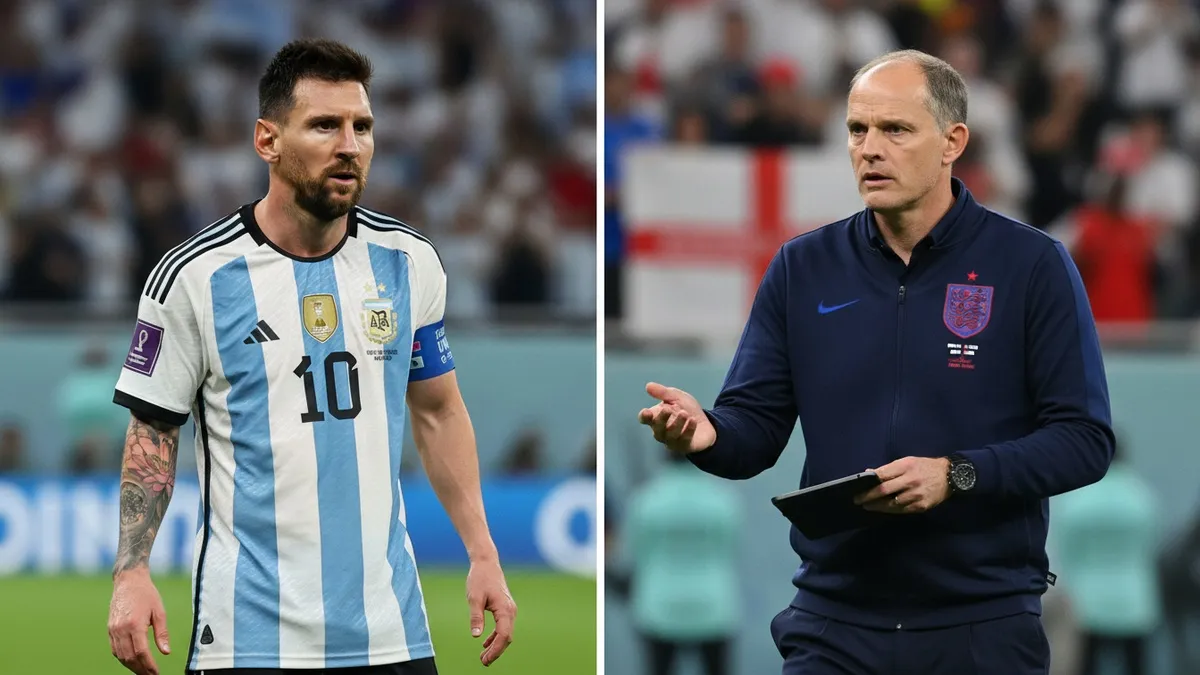
Arsenal’s season has reached that familiar, nerve-shredding point where every sprint, tackle, and awkward landing feels like it could tilt the Premier League title race. Into that tension comes a fresh controversy: Mikel Arteta international withdrawals piling up across the squad, just as fixtures turn brutal. Gary Lineker has looked at the pattern and heard an echo of Sir Alex Ferguson tactics, suggesting Arteta is shaping availability with a cold-eyed focus on the next defining week. With Bukayo Saka and Declan Rice among those stepping back from duty, the debate has become impossible to ignore.
Lineker’s comparison landed because it speaks to a long-running truth about elite management: the best coaches treat calendars like battleground maps. His Gary Lineker comments framed Mikel Arteta international withdrawals not as bad luck, but as a sequence that benefits Arsenal at the sharpest edge of the season. The Ferguson reference is loaded, because Sir Alex Ferguson tactics were built on protecting key legs for decisive domestic moments. That’s the lens through which many fans are now reading Arsenal’s medical updates.
For Arsenal, the timing is everything, because the Premier League title race doesn’t pause for international windows or sympathetic headlines. When Mikel Arteta international withdrawals stack up, rival supporters cry gamesmanship while Arsenal fans see common sense in player fitness management. The truth likely sits in the messy middle, where minor knocks, fatigue signals, and risk calculations blend into one decision. Arteta’s job is to win, and winning in March and April often means saying “no” in late-season international camps.
Ferguson’s edge was never simply mind games; it was workload control before sports science became mainstream language. The modern version is more clinical, yet the outcome can look similar: key players suddenly “unavailable” when friendlies or qualifiers appear, then miraculously ready for league weekends. Lineker’s point is that Mikel Arteta international withdrawals feel like a modern echo of that old power dynamic. Clubs carry the financial and competitive risk, and managers increasingly act like they own the final say.
Alan Shearer backing the logic matters because he’s not easily sold on soft explanations, especially in the Premier League title race. His view aligns with a simple striker’s reality: tired legs mean half-a-yard lost, and half-a-yard is the difference between a goal and a groan. When Shearer hears Mikel Arteta international withdrawals, he translates it into preserved sharpness for the matches that define careers. It’s not romance, it’s arithmetic, and Arsenal are doing the sums.
The list of absentees has started to read like a weekly roll call, and that’s why the Arsenal injury crisis storyline has gained traction. Bukayo Saka and Declan Rice withdrawing from international duty doesn’t just remove two starters from England’s plans; it signals Arsenal’s internal alarm about overload. Add William Saliba and Gabriel to the broader conversation and the picture becomes one of a squad being wrapped in cotton wool. Mikel Arteta international withdrawals, in this framing, are both protection and a warning flare.
Then came Martin Zubimendi becoming the 10th player to pull out, which pushed the issue from “concerning” to “systemic.” Even if each case is minor, the cumulative effect is major because training intensity, tactical continuity, and rotation plans all get distorted. Arsenal can survive a couple of managed absences, but a wave forces Arteta into constant recalculation. Mikel Arteta international withdrawals also invite suspicion, because fans know how often “precaution” can be a strategic word. In a tight race, perception becomes part of the pressure.
Saka’s value to Arsenal is obvious: he stretches defenses, draws double teams, and still produces end product when opponents know what’s coming. Rice is just as central, offering defensive coverage that lets Arsenal’s attacking structure breathe. When those two become the face of Mikel Arteta international withdrawals, it feels less like coincidence and more like a deliberate line in the sand about player fitness management. Arsenal’s staff will argue they’re preventing bigger injuries, and that argument is hard to dismiss.
Defensive partnerships rely on repetition, and even small disruptions can cause big consequences in high-stakes games. William Saliba and Gabriel are not just individuals; they’re a system of spacing, timing, and mutual trust that takes months to build. When Mikel Arteta international withdrawals touch the spine of the team, Arteta’s entire risk profile changes for upcoming fixtures. It also shapes how Arsenal press, because confidence in the back line influences how aggressively midfielders step forward. That’s why these decisions ripple beyond a single player.
The most fascinating part of this saga is how it blends old-school control with modern sports science. Sir Alex Ferguson tactics were often framed as psychological warfare, but the underlying idea was pragmatic: protect your best players for the games that matter most. Arteta operates in a world of GPS data, fatigue markers, and predictive injury models, yet the managerial instinct is similar. Mikel Arteta international withdrawals can be seen as the club asserting that its priority is silverware, not international narratives. Arsenal’s staff will say they’re following medical advice, but strategy can still sit inside medicine.
There’s also a broader power struggle here between clubs and countries, one that intensifies when the Premier League title race is on the line. National teams want continuity and chemistry, but clubs pay the wages and absorb the consequences when something goes wrong. So Mikel Arteta international withdrawals become a symbol of that tug-of-war, with Arsenal effectively betting that short-term national disappointment is worth long-term club success. It’s not pretty, but elite football rarely is at this stage of the season. Every decision becomes a negotiation with risk.
In the modern game, “precaution” is both a medical concept and a messaging tool, and that’s why fans read between the lines. A tight hamstring, a sore ankle, or general fatigue can all be real, yet still be managed in a way that favors club priorities. Mikel Arteta international withdrawals live in that grey zone where truth and tactics overlap without necessarily contradicting each other. Arsenal can genuinely believe a player needs rest, while also appreciating the competitive advantage it creates. That duality is what fuels the debate.
Ferguson would recognize the relentless focus on the next decisive fixture, and the willingness to absorb criticism to protect the squad. He’d also recognize the idea that controlling the narrative can be part of controlling the season. When Gary Lineker comments suggest Arteta is channeling Sir Alex Ferguson tactics, it’s because the pattern fits a familiar template: keep stars close, limit external risk, peak at the right moment. Mikel Arteta international withdrawals, viewed through that prism, look less like chaos and more like planning. Whether it works is the only verdict that matters.
Arsenal’s calendar doesn’t just contain big games; it contains defining ones, and the Manchester City clash is the kind that can swing belief across the league. In that context, Mikel Arteta international withdrawals feel like a manager clearing the runway for takeoff. City’s machine-like consistency punishes any wobble, so Arsenal’s margin for carrying fatigue is tiny. Arteta knows that one late lunge from a tired player can mean a red card, a penalty, or a muscular tear. That’s why the scrutiny is so intense: every rest decision is a bet against disaster.
City also force a specific type of physical and mental demand, because their possession game makes opponents chase and then explode into sprints when the moment arrives. If Arsenal enter that contest with players at 80 percent, they can still compete, but they may not sustain the required concentration for 90 minutes. So Mikel Arteta international withdrawals become a pre-emptive attempt to ensure Arsenal’s best athletes are also their freshest decision-makers. In the Premier League title race, freshness is not a luxury; it’s a weapon. The question is whether Arsenal can keep rhythm while managing minutes.
Rice is often the player who turns Arsenal’s structure from attractive to authoritative, because he wins duels that stop counterattacks before they breathe. If he’s heavy-legged, Arsenal’s press becomes easier to bypass and their back line gets exposed to transitional chaos. That’s why his place in Mikel Arteta international withdrawals is so significant, and why fans watch his availability like a weather forecast. Against Manchester City, the midfield battle is a series of small collisions that add up to control. Arteta protecting Rice is, in many ways, protecting the team’s identity.
Saka’s role demands repeated high-speed actions, and that’s where cumulative fatigue becomes dangerous. Wingers often get injured not on a tackle, but on an acceleration when the body is slightly behind the brain’s instruction. Mikel Arteta international withdrawals involving Saka therefore feel like a direct response to that risk, especially with the Manchester City clash looming. Arsenal can cope creatively for a match without him, but they can’t replicate his gravity on the right flank. In a title race, that gravity pulls points toward you.
The FA Cup quarter-finals bring their own dilemma because knockout football punishes hesitation, yet prioritizing the league can be tempting. Arteta, though, has to manage both the trophy opportunity and the physical cost, particularly amid Mikel Arteta international withdrawals. A quarter-final against Southampton might sound manageable on paper, but cup ties have a habit of becoming attritional, especially when opponents sense vulnerability. Arsenal’s depth will be tested not just by talent, but by how quickly rotated players can match the team’s tempo. This is where player fitness management becomes tactical selection.
Rotation is also about maintaining standards, because a second-string performance can create a hangover that leaks into the league. If Arteta rests too many, Arsenal risk a cup exit and a confidence dent; if he plays too many starters, he risks the very injuries he’s trying to avoid. That’s why Mikel Arteta international withdrawals sit at the center of the conversation: they suggest Arsenal are already managing a delicate physical balance. The cup tie becomes a live rehearsal for decision-making under fatigue constraints. Every substitution will be interpreted as a message about priorities.
Teams like Southampton can turn a glamorous tie into a series of second balls and uncomfortable aerial duels, especially if Arsenal’s rhythm is disrupted. That matters because Arsenal’s recent success has been built on controlled aggression, not chaos. If Mikel Arteta international withdrawals reduce the availability of key stabilizers, the match can become a physical grind that drains energy for the league. Arteta will want intensity without recklessness, which is easier to say than to coach in a one-off tie. Cup football tests not just legs, but discipline.
Managers rarely admit they’re prioritizing one competition, but their team sheet usually tells the truth. If Arteta goes strong despite Mikel Arteta international withdrawals, it signals he believes trophies create momentum and that Arsenal can handle the load. If he rotates heavily, it suggests the Premier League title race is the non-negotiable target, with the cup treated as a bonus. Either way, Arsenal’s performance will be judged through the prism of risk management. Supporters can forgive many things, but they struggle to forgive avoidable injuries.
The weight of a 22-year title drought doesn’t sit only on the fans; it settles into the club’s decisions, anxieties, and reactions to setbacks. That’s why Mikel Arteta international withdrawals feel emotionally charged, because they touch the fear of history repeating itself through late-season fatigue. Arsenal have been close enough in recent years to taste it, and close enough to feel the sting when it slips away. Arteta’s challenge is to keep the squad physically intact while also keeping them mentally sharp under expectation. The closer you get, the louder the noise becomes.
There’s also a moral question that surfaces whenever withdrawals spike: are players protecting themselves, or being protected by the club, or both? In reality, modern careers are long and carefully managed, and players understand that their best form comes from smart recovery, not heroic overuse. So Mikel Arteta international withdrawals can be interpreted as a mature approach, even if it frustrates national-team supporters. Arteta will argue that a fit Saka in April matters more than a cameo in March, and many Arsenal fans will nod along. The only risk is that rhythm can be lost if caution becomes over-caution.
For player fitness management to work, players must believe the staff are acting in their best interests, not just the club’s. If Arteta has built that trust, Mikel Arteta international withdrawals become easier because players feel supported rather than sidelined. That trust can also reduce the temptation for players to hide discomfort, which is often how small issues become season-ending injuries. Arsenal’s leadership group, including figures like Rice, helps set the tone for how these decisions are perceived internally. A united dressing room turns “withdrawal” into “strategy,” not “drama.”
All strategic rest plans look brilliant when you win and suspicious when you don’t, and that’s the brutal simplicity of elite sport. If Arsenal stumble, Mikel Arteta international withdrawals will be replayed as evidence of over-management or manipulation, depending on the critic. If Arsenal surge, the same decisions will be hailed as Ferguson-like mastery and modern pragmatism. That’s why the next run of matches will shape the narrative more than any pundit debate. Football doesn’t grade intentions; it grades outcomes, and Arteta knows it.
Ultimately, the storm around Mikel Arteta international withdrawals is really a storm about control, fear, and opportunity in the Premier League title race. Lineker’s Ferguson comparison has given fans a storyline that feels familiar: a manager bending the season to his will, daring others to complain while he protects his own. With Saka, Rice, Saliba, Gabriel, and Zubimendi all part of the conversation, Arsenal’s margin for error is thin but not gone. If Arteta gets the balance right, these withdrawals will look like foresight rather than fortune. If he gets it wrong, the debate won’t end—it will only get sharper.

Julian Mercer is a lifelong student of the game whose passion for football was sparked at an early age, after stepping onto the grass of Camp Nou as a six-year-old — a moment that left a lasting impression and set him on a permanent path into the sport. Since then, football has been both his lens on the world and his favourite language. Blending traditional fandom with a deep interest in tactics, squad building, and long-term team development, Julian has spent decades analysing the game from every angle. His fascination with football strategy was further shaped through years of immersive play in Football Manager, a series he has followed since the mid-1990s, developing a sharp eye for patterns, player profiles, and the fine margins that define success. At My World Of Football, Julian focuses on the stories beneath the surface — from tactical evolutions and managerial philosophies to the narratives that connect clubs, players, and supporters across generations. His writing aims to balance insight with accessibility, always grounded in a genuine love for the game.
Continue reading more football news