Sami Ouaissa transfer news: PSV, Feyenoord circling
Sami Ouaissa transfer news heats up as Feyenoord and PSV track the NEC winger. Versatility, goals, and a 2028 deal shape the summer market.
Sami Ouaissa transfer news heats up as Feyenoord and PSV track the NEC winger. Versatility, goals, and a 2028 deal shape the summer market.
Sami Ouaissa transfer news has become one of the most intriguing subplots in the Eredivisie this season, because it blends form, fit, and timing in a way scouts love. The NEC attacker has six goals in 24 matches, but the numbers only tell half the story of a player who can tilt games from the right side. With SoccerNews and reporter Mounir Boualin flagging interest, PSV and Feyenoord are watching closely. A summer domino effect involving Anis Hadj Moussa and Esmir Bajraktarevic could decide Ouaissa’s next step.
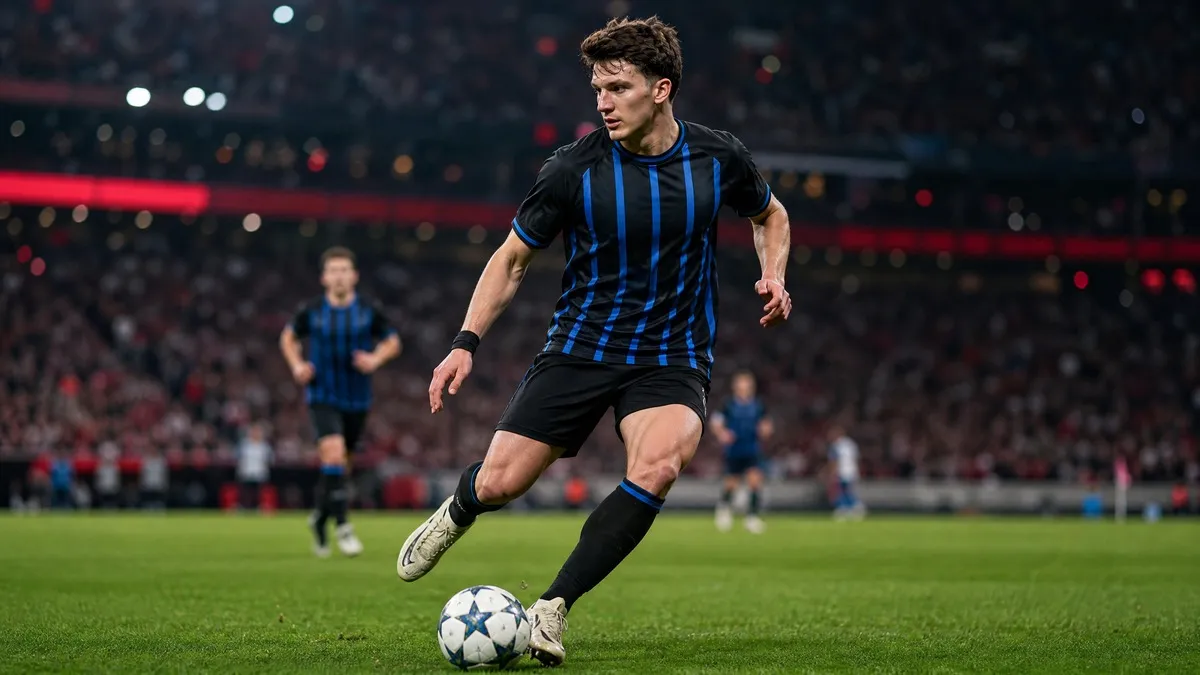
Sami Ouaissa transfer news is gathering pace because his season has been built on repeatable actions rather than a short hot streak. At NEC Nijmegen he has looked comfortable receiving under pressure, driving at full-backs, and arriving in the box with a winger’s timing. Six goals in 24 matches is a strong return from wide areas in the Eredivisie, especially for a player still expanding his role. Clubs see a profile that can scale upward without needing a total reinvention.
What makes Sami Ouaissa transfer news feel more “real” than typical rumor churn is the clarity of his pathway and the specificity of the interest. Boualin’s reporting frames him as a player already on the radar of PSV, while Feyenoord are weighing him as a possible solution if their right-wing situation changes. In the transfer market, that kind of conditional planning is common among top Dutch clubs. NEC, meanwhile, are protected by a contract that runs until mid-2028, which strengthens their negotiating position.
Sami Ouaissa transfer news leans on his six-goal tally, yet recruiters will be equally drawn to how those goals arrive. He has shown he can attack the far post, shoot early when the lane opens, and make second-phase runs after the first cross is cleared. Those are habits that translate when the step up brings fewer touches and tighter windows. In the Eredivisie, wingers who score through movement rather than only dribbling often adapt faster at bigger clubs.
Sami Ouaissa transfer news is also fueled by the sense that NEC have given him a platform to demonstrate maturity in possession. He hasn’t played like a highlight-reel gambler every week; instead, he’s mixed direct carries with sensible recycling, keeping attacks alive. That blend is important for PSV and Feyenoord, where wide players must respect structure as well as create chaos. For NEC, it’s the ideal shop window: productive, disciplined, and clearly coachable.
Sami Ouaissa transfer news has a clear Feyenoord angle because Boualin suggests the Rotterdam club may be preparing for a summer move involving Anis Hadj Moussa. If Hadj Moussa is transferred, Feyenoord will want a right-sided attacker who can contribute immediately without breaking their wage structure. Ouaissa fits the domestic-market logic: Eredivisie-proven, tactically literate, and still with upside. The fact he can deliver goals from wide areas makes him more than a depth signing.
From Feyenoord’s perspective, Sami Ouaissa transfer news is attractive because it offers optionality in squad building. They often need wingers who can press aggressively, track back, and still provide end product in tight matches. Ouaissa’s work rate at NEC has been noticeable, and his ability to play as a right-back adds another layer to the pitch-side conversation. In Europe and in the league, Feyenoord’s calendar punishes thin squads, so versatility can be as valuable as flair.
Sami Ouaissa transfer news resonates with Feyenoord fans because he looks like a player who can survive the club’s demanding out-of-possession standards. Feyenoord often ask their wide men to close passing lanes, sprint into counter-pressing duels, and recover quickly when attacks break down. Ouaissa has shown a willingness to do those unglamorous runs, which can win trust from coaches quickly. Add his six goals, and you have a winger who contributes on both sides of the ball.
Sami Ouaissa transfer news also reflects a classic Eredivisie transfer market tactic: act before the bidding war starts. With his contract running to mid-2028, NEC won’t be forced into a discount, but early dialogue can still shape a deal. Feyenoord may prefer to line up a successor to Hadj Moussa before preseason, avoiding late-window panic. If Ouaissa finishes the season strongly, the fee and competition could rise, particularly if PSV accelerate their monitoring into action.
Sami Ouaissa transfer news has a PSV dimension that feels both logical and cautious. Boualin reports PSV are monitoring him closely, yet there has been no formal approach, which suggests a club still mapping scenarios. PSV’s recruitment typically balances immediate impact with resale potential, and Ouaissa checks both boxes. His ability to operate as a right winger or drop into right-back roles could help in a squad that often needs rotation across domestic and European fixtures.
The Esmir Bajraktarevic angle makes Sami Ouaissa transfer news even more compelling, because Boualin hints PSV could view Ouaissa as a valuable addition if Bajraktarevic leaves this summer. That’s the kind of contingency planning elite clubs do quietly, long before headlines catch up. PSV’s wide options must provide pace, one-v-one threat, and defensive responsibility, especially in matches where they dominate the ball and face counters. Ouaissa’s blend of directness and discipline fits that model.
Sami Ouaissa transfer news can sound vague when clubs are “monitoring,” but it often indicates repeated live scouting, data checks, and character references rather than a single glance. PSV will want to understand whether his output is sustainable and how he responds when opponents double up on him. They’ll also test his versatility claim: can he genuinely play right-back in a high line, or is it an emergency option? Those answers determine whether interest becomes a formal move.
Sami Ouaissa transfer news gains urgency if PSV anticipate losing Esmir Bajraktarevic, because replacing wide attackers is rarely a straight swap. PSV would need someone who can contribute quickly in the Eredivisie while also growing into European nights, where decision-making speed is unforgiving. Ouaissa’s familiarity with the league reduces adaptation risk, and his contract length at NEC suggests he’s valued, which can be a positive signal. Still, PSV will weigh cost versus alternative targets abroad.
Sami Ouaissa transfer news keeps circling back to one trait: versatility that isn’t just marketing. At NEC he has shown he can play as a right winger and also fill in as a right-back, which changes how coaches plan matchdays. In the modern Eredivisie, wide defenders often invert or overlap aggressively, and a player with winger instincts can add surprise in possession. For bigger clubs, that means Ouaissa could cover two positions without diluting quality.
There’s also a psychological edge in Sami Ouaissa transfer news, because versatile players tend to get on the pitch faster after a move. If Feyenoord or PSV sign him, he doesn’t need to win only one specific job to be useful; he can earn minutes through rotation, injuries, or tactical tweaks. That reduces the risk of a stalled development year, which can happen when a young winger joins a top side and sits behind established starters. Ouaissa’s adaptability could protect his momentum.
Sami Ouaissa transfer news becomes more strategic when you consider how PSV and Feyenoord build attacks from the right. A winger who can also play right-back gives coaches the option to switch shapes mid-game, pushing a full-back higher or tucking inside without making a substitution. It can also help in Europe, where opponents target space behind attacking full-backs. If Ouaissa can defend one-v-one and manage positioning, his value rises beyond goals and assists.
Sami Ouaissa transfer news isn’t all upside, because versatility can sometimes trap a player in a “fill-in” identity at a bigger club. If he’s constantly used to patch holes, he may struggle to settle into the rhythm needed to become a first-choice winger. The best-case scenario is a clear development plan: minutes primarily on the right wing, with right-back appearances as a secondary pathway. That clarity matters for confidence, output, and long-term growth.
Sami Ouaissa transfer news is shaped heavily by the detail that his NEC contract runs until mid-2028. That kind of term gives NEC Nijmegen leverage to demand a premium fee, because they are under no immediate pressure to sell. It also signals that NEC likely see him as a core asset, not a stopgap. In the Eredivisie, long contracts often lead to drawn-out negotiations, add-ons, and sell-on clauses, especially when bigger domestic clubs come shopping.
For PSV and Feyenoord, Sami Ouaissa transfer news becomes a question of value rather than availability. They can likely afford him, but they’ll want to avoid paying a “rival premium” when buying within the league. NEC can point to his goals, his versatility, and his age curve as justification for a strong price, while the buying club will argue he’s still developing and hasn’t produced elite numbers over multiple seasons. The eventual fee will reflect how many clubs enter the race.
Sami Ouaissa transfer news doesn’t force NEC into a quick decision, and that patience can be powerful. With years left on his deal, NEC can set a clear asking price and wait for the market to come to them, rather than negotiating from fear. They can also offer Ouaissa a stable environment to keep improving, which benefits everyone if his value rises. If PSV or Feyenoord hesitate, NEC can simply keep him and build around his right-sided threat.
Sami Ouaissa transfer news also taps into a familiar dynamic: buying from a domestic rival can cost more because you’re strengthening a competitor. Feyenoord and PSV will consider whether they want to fund NEC’s next squad rebuild while also adding a player who may need time. Yet the counterargument is strong: Eredivisie-proven signings can reduce risk in seasons where European qualification is financially crucial. That tension often produces creative deal structures, including performance bonuses and future sell-on percentages.
Sami Ouaissa transfer news has been amplified by SoccerNews and Boualin’s reporting, and that spotlight can change a player’s reality even before a bid arrives. Once your name is linked to PSV and Feyenoord, every touch feels like evidence for or against the move. For Ouaissa, the challenge is to keep playing with freedom at NEC while showing the consistency that top clubs demand. The best recruitment departments don’t buy potential alone; they buy repeatable performance under pressure.
Looking ahead, Sami Ouaissa transfer news is likely to evolve in stages: continued scouting, informal contact, then a decision tied to other exits like Hadj Moussa or Bajraktarevic. Ouaissa’s camp will want clarity about role, minutes, and development, because moving too early can stall progress. NEC will want maximum value, and the buying club will want a deal that still leaves room for future investment elsewhere. It’s a classic Eredivisie story, but with unusually clean tactical logic.
Sami Ouaissa transfer news will only become a transfer if he convinces decision-makers that his output can survive a step up in intensity. That means sharper end product against top-six opponents, smarter choices when space disappears, and reliable tracking when his team is pinned back. Coaches at PSV and Feyenoord will also look for emotional control: how he reacts after a missed chance, a rough tackle, or a tactical switch. Those details often decide whether “monitoring” becomes an offer.
Sami Ouaissa transfer news points to two different career narratives that both make sense. At PSV, he could enter a rotation-heavy environment designed to compete on multiple fronts, learning quickly but facing fierce competition for starts. At Feyenoord, he could be part of a clearer succession plan if Anis Hadj Moussa departs, with a more defined pathway to owning the right wing. Either way, the move would test his adaptability, but it could also accelerate him into the Eredivisie’s elite conversation.
Sami Ouaissa transfer news is ultimately a reminder of how quickly the Eredivisie marketplace reacts when a player combines production with tactical flexibility. NEC have a scorer from wide areas who can also plug in at right-back, and that’s a rare profile for clubs that demand both structure and spontaneity. With Feyenoord thinking about a post–Anis Hadj Moussa right flank and PSV weighing life after Esmir Bajraktarevic, the next window feels pivotal. If Ouaissa finishes strongly, the “monitoring” phase won’t last long, and his career could shift in one decisive summer move.

Julian Mercer is a lifelong student of the game whose passion for football was sparked at an early age, after stepping onto the grass of Camp Nou as a six-year-old — a moment that left a lasting impression and set him on a permanent path into the sport. Since then, football has been both his lens on the world and his favourite language. Blending traditional fandom with a deep interest in tactics, squad building, and long-term team development, Julian has spent decades analysing the game from every angle. His fascination with football strategy was further shaped through years of immersive play in Football Manager, a series he has followed since the mid-1990s, developing a sharp eye for patterns, player profiles, and the fine margins that define success. At My World Of Football, Julian focuses on the stories beneath the surface — from tactical evolutions and managerial philosophies to the narratives that connect clubs, players, and supporters across generations. His writing aims to balance insight with accessibility, always grounded in a genuine love for the game.
Continue reading more football news