Myworldoffootball
Argentina World Cup 2026 preparations: Messi hints
Argentina World Cup 2026 preparations intensify as Scaloni gives a Messi injury update, confirms squad news, and the USA-Germany friendly fuels debate.
Argentina World Cup 2026 preparations intensify as Scaloni gives a Messi injury update, confirms squad news, and the USA-Germany friendly fuels debate.
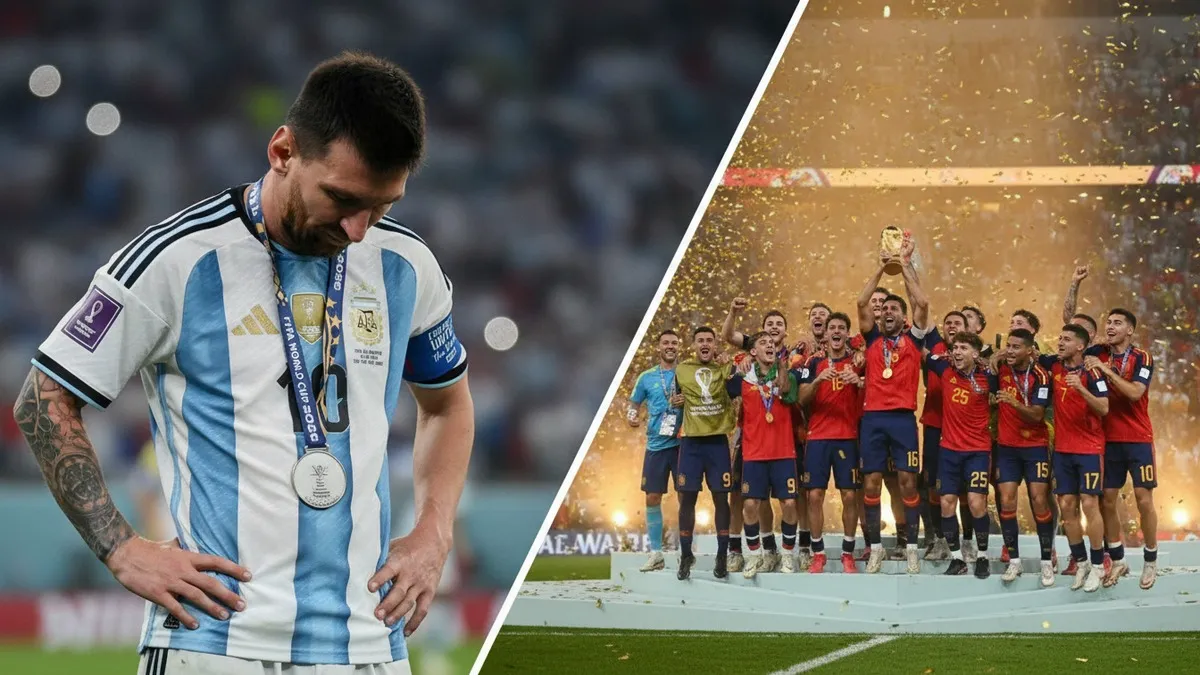
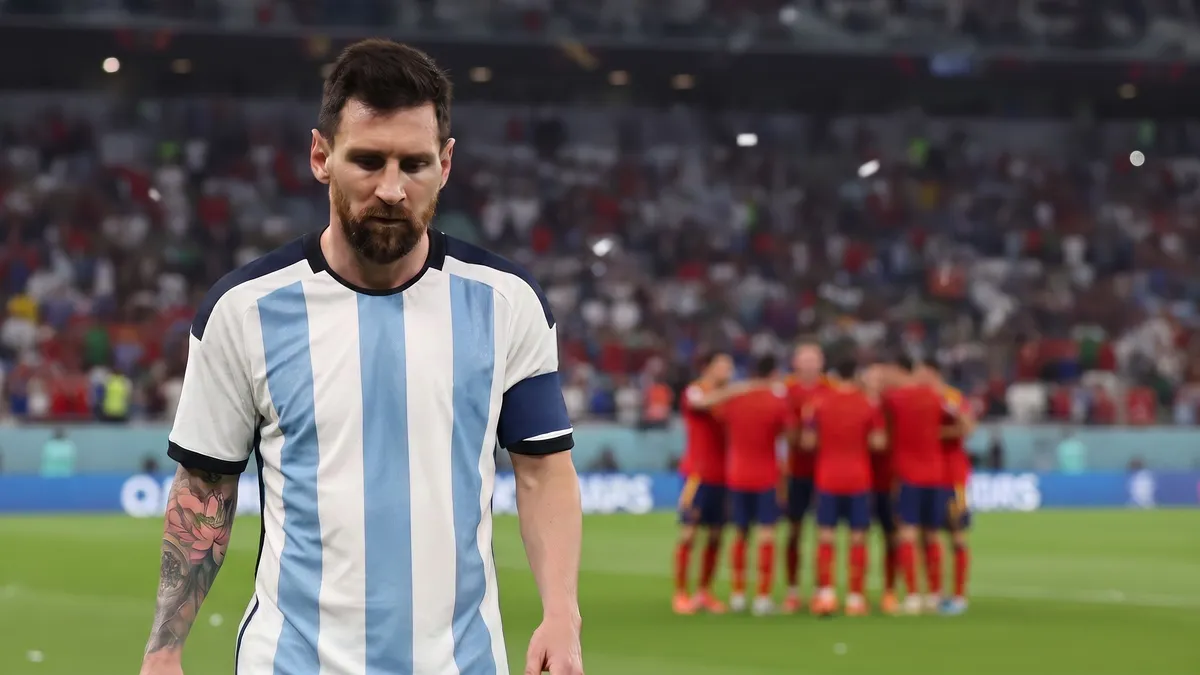
Argentina World Cup 2026 preparations are already humming with that familiar mix of swagger and anxiety, because everything still seems to orbit one man. Lionel Scaloni’s latest comments have reopened the biggest question in international football: how much Lionel Messi will play in the friendlies that shape the road to defending the crown. Messi has returned to partial training, enough to ignite optimism, but not enough to kill the worry. Across the Atlantic, the USA’s own tune-up story took a twist in a 2-1 loss to Germany, yet Mauricio Pochettino insisted the performance had bite and meaning.
Argentina World Cup 2026 preparations are being framed by Scaloni as a long game rather than a quick headline, and that’s a deliberate choice. In his latest Scaloni press conference, he hinted Messi could feature in upcoming friendlies, but he kept returning to the same theme: don’t gamble with the body that carries so much of the project’s identity. The message wasn’t pessimism, it was process. Argentina want rhythm, but they also want Messi in one piece.
What makes Argentina World Cup 2026 preparations so compelling is that they’re happening in public, with every training clip dissected like a tactical diagram. Messi’s partial sessions have been enough to raise hopes of minutes, maybe even a cameo that calms the nerves. Yet Scaloni’s tone suggested a manager protecting his dressing room from outside pressure as much as protecting his captain from overload. Friendlies can sharpen movements, but they can also steal weeks with one wrong step.
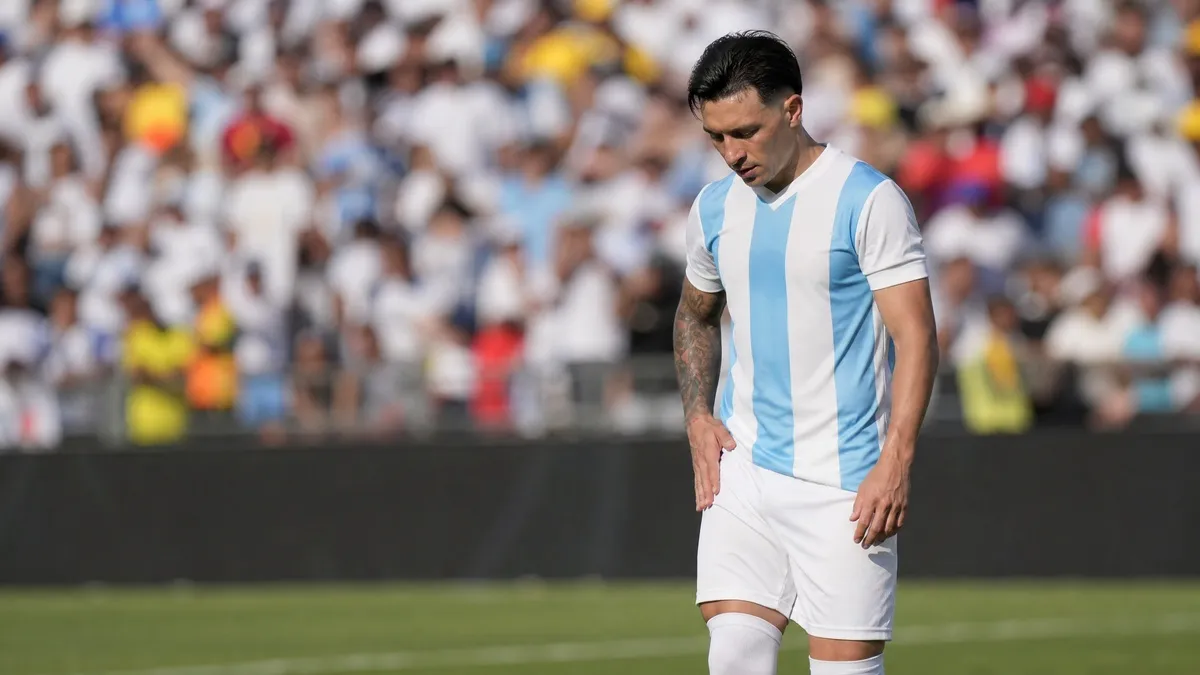
The Lionel Messi injury update is less about a dramatic diagnosis and more about careful sequencing, which is exactly why it’s so emotionally volatile for fans. Partial training usually means controlled intensity, monitored changes of direction, and a gradual return to contact, and that aligns with Scaloni’s cautious language. For Argentina World Cup 2026 preparations, the staff will value how Messi finishes sessions as much as how he starts them. The goal is not one friendly, but a runway to 2026.
In the Scaloni press conference, the subtext was clear: the calendar is crowded, the stakes are enormous, and sentimentality cannot steer selection. Argentina World Cup 2026 preparations require the manager to be unpopular for a moment if it protects the bigger picture. Scaloni didn’t shut the door on Messi playing, but he made it sound conditional on medical feedback and training response, not on ticket demand. That’s leadership, even if it frustrates the crowd.
Argentina World Cup 2026 preparations will be judged on trophies later, but they’re built in small experiments now. Friendlies are where Scaloni tests spacing between lines, the timing of the press, and how quickly the midfield can turn recoveries into vertical attacks. With Messi only partially integrated, the coaching staff can also assess how the team creates when the obvious solution is unavailable. The defending champions need more than a Plan A, even if Plan A is genius.
There’s also a psychological layer to Argentina World Cup 2026 preparations that friendlies uniquely expose. The World Cup winners carry an aura, and opponents treat matches like finals, which can tempt Argentina into playing at maximum intensity too early. Scaloni appears determined to avoid that trap, using friendlies to build habits rather than chase statements. When Messi is involved, even briefly, the whole tempo changes, so managing that shift becomes part of the rehearsal.
If Messi does play, even for a short spell, Argentina World Cup 2026 preparations gain a priceless data point: how the team’s structure bends around him at different speeds. A cameo can reveal whether Argentina can maintain compactness when possession becomes more patient, and whether runners still attack the box with conviction. It also helps measure Messi’s comfort in duels and accelerations without pushing him into unnecessary risk. The staff will be watching body language as closely as touches.
Paradoxically, Argentina World Cup 2026 preparations also benefit from matches where Messi doesn’t feature, because they force responsibility to spread. Without the automatic gravitational pull, midfielders must demand the ball under pressure and full-backs must choose moments to overlap with greater precision. Scaloni can learn which combinations create chances without needing a miracle pass. That doesn’t diminish Messi’s importance; it strengthens the platform he returns to when the real tournament arrives.
The World Cup squad announcement has a way of turning tactical debates into human drama, and Argentina’s confirmed 26-man squad has done exactly that. Argentina World Cup 2026 preparations feel more concrete when names are printed, roles implied, and hierarchies quietly reinforced. Messi’s presence as captain is the headline, but the deeper story is how Scaloni is shaping continuity from the last triumph while injecting enough freshness to keep opponents guessing. Stability is a weapon when used intelligently.
For fans, Argentina World Cup 2026 preparations become real when the squad list lands because it invites everyone to imagine scenarios. Who starts if the match turns frantic, who closes games when legs are heavy, and who offers solutions if the opponent blocks the middle? Scaloni’s selections suggest he values players who understand the system and can execute under pressure rather than simply chasing form. The defending champions are building a tournament team, not an all-star poster.
Messi as captain is not just a ceremonial ribbon; it’s a strategic stabilizer for Argentina World Cup 2026 preparations. His presence lowers the emotional temperature in chaotic moments, because teammates trust that the next action will have purpose. Tactically, even a slightly limited Messi changes how opponents defend, often pulling an extra midfielder deeper and opening lanes for others. The staff will still manage his load, but his leadership remains a competitive advantage regardless of minutes.
Once a World Cup squad announcement is official, training sessions sharpen because every player knows the stakes and the pecking order. Argentina World Cup 2026 preparations can then focus on repeatable patterns: set-piece routines, pressing triggers, and rehearsed rotations that reduce improvisation under stress. Clarity also helps Scaloni manage Messi’s workload because the supporting cast understands when to carry the creative burden. A settled group often plays faster, because decisions come earlier.
The USA Germany friendly ended 2-1 to Germany, but the scoreline only tells part of the story that Pochettino wanted people to see. He praised his team’s character, framing the match as a diagnostic rather than a verdict, and that’s a familiar theme in modern international management. For American players, facing an elite opponent exposes details that CONCACAF matches can hide. Even in defeat, you learn what your structure looks like under real heat.
It also matters that the USA Germany friendly arrived in a period where identity is still being welded into place. Pochettino comments pointed to resilience, recovery runs, and the willingness to compete after conceding, which are foundations before aesthetics. The U.S. can’t afford to be fragile when the World Cup begins, and Germany forced them into uncomfortable decisions in possession. That discomfort is valuable, because it highlights who can play through pressure and who needs simpler roles.
Kai Havertz and Leroy Sané represent different varieties of danger, and the USA Germany friendly showed how quickly Germany can shift the point of attack. Havertz’s movement between lines asks center-backs to step out at the risk of opening space behind them, while Sané’s speed punishes any hesitation in wide coverage. For the U.S., these are the tests that sharpen communication and spacing. If you survive those patterns, you’re better prepared for tournament chaos.
Antonee Robinson’s battle on the left side was one of the most revealing subplots of the USA Germany friendly, because it demanded both defensive discipline and attacking bravery. When the winger pins you deep, your outlet runs become rarer and more exhausting, and that can suffocate a team’s transitions. Robinson’s ability to recover and still offer width will matter in June, especially against opponents who overload wide zones. Pochettino comments suggested he valued that fight, even when execution wobbled.
Argentina World Cup 2026 preparations feel like a champion’s slow, controlled stride, while the U.S. story reads more like a sprint toward cohesion. That contrast is fascinating because both approaches can be rational depending on context. Argentina have a proven system and a group that has lived the highest-pressure nights, so their priority is managing bodies and maintaining hunger. The U.S. are still building automatic relationships, so every elite friendly is a shortcut to clarity.
Yet both nations share one truth: friendlies are only useful if they produce honest feedback. Argentina World Cup 2026 preparations can’t be a nostalgia tour, and the U.S. can’t confuse effort with progress. Scaloni’s caution around Messi mirrors Pochettino’s insistence on learning from defeat, because both are trying to control narratives that can spiral. Fans want certainty, but football rarely offers it; it offers probabilities shaped by preparation and health.
The tension at the heart of Argentina World Cup 2026 preparations is the same tension every team with a legend faces: how to use the star without becoming dependent. Messi’s minutes must be chosen for impact and safety, and that requires discipline from coaches and patience from supporters. For the U.S., the equivalent challenge is different: they need collective confidence so that no single player becomes a crutch. Both paths aim at the same destination, just through different terrain.
The U.S. kicking off their World Cup campaign against Paraguay on June 12 turns theory into consequence, and it will instantly reframe the USA Germany friendly. For Argentina World Cup 2026 preparations, watching that match is also instructive because it shows how quickly narratives can flip once points are on the line. Tournament football doesn’t reward “good signs” unless they become goals and clean sheets. The U.S. need composure early, while Argentina need to keep their long-term plan intact.
Supporters are living Argentina World Cup 2026 preparations like a weekly referendum on destiny, and the Messi factor amplifies every emotion. One clip of him jogging smoothly sparks dreams of another magical run, while one report of managed workload triggers panic about fragility. It’s the cost of having a once-in-a-century player still central to the project at an age when caution becomes unavoidable. Scaloni is effectively managing a nation’s heartbeat as much as a roster.
The healthiest way to view Argentina World Cup 2026 preparations is as a collective story with Messi as the final flourish, not the entire plot. The squad’s depth, the tactical continuity, and the confidence built from winning are all real advantages that don’t vanish if Messi sits a friendly. Fans can be excited and concerned at the same time, because both feelings are rational. The key is remembering that the goal is peak readiness in 2026, not maximum entertainment tomorrow.
Inside the camp, Argentina World Cup 2026 preparations require teammates to protect Messi in practical ways: smarter pressing angles, quicker circulation to avoid unnecessary duels, and more runners attacking space so he doesn’t have to force actions. That doesn’t mean walking on eggshells; it means understanding the economy of effort in tournament football. The best Argentina sides have always paired artistry with sacrifice. If the group buys into that balance, Messi’s influence becomes even more efficient.
Analysts are drawn to Argentina World Cup 2026 preparations because they combine the rare stability of champions with the uncertainty of time. Messi’s status creates intrigue, but the broader tactical question is whether Argentina can evolve without losing their identity. Scaloni has shown he can adjust shapes and pressing intensity depending on opponents, and that flexibility is gold in knockout football. If the squad stays healthy, Argentina enter 2026 not as a museum piece, but as a living, adaptive champion.
Argentina World Cup 2026 preparations will keep generating headlines because they sit at the intersection of legacy and logistics, and Messi is the symbol of both. Scaloni’s careful messaging, the World Cup squad announcement momentum, and the measured approach to friendlies all point to a team trying to arrive at the tournament with energy rather than exhaustion. Meanwhile, the USA Germany friendly and Pochettino comments show another contender-in-progress learning in real time before June 12. The next months won’t deliver certainty, but they will reveal whether plans are turning into habits, and habits into wins.

Julian Mercer is a lifelong student of the game whose passion for football was sparked at an early age, after stepping onto the grass of Camp Nou as a six-year-old — a moment that left a lasting impression and set him on a permanent path into the sport. Since then, football has been both his lens on the world and his favourite language. Blending traditional fandom with a deep interest in tactics, squad building, and long-term team development, Julian has spent decades analysing the game from every angle. His fascination with football strategy was further shaped through years of immersive play in Football Manager, a series he has followed since the mid-1990s, developing a sharp eye for patterns, player profiles, and the fine margins that define success. At My World Of Football, Julian focuses on the stories beneath the surface — from tactical evolutions and managerial philosophies to the narratives that connect clubs, players, and supporters across generations. His writing aims to balance insight with accessibility, always grounded in a genuine love for the game.
Continue reading more football news