AI-generated image
Football News Today: Tzolis to Arsenal, Messi vs Mbappe
Tzolis close to Arsenal as Trossard heads to Besiktas. Messi and Mbappe heat up the Golden Ball race. Check out the latest from the World Cup.
Tzolis close to Arsenal as Trossard heads to Besiktas. Messi and Mbappe heat up the Golden Ball race. Check out the latest from the World Cup.
Hey footy fans, it’s a busy day in the world of football. Arsenal is on the verge of signing Christos Tzolis while Leandro Trossard makes his move to Besiktas. Meanwhile, the Golden Ball race is heating up with Messi and Mbappe vying for the top spot. FIFA's Collina is in the spotlight after a VAR row, and we have some juicy updates from La Liga and Serie A. Buckle up for a packed roundup!
The Arsenal Tzolis transfer news feels like the kind of ruthless, grown-up squad management champions do. If Leandro Trossard is really off to Besiktas, Arsenal cannot wait around for a perfect like-for-like. Arteta’s side just won the league and reached a Champions League final, so the bar is insane now. This move reads as protecting standards, not chasing headlines.
Trossard’s value was always his flexibility. He could start left, play as a false nine, or come on and change the rhythm with quick combinations. That is hard to replace with one player. But it also explains why Arsenal are happy to refresh the role. If the Leandro Trossard transfer happens, it signals Arsenal want more end product from those minutes, not just tidy link-up play.
Christos Tzolis is not a subtle pick. Twenty-two goals and 29 assists in 52 games is video-game output, even allowing for context at Club Brugge. The Arsenal Tzolis transfer news also hints at a specific profile: a winger who attacks the box and racks up actions in the final third. For around £35 million, Arsenal are betting that production translates up a level.
What I like is the fit with Gabriel Martinelli rather than the “replacement” framing. Martinelli can be streaky, and Arsenal’s left side sometimes needs a different tempo. Tzolis can offer rotation, competition, and a second threat when games get cagey. The Christos Tzolis signing would also let Arteta manage minutes better across four competitions, which mattered late last season.
The price tag matters too. If this becomes the most expensive Greek player ever, pressure follows instantly, especially at a club that now expects to win every week. Still, Arsenal moving early is the point. This Arsenal Tzolis transfer news says they are planning for the 2026/27 grind already. Champions do not stand still, and neither can Arsenal.
The 2026 World Cup player values chat always gets loud once the knockouts start, because one big night can rewrite a summer. Scouts love “form”, clubs love “proof”, and agents love a bidding war. But the truth is messier. Tournament football is tiny sample size, weird matchups, and brutal pressure. Still, it changes how buyers feel, and feelings move fees.
Crysencio Summerville is the cleanest example. He has looked like a winger who can win a game on his own, not just rack up nice touches. Those moments against Japan and Sweden matter because they were repeatable actions: sharp first touch, direct running, and end product under stress. If West Ham start at £40m now, it is not crazy. It is the World Cup tax plus scarcity for wide players.
Manchester United interest makes it spicier, but it also raises a real question about fit. United need ball-carriers who can beat a man, yes, but they also need decision-making in transition and defensive effort in a 4-3-3 or 4-2-3-1. Summerville’s stock rising in the 2026 World Cup player values market gives West Ham leverage. They can demand add-ons tied to starts, goals, and Champions League qualification.
Deniz Undav’s jump to £40m feels more fragile. Three group-stage goals buys you headlines, but that disappointing final match reminds you how strikers get judged on streaks. For VfB Stuttgart, the smart play is to frame him as a system-proof finisher: good movement, quick release, and enough link play to not kill attacks. Buyers will still ask: is he hot, or is he reliably good?
Nico Paz dropping from £75m to £60m is the other side of 2026 World Cup player values. Limited minutes can hurt even if your club season, like at Como, was solid and you made Argentina’s squad. It is not a talent drop, it is a visibility drop. Clubs pay for certainty. When you are not on the pitch, your price becomes a debate again.
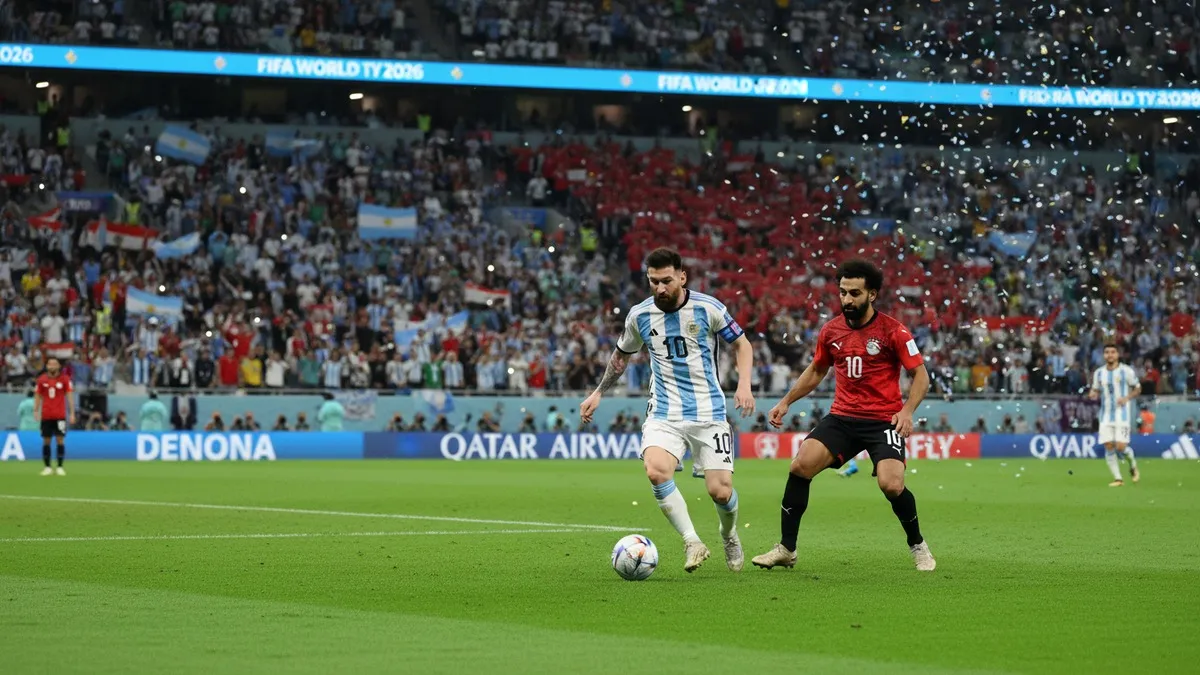
Pierluigi Collina has basically told Egypt to cool it after that wild 3-2 loss to Argentina in the last 16. The EFA want an investigation, pointing at VAR and “double standards”. Collina’s reply leans hard on FIFA refereeing integrity, saying the officiating team answered to the laws, not the noise. It is the classic post-match fight: fans see moments, officials see sequences.
The flashpoint is Mostafa Zico’s disallowed goal. From the stands, it feels like VAR is hunting for reasons to chalk stuff off. Collina’s line is that the goal was never “about the finish”, it was about a foul earlier in the move. That matters because VAR is meant to correct clear errors, not re-referee everything. But once you start rewinding phases, you invite the accusation that only one side gets the microscope.
Then there’s the Salah incident, which Egypt say was a stonewall foul and a turning point. Collina defending the non-call is really him defending the threshold. World Cups always have that tug of war between letting games breathe and protecting attackers. The problem is consistency: if Lisandro Martinez gets away with a heavy challenge here, but Egypt get pinged for something similar later, people stop hearing “interpretation” and start hearing “bias”.
Collina also pushed back on the idea of outside influence, stressing the autonomy of FIFA’s refereeing department. That’s important, because FIFA refereeing integrity is fragile in the public eye. VAR was sold as clarity, but it often delivers debate with better camera angles. If FIFA want trust, they have to show their workings. Audio releases, clearer explanations, and more uniform standards would do more than any press conference.
Bruno Guimaraes transfer news always lands with a thud on Tyneside because he is the midfield’s heartbeat, not just another saleable asset. If he has genuinely asked to go, it changes the whole summer. Newcastle can say “not for sale” all they want, but once a player’s head turns, the clock starts ticking, especially with Arsenal sniffing around.
The timing is brutal. Sandro Tonali’s move to Spurs already ripped out a big chunk of control and ball progression, and it also sent a message to the rest of the squad that big names can be prised away. That is why an Arsenal bid Guimaraes story feels less like gossip and more like the next domino. Newcastle’s leverage depends on contract strength and Champions League pull, but the mood matters too.
From Arsenal’s side, it makes football sense. They want a midfielder who can win duels, play through pressure, and still arrive in the box. Guimaraes does all three, and he would let Arsenal rotate without losing their tempo. For Newcastle, the question is whether you can replace his mix of bite and calm. Guimaraes replacements are never like-for-like, so you plan for a different midfield.
That is why the scouting list reads like a club trying to cover multiple outcomes. Lamine Camara at Monaco brings legs and ball-winning, while Kevin Danois at Auxerre looks more like a long-term development play. Sean Steur from Ajax fits the “smart young technical” profile, and Johan Manzambi is another name for the future. Newcastle United news right now is basically contingency planning in public.
The bigger worry is identity. Eddie Howe’s best Newcastle sides squeezed teams, played fast through midfield, and used Bruno as the connector between chaos and control. Lose him after losing Tonali and the spine looks thin, no matter how many promising kids arrive. Premier League updates will frame this as a money story, but it is really about whether Newcastle can keep their level while rebuilding on the fly.
The Marco Rose Bournemouth appointment is the sort of swing you only take when you think you have properly arrived. Sixth place last season was not a fluke, it was a statement. Andoni Iraola built a side that played on the front foot and looked comfortable mixing it with the big teams. Replacing that without losing momentum is brutal. Bournemouth have gone for pedigree and presence, not a project coach.
Rose’s CV screams high-tempo football, but it also screams expectation. Dortmund and Leipzig are not forgiving jobs. You win, or you get moved on. That matters here because the Premier League will test his ideas every week, not just in the top six games. The big question is how the Marco Rose Bournemouth appointment translates when the squad depth is thinner and the margins are nastier.
Steve Fletcher’s comments about Rose matter more than people think. Bournemouth are a tight club. Training ground culture and staff buy-in is part of why they have punched above their weight in recent seasons. If Rose is already walking around, talking to everyone, learning names, that is smart management. You can sell intense football if players feel you are human first and boss second.
There is also a bit of timing to this. Iraola leaving after a strong year changes the mood, because fans had started to believe in a long build. So Bournemouth need the Rose era to feel like continuity, not a reset. The MrQ sleeve deal and the beach towel mosaic are fun, but the real marketing is results. If Rose keeps the press, keeps the bravery, and adds a bit more control, this could fly.
Arsene Wenger’s latest Wenger World Cup prediction feels less like pundit noise and more like a coach spotting patterns early. France have that familiar tournament shape again. They can play messy, survive a wobble, then hit you with two transitions and it’s over. When Wenger says their speed and strength separate them, he’s basically describing why knockout football keeps rewarding France under Didier Deschamps.
Kylian Mbappe is the obvious headline, but it’s the way France build the stage for him that matters. They don’t need to dominate the ball. They need the game to stretch. When Mbappe gets isolated against a full-back with space behind, it’s panic stations. That’s why this Wenger World Cup prediction lands. France can win without looking “better” for long spells, because their best moments are decisive.
Morocco in the quarter-finals is exactly the kind of tie that tests that theory. They sit in, they suffer, they make you repeat the same pass sequence until you lose patience. France have the tools to avoid that trap, but only if they stay sharp in the first hour. If Morocco keep it level late, the crowd belief grows and France’s transitions get harder to find.
Wenger dismissing England is harsh, but you can see the logic. England often need control and rhythm, and knockout ties rarely give you both. Spain, though, are a different problem. Their technical security can starve France of those counter moments, and their tactical maturity means they can press and rest with the ball. If Lamine Yamal and Mikel Oyarzabal keep offering threat at the end of long moves, that’s the one matchup that can flip any Wenger World Cup prediction on its head.
Virgil van Dijk transfer news hitting in July feels like someone tugging at the last bit of Liverpool’s spine. With Salah already gone and Robertson out the door too, you can see why fans are jumpy. Van Dijk is not just a centre-back now, he is the captain and the organiser. If he moves, Liverpool are not replacing one player. They are replacing the whole defensive voice.
The noise around his form matters because it shapes what clubs think they can get away with. Rafael van der Vaart calling out his agility is harsh, but it lands because Van Dijk has looked more human in big transition moments. He still reads danger well, but the recovery sprints are not as effortless. In the Premier League, that tiny drop turns into huge spaces behind the line.
What changes this story is the suggestion Liverpool might actually listen. Earlier vibes were “not for sale”, but now the summer transfer window logic kicks in. If a new coach like Andoni Iraola wants to set pressing triggers and defend higher, he needs centre-backs who can live in footraces. Keeping Van Dijk can still work, but it demands the right partner and structure, probably Konate plus more protection.
From AC Milan’s side, it’s easy to see the appeal. Serie A can suit elite defenders who win duels and control the box, and Milan have missed that authoritative leader at times. The catch is money. Van Dijk’s wages are a different world, and even if Liverpool soften on a fee, the salary and contract length decide everything. Virgil van Dijk transfer news will keep rumbling until one club blinks on the numbers.
Lamine Yamal transfer news does not usually come with a direct sales pitch, but his El Mundo Deportivo quotes about Julián Álvarez feel properly personal. It is rare to hear an 18-year-old talk like a senior voice in the dressing room, pointing at a rival club’s star and basically saying, come play with us. It also tells you how confident Yamal is in what Barcelona are building.
On the pitch, the case for Julián Álvarez Barcelona links is not hard to make. Álvarez is not just a finisher. He presses, he runs channels, he links play, and he can play as a nine or off the striker. That matters for Barça, who often need someone to attack the box when the wingers pin full-backs. Yamal’s cut-backs and early crosses would suit Álvarez’s sharp movement.
The Atlético Madrid news angle is the real spark, though. If there is genuine friction with Diego Simeone, it usually comes down to role and control. Simeone wants structure, sacrifice, and patience. Álvarez, as a World Cup winner in his prime years, will want a central role and a team that dominates the ball more often. That is where FC Barcelona transfer rumors start to feel less like fantasy and more like timing.
Still, Barcelona have their own reality check. Money, registration limits, and the need to balance the squad all sit behind any big move. Atlético will not sell cheap, and they do not like feeding rivals. That is why the Yamal Álvarez comments matter. Players recruit players now. Lamine Yamal transfer news becomes a soft power play, and it also shows Barça’s dressing room believes it can attract elite talent again.
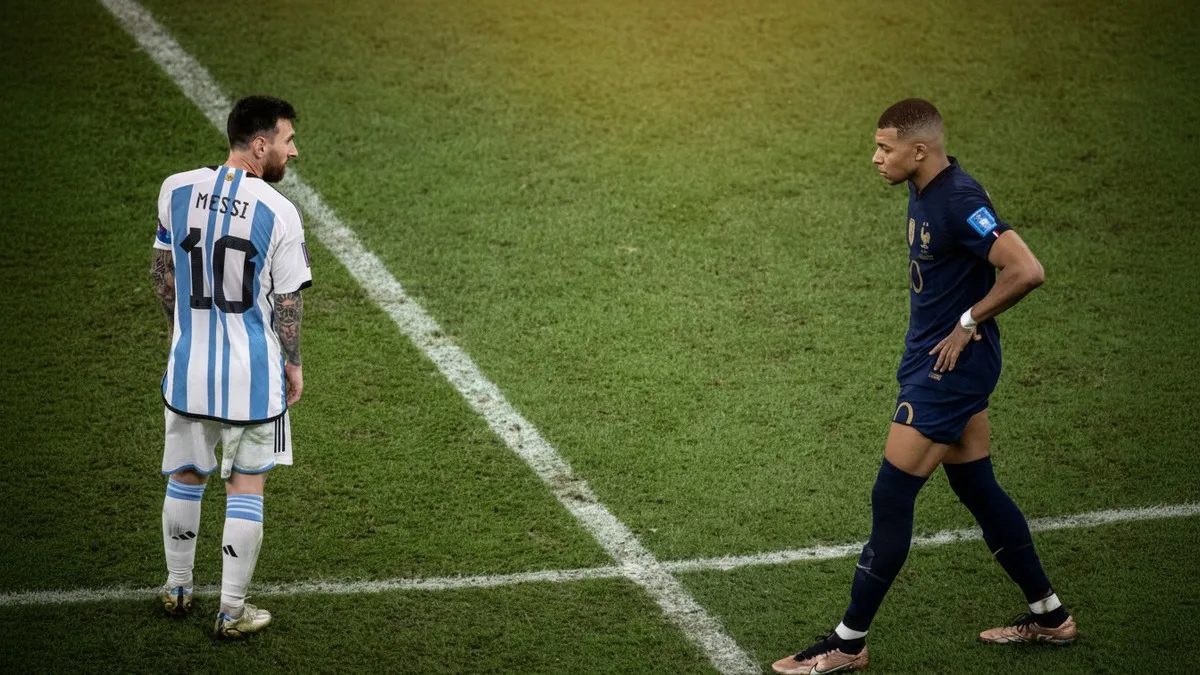
The quarter-finals always sharpen the conversation, and the 2026 World Cup Golden Ball candidates list is suddenly less about reputation and more about who’s dragging their team over the line. Lionel Messi is still doing that familiar thing where matches bend to his tempo, even when Argentina look scrappy. Kylian Mbappe is the opposite, pure acceleration and chaos, and he’s built for these nights.
Messi chasing a third Golden Ball is mad when you say it out loud, but the case writes itself if Argentina keep winning. He’s not racking up highlight reels every five minutes. He’s picking the right moments, turning dead attacks into set pieces, and making defenders back off. That stuff counts in tournament voting. It’s also why the 2026 World Cup Golden Ball candidates chat keeps circling back to him.
Mbappe’s pitch is simpler: numbers and fear factor. After 2022, everyone expects him to explode in knockout games, and he’s still that guy. The twist is Ousmane Dembele giving France a second match-winner, not just a helper. If Dembele keeps scoring, he steals some of Mbappe’s spotlight, but he also makes France harder to stop. That’s a good problem for Didier Deschamps, bad news for everyone else.
Cristiano Ronaldo at 41 is the romantic subplot, but it’s not just vibes. Portugal look like they believe in a last dance, and that belief can carry you a round or two. For the 2026 World Cup Golden Ball candidates, though, he needs a defining knockout moment, not just leadership. Meanwhile Achraf Hakimi has been Morocco’s engine, basically a winger and full-back in one, and that stands out when an underdog keeps surviving.
Don’t sleep on the quieter impact picks either. Leandro Trossard has had that “right decision every time” tournament, which coaches love even if awards don’t always. And Ismael Saibari’s rise is the classic World Cup effect: one brave performance after another and suddenly clubs are calling. From here, it’s simple. Quarter-finals decide legacies, and the Golden Ball usually follows the last man standing.
The Brazil World Cup elimination has landed like a brick, not just because they went out early, but because it looked flat and unsure. When a squad this stacked plays like it is waiting for someone else to fix it, the noise gets loud fast. Romario going public is no surprise. He is saying what a lot of fans are shouting at the TV.
His sharpest point was Endrick. The kid missed a huge chance against Norway, and Romario’s line is simple: age is not a shield. That is harsh, but it is also how Brazil has always treated forwards. You wear the nine, you finish. Still, the bigger issue is why Endrick was put in moments that demanded calm without a structure that helped him get there.
That’s where Carlo Ancelotti takes the heat. Romario criticism is aimed at tactics, and you can see why. Brazil looked like they had names, not patterns. There was too much standing around waiting for Vinícius Junior to create something out of nothing. Ancelotti’s calm style can work at club level with months of training. In tournament football, it can turn into passive decision-making if roles are not crystal clear.
The missed penalty argument says a lot about leadership. If Bruno Guimaraes is stepping up while Vinícius Junior hangs back, that is either a pre-set order or a dressing room that hasn’t settled its hierarchy. Either way, it looked messy, and mess spreads. The Brazil World Cup elimination feels like a team still negotiating who is in charge when pressure hits.
Now the CBF coaching staff debate is the real battleground. Sacking Ancelotti might satisfy the anger, but it risks another reset with the same old problems. Keeping him only works if Brazil commit to a clearer spine, firmer responsibilities, and less improvisation as a plan. Fans can accept losing. They cannot accept looking clueless while losing.
The Cristiano Ronaldo World Cup 2026 story ends in the most brutal way. One moment, one lapse, and you are on a plane. Portugal held Spain for 90 minutes in Dallas, managed the game pretty well, then got hit in stoppage time by Mikel Merino’s winner. It was a classic knockout lesson. You can be solid for ages, but you cannot switch off once.
Tactically, Portugal looked like a side trying to control risk rather than impose chaos. That makes sense when your margins are thin and your opponent keeps the ball like Spain do. But it also meant Portugal didn’t create enough clear chances to make the pressure tell. When you sit in that middle block and rely on counters, every final pass matters. Portugal’s just didn’t land often enough.
Ronaldo’s part in Cristiano Ronaldo World Cup 2026 will be debated, as always. The numbers are still silly: 143 goals in 226 caps, and you do not fluke that. But this game felt like the late-stage version of the Ronaldo era. He still draws defenders, still forces decisions, but Portugal needed someone else to turn those moments into goals. Spain survived the aura and won the details.
That’s why his 2018 hat-trick against Spain still hits so hard. It was peak Ronaldo, dragging a match by the collar and refusing the script. This Portugal World Cup exit does not erase the legacy, it just underlines how rare those nights are. And while the tournament’s 48-team, 16-city sprawl is meant to create more stories, the big ones still hinge on one finish.
Off the pitch, the FIFA World Cup tickets situation tells you everything about this World Cup history moment. Over 500 million requests in the lotteries, and now the leftovers are basically scraps. Fans will still hunt for seats, especially for the later rounds, but ticket availability is tight. Cristiano Ronaldo World Cup 2026 might be over, yet the demand is only getting louder.
International football barely allows football dynasties, because tournaments are short, squads reset fast, and one bad night sends you home. That’s why Brazil’s 1970 team still feels like the gold standard. They did not just win. They controlled games with the ball, scored freely, and looked comfortable doing it. Pelé was the centre, but the whole side played like a club team.
What makes the Brazil 1970 team so hard to match is the blend of stars and structure. Carlos Alberto’s overlap and finish in the final is the famous image, but the scary bit was how many players could decide matches. You could focus on Pelé and still get punished elsewhere. Compare that to later champions who often lean on one or two match-winners and a tight system.
If you want modern football dynasties, Spain’s 2008 to 2012 run is the cleanest example. It was not about individual moments as much as control, pressing, and passing patterns drilled into everyone. Barcelona’s influence was obvious, and it gave them tournament consistency. Germany’s story is different but just as telling. Their development pipeline kept producing solutions, from Beckenbauer’s era to later teams built around depth.
Now France football sits closest to the next dynasty, and it all revolves around Kylian Mbappe. He already has the big tournament resume, and France keep producing elite athletes with tournament-ready mentality. Didier Deschamps has been the stabiliser, picking balance over romance and getting buy-in. The big question is what happens after him, because dynasties usually need the same voice for multiple cycles.
Messi Argentina in 2022 shows the other route. It was a peak moment built around one leader, plus a squad that finally played for him without fear. That is not a dynasty so much as a perfect alignment. France’s 2026 shot feels more repeatable, especially if Mbappe’s club future, whether at Paris Saint-Germain or Real Madrid, keeps him sharp and central. But international football success is ruthless. One injury, one red card, and the dynasty talk disappears.
This Feyenoord transfer news cycle feels like the same problem popping up in three different positions. The club wants to move early, but the Feyenoord financial situation is forcing them into waiting games and cheaper pivots. Martijn Krabbendam’s read is basically that the plan is clear, the cash flow is not. That matters because Feyenoord usually win windows by being decisive, not by shopping late.
Goalkeeper is the cleanest example. Tjark Ernst transfer talk keeps circling because he fits the profile, but a €5 million buyout clause is a hard line when you are counting every outgoing euro. If you pay it, you probably lose flexibility elsewhere. That is why Ørjan Nyland keeps coming up. No fee helps, but it also changes what you are buying: short-term security instead of a long-term asset.
Midfield is messier. Sami Ouaïssa looks like the kind of NEC player transfer Feyenoord have nailed before, a step-up talent with resale potential. But NEC are right to wait for a concrete offer, because they know Feyenoord are squeezed. The Basar Önal move to LOSC Lille adds pressure too. It is another reminder that good Eredivisie-level targets do not sit around while you sort the numbers.
Then there’s the squad updates that actually affect the pitch in August. The Jordan Bos injury leaves left-back thin fast, with Gijs Smal suddenly the only fit option. That changes transfer priorities, because depth is not a luxury when qualifiers and early league games hit. Feyenoord transfer news this summer is really about choosing which fire to put out first, and hoping the market does not punish hesitation.
The France 2026 World Cup kits are a proper swing, and you can tell Nike and the French Football Federation wanted something that screams host nation without slapping flags everywhere. The Statue of Liberty reference is clever because it’s both French and American, so it fits the tournament setting. It also lands at a moment when kit culture is as loud as any pre-match debate.
The home shirt does the sensible bit well. That deep “Game Royal” blue feels classic Les Bleus, but the copper accents change the temperature of the whole look. Copper is risky, yet it nods to Liberty’s original colour before the patina, and it gives the badge and trims a premium edge. The modern polo collar is tidy, and the tonal patterning keeps it from looking flat on TV.
The away kit is where the conversation starts. A mint green France away kit is a first, and that’s why it’s trending. Some fans will hate it on principle, but tournaments are built on images, and this one will stick. Mint also plays nicely with the Liberty story and summer heat. If Mbappé tears down the wing in that colourway, it stops being “weird” very quickly.
What matters is whether these shirts feel like France, not just “football fashion”. The home kit should suit Griezmann’s tidy, technical vibe, and it won’t clash with the usual navy shorts. The away kit might need careful pairing so it doesn’t look like a training top. Kanté in mint might be the ultimate irony, though. Either way, the France 2026 World Cup kits show the FFF is happy to take a punch for trying something new.
Morocco World Cup 2026 has that familiar feel again. Not because they are blowing teams away, but because they keep finding the moment that matters. Mohamed Ouahbi has them playing with patience and a bit of edge. A 1-1 with Brazil showed they can suffer without folding. The Scotland win was pure control. Then Haiti got the full chaos version, and Morocco still came out on top.
The Netherlands game was the turning point. In a knockout stage, you learn fast who actually believes. Morocco looked cooked, then Issa Diop pops up with that late equaliser and flips the whole mood. Penalties are always a coin toss, but the Atlas Lions looked calmer, like they had already lived this movie in 2022. That matters. You could see it in the body language, especially when the pressure ramped up.
Canada in the Round of 16 was different. It was comfortable, almost clinical, and that is new for Morocco at this level. Azzedine Ounahi ran the midfield like he had a remote control, always available, always turning away from pressure. Soufiane Rahimi gave them the direct threat, the runs that stretch a back line and create space for everyone else. A 3-0 in a World Cup knockout stage is a statement.
Now it is Morocco vs France, and the whole Morocco World Cup 2026 story gets measured against the best. France will test their fullbacks, their transitions, and their concentration on set pieces. Morocco need the same compact block, but they also need bravery on the ball, not just survival. Fans are already circling July 19 at MetLife, and ticket sales tell you the belief is real again.
Keep your eyes peeled for more updates as the World Cup unfolds. The drama is just getting started, and you won’t want to miss a moment!
Julian Mercer is a lifelong student of the game whose passion for football was sparked at an early age, after stepping onto the grass of Camp Nou as a six-year-old — a moment that left a lasting impression and set him on a permanent path into the sport. Since then, football has been both his lens on the world and his favourite language. Blending traditional fandom with a deep interest in tactics, squad building, and long-term team development, Julian has spent decades analysing the game from every angle. His fascination with football strategy was further shaped through years of immersive play in Football Manager, a series he has followed since the mid-1990s, developing a sharp eye for patterns, player profiles, and the fine margins that define success. At My World Of Football, Julian focuses on the stories beneath the surface — from tactical evolutions and managerial philosophies to the narratives that connect clubs, players, and supporters across generations. His writing aims to balance insight with accessibility, always grounded in a genuine love for the game.
Continue reading more football news