Football News Today: Messi retires, transfers heating up
Big stories today include Messi's retirement and the buzz around Premier League transfers. Fans are feeling the heat after the World Cup.
Big stories today include Messi's retirement and the buzz around Premier League transfers. Fans are feeling the heat after the World Cup.
What a day in football! Lionel Messi hangs up his boots after a legendary career, leaving fans to reflect on an incredible era. Meanwhile, the Premier League is buzzing with transfer activity as clubs look to bolster their squads post-World Cup. It’s not just England, though; the ripples are felt across Europe. And let’s not forget the fallout from that fiery World Cup final. Buckle up, it’s a wild ride!
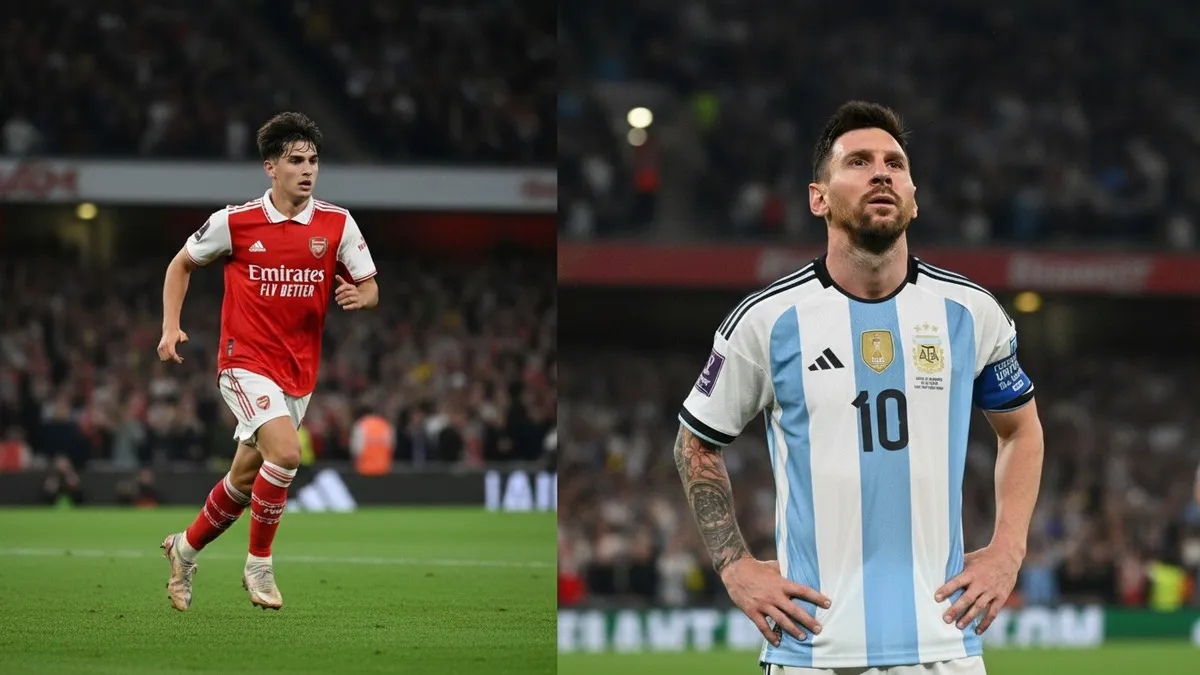
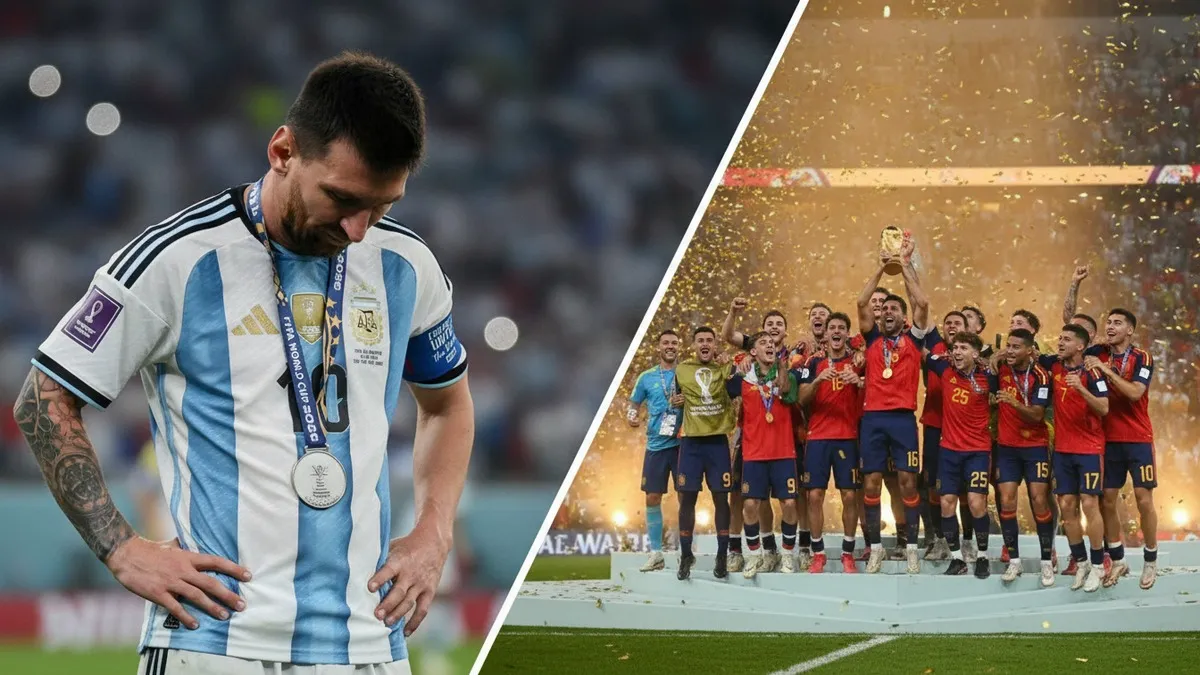
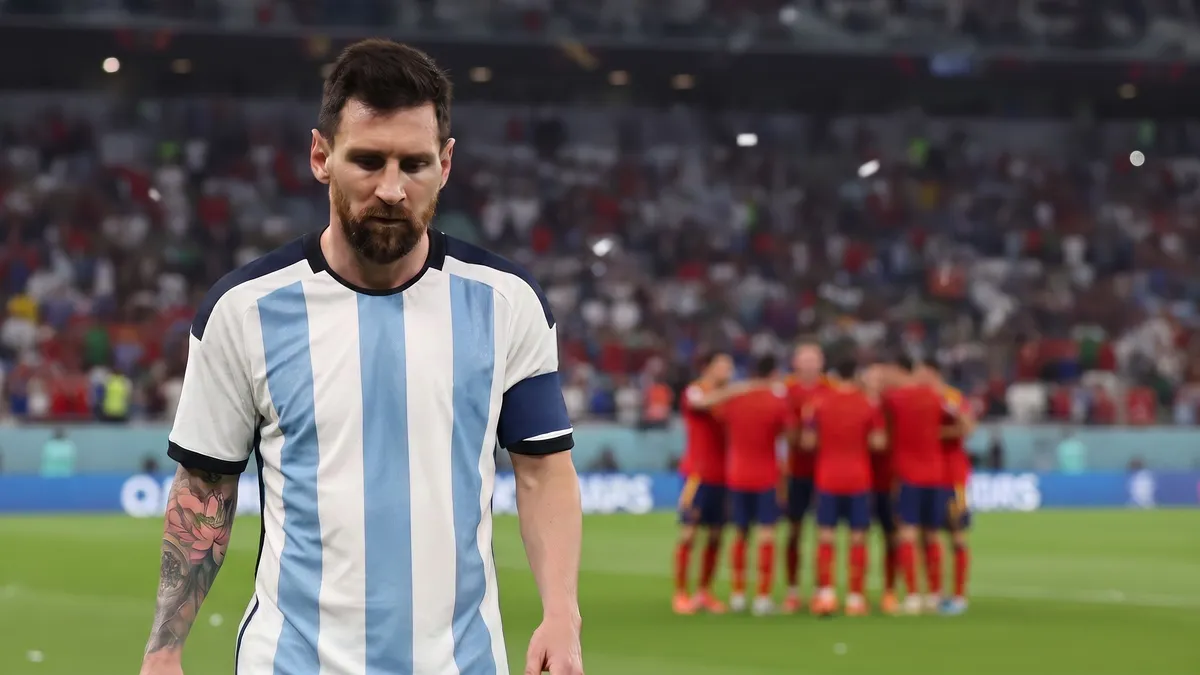
Lionel Messi retirement from international football, right after losing the 2026 World Cup final to Spain, lands like a door shutting. Not because he was carrying Argentina out of obligation, but because he still looked like a problem for elite teams. Eight goals and four assists at this age is not nostalgia, it is production. That is what makes the timing so brutal.
The dressing room speech is the part that will stick. Messi has never been a big public narrator of his own story, so when he chooses that moment, it tells you he had decided this could be the last ride. Losing a final can push you either way. For him, it sounds like closure. The Albiceleste got the full version of him, not a ceremonial cameo.
On the pitch, Spain were the kind of opponent that exposes tiny physical declines. They keep the ball, they move you, they make you defend with your legs and your lungs. Argentina’s plan always needs Messi to pick the moment, then make the moment. In this tournament he still did it, but finals can come down to one lost duel or one extra sprint. That is football.
For Argentina football, Lionel Messi retirement changes the whole emotional centre. The next cycle cannot be built around waiting for number 10 to solve it. It has to be built around structure, pressing, and spreading responsibility. The tricky bit is replacing the calm. Messi gave teammates permission to play because he never panicked. Now the next leaders have to create that feeling without his shadow.
And yes, he is still at Inter Miami, still playing weekly, which will only fuel the “why not one more window?” debates. But international football is a different tax. Travel, altitude, short camps, and the weight of a country. His Barcelona medal haul and PSG stop are club history. This decision is personal history, and it sets a hard line under an era.
Pre-season always throws up a couple of surprise names, but summer 2026 feels different. The World Cup hangover means staggered returns, managed minutes, and some senior lads not even on the plane for the early tour games. That creates proper space for Premier League pre-season youngsters. Not just token cameos either. Managers need bodies, intensity, and goals, and teenagers can suddenly become the safest option.
Liverpool’s Josh Abe is the obvious one to circle. Eight in ten at Under-18 level is tidy, but the more interesting bit is how Liverpool use their young forwards. If Abe can press like a first-team player and attack the box with timing, he will get minutes in friendlies. Liverpool academy players usually get judged on out-of-possession work as much as finishing. That is where the jump really is.
At Manchester United, JJ Gabriel’s 23-goal U18 season screams “give him a look”, but the test will be whether he can find shots against grown-up centre-backs who do not bite on every feint. United’s pre-season often swings between chaos and experimentation, so Manchester United prospects can rack up opportunities fast. If Gabriel links play and doesn’t go missing between chances, he can stay in the conversation.
Chelsea’s Landon Emenalo feels like a different type of bet. Chelsea youth stars get chances, then get drowned by numbers. His versatility is his weapon. If he can play as an eight, a ten, or tucked wide, he becomes useful across a long pre-season schedule. Everton’s Braiden Graham is the other one I like. Twenty-five youth goals is serious, and Everton rising stars tend to get fast-tracked when the squad looks light. For all these teenage football talents, the key is simple: do the boring bits, and the manager will trust you.
The 2026 World Cup always does this. It eats the oxygen, then suddenly you look up and the Premier League transfers 2026 list is stacked. Clubs used the tournament noise as cover, getting deals done without the usual week-long circus. It matters because the market feels split. The elite still spend like it is nothing, while the rest hunt for value and specific roles.
Tottenham’s double move for Sandro Tonali and Mateus Fernandes screams “fix the middle” rather than chase a shiny winger. Tonali gives them control and bite, the kind of midfielder who can manage ugly away games. Fernandes looks more like a development bet, but Spurs have needed legs and ball progression for ages. These are Premier League signings that actually fit a plan, not just a name.
Chelsea, though, are back doing Chelsea. Morgan Rogers for £117 million is a statement fee and a massive bet on output matching potential. If he becomes a 15-goal, 10-assist forward, nobody blinks. If he does not, it drags the whole attack into another rebuild cycle. In the summer transfer window, that kind of price also resets expectations for everyone else selling attackers.
The fun part is lower down. Ipswich Town dropping £26.5 million on Emersonn is bold, but it tells you they are planning to stay up, not just enjoy the ride. Aston Villa taking Joao Gomes from Wolves for £38 million feels like smart Premier League transfers 2026 business. He is already adapted, nasty in duels, and perfect for games where Villa need to win second balls.
Then you have the quieter wins. Arsenal grabbing Illan Meslier on a free is classic squad management, insurance without burning budget. Crystal Palace picking up Oscar Mingueza from Celta Vigo is the kind of move that can look boring until you watch him defend wide spaces and step into midfield. These 2026 World Cup transfers that slipped by could shape weekends more than the headlines.
Ajax transfer news feels a bit calmer for once, and that is the point. That 1-4 at Vojvodina was only a friendly, but it showed a team with spacing and roles, not a bunch of lads freelancing. Pieter Zwart’s optimism makes sense because last summer Ajax looked like they were still building the map while trying to drive the car.
The big tell is what Jordi Cruijff is hunting for in midfield. Replacing Youri Regeer with a controlling midfielder is not just about “a six”, it is about control under pressure and tempo in possession. Regeer can play, but Ajax want someone who wins second balls, turns away from the press, and keeps the centre stable when full-backs push on.
Lentin Goodijk’s point about a double six formation is where the tactics get interesting. Ajax tactics usually lean on one pivot and a high eight, very Dutch, very vertical. A double six suggests Cruijff and Míchel want two screeners who can both build and cover, letting the 10 stay higher and the wingers hold width. It is safer, but it can still be aggressive if the passing angles are right.
That is also why the Caio Henrique link matters. A left-back who can step into midfield or play the early diagonal changes the whole left side. If he arrives, the double six can shift across and protect transitions while he inverts or overlaps. More Ajax transfer news will follow, but the outline is clear: structure first, then flair on top.
Calvin Stengs transfer news does not usually land with a contract termination, but that is where Feyenoord and the player have ended up. A mutual split tells you both sides wanted a clean reset, not another year of half-promises and squad juggling. Feyenoord get wage space and clarity. Stengs gets control of his next step, which matters at 27.
The Pisa loan was meant to be the reboot. Instead it turned into a brutal reminder of how quickly a season can disappear when your body will not cooperate. Forty-two minutes in Serie A is basically a footnote, and it is hard to build rhythm or confidence from that. Pisa’s relegation then killed any buy option logic, even if their president talked him up early.
That context matters when people judge him. Stengs has always been a timing player, sharp combinations, clever movement, that little pause before the final ball. Those qualities need repetition. Injuries steal that, and a relegation scrap is the worst environment for a player trying to feel his way back. Calvin Stengs transfer news now reads like a rescue mission as much as a move.
AZ Alkmaar rumors make sense on the football side, not just the nostalgia. AZ have lost Sven Mijnans, and they usually replace smart rather than loud. Stengs knows the club, the league, the tempo. He would not need months to learn patterns. The question is role and physical trust. AZ will want availability, not just highlights.
His goodbye to Feyenoord sounded genuinely heavy, and that is telling. Players do not thank staff and fans like that unless they feel they are leaving something unfinished. Feyenoord news will frame it as a squad decision, but it is also a player trying to reclaim his career. If he lands back in the Eredivisie and stays fit, the narrative flips fast.
The Enzo Fernandez Chelsea future feels like it has hit that awkward stage where nobody wants to blink. He is back from his post-World Cup break, but the noise has not died. He has made it clear he wants out, yet Chelsea have planted the £120 million flag and dared the market to meet it. Most clubs have simply stepped back.
That price tag is the whole story. Chelsea paid big, gave him a central role, and they are not taking a haircut after one turbulent year. It is also why the “dream” Real Madrid move has fizzled. Madrid publicly denying any interest matters because it kills the main leverage his camp might have used. Without that pull, the Enzo Fernandez agent has fewer obvious doors to knock on.
The World Cup impact is hard to ignore too. The red card in the final put a spotlight on his temperament at the worst time, and big clubs hate buying into a storm. That does not make him a bad player, but it changes the conversation. If you are spending £120 million, you want clean headlines and certainty. Right now, the Enzo Fernandez Chelsea future offers neither.
Xabi Alonso comments about wanting to keep him are not just manager speak. Alonso needs a midfielder who can take the ball under pressure and play forward early, and Enzo can do that. The issue is mood and buy-in. If the player is half in, half out, the whole midfield balance goes. Chelsea transfer news linking them to Bournemouth’s Alex Scott reads like sensible insurance, not a straight swap.
Scott would give Chelsea legs, carrying, and a different type of intensity, but he is not a like-for-like controller. That is why this standoff matters. If Enzo stays, Alonso can build around him and fix the structure. If he goes, Chelsea’s midfield options need a rethink, not just a replacement name. For now, it is limbo with a very expensive lock on the door.
Aurelien Tchouameni transfer news feels weird because the lad has just signed through 2031, yet the chatter says he could still go for around £68m. That number lands like it is from a different market. Real Madrid do not usually blink first. But contracts can be protection as much as commitment, and Madrid love keeping control of the timing.
The logic being floated is simple: money. If Madrid want to take a serious swing at Rodri, they need room in the books and cash up front. That is where United come in. They have been circling for ages and reportedly went as high as €120m before. If Madrid are suddenly open to £68m, it screams “we need liquidity,” not “we have doubts.”
What makes it messy is squad balance. Right now Tchouameni is basically their only senior defensive midfielder. You can talk about Fede Valverde doing a job there, but he is at his best when he can fly and press, not sit and screen for 90 minutes. Mourinho, if he really is calling the shots, usually wants a proper anchor. Selling the only one is a massive tactical gamble.
From United’s side, this is the kind of deal you pounce on. They need a midfielder who can defend space, win duels, and let others play. The fee looks almost “pre-inflation” when you compare it to what top clubs have paid for less complete players. Still, Aurelien Tchouameni transfer news can flip fast if Madrid decide Rodri is unrealistic or if the buyer gets squeezed into a bidding war.
So the real tell will be Madrid’s next move. If they accelerate on Rodri transfer rumors, the Tchouameni exit story gains weight. If not, the new deal starts to look like the whole point: keep suitors at arm’s length. Either way, United should test the waters early, because once Madrid settle on a plan, they rarely negotiate in public for long.
The Vinicius Junior Liverpool transfer chatter is basically the 2027 version of a slow-burn saga. He is tied to Real Madrid until 2027, but when talks stall this early, everyone starts counting down. His numbers are ridiculous for a winger, 128 goals and 98 assists in 375 games, and he has already ticked off LaLiga, Copa del Rey, and two Champions Leagues.
Madrid’s side of this is simple. Vinicius is not just a star, he is an identity player, the guy who stretches games and scares full-backs into sitting five yards deeper. Losing him for free would be a self-inflicted wound, especially with the club’s recent habit of controlling exits. The Real Madrid contract situation matters because it shapes the next two seasons of planning and recruitment.
Liverpool interest makes sense too, even if 2027 feels miles away. If you are building a title team, you want elite match-winners on the left who can also play in transition. A free agent is the dream, but it is also the hardest deal in football to actually pull off. Bayern and PSG monitoring it just raises the temperature and the wages.
What changes things is the human side. Vinicius has dealt with constant noise in Spain, and contract limbo can make any player feel exposed. If he feels Madrid are hesitating, it can affect comfort, and comfort affects risk-taking on the pitch. The Vinicius Junior Liverpool transfer angle will keep popping up every time he has a quiet month or every time Madrid drop points.
Still, Madrid hold the real leverage right now. They can renew, or they can push for a sale well before 2027 if the mood turns. Liverpool’s best hope is that the stalemate drags on and Vinicius decides he wants a new league and a new life. Until then, it is Vinicius Junior news that suits everyone’s agenda, but not yet a deal.
Antwerp transfer news feels like it is moving with purpose this summer, not panic. Marc Overmars knows the Jupiler Pro League does not forgive slow starts, especially when you are trying to stay sharp in Europe and domestically. The talk is midfield control and more punch up front. That is sensible. Antwerp FC looked a bit predictable at times last season when transitions got messy.
Mauricio Benitez is the obvious one to sort out first because he already fits. His loan spell was not just “nice minutes” either. He grew into games, offered legs in the press, and kept the ball moving quickly enough to stop Antwerp getting stuck in safe passes. The problem is classic Antwerp transfer news stuff. Boca Juniors know they have a player who now looks ready and they want paid accordingly.
That is where the negotiation gets interesting. Antwerp are not shopping like a Premier League side, so the play is usually structure, not headline fee. Lower base fee, add-ons, sell-on, maybe even another loan with an obligation if certain targets hit. Boca Juniors can hold firm, but they also have their own squad planning and cash needs. Antwerp’s leverage is that Benitez has already shown he can develop here.
Up top, the Snayder Porozo link screams “future value” as much as immediate help. At 19, coming from Aucas, you are buying tools and mentality, not a finished striker. The upside is pace, hunger, and a profile Antwerp can polish, then either build around or sell on. The risk is adaptation, finishing consistency, and physical duels. Antwerp transfer news suggests Overmars wants both: a ready-made attacker and a punt with upside.
The balance matters. If Benitez becomes permanent, Antwerp FC can spend smarter on the forward line because the midfield base is stable. If the Benitez deal drags, they might need a different midfielder, and that changes the budget for a striker. Either way, the window is telling you Antwerp are planning for August points first, while still keeping one eye on what the squad could be in two years.
The 2026 World Cup petitions popping up this week feel like football’s version of shouting at the telly, only with a “sign here” button. After Argentina’s 3-2 over Egypt, a Change.org petition demanded a replay as if missed chances count as grounds for a do-over. Egypt had openings, sure, but that is tournament football. You take them or you regret them.
The bigger noise came from the Argentina Spain final, where a separate petition pushed referee bribery claims without anything solid behind it. That is the problem. Once you frame a tight game as “stolen,” every normal decision becomes evidence. Messi lifting the trophy turns into a conspiracy, and Sergio Romero’s saves get treated like footnotes. It’s an easy story to share, harder to prove, and that gap matters.
Then there’s the ArgentinaOut.org petition, allegedly boasting 28 million signatures and calling for an indefinite ban. That number alone should raise eyebrows. Even if it were real, FIFA does not run on internet tallies, and nor should it. Bans need investigations, charges, and due process. Otherwise any big nation could get mobbed out after a controversial night, and the sport turns into a popularity contest.
Steven Chicken calling this “slacktivism” lands because these 2026 World Cup petitions mostly offer emotional release, not change. They also create a tidy market for clicks and data, with fans doing the free labour. If you want real fan activism in football, push for transparent referee reports, better VAR communication, and accountable governing bodies. That’s slow, boring work. It’s also the only stuff that actually sticks.
The Bruno Guimaraes Arsenal transfer feels like the first proper swing of Arsenal’s summer, and it is a big one. After a quiet window and Trossard moving on, the squad has that slightly thin look in the middle and up top. Guimaraes is the kind of signing that changes the temperature. Not just a good player, but a tone-setter.
Arsenal transfer news has been stuck on “waiting for the right deal” for weeks, so the reported £70m offer reads like a line in the sand. Newcastle knocking back £55m plus add-ons was never a shock. They do not need to sell unless the number hurts. But once personal terms are agreed, it becomes a staring contest about timing and replacements.
That is where the Aladji Bamba Newcastle angle matters. If Newcastle are genuinely close to landing him from Monaco, it gives them cover to move Guimaraes without looking like they are weakening. It also gives Arsenal a window to push hard before the market shifts again. Premier League transfers often turn on one domino. Newcastle’s midfield planning is that domino here.
From a Mikel Arteta Arsenal point of view, Guimaraes fits the title-chasing problem. Arsenal can control matches, but they still get dragged into scrappy phases where they need someone to win second balls, take contact, and keep the ball moving under pressure. He can play as the single pivot or as the aggressive No.8. That flexibility matters across a long season.
For Newcastle United updates, losing their best midfielder is still risky even with a replacement lined up. Guimaraes is their tempo and their edge. But £70m is the sort of football transfer market money that can refresh two positions if spent smartly. For Arsenal, the Bruno Guimaraes Arsenal transfer would be a statement that they are not just defending a title challenge. They are trying to finish it.
Frenkie de Jong injury news is a rough one for Barcelona because it hits right at the start of a new cycle. A tear in the inner ligament of his right knee means he is likely watching the opening weeks from the stands, not setting the tempo. After a messy World Cup 2026 exit for the Netherlands against Morocco, the timing could not be worse.
The part that will really annoy Barca fans is the medical confusion. De Jong pointing the finger at the Dutch medical staff for playing down the problem is not just venting. It changes how you read the whole situation. If the first diagnosis said “minor,” he probably pushed through when he should have shut it down. That is how small knee issues turn into lingering ones.
From a football point of view, Barca lose more than a midfielder. They lose their safest exit route under pressure. When De Jong is fit, he carries the ball through the first press and gives everyone else cleaner touches. Without him, the build-up can get jumpy, and the centre-backs end up forcing passes. Frenkie de Jong injury news also means someone else must control rhythm, not just cover ground.
The conservative rehab plan under Barcelona’s medical team sounds sensible, even if “several weeks” is vague. Ligament tears punish shortcuts, and the club have to think past September, not just the first big league fixtures. De Jong also sounded fed up with the noise around his commitment, which tells you he knows how quickly injury talk turns into transfer talk at FC Barcelona.
There is also a wider lesson here about international tournaments. Players arrive with tiny problems, nations chase the next round, and clubs pay the bill in August. De Jong’s frustration is understandable, but the priority now is trust and clarity between both medical teams. Until he is back turning away from pressure again, Frenkie de Jong injury news will hang over Barca’s early-season plans.
Teun Koopmeiners transfer news is moving fast because Juventus look ready to cut their losses. It is not just form, it is fit. In Turin he never looked fully comfortable with the tempo or the constant tactical tweaks, and when your best trait is controlling games, you need a clear role. Juve now want the wage room and the fee to reset the squad.
The awkward bit is that Koopmeiners is not a bad player, he is just a specific one. At Atalanta he thrived when play ran through him, with runners ahead and a structure that gave him time to pick passes or arrive late in the box. Juventus have asked him to be more reactive, more vertical, and more defensive. That can make a midfielder look anonymous, even when he is doing the basics.
The links make sense. Turkish clubs like Besiktas and Galatasaray can offer big-game pressure but also a league where a technical midfielder can dictate more often. It is also a shop window for Europe if things click. Still, the Eredivisie angle feels natural. PSV and Ajax both build around midfield control, and Teun Koopmeiners transfer news will spark real debate there about price versus upside.
There is also the family subplot. Peer Koopmeiners attracting an offer from Club Brugge hints at a wider reshuffle around the brothers, and it matters because confidence and stability are huge for players trying to relaunch. On the Juventus side, selling Michele Di Gregorio too suggests a proper clear-out, not a single scapegoat. Expect more exits once the first deal sets the market.
The Argentina FIFA investigation feels like the hangover from a final that got away from them. Losing 1-0 to Spain at MetLife is hard enough, but the noise is about behaviour, not football. FIFA appointing a prosecutor tells you they are treating it as more than a couple of handbags. This is about setting a line for what is acceptable on the biggest stage.
Enzo Fernandez’s red card is the flashpoint because it gives the whole case a clear starting point. A straight red in a World Cup final is rare, and it shifts the conversation from “competitive edge” to “loss of control”. FIFA sanctions can bite harder than domestic bans too, especially if they judge it as violent conduct or intimidation around officials after the whistle.
The post-match details matter just as much. Assistant coach Roberto Ayala tangling with Dani Olmo is a bad look because staff are meant to calm things down, not add fuel. If FIFA decide the bench influenced the chaos, the Argentina national team could face punishments that hit future tournaments, not just individuals. That is where Nahuel Molina and Leandro Paredes being named in reports becomes relevant.
Context is doing Argentina no favours. The semi-final fallout against England, with the Falkland Islands angle hanging in the background, means FIFA will be extra sensitive to anything that looks like hostility spilling beyond sport. The Argentina FIFA investigation also puts the AFA in the frame. Financial penalties are one thing, but reputational damage is worse, because it follows you into qualifiers and every tight away game.
What Argentina need now is boring discipline. Own what happened, protect players from saying something daft, and let the football do the talking again. Spain will point to a “Spain match report” and say it was all there in black and white. Argentina will argue heat-of-the-moment. The Disciplinary Committee will decide which version sticks, and the World Cup final will be remembered for it.
FIFA’s Integrity Task Force coming out and basically saying the World Cup was spotless sounds reassuring, but it also feels a bit too neat. With that much money sloshing around, “no gambling issues” reads more like a legal conclusion than a football reality. World Cup betting irregularities are rarely a smoking gun anyway. They are usually small signals that only look obvious later.
That’s why the Group of Copenhagen report matters. Seven “yellow notices” is not the same as match-fixing, but it is the system telling you something odd happened in the markets. The Balogun example is the type that makes fans squint. A betting market around his participation after a red card incident is either confusion, sloppy bookmaking, or somebody trading on information they should not have.
The bigger context is volume. If the Group’s estimate of $240 billion wagered is even close, then you almost expect some World Cup betting irregularities just through noise, copycat punters, and automated trading models reacting to rumours. But the point of integrity work is to separate noise from manipulation. That requires transparency on what FIFA counts as “suspicious” and what gets quietly filed as “unusual but explainable.”
And this is where 2026 gets tricky. More matches means more markets, more niche props, and more low-attention games where weird betting patterns can hide. Even if the top end stays clean, the edges become vulnerable: late group games, dead rubbers, and moments like bookings or substitutions. If FIFA wants credibility, it needs to show its working, not just the final grade.
Keep an eye on those transfer talks heating up and the latest injury updates. It’s shaping up to be an exciting pre-season. Stay tuned!

Julian Mercer is a lifelong student of the game whose passion for football was sparked at an early age, after stepping onto the grass of Camp Nou as a six-year-old — a moment that left a lasting impression and set him on a permanent path into the sport. Since then, football has been both his lens on the world and his favourite language. Blending traditional fandom with a deep interest in tactics, squad building, and long-term team development, Julian has spent decades analysing the game from every angle. His fascination with football strategy was further shaped through years of immersive play in Football Manager, a series he has followed since the mid-1990s, developing a sharp eye for patterns, player profiles, and the fine margins that define success. At My World Of Football, Julian focuses on the stories beneath the surface — from tactical evolutions and managerial philosophies to the narratives that connect clubs, players, and supporters across generations. His writing aims to balance insight with accessibility, always grounded in a genuine love for the game.
Continue reading more football news