Myworldoffootball
Jupiler Pro League title race: Brugge under pressure
The Jupiler Pro League title race tightens as Club Brugge face a brutal run of away games, Union Saint-Gilloise surge, and Mignolet nears farewell.
The Jupiler Pro League title race tightens as Club Brugge face a brutal run of away games, Union Saint-Gilloise surge, and Mignolet nears farewell.
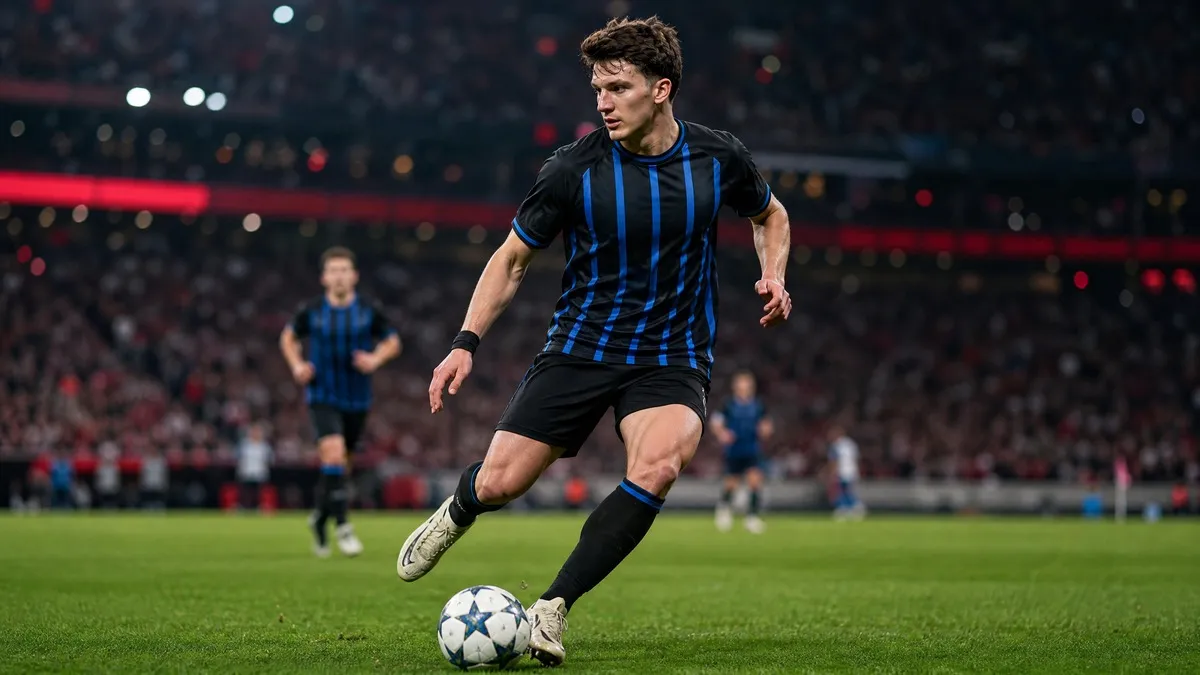
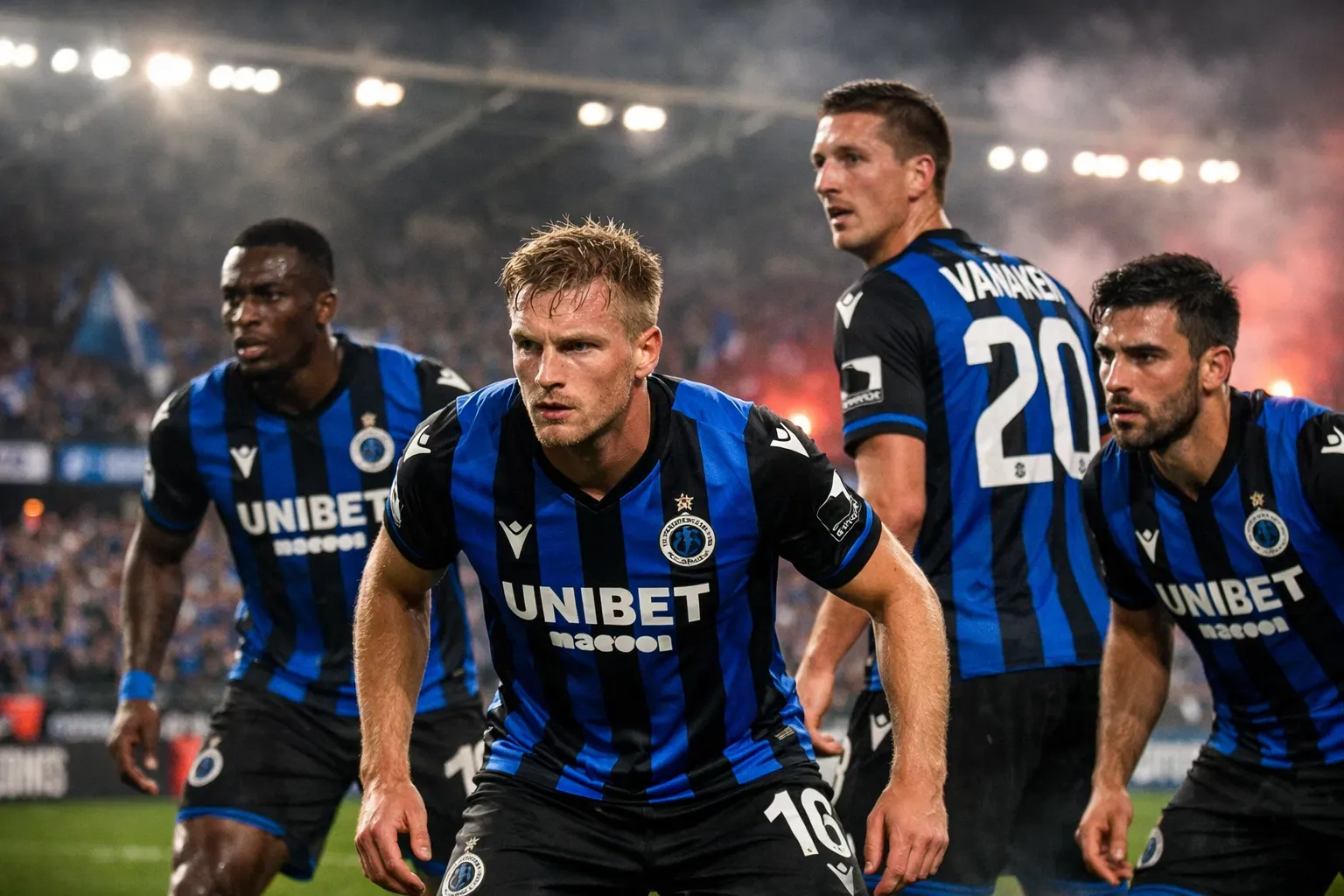
The Jupiler Pro League title race is already crackling with the kind of tension that makes Belgian football feel like a weekly referendum on nerve and depth. Club Brugge are used to being hunted, but this time they look hunted and hurried, staring at a fixture list that offers very few soft landings. Franky Van der Elst has framed it bluntly: the pressure is real, and it is immediate. Add the possibility of Simon Mignolet nearing a farewell, and the chase becomes emotional as well as tactical.
In any Jupiler Pro League title race, timing matters, and Club Brugge’s timing is awkward: four away games in the first six matchdays is the kind of schedule that forces you to show your identity before you’ve fully sharpened it. Away games in Belgian football are rarely sterile affairs, because atmospheres can swing quickly and refereeing rhythms differ from ground to ground. Brugge’s margin for “learning on the job” shrinks when the points are being spent on the road.
Franky Van der Elst’s warning lands because it speaks to the psychology of a champion rather than the spreadsheet of a fixture list. In the Jupiler Pro League title race, a draw away can be respectable, but consecutive draws turn into a narrative of hesitation. Club Brugge are expected to impose themselves, yet away trips often demand patience, game management, and a willingness to win ugly. That is a different skill set than the glossy home performances fans instinctively picture.
Four away games early does more than test legs; it tests leadership, because every small wobble becomes a talking point in the Jupiler Pro League title race. When you travel, you lose familiar routines, and small details like set-piece focus and second-ball intensity decide matches. Club Brugge’s opponents will treat these visits like cup finals, raising their aggression and their crowd volume. If Brugge start slowly, the “title pressure” label hardens into a weekly burden.
There is, however, a pragmatic route through the storm that keeps Club Brugge alive in the Jupiler Pro League title race without demanding perfection. Away wins often come from controlling chaos: slowing the game after scoring, limiting transitions, and turning the last 20 minutes into a series of safe decisions. Brugge’s best sides have always had that ruthless streak, the ability to turn one good spell into three points. If they rediscover it quickly, the schedule becomes a statement rather than a trap.
Union Saint-Gilloise have become the team that forces everyone else to stop looking at themselves and start looking over their shoulder. In this Jupiler Pro League title race, their form is not a cute subplot; it is a central pressure point that changes how rivals approach risk. Union’s intensity, especially in the first hour of matches, sets a tempo that can make cautious teams look passive. When they win, it feels like momentum; when they don’t, it still feels like they are close.
The most uncomfortable truth for Club Brugge is that Union’s confidence travels well, which is exactly what Brugge need to prove during their own away-heavy run. In the Jupiler Pro League title race, the threat is not only Union’s points total but also the way they make other contenders chase. When you’re chasing, you gamble more, and gambling produces errors. Union’s rise therefore doesn’t just add a competitor; it changes the emotional temperature of every weekend.
Union Saint-Gilloise are difficult because their structure supports their aggression, and that combination is gold in a Jupiler Pro League title race. They press with purpose rather than chaos, closing obvious passing lanes while still keeping enough bodies behind the ball to survive the first broken line. Opponents often feel they have time, then suddenly discover they have none. When that pattern repeats, even experienced teams start to rush decisions and lose their composure.
The presence of a flying Union Saint-Gilloise subtly rewrites the risk calculus for Club Brugge in the Jupiler Pro League title race. Brugge can’t simply “manage” away games if Union keep stacking wins, because the table punishes caution. That doesn’t mean going reckless, but it does mean embracing moments to kill games earlier, pushing for the second goal instead of defending the first. In a tight race, bravery is often just another word for timing.
Franky Van der Elst’s analysis resonates because it treats the Jupiler Pro League title race as a human drama, not just a tactical chessboard. He knows what it means to carry a badge that expects trophies, and he understands that pressure is not evenly distributed across the league. Club Brugge don’t get to “build quietly” because every match is televised judgment. When the schedule is hostile and the rival form is hot, that judgment becomes louder.
Van der Elst also hints at something supporters sometimes ignore: pressure can distort decision-making within a club, from the bench to the boardroom. In the Jupiler Pro League title race, impatience can lead to selection churn, rushed tactical tweaks, and a sense that each game must be won in the first 15 minutes. Club Brugge have enough quality to win in multiple ways, but only if they trust their process. Without that trust, the pressure becomes self-fulfilling.
Urgency is healthy in a Jupiler Pro League title race; panic is poison, and the two can look similar from the stands. Urgency shows up as sharper counter-pressing, smarter fouls, and quicker ball circulation. Panic shows up as hopeful crosses, forced passes through crowded zones, and defenders stepping out at the wrong time. Van der Elst’s point is essentially a plea for emotional discipline. Club Brugge must play like a champion even when the calendar feels like an ambush.
Every contender needs players who can carry the emotional load of a Jupiler Pro League title race, and Club Brugge’s leadership group will be under the microscope. Leaders slow the game when it’s frantic, and they speed it up when it’s sleepy, acting like on-pitch metronomes. They also protect younger teammates from the spiral of one mistake becoming three. Van der Elst’s message is that titles are often won by the team that stays most itself under stress.
Simon Mignolet’s situation brings a different kind of tension, because endings change how people watch moments. In a Jupiler Pro League title race, a goalkeeper is often the quiet architect of points, turning one-on-ones into clean sheets and panic into calm. If this is nearing Mignolet’s final chapter at Club Brugge, every save feels like a memory being filed away in real time. Franky Van der Elst’s wish for a respectful send-off captures that sentiment perfectly.
The emotional layer matters because football is not played by robots, and dressing rooms feel these storylines even when they pretend not to. In the Jupiler Pro League title race, sentiment can either distract or unite, depending on how it is handled. Mignolet is respected, and respect can be a stabiliser when results wobble. Yet it can also create a subtle “do it for him” pressure that becomes heavy if performances dip. The challenge is to channel emotion into focus.
A Jupiler Pro League title race often swings on moments that barely register in highlight reels, and goalkeepers live in that world. One extra save in a messy away match can be the difference between a point and three, and three points can be the difference between first and second. Mignolet’s experience helps defenders trust their spacing and helps the team take calculated risks higher up. When a keeper radiates calm, the whole side breathes more easily.
When Franky Van der Elst talks about giving Simon Mignolet a respectful send-off, he is really talking about standards in Belgian football and the dignity of club icons. In a Jupiler Pro League title race, clubs can become transactional, treating players as short-term solutions rather than long-term pillars. A proper farewell would recognise Mignolet’s role in big nights and small saves alike. It also sets a cultural tone: Club Brugge want to win, but not at the cost of their identity.
Away games compress space and inflate emotion, which is why they are often where the Jupiler Pro League title race is truly decided. Club Brugge will have to be sharper in the first duel, the first second ball, the first defensive transition after losing possession. These are not glamorous details, but they determine whether a match feels controlled or chaotic. Brugge’s talent can dominate at home; away, their habits must dominate.
There is also the question of how Brugge manage game states, because leading away is different from leading at home. In a Jupiler Pro League title race, teams that protect leads with the ball rather than with desperation defending tend to survive the long season. That means valuing possession in safe zones, drawing fouls, and forcing opponents to run without reward. If Brugge can turn away matches into controlled narratives, their difficult schedule becomes a platform for authority.
The “away-game tax” is often paid at set pieces, where crowd energy and referee interpretation can tilt 50-50 moments. In a Jupiler Pro League title race, conceding from a corner in a tight away match feels like a double punishment: you lose points and you lose calm. Club Brugge must be ruthless with organisation, especially on the first contact and the second ball at the edge of the box. Those scraps decide championships more often than fans admit.
With four away games early, rotation becomes a necessity, but in Belgian football it can also become a trap if rhythm disappears. The Jupiler Pro League title race punishes teams that look unfamiliar with themselves, particularly in pressing triggers and build-up spacing. Club Brugge need a clear core of automatisms, so that changes in personnel don’t change the team’s basic behaviour. Smart rotation means protecting legs while keeping relationships intact, especially between the midfield screen and the back line.
Everything about this season points toward a Jupiler Pro League title race that will be decided late, possibly by a single away win nobody predicted in August. Union Saint-Gilloise are too consistent to fade quietly, and Club Brugge are too experienced to collapse without a fight. The league’s competitive middle also matters, because dropped points often come against teams with nothing to lose. When the margins are thin, mentality becomes a measurable asset.
For Club Brugge, the path to the title is not about avoiding pressure but about normalising it. In the Jupiler Pro League title race, champions are the ones who treat noisy weeks as routine and treat calm weeks as a chance to sharpen. Van der Elst’s comments should be read less as doom and more as a challenge: prove you can win when the calendar is unfriendly and the opponent is flying. That is what a title actually demands.
The first six matchdays, with their heavy travel, act like an early checkpoint in the Jupiler Pro League title race because they reveal whether Club Brugge can accumulate points without perfect performances. If Brugge emerge with a strong haul, they gain psychological capital and force others to chase. If they stumble, Union Saint-Gilloise and the rest smell vulnerability and raise their own ambitions. Early tables can lie, but early feelings often don’t.
Success for Club Brugge in this Jupiler Pro League title race might look less like dominance and more like resilience, especially if Simon Mignolet’s future remains a talking point. Winning away while staying composed, keeping clean sheets when legs are heavy, and finding goals from multiple sources would signal a squad built for the long haul. The emotional storyline can become fuel if handled with maturity. Ultimately, Brugge need to turn pressure into a familiar companion, not an enemy.
The beauty of this Jupiler Pro League title race is that it offers both the hard edge of competition and the soft edge of sentiment, with Union Saint-Gilloise pushing the tempo and Club Brugge wrestling with expectation. Van der Elst has essentially set the terms: Brugge must survive a brutal away run, manage title pressure, and possibly navigate a farewell chapter for Mignolet without losing their core. If they can do that, they don’t just win points; they win belief. And in Belgium, belief is often the first step toward silverware.

Julian Mercer is a lifelong student of the game whose passion for football was sparked at an early age, after stepping onto the grass of Camp Nou as a six-year-old — a moment that left a lasting impression and set him on a permanent path into the sport. Since then, football has been both his lens on the world and his favourite language. Blending traditional fandom with a deep interest in tactics, squad building, and long-term team development, Julian has spent decades analysing the game from every angle. His fascination with football strategy was further shaped through years of immersive play in Football Manager, a series he has followed since the mid-1990s, developing a sharp eye for patterns, player profiles, and the fine margins that define success. At My World Of Football, Julian focuses on the stories beneath the surface — from tactical evolutions and managerial philosophies to the narratives that connect clubs, players, and supporters across generations. His writing aims to balance insight with accessibility, always grounded in a genuine love for the game.
Continue reading more football news